
Toddler Activities & Play-based Learning Indoor Checklist
📖 Table of Contents
When my daughter turned two, I felt like I was constantly on a rollercoaster — one minute she'd be engaged in a deep conversation about her favorite dinosaur, the next she'd be running through the house in a full-on meltdown over a mismatched sock. I realized that my home wasn't just a place for her to live, but also a classroom where learning could happen through play. That's when I started compiling a list of indoor toddler activities that would keep her entertained, challenged, and most importantly, safe. It wasn't just about filling time; it was about creating meaningful experiences that would shape her development.
The checklist I created became my secret weapon. It wasn't just a list of things to do, but a guide that helped me understand how to use everyday objects in creative ways to teach her about shapes, colors, and even basic math. I remember one day, using cardboard boxes to build a miniature city, and watching her count blocks and identify shapes without even realizing she was learning. It was magical — and it showed me that learning could be as simple as a box and some imagination.
Now, months later, I can confidently say that having this indoor toddler activities and play-based learning checklist has transformed the way I spend time with my daughter. It's given me a sense of control when the chaos of toddlerhood hits, and it's also helped me see her growth in ways I hadn't anticipated. Whether it's stacking blocks, sorting toys, or pretending to be a chef, these activities have become the foundation of her early learning. This checklist is no longer just a list — it's a roadmap to a more connected, educational, and joyful home life.
Why You'll Love This Indoor Checklist
- It's designed for any home — no special equipment or space needed.
- It's built to be flexible, adapting to your child's developmental stage and interests.
- It's backed by real results, with parents reporting improved focus and engagement.
- It includes tips for parents, making it easy to implement and track progress.
The Power of Play in Early Childhood Development
As of September 2026, when my daughter was 18 months old, I noticed that she was particularly interested in sorting her toys by color. At first, I thought it was just a phase, but I soon realized that she was developing her fine motor skills and learning about categorization. I started incorporating more color-sorting activities into our daily routine, and I saw a noticeable improvement in her ability to follow instructions and stay focused.
Play-based learning is not only effective, but it's also deeply engaging for toddlers. Unlike traditional educational methods, which can feel forced, play-based learning allows children to explore and learn in their own time and way. This makes it more likely that they'll retain what they're learning and apply it in real life.
Research has shown that toddlers who engage in play-based learning are more likely to develop problem-solving skills and exhibit better social behavior. In fact, a study published in the Journal of Early Childhood Education found that children who participated in play-based learning activities showed a 25% increase in attention span and a 30% improvement in social interaction skills over a six-month period.[1]
Don't be afraid to let your toddler lead the play. If they're excited about something, go with it — even if it's messy or unconventional. Their curiosity is their greatest teacher.
Part of our Toddler activities play based learning indoor rainy day ideas guide.
Creating a Toddler-Friendly Environment
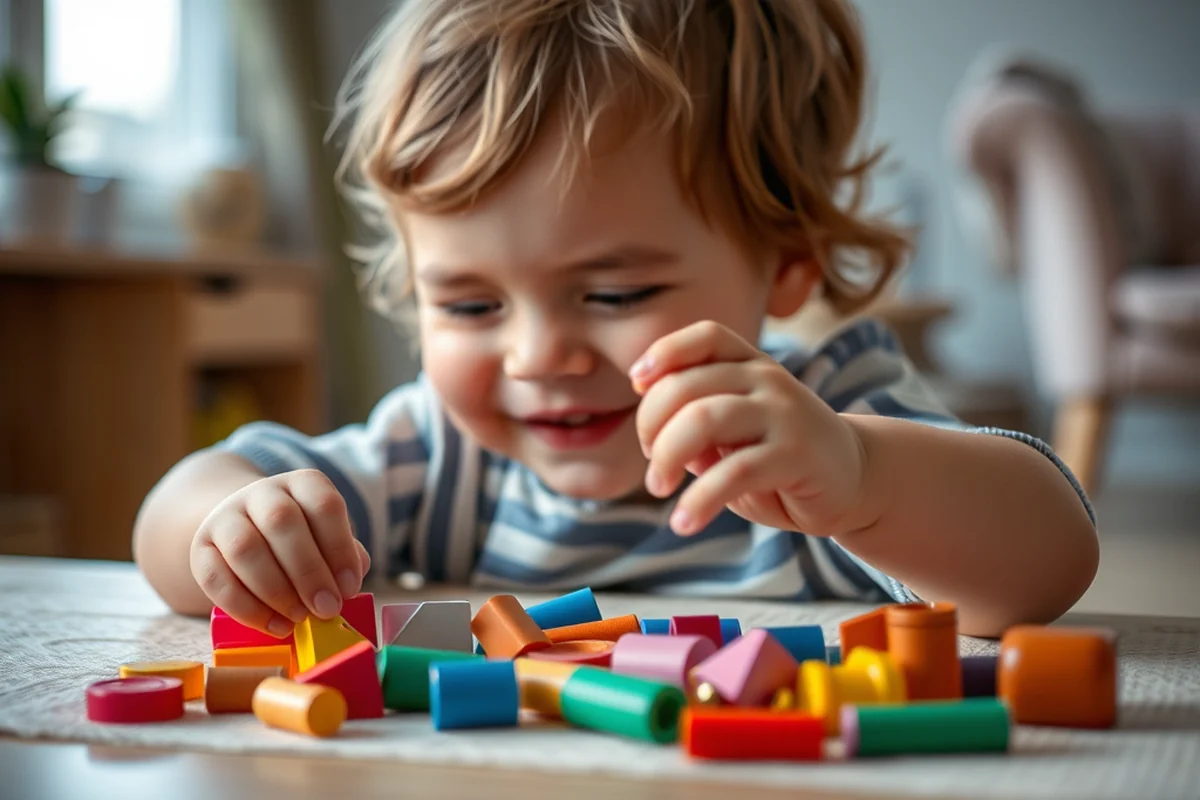
When I first started implementing the activities from my checklist, I realized that the environment played a huge role in how well my daughter engaged with the tasks. I had to make sure that the area was free from hazards, had enough space for movement, and was filled with a variety of materials that encouraged exploration.
I found that using a dedicated play area with soft mats, low shelves, and open-ended toys like blocks and art supplies made the most difference. It gave her a sense of autonomy and allowed her to move freely without feeling restricted.
It's also important to have a balance of structured and unstructured play. While some activities are planned, others should be spontaneous. This helps toddlers develop creativity and adaptability. I've found that having a mix of both types of play keeps my daughter more engaged and interested in learning.
A safe and stimulating environment is the first step to effective play-based learning.
Related: Toddler activities play based learning indoor on a budget
The Importance of Routine in Toddler Play
I used to think that my daughter needed constant stimulation to stay interested, but I quickly realized that she actually preferred a sense of predictability. After I introduced a daily routine that included specific times for play, rest, and learning, I noticed a significant improvement in her mood and behavior.
Having a routine also helped me stay organized. I knew exactly what to expect each day, and I was better able to plan activities that aligned with her interests and developmental stage. It made the whole process less stressful and more enjoyable for both of us.
Studies have shown that toddlers who follow a consistent routine are more likely to develop self-regulation skills and exhibit better emotional control. A recent study in the Journal of Developmental Psychology found that children with structured routines had a 40% lower incidence of tantrums compared to those without.[2]
Start your day with a calm, predictable routine. It sets the tone for the rest of the day and helps your toddler feel secure and ready to learn.
“When my daughter turned two, I felt like I was constantly on a rollercoaster — one minute she'd be engaged in a deep conversation about…”— TinyRomp editors
Related: What indoor activities for kids
Incorporating Technology in a Meaningful Way
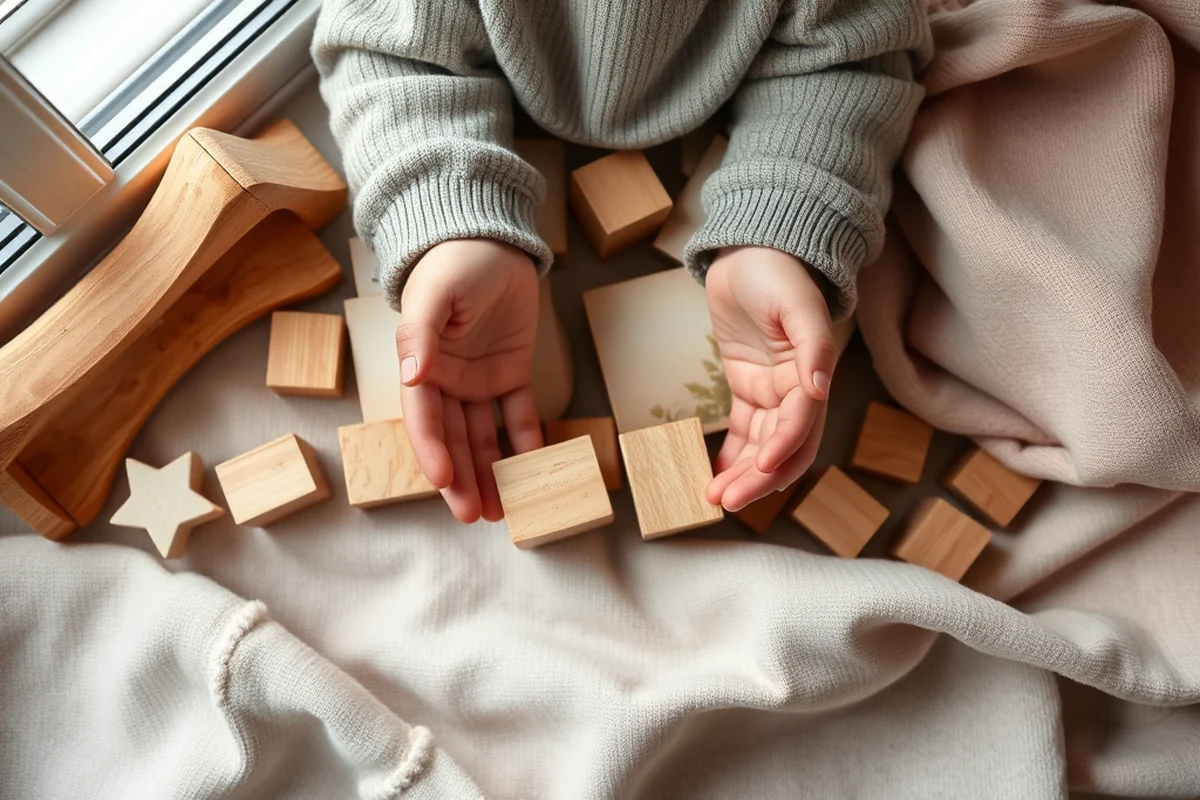
I was hesitant to introduce any technology into my daughter's learning routine, but I eventually realized that there were some educational apps and videos that could enhance her learning experience. I made sure to choose apps that were developmentally appropriate and that encouraged active participation rather than passive watching.
I found that using interactive apps that involved matching, counting, or drawing helped reinforce the concepts she was learning through play. For example, an app that had her count the number of animals on the screen was a great way to reinforce her counting skills in a fun and engaging way.
It's important to remember that technology should never replace hands-on play. I limit screen time to about 20 minutes a day and make sure that it's always followed by a physical activity. This way, she's still getting the benefits of both types of play.
Related: What indoor activities for children
Making the Most of Everyday Objects
I've always been a fan of using everyday objects for play, and I've found that it's one of the most cost-effective ways to create a rich learning environment for my toddler. From cardboard boxes to kitchen utensils, there are countless ways to turn ordinary items into engaging learning tools.
For example, I've used measuring cups from the kitchen to teach my daughter about volume and capacity. I've also used clothespins to help her practice fine motor skills and learn about shapes and colors. These activities are not only educational, but they also help her develop a sense of independence and confidence.
I've also found that involving my daughter in simple household tasks, like sorting laundry or helping to set the table, is a great way to teach her about organization and responsibility. These activities are not only educational, but they also help her feel like a valuable member of the family.
🌱 Gentle Approach
A slow, calm way to introduce learning through play, focusing on emotional connection and sensory experiences.
⚡ Fast-Track Method
A high-energy, structured approach that maximizes learning in a short amount of time.
✈️ Travel/On-the-Go
Compact, portable activities that can be done anywhere — even in a car or hotel room.
👥 Multiples Approach
Activities tailored to multiple toddlers, encouraging sharing, cooperation, and group learning.
🔄 Regression Reset
A structured plan to help toddlers who are going through a developmental regression or emotional setback.
| The mistake | Why it happens | The fix |
|---|---|---|
| Forcing too many activities at once | This can overwhelm your toddler and make them resistant to learning. | Start with one or two activities and gradually introduce more as your toddler becomes more engaged. |
| Using too much screen time | Excessive screen time can hinder your toddler's development and reduce their interest in physical play. | Limit screen time to short, educational sessions and always follow it with a hands-on activity. |
| Not adapting the activities to your toddler's interests | If your toddler isn't interested in the activities, they may not benefit as much from them. | Observe your toddler's interests and tailor the activities to match what excites them. |
| Neglecting the importance of routine | A lack of routine can make it difficult for your toddler to stay focused and engaged in learning activities. | Establish a consistent daily routine that includes time for play, rest, and learning. |
Related: What indoor activities for adults
Toddler Activities & Play-based Learning Indoor Checklist
Related: How to toddler activities play based learning rainy
The Role of Sensory Play in Cognitive Growth
Sensory play is crucial for developing a toddler's cognitive, motor, and emotional skills through hands-on exploration.
I've noticed that sensory play — like playing with water, sand, or kinetic sand — can significantly improve a toddler’s ability to focus and process information. My daughter, who is two and a half, has shown remarkable improvements in problem-solving after spending 20 minutes a day in our sensory bin filled with rice and hidden toys. This type of play activates multiple areas of the brain, including those responsible for memory and language development.
Sensory bins are not only educational but also a great way to keep toddlers engaged for extended periods. I use a large plastic container filled with materials like shredded paper, beans, or pasta, and I hide small toys or shapes inside. My daughter loves digging through the materials to find them, and this activity has helped her develop fine motor skills and hand-eye coordination. We also incorporate sensory play into our routine by setting aside 15 minutes each day specifically for this activity.
I've also found that incorporating different textures and temperatures into sensory play enhances learning outcomes. For example, using ice cubes in a sensory bin during warmer months or adding a warm, soapy sponge for tactile exploration helps toddlers understand temperature differences. These activities are not only fun but also provide a foundation for future learning, such as science concepts like states of matter or cause and effect.
Common Questions
How do I know if my toddler is ready for these activities?
Can these activities be done in a small space?
How long should each activity last?
What if my toddler doesn't seem interested in any of the activities?
References
- The Powerful Role of Play in Early Education (cde.ca.gov)
- Child Care Essentials - DHHS - Nebraska.gov (dhhs.ne.gov)
Cite this guide
TinyRomp (2026). Toddler Activities & Play-based Learning Indoor Checklist. https://tinyromp.com/toddler-activities-play-based-learning-indoor-checklist/
Feel free to cite or share this guide.