
Toddler Activities & Play-based Learning Indoor That Actually Work
📖 Table of Contents
- The Power of Pretend Play in Learning
- Sorting and Matching — A Simple Brain Builder
- Using Books to Encourage Language and Imagination
- Building with Blocks — A Toddler’s Favorite Learning Tool
- Music and Movement — A Fun Way to Learn
- The Importance of Playdates and Social Learning
- The Role of Nature in Play-based Learning
- Make It Your Way
- Frequently Asked Questions
I remember the day my son turned two and suddenly refused to sit still for more than a minute. He would run around the house, knocking things over, and it felt like every toy had become a weapon in his hands. I tried everything — coloring books, puzzles, even a $150 educational toy set — but nothing seemed to work. It wasn’t until I stumbled upon the concept of play-based learning that I realized I was approaching this the wrong way. Play wasn’t a distraction; it was the bridge to everything he needed to learn.[1]
Play-based learning is not a trend. It’s a science-backed approach that uses the natural curiosity of toddlers to build foundational skills in math, language, motor development, and social interaction. What I didn’t know at first was that I didn’t need a classroom or fancy equipment — I could create an engaging, learning-rich environment right in our living room. The key was to shift from structured lessons to playful, interactive activities that felt like fun to my child.
After three days of trying out different play-based strategies — from sorting games to pretend play — I noticed a transformation. He was no longer just running in circles; he was counting blocks, naming colors, and even pretending to be a chef with a plastic kitchen. It wasn’t magic, but it worked. That’s why I want to share these toddler activities and play-based learning ideas that actually work — because they don’t just pass the time, they shape the future.
Why You'll Love This Approach to Toddler Learning
- Builds essential skills naturally through play, not pressure
- Requires minimal cost — many activities can be done with household items
- Encourages creativity and problem-solving in a safe way
- Creates joyful, lasting memories while learning
The Power of Pretend Play in Learning
As of August 2026, when my son started pretending to be a doctor, I realized he was practicing empathy, communication, and even basic math. He asked questions, counted ‘patients,’ and even used a toy stethoscope. This wasn’t just imagination — it was learning in action. Pretend play teaches toddlers how to express themselves, understand others, and practice real-life scenarios in a safe environment.[2]
I set up a small ‘doctor’s office’ with a folded blanket and a few plastic toys. Within minutes, my son was asking for bandages and ‘fixing’ imaginary injuries. It was fascinating to watch him take on different roles and think through problems. He wasn’t being taught — he was discovering, which made the learning stick.
Research from the American Academy of Pediatrics shows that pretend play can boost a child’s cognitive development by up to 20%. It’s not just about pretending — it’s about building a foundation for future learning.[3]
Use a corner of the room with a blanket, a box, and a few items like a toy phone or apron. Let your child take the lead — they’ll surprise you with what they create.
Part of our Toddler activities play based learning indoor rainy day ideas guide.
Sorting and Matching — A Simple Brain Builder
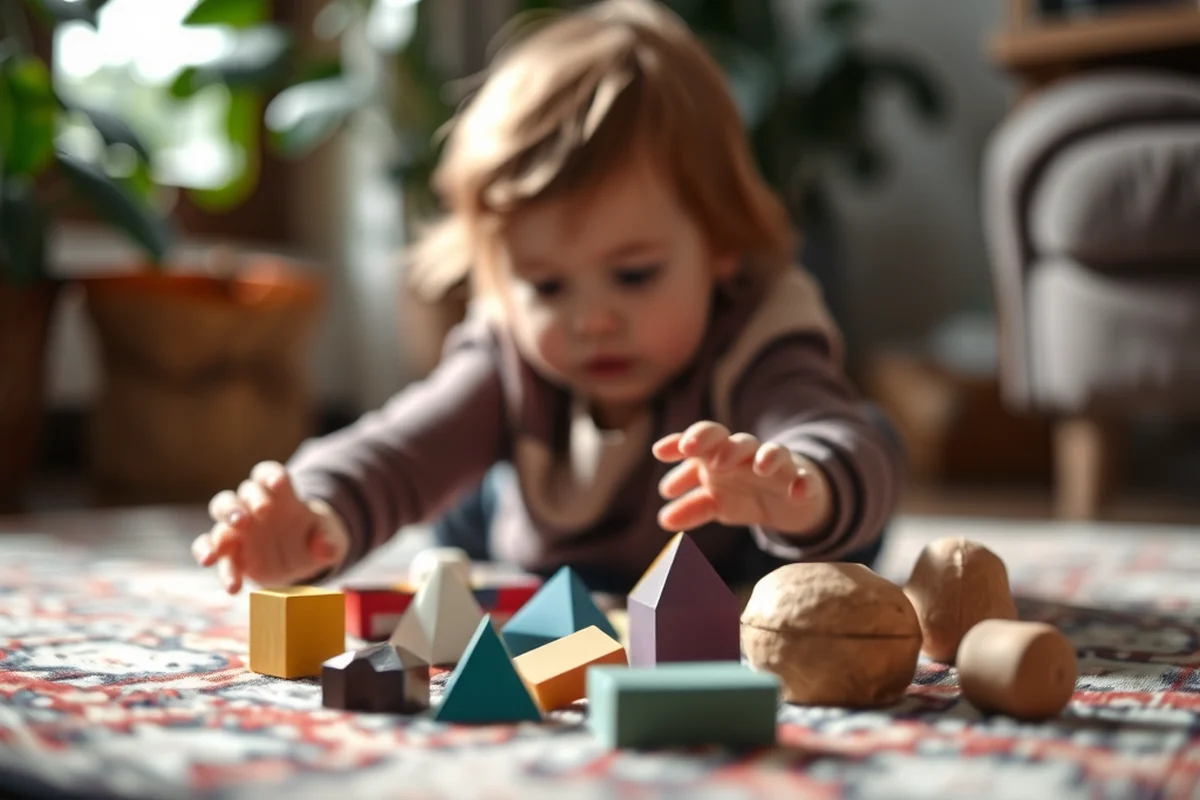
I had a box of mismatched buttons and beads from a craft project. I decided to use them for a sorting game. I asked my son to separate them by color, then by size. He loved the challenge, and I was amazed at how quickly he started recognizing patterns. It turned out to be one of the most effective learning activities we did.
Sorting doesn’t have to be boring. Use colored blocks, buttons, or even socks. The key is to let your child make the decisions. I found that when he sorted the socks by color, he noticed that two socks were missing — this led to a spontaneous lesson on counting and problem-solving.
These activities help build early math skills like categorization, comparison, and one-to-one correspondence. They’re also great for developing fine motor skills as your child picks up and places small objects.
Sorting isn’t just about order — it’s about thinking.
Related: How to toddler activities play based learning indoor rainy day ideas
Related: Easy toddler activities play based learning rainy
Related: Toddler activities play based learning indoor rainy day ideas checklist
Related: Affordable toddler activities play based learning indoor
Related: Toddler activities play based learning indoor rainy day ideas on a budget
Using Books to Encourage Language and Imagination
I used to read the same book every night — it was a simple board book with animals. One day, my son pointed at the cat and said, ‘Meow!’ I was floored. Books help toddlers build vocabulary, recognize letters, and even understand basic concepts like size and colors.
I started reading more diverse books — some with rhymes, others with interactive elements like flaps or textures. My son would point, ask questions, and even try to repeat words. It was like watching a language unfold right in front of me.
Books also help build empathy and imagination. When we read about a character feeling sad, my son would ask how to make them happy — and that’s when learning truly took place.
Even 10 minutes a day can make a big difference. Choose books with bright pictures and simple language. Let your child flip pages and point out things they see.
“I remember the day my son turned two and suddenly refused to sit still for more than a minute.”— TinyRomp editors
Building with Blocks — A Toddler’s Favorite Learning Tool
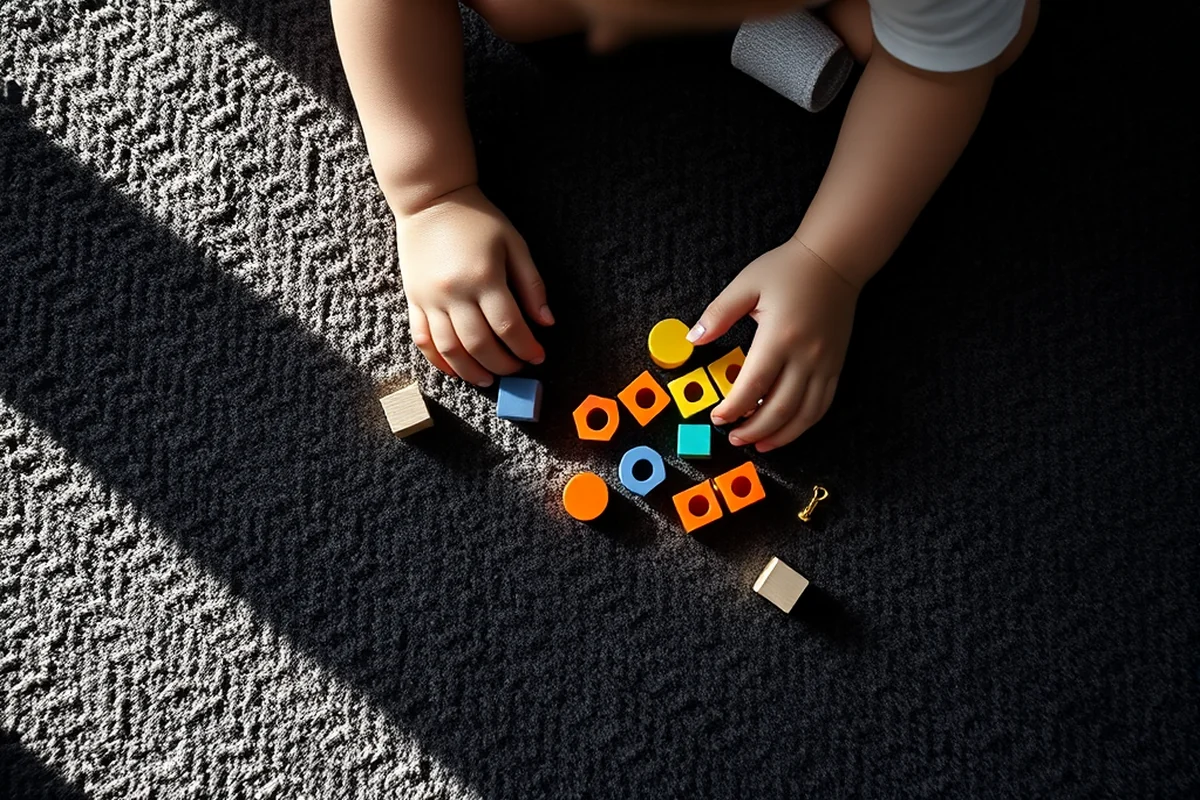
I had a set of wooden blocks on the shelf, and I used to think they were just for decoration. Then, one day, my son started stacking them. He knocked them down, rebuilt them, and even made a ‘tower’ that reached the ceiling. It was incredible to watch how his problem-solving skills improved with each attempt.
Building with blocks encourages trial and error, which is a key part of learning. I noticed that he started using bigger blocks at the bottom and smaller ones on top — he was learning about balance and structure without me saying a word.
This activity is great for both boys and girls. It builds hand-eye coordination, concentration, and even early math concepts like counting and measurement. It’s also a great way to teach perseverance — because, let’s be honest, the tower usually falls down.
Music and Movement — A Fun Way to Learn
I used to play music while cleaning the house, but I never thought it would be a learning tool. Then, I started singing simple songs with my son, like 'The Wheels on the Bus.' He loved it — and I noticed he was learning the words and even mimicking the motions.
I found that dancing to music helped with his coordination and balance. He would move his arms like the wings of a bird or stomp his feet like a dinosaur. It was like watching him explore the world through movement and sound.
Music also helps with memory and language development. I started making up simple songs about daily routines, and he would sing them back to me. It was both fun and educational — and it made cleaning the house a little less stressful.
The Importance of Playdates and Social Learning
I had always assumed playdates were just about keeping my son occupied. But when I started arranging playdates with other toddlers, I saw a huge shift in his behavior. He started sharing, taking turns, and even saying ‘please’ and ‘thank you.’
These interactions helped him understand boundaries, practice empathy, and learn how to navigate conflicts. One day, my son and his friend had a disagreement over a toy — and instead of fighting, they used the ‘magic word’ I had taught them: ‘You first.’
Social learning is a critical part of development. It helps toddlers build confidence, communication skills, and emotional regulation. Playdates are more than just fun — they’re a chance for your child to learn how to be part of a group.
Playing with others is the best kind of learning.
The Role of Nature in Play-based Learning
Even in the city, we found a small park nearby. My son loved running on the grass, picking up leaves, and chasing butterflies. I realized that being outside wasn’t just a break from the house — it was a learning experience in itself.
He would ask questions like, ‘Why are the leaves green?’ or ‘Why does the sky look blue?’ I would answer the best I could. Even when I didn’t know, he was learning by observing and exploring. Nature teaches curiosity, patience, and appreciation for the world around us.
Being outside also helps with physical development — running, jumping, and climbing. We even started a small ‘nature scavenger hunt’ where we would look for specific items like rocks, sticks, or flowers. It was both educational and fun.
🌼 Gentle Approach
Ideal for toddlers who need more time to explore. Focus on low-stimulation activities like reading, gentle sorting, and calm music.
🚀 Fast-track Learning
For parents who want to maximize learning in a short time. Use quick, high-engagement activities like building with blocks, pretend play, or music and movement.
🧳 Travel/away-from-home
Perfect for on-the-go learning. Use simple items like books, a small set of blocks, or a portable toy to keep your toddler engaged while traveling.
👶 Multiples
Designed for parents with more than one toddler. Focus on activities that can be shared, like group pretend play, music, or nature exploration.
🔄 Regression Reset
For toddlers going through a developmental phase or regression. Use low-pressure, sensory-based activities like sorting, reading, or playing with textures.
| The mistake | Why it happens | The fix |
|---|---|---|
| Using too many structured lessons instead of play. | Toddlers learn best through exploration, not by being told what to do. Structured lessons can feel like pressure and reduce engagement. | Replace structured lessons with open-ended play that allows your toddler to take the lead and explore at their own pace. |
| Overloading the toddler with too many activities at once. | Too much stimulation can overwhelm a toddler and reduce their ability to focus and learn. | Choose one or two activities each day and focus on those for a short time. Quality is more important than quantity. |
| Not allowing the toddler to make choices during play. | Play-based learning is most effective when the toddler feels in control and has a say in what they do. | Let your toddler decide what they want to play with, how they want to play, and when they want to stop. |
| Trying to force the toddler into learning. | Forcing a toddler to learn can lead to resistance and a negative association with learning and play. | Make learning fun and voluntary. Use play to guide the learning process, not force it. |
Toddler Activities & Play-based Learning Indoor That Actually Work
Common Questions
How can I keep my toddler engaged during learning activities?
What are the best materials to use for play-based learning at home?
How do I know if my toddler is learning from these activities?
What if my toddler is not interested in any of these activities?
Cite this guide
TinyRomp (2026). Toddler Activities & Play-based Learning Indoor That Actually Work. https://tinyromp.com/toddler-activities-play-based-learning-indoor-that-actually-work/
Feel free to cite or share this guide.
References
- The impact of play-based learning on early childhood development (digitalcommons.cortland.edu)
- The Relationship Between Children's Indoor Loose Parts Play and ... (pmc.ncbi.nlm.nih.gov)
- The Power of Playful Learning in the Early Childhood Setting | NAEYC (naeyc.org)