
Affordable Play Based Learning Activities
📖 Table of Contents
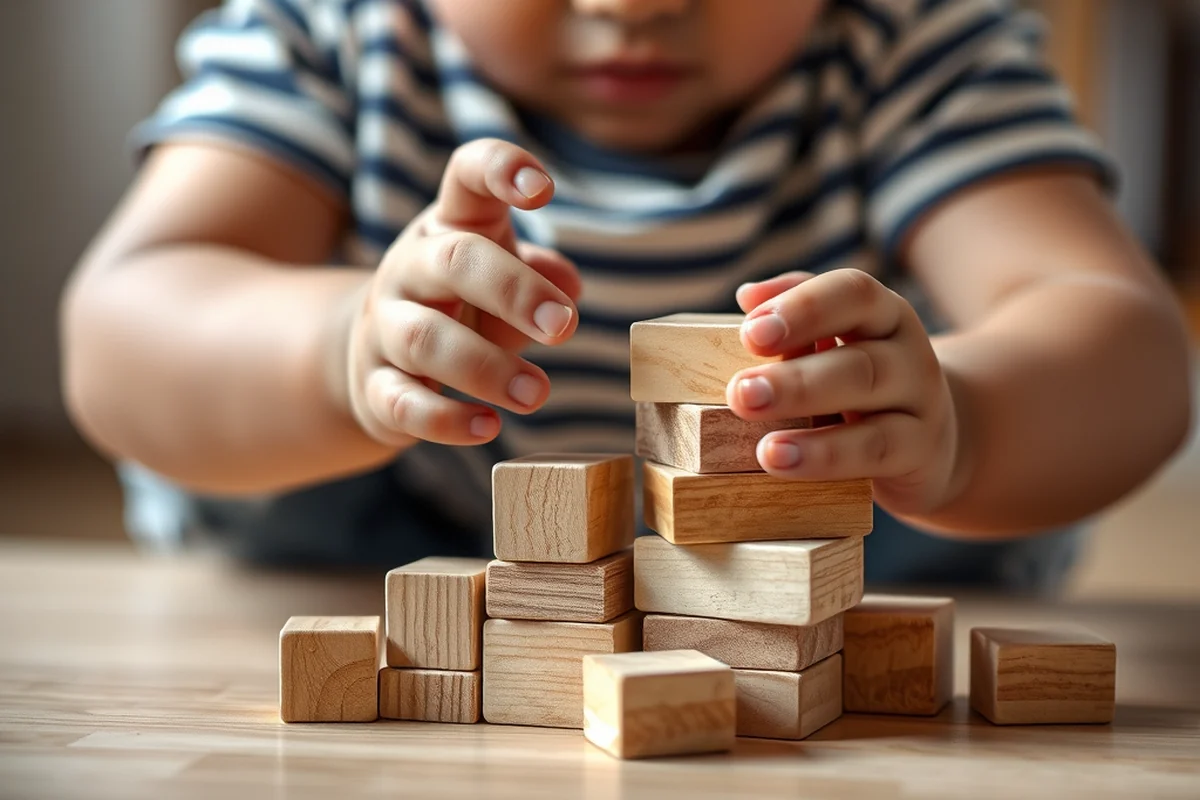
When my son was two, I found myself in the grocery store aisle, staring at a $20 box of educational toys, wondering if it was worth the price. I had heard so much about play-based learning, but I didn’t know where to start. I didn’t have the budget for expensive kits or subscriptions, and I didn’t want to spend hours scouring the internet for activities that might or might not work. What I discovered instead was a treasure trove of affordable play-based learning activities that could be made at home with just the things we already had. These weren’t just cheap substitutes—they were engaging, hands-on, and, most importantly, fun.[1]
One of the first activities I tried was a simple sorting game with pasta and colored cups. I had bought a large bag of pasta for a pasta night with friends, and I never thought it would double as a learning tool. As my son sorted the pasta by color and shape, he was unknowingly practicing fine motor skills, color recognition, and basic categorization. I was amazed at how quickly he picked it up and how proud he looked when he finished. It didn’t cost a dime, and it sparked a love of learning that has continued into his school years.[2]
Since then, I’ve filled our home with other affordable play-based learning activities that are as practical as they are creative. From scavenger hunts that teach observation and problem-solving to DIY science experiments that use vinegar and baking soda, I’ve found that learning can be both budget-friendly and deeply enriching. These activities don’t require a lot of time or materials. They do require a little imagination and a lot of curiosity—both of which I’ve found in abundance with my child and in myself.[3]
Why You'll Love These Affordable Play Based Learning Activities
- They are budget-friendly and can be made with everyday household items.
- They foster creativity, problem-solving, and cognitive development in children.
- They are easy to set up and can be adapted to different age groups and learning goals.
- They encourage hands-on exploration and active participation.
Sorting and Matching Games with Everyday Items
As of September 2026, Sorting and matching games are one of the easiest and most effective ways to introduce your child to concepts like color, shape, size, and pattern recognition. I’ve used items like buttons, beads, and even cereal to create these games. All you need is a container or tray, and a few groups of items that can be sorted by one or more characteristics. This activity helps build fine motor skills, attention to detail, and logical thinking.[4]
I once used a bag of M&Ms for a sorting game with my son. He sorted them by color, and then we took it a step further by asking him to group them by size. It was amazing to watch him discover that some colors came in different sizes and that he had to think more carefully to complete the task. He asked me questions like, 'Can I sort them by flavor?' and 'Can I make a pattern with them?' These are the kinds of critical thinking skills that come naturally through play.[5]
One of the best things about sorting and matching games is that they are highly customizable. If your child is just starting out, you can use large, easy-to-grasp items like blocks or soft toys. If they are older and ready for a challenge, you can introduce items with more subtle differences, like different textures or shades of color. The key is to make the activity engaging and challenging but not overwhelming.
Look around your home and find items that can be sorted or matched. Buttons, pasta, beads, and even pieces of paper can be used to create these activities.
Part of our Toddler activities play based learning guide.
DIY Sensory Play with Natural Materials
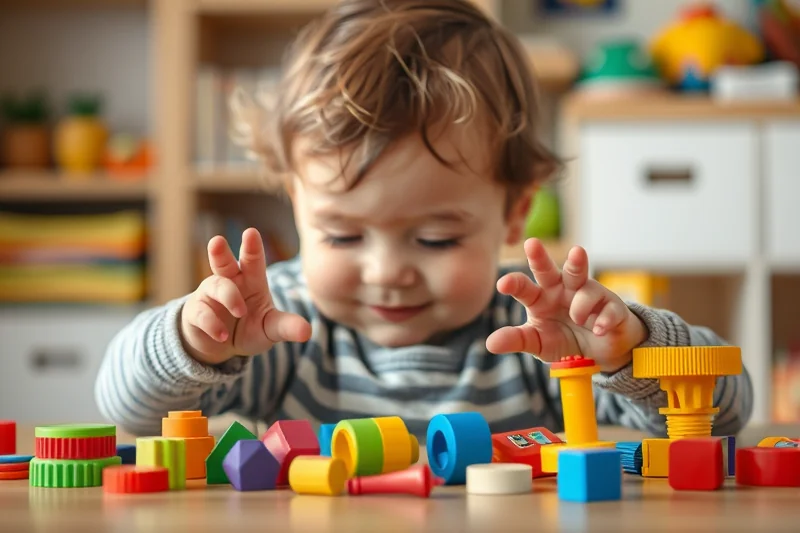
Sensory play is one of the most effective ways to support a child’s brain development, and it can be made with natural materials found around your home. I’ve used things like rice, beans, and even sand to create sensory bins that my child can explore with his hands. These activities help develop fine motor skills, hand-eye coordination, and sensory processing.
One of the simplest sensory play ideas I tried was a rice bin with hidden toys. I filled a large container with uncooked rice and hid small toys like cars, blocks, and balls inside. My child loved digging through the rice to find the hidden items. It was not only fun but also helped him develop his ability to focus and his hand strength.
If you're feeling creative, you can even make your own sensory materials at home. Mixing cornstarch and water to create a non-Newtonian fluid, or using flour and food coloring to make a colorful play dough, are both easy and affordable ways to create sensory experiences. These activities can be tailored to your child’s interests and developmental stage.
Sensory play is not just fun—it’s essential for brain development.
Related: Indoor activities toddler sensory
Simple Science Experiments at Home
Science doesn’t have to be expensive or complicated. In fact, some of the best science experiments for young children can be done with items you already have in your kitchen. One of the first experiments I tried with my son was the classic vinegar and baking soda volcano. It was not only easy to make but also a visual and hands-on way to teach him about chemical reactions.
The experiment required just a few ingredients: vinegar, baking soda, dish soap, and food coloring. We used a small bowl as the 'volcano' and added the baking soda and dish soap first. When we poured in the vinegar, it created a foaming reaction that looked like a real volcano erupting. My son was fascinated and asked a lot of questions about what was happening. It was a great way to introduce the concept of cause and effect.
Another fun and simple science experiment involved mixing oil and water. We used a clear bowl, water, vegetable oil, and food coloring. When we added the oil to the water, it formed a layer on top. Then we used food coloring to watch how the colors mixed in the water but stayed separate from the oil. This experiment was a great way to introduce the concept of density and how different substances behave when mixed.
When doing science experiments with young children, always supervise them closely and use safe ingredients. Avoid using hot water or any chemicals that are not child-safe.
“When my son was two, I found myself in the grocery store aisle, staring at a $20 box of educational toys, wondering if it was…”— TinyRomp editors
Related: Fine motor skills toddlers
Creative Arts and Crafts with Recycled Materials
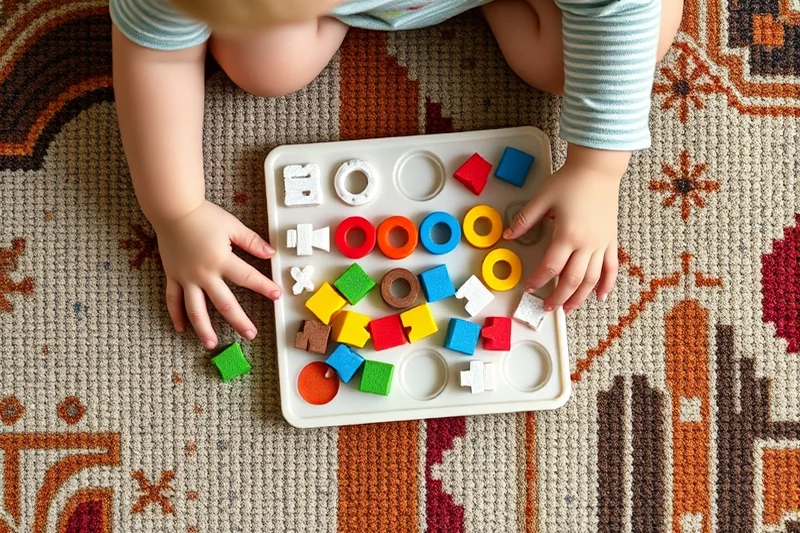
Arts and crafts are a great way to encourage your child’s creativity and self-expression, and they don’t have to be expensive. I’ve used items like cardboard boxes, bottles, and newspaper to make crafts with my son. These activities not only promote creativity but also help develop fine motor skills and hand-eye coordination.
One of the crafts I made with my son was a cardboard box robot. We used a large box, markers, and colored paper to create a robot that we could move around the house. It was a fun way to explore creativity and also introduced him to the idea of storytelling as we created a little story about the robot’s adventures.
Another simple craft idea was using bottle caps and glue to make a mosaic. We used old bottle caps, glue, and a piece of cardboard to create a colorful mosaic. This was a great way to work on fine motor skills and to encourage my son to think about patterns and design. It was also a way for us to reuse items we would have otherwise thrown away.
Related: Fine motor indoor activities for toddlers
Interactive Storytelling and Pretend Play
Interactive storytelling and pretend play are some of the most powerful tools for developing a child’s language and social skills. These activities don’t require any special materials or expensive toys—they just require imagination and a little bit of time. I’ve found that my son loves pretending to be different characters, from a doctor to a chef to a construction worker.
One of the ways I’ve used pretend play is by creating a little 'pretend kitchen' in our living room. We used a large cardboard box as a counter, and I filled it with paper plates, plastic food, and some kitchen utensils. We acted out making meals together, and it was a fun way for my son to practice language and social skills. He would ask questions like, 'What should we cook today?' and 'Do you want to be the chef or the customer?'
Interactive storytelling is another great way to engage your child. I’ve used books and simple props to create stories together. We would take turns adding sentences or making decisions about what happened next. This was a great way to encourage my son’s imagination and also helped him develop a love for reading and storytelling.
⭐ Classic
The basic recipe with flour, salt, water, and dish soap.
💰 Budget
Uses only pantry staples and avoids any optional ingredients.
⚡ Extra-Fast
A simplified version that can be made in under 10 minutes.
✨ Depth
Adds texture with cornstarch and natural dyes for sensory exploration.
🥗 Light
A gluten-free version using almond flour and coconut oil.
| The mistake | Why it happens | The fix |
|---|---|---|
| Using small items that are a choking hazard for young children. | Small items can be a choking hazard for children under three years old. | Use large, soft items that are safe for young children and avoid small pieces. |
| Not supervising the child during activities. | Children can sometimes get distracted or lose focus, which can lead to accidents or the misuse of materials. | Always supervise your child during the activity and make sure they are using the materials safely. |
| Using harmful or toxic materials in activities. | Some materials may contain harmful chemicals or be unsafe for children to handle. | Use safe, child-friendly materials and avoid any items that are not specifically designed for children. |
| Not adapting the activity to the child’s developmental stage. | Activities that are too difficult or too simple may not be engaging or beneficial for the child. | Choose activities that are appropriate for your child’s age and developmental stage and modify them as needed. |
What You'll Need tap to check off
- 1 cup flour
- ½ cup salt
- ½ cup water
- ½ cup liquid dish soap
- 1 teaspoon food coloring (optional)
Method tap a step when done
- In a large mixing bowl, combine the flour and salt.
- Add the water and mix until it forms a thick paste.
- Add the liquid dish soap and mix until smooth. If the dough is too dry, add more water. If it's too wet, add more flour.
- Knead the dough for about 5 minutes until it becomes smooth and elastic.
- Add food coloring if desired and knead again until the color is evenly distributed.
- Store the dough in an airtight container or plastic bag for later use.
Key Facts
Related: Indoor toddler activities near me
Affordable Play Based Learning Activities
Related: Fine motor skills toddlers examples
Common Questions
What are some of the best affordable play-based learning activities for young children?
How can I use everyday household items to create learning activities?
Can I do these activities with a very young child?
Are these activities safe for my child?
References
- Play based learning Research Papers - Academia.edu (academia.edu)
- PDF Play-Based Learning flyers (Caregiver) copy (chhs.unh.edu)
- The Power of Play-Based Learning in Early Childhood Education (cune.edu)
- Getting Started - I am an ECE | Texas DSHS (dshs.texas.gov)
- Learning Mathematics through Everyday Play in Prekindergarten (files.eric.ed.gov)
Cite this guide
TinyRomp (2026). Affordable Play Based Learning Activities. https://tinyromp.com/affordable-play-based-learning-activities/
Feel free to cite or share this guide.