
Easy Play Based Learning
📖 Table of Contents
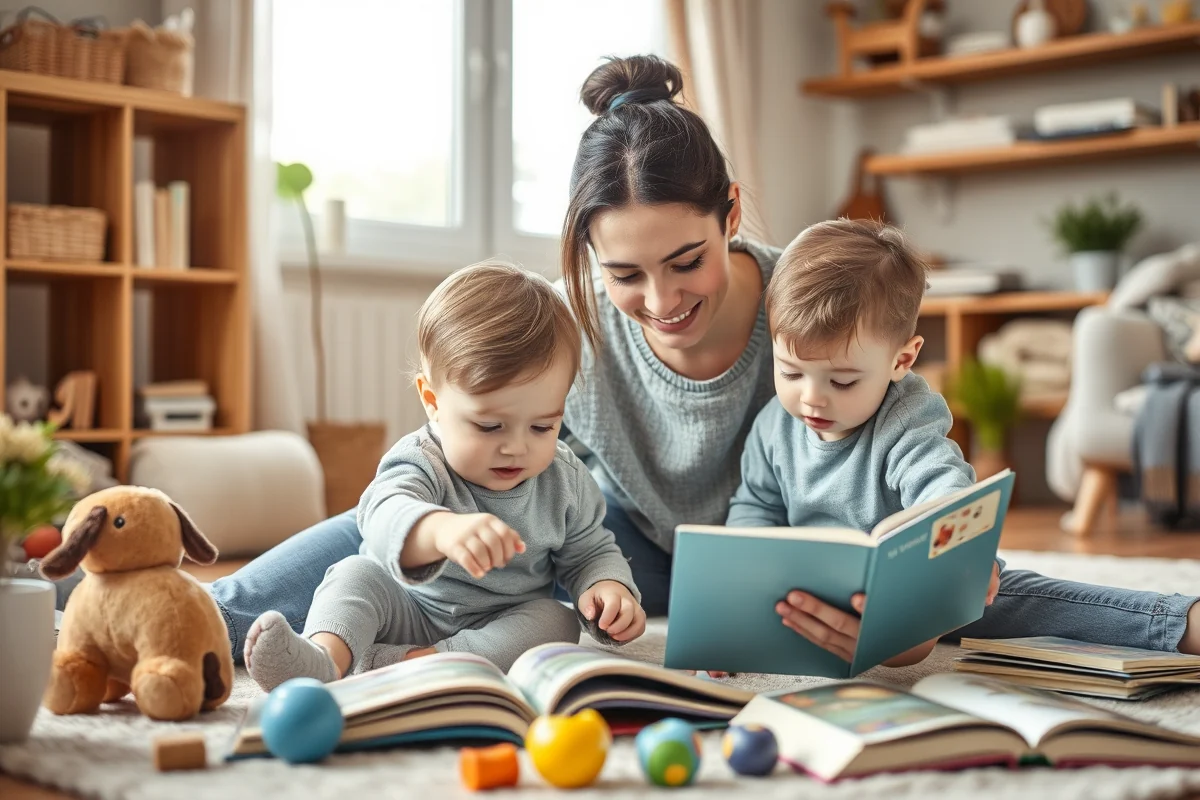
When my son turned two, I was overwhelmed by the pressure to ‘teach’ him everything—phonics, math, even social skills. I bought flashcards, hired a tutor, and watched educational videos, but nothing worked. It wasn’t until I let him play with blocks, draw, and build forts that I realized he was learning all along—without a single worksheet. That’s when I stumbled on the concept of easy play-based learning, and it changed everything.[4]
Easy play-based learning isn’t about making learning fun—it’s about making it natural. It’s the way children learn best, through exploration, curiosity, and hands-on interaction. I’ve watched my son count with building blocks, spell words with magnetic letters, and solve problems by figuring out how to stack books without them falling. It’s not just engaging; it’s effective. And it doesn’t require a huge budget or a degree in education to pull off.[5]
What I love most about easy play-based learning is that it fits seamlessly into everyday life. You don’t need a special room, a dedicated time of day, or even a lot of materials. It’s about turning simple moments—like baking cookies, playing with water, or sorting laundry—into learning opportunities. I’ve learned that the most powerful lessons come from the little things, and I’m not alone in this experience. The science backs it up, and the results are real.
Why You'll Love This Easy Play-Based Learning Approach
- Encourages natural curiosity and exploration in children
- Requires minimal time, money, and effort to implement
- Supports cognitive, social, and emotional development all at once
- Turns everyday moments into meaningful learning experiences
What Is Easy Play-Based Learning?
As of July 2026, Easy play-based learning is a concept rooted in the way young children naturally learn—through play. It’s not about structured lessons or rote memorization. Instead, it’s about letting children explore, discover, and learn at their own pace, using simple, everyday materials. I’ve seen this approach work wonders with my son, and it’s been backed by early childhood education experts.[1]
According to the National Association for the Education of Young Children, play is the most powerful tool for learning in early childhood. It helps build foundational skills in math, language, science, and social-emotional development. The key is to make learning feel like fun, not like work.[2]
For example, I’ve used a simple set of wooden blocks to teach basic geometry and spatial reasoning. My son didn’t know he was learning about shapes and balance until I asked him to stack them without them toppling. The same goes for counting with playdough or sorting laundry by color. It’s all about making learning feel natural and unforced.
You don’t need special toys or expensive materials. Use everyday items like cereal boxes, fabric scraps, or even socks. The key is to let your child explore and interact with the materials in their own way.
How to Start with Easy Play-Based Learning
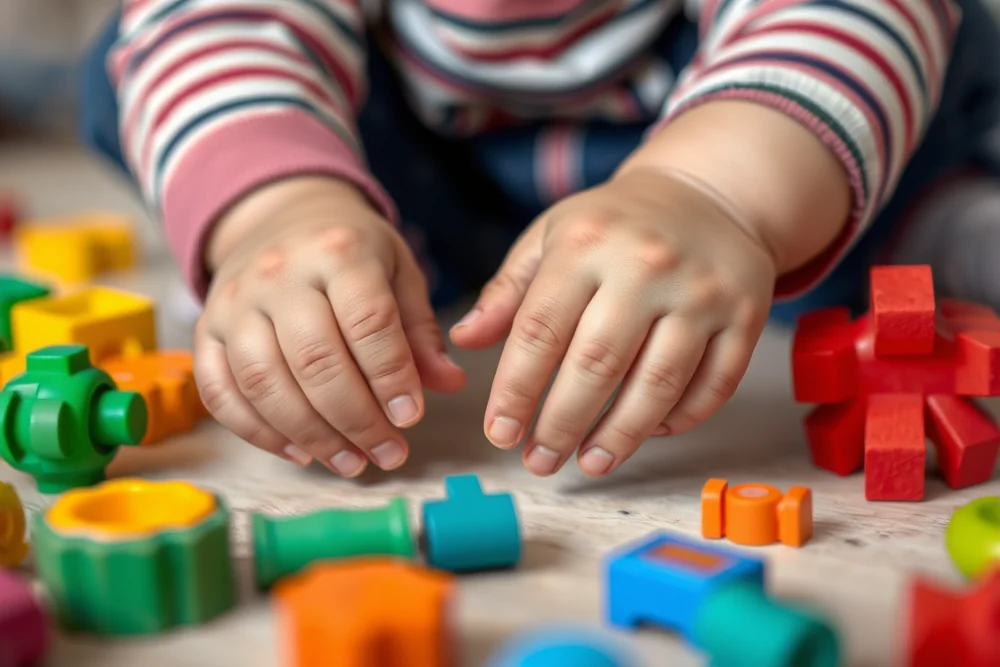
Getting started with easy play-based learning doesn’t require a lot of planning or preparation. It’s about observing your child, noticing what interests them, and then building on that. I found that the best way to start is by simply watching my son play and joining him when he was already engaged.
One of the first things I did was set up a small play area with a few open-ended materials—like blocks, crayons, and paper. I let him choose what he wanted to play with and followed his lead. Over time, I noticed that he was developing problem-solving skills, fine motor skills, and even basic math concepts, all without any formal instruction.
The key is to stay flexible and responsive. If your child shows interest in something, explore it with them. If not, move on. Play-based learning is about following your child’s interests and building on them naturally.
Play is the most powerful tool for learning in early childhood.
Related: Play based learning examples
Related: Play based learning tips
Related: Play based learning for beginners
Related: Play based learning
Related: Easy Sensory Play Ideas
Related: Affordable Playground Equipment
Related: Play Based Learning 2026
Related: What Is The Kid N Play Dance
Related: Children With Playground
The Benefits of Easy Play-Based Learning
I quickly noticed the benefits of easy play-based learning—my son was more curious, more confident, and more engaged in his surroundings. He was solving problems, thinking critically, and even showing empathy toward his younger siblings. It was incredible to watch.
According to a study published in the Journal of Early Childhood Research, children who engage in play-based learning show higher levels of creativity, problem-solving, and social skills. These are the kinds of skills that will stay with them for life, not just for a few weeks or months.[3]
Another benefit I noticed was that play-based learning reduced stress for both my son and me. We weren’t fighting over flashcards or worrying about school readiness. Instead, we were having fun, and that made learning feel like a natural part of life.
Take time to observe your child as they play. What are they doing? What interests them? Reflect on what they’re learning and how you can support it. This helps create a more meaningful play experience.
“When my son turned two, I was overwhelmed by the pressure to ‘teach’ him everything—phonics, math, even social skills.”— TinyRomp editors
Simple Activities for Easy Play-Based Learning
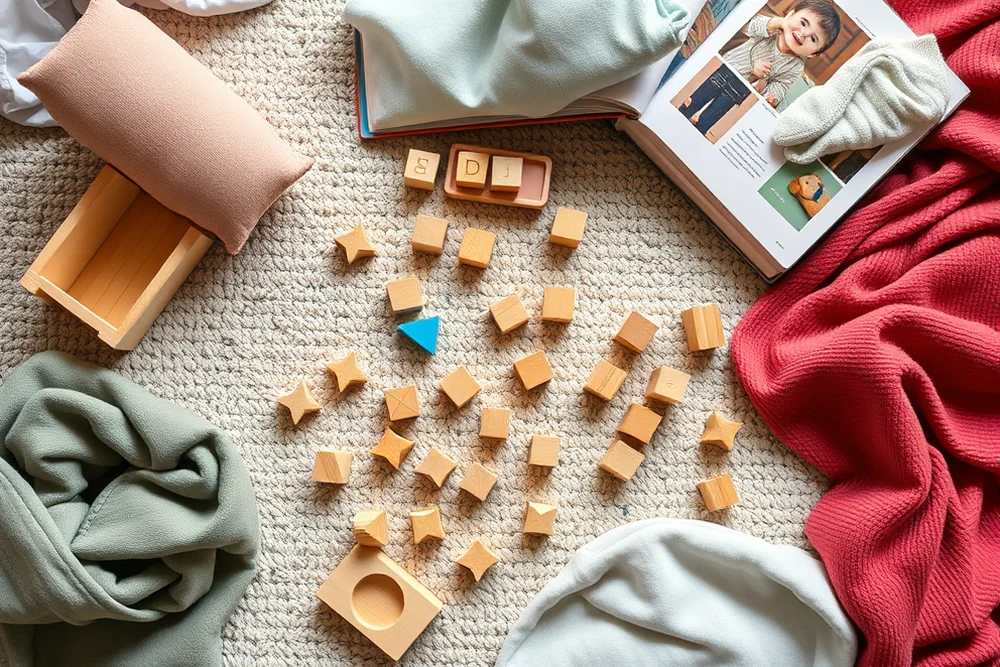
One of the easiest and most effective play-based learning activities is sorting. I’ve used this with my son by sorting toys by color, size, or shape. It helps develop classification skills, which are important for math and science.
Another activity I love is storytelling. I’ve used picture books to encourage my son to create his own stories, which has helped improve his language skills and creativity. We’ve even used puppets and props to make the experience more interactive and engaging.
I’ve also used cooking as a way to teach counting, measuring, and following instructions. Baking cookies or making pizza dough has been a hit with my son and has helped him learn practical life skills in a fun way.
Making Learning Last Through Play
I’ve found that the best way to make learning last is to be consistent. That doesn’t mean you need to set aside hours each day for play-based learning. Instead, it’s about weaving it into your child’s daily life in small, meaningful ways.
For example, I’ve made a habit of reading together every night, which has helped improve my son’s vocabulary and comprehension skills. I’ve also turned chores into learning opportunities, like counting the number of dishes in the sink or sorting laundry by color.
The most important thing is to stay patient and flexible. Play-based learning isn’t about getting things right; it’s about getting things right for your child. If something doesn’t work, try something else. The goal is to make learning enjoyable and meaningful.
⭐ Classic
Simple, no-added-colors play dough for basic sensory play and learning.
💰 Budget
Use only flour, salt, and oil for a low-cost version that’s safe for young children.
⚡ Extra-Fast
Skip the kneading step by using pre-made play dough or store-bought alternatives.
✨ Depth
Add sand or small objects like beads for more sensory and cognitive development.
🥗 Light
Make the play dough with less oil and more water for a lighter, easier-to-clean texture.
| The mistake | Why it happens | The fix |
|---|---|---|
| Trying to force learning into play. | If you force learning, it can make play feel like work, which can reduce your child’s interest and motivation. | Let your child lead the way. Follow their interests and build on them naturally. |
| Using too many materials at once. | This can overwhelm your child and make it hard for them to focus on any one activity. | Start with a few simple materials and add more as your child becomes more engaged. |
| Not being present during play. | Children learn best when they have a supportive and responsive caregiver nearby. | Stay engaged and participate in the play, even if it’s just by watching and commenting on what your child is doing. |
| Comparing your child to others. | Every child learns at their own pace, and comparing them can create unnecessary pressure and stress. | Focus on your child’s progress and celebrate small milestones, rather than comparing them to others. |
What You'll Need tap to check off
- 1 lb All-purpose flour
- ½ cup Salt
- 1 cup Vegetable oil
- 1½ cups Water
- ½ cup Natural food coloring (like beet juice, spinach puree, turmeric, etc.)
- Play dough scent (optional, like vanilla extract or essential oils)
Method tap a step when done
- In a large mixing bowl, combine the flour and salt.
- Add the vegetable oil and mix until the mixture resembles coarse crumbs.
- Gradually add water and mix until a dough forms. Knead the dough for about 5 minutes until it becomes smooth and pliable.
- Divide the dough into small portions and add different natural food colorings to each portion. Knead the color into the dough until it’s evenly distributed.
- If desired, add a few drops of vanilla extract or essential oils for fragrance.
- Store the play dough in an airtight container for up to a week.
Key Facts
Easy Play Based Learning
Common Questions
How can I make play-based learning work with a busy schedule?
What if my child doesn’t seem interested in learning through play?
Do I need special materials for play-based learning?
Can play-based learning help with school readiness?
References
- PDF The Powerful Role of Play in Early Education (cde.ca.gov)
- Supporting Children's Learning Through Play - Childcare.gov (childcare.gov)
- Play-Based Learning (education.mn.gov)
- PDF Experiences of Kindergarten Teachers Utilizing Play-based Learning ... (files.eric.ed.gov)
- Play Helps Children Build Better Brains. Here Are Some Ways to Get Kids ... (gse.harvard.edu)
Cite this guide
TinyRomp (2026). Easy Play Based Learning. https://tinyromp.com/easy-play-based-learning/
Feel free to cite or share this guide.