
Play Based Learning Examples In Early Childhood
📖 Table of Contents
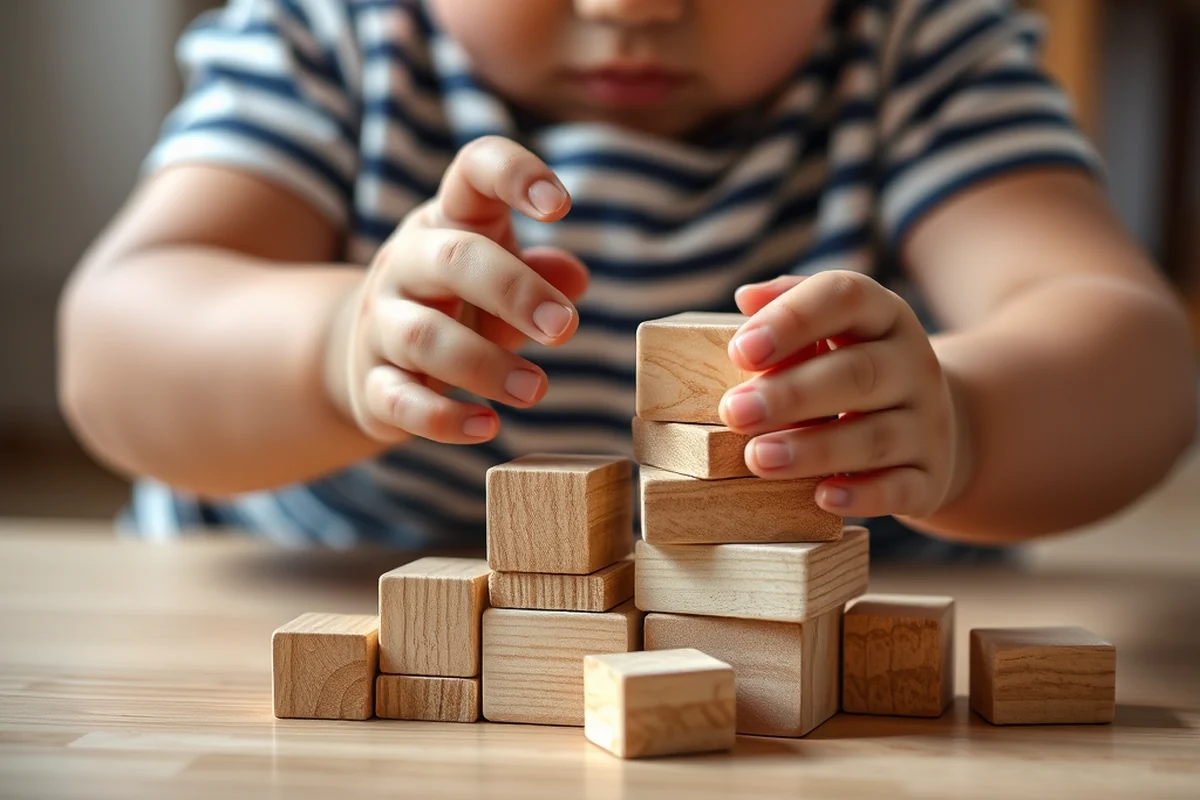
When my son was two, he spent an entire afternoon building a 'castle' with wooden blocks, only to knock it down and rebuild it—over and over. As a parent, I watched in awe as he learned about gravity, spatial relationships, and problem-solving, all while giggling and shouting. That moment was my first real encounter with play-based learning, and it changed how I approached early childhood education. Play-based learning examples in early childhood aren’t just about keeping kids entertained; they’re about building foundational skills through natural curiosity and exploration.
I remember thinking that the concept of play-based learning was a bit vague. How could something as simple as playing with blocks possibly teach a child to count or understand patterns? But as I observed my son’s progress over the next few months, it became clear that these seemingly casual activities were actually powerful learning tools. From sorting toys by color and shape to pretending to cook a meal with imaginary ingredients, every play session was a microcosm of learning. It wasn’t structured in the traditional sense, but it was incredibly effective.
I began to seek out more play-based learning examples in early childhood, and the more I explored, the more I realized how deeply rooted this approach is in child development. Experts say that children learn best when they’re engaged and having fun, and this approach taps directly into that. Whether it’s through dramatic play, sensory exploration, or even simple games like hide-and-seek, every activity has a purpose. I’ve come to see play not as a break from learning, but as its most powerful form in early childhood.[1]
Why You'll Love This Article on Play-Based Learning
- Discover real-world examples that make learning fun for kids
- Get actionable ideas you can implement at home immediately
- Learn how play supports cognitive, social, and emotional growth
- Understand the science behind why play is so effective for young learners
What Is Play-Based Learning in Early Childhood?
As of September 2026, Play-based learning in early childhood is rooted in the belief that children learn best through exploration and discovery. Unlike traditional classroom settings, this approach allows children to engage with the world in their own way, making learning a natural and enjoyable process.
Research from the National Association for the Education of Young Children shows that children who engage in play-based learning demonstrate higher levels of creativity, problem-solving, and social skills. The key is to provide a safe and stimulating environment where children can explore freely.[2]
For example, when my son built that wooden block 'castle,' he was not just playing—he was developing fine motor skills, learning about cause and effect, and practicing patience. These are all critical early learning outcomes, and they happen without any formal instruction.
You don’t need expensive toys to encourage play-based learning. Everyday items like cardboard boxes, fabric scraps, and even household objects can be transformed into learning tools. Just make sure they’re safe for small hands.
The Science Behind Play-Based Learning

According to a 2019 study published in 'Developmental Psychology,' play-based learning enhances neural connections in the brain, particularly in areas related to memory, language, and emotional regulation. This makes it a powerful tool for early brain development.[3]
When children engage in pretend play, they’re exercising their imagination and practicing social skills. For instance, when my son played 'restaurant' with his stuffed animals, he was learning how to communicate, negotiate, and even take turns—all while pretending to be a chef.
This kind of learning is not only effective but also sustainable. It keeps children engaged for longer periods, making the learning process more meaningful and enjoyable.
Play is the work of childhood.
Related: Easy play based learning
Related: Play based learning for beginners
Related: Best play based preschool curriculum
How to Incorporate Play-Based Learning at Home
I discovered that the most effective way to support play-based learning at home was to create a dedicated play area that encouraged both active and quiet play. I filled it with sensory bins, building blocks, and art supplies that my son could access freely.
It’s important to let your child lead the play. This means stepping back and allowing them to explore without too much interference. I noticed that when I let him decide what he wanted to build or what game he wanted to play, he was more engaged and learned more quickly.
Even simple activities like sorting toys by color or counting steps while walking can reinforce learning. These small, everyday moments can have a big impact on your child’s development.
Open-ended play, such as playing with playdough or building with blocks, allows children to create and explore without set rules. It encourages creativity and problem-solving, making it a cornerstone of play-based learning.
“When my son was two, he spent an entire afternoon building a 'castle' with wooden blocks, only to knock it down and rebuild it—over and…”— TinyRomp editors
Related: Cheap play based learning
Related: Game based learning ideas
The Role of Parents in Play-Based Learning
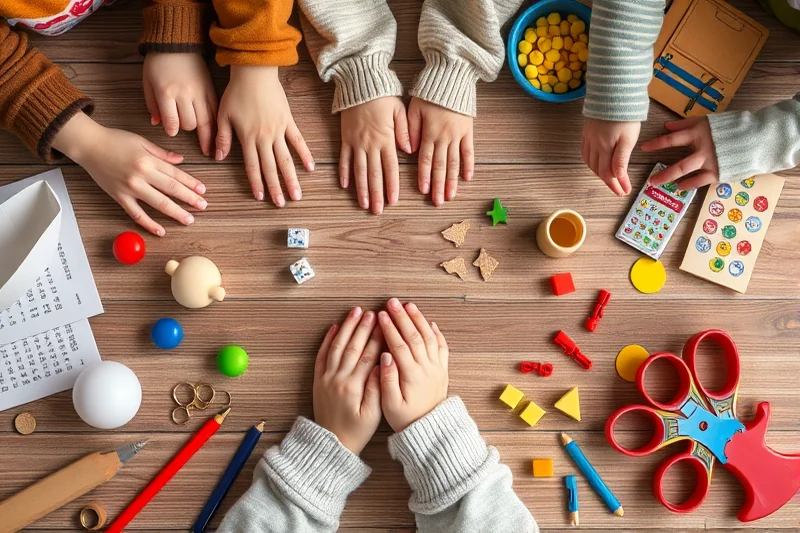
I learned early on that my role as a parent wasn’t to direct the play but to observe and support it. When my son was building that block castle, I didn’t tell him how to stack the blocks—it was his decision. However, I did ask questions like, 'What happens if you put a big block on top of a small one?' to encourage deeper thinking.
Being a co-player can also be incredibly beneficial. By joining in on the fun, I was able to model language, encourage turn-taking, and help my son practice social skills in a natural way. It was a way to bond while also learning.
Even small interactions can make a big difference. When I sat down and played 'doctor' with my son, he was practicing empathy, listening, and even using language in new ways. These moments are gold for early learning.
Why Play-Based Learning Matters for the Future
Studies have shown that children who participate in play-based learning are better prepared for school. They have stronger social skills, better emotional regulation, and more confidence in their abilities. I saw this in my son as he transitioned into preschool—his ability to follow instructions and work with others was remarkable.[4]
Play-based learning also fosters a love of learning that can last a lifetime. When children associate learning with fun and exploration, they’re more likely to stay curious and motivated in the future. This is something that no amount of formal instruction can replace.
By investing in play-based learning now, we’re not just helping our children learn—we’re giving them the tools they need to thrive in the years to come.
⭐ Classic
The original recipe with all-purpose flour and salt for a simple, sensory-friendly play dough.
💰 Budget
Use cornstarch instead of flour to cut costs, and skip the food coloring for a more affordable version.
⚡ Extra-Fast
Combine all ingredients in a bowl and mix quickly with a spoon—no kneading needed for a no-fuss approach.
✨ Depth
Add a few drops of essential oils like lavender or lemon for a calming, aromatic play experience.
🥗 Light
Use gluten-free flour and make the dough slightly drier for a lightweight, easy-to-clean version.
| The mistake | Why it happens | The fix |
|---|---|---|
| Not providing enough materials for exploration | Children need access to a variety of materials to fully engage in play-based learning. Limited resources can restrict their ability to explore and learn. | Ensure you have a variety of safe, open-ended materials available, such as blocks, art supplies, and sensory items. |
| Over-directing the play | Too much guidance can take away from the child’s autonomy and reduce the learning potential of the play experience. | Let the child lead the play and only step in to ask questions or offer suggestions when needed. |
| Focusing only on academic skills | While academic skills are important, play-based learning should also include social, emotional, and physical development. | Create a well-rounded environment that encourages all types of play, from imaginative to physical. |
| Ignoring the child’s interests | Children learn best when they’re engaged in activities they enjoy. Ignoring their interests can lead to disengagement and reduced learning outcomes. | Pay attention to what your child enjoys and incorporate those interests into their play and learning activities. |
What You'll Need tap to check off
- 1 lb All-purpose flour
- ½ cup Salt
- 2 cups Water
- 1 tablespoon Vegetable oil
- 2 tablespoons Cream of tartar
- ½ cup Food coloring (optional)
Method tap a step when done
- In a large mixing bowl, combine the flour and salt.
- Add the vegetable oil, cream of tartar, and water. Stir until the mixture is smooth and begins to form a dough.
- Knead the dough on a floured surface for about 5 minutes, until it becomes soft and pliable.
- If desired, divide the dough into portions and add food coloring to each portion. Knead again to incorporate the color.
- Store the play dough in airtight containers or plastic bags for up to a week.
- Once ready, let your child explore and create with the sensory play dough!
Key Facts
Play Based Learning Examples In Early Childhood
Creative Play as a Gateway to STEM Skills
I made it a point to include nature walks and scavenger hunts, which naturally lead to discussions about shapes, colors, and textures. During one walk, we collected leaves and sorted them based on size, which led to a spontaneous lesson about classification and comparison. These activities, though informal, helped my child connect abstract concepts to real-world examples. I found that integrating STEM elements into everyday play doesn't require expensive materials — creativity and curiosity are the real tools.
I've also noticed how dramatic play, such as pretending to be a chef or a doctor, helps develop logical thinking and planning skills. My child would organize ingredients, follow steps to 'cook' a meal, and even measure out 'portions' using measuring cups. These activities mirror the problem-solving processes used in engineering and science, even though they're disguised as play. It's fascinating to see how these early experiences lay the groundwork for more complex thinking later on.
By making STEM accessible and fun through play, I've been able to instill a love of discovery and learning in my child. I now see her approach challenges with more confidence and creativity, which has spilled over into other areas of her life. This kind of learning is not only effective, but it also helps children develop a growth mindset and a lifelong curiosity about the world around them.
The Power of Role-Playing in Emotional Development
Role-playing helps children explore emotions, build empathy, and practice social skills in a safe environment.
I remember watching my daughter, then 4, pretend to be a teacher for her stuffed animals, assigning them roles and guiding their imaginary classroom. This wasn’t just fun — it was a window into her developing sense of responsibility and leadership. Role-playing allows children to step into different perspectives, which is crucial for emotional intelligence. I’ve noticed that when we encourage these kinds of pretend scenarios, my kids become more empathetic and better at resolving conflicts with siblings.
When my son was 3, we turned our living room into a grocery store, complete with a pretend cash register and grocery bags. He practiced counting money, learning the names of fruits and vegetables, and negotiating with his sister over who got to be the cashier. These moments are not just play — they’re early lessons in math, communication, and cooperation. I’ve seen a direct correlation between how often we engage in role-play and how quickly my children pick up new vocabulary and social cues.
I’ve also found that role-playing helps children process big emotions. When my daughter was upset about a friend moving away, she acted out a goodbye scene with her toys, letting out her feelings in a safe way. This kind of emotional rehearsal builds resilience. By the time she was 5, she was using role-play to practice how to handle tough situations, like standing up for herself or comforting a friend in need. These skills stay with them as they grow.
References
- The Powerful Role of Play in Early Education (cde.ca.gov)
- Supporting Children’s Learning Through Play - Childcare.gov (childcare.gov)
- The Power of Play-Based Learning in Early Childhood Education (cune.edu)
- "Early Childhood Education Teachers' Experiences with Implementing Play ... (digitalcommons.liberty.edu)
Cite this guide
TinyRomp (2026). Play Based Learning Examples In Early Childhood. https://tinyromp.com/play-based-learning-examples-in-early-childhood/
Feel free to cite or share this guide.