
Play Based Learning Tips
📖 Table of Contents
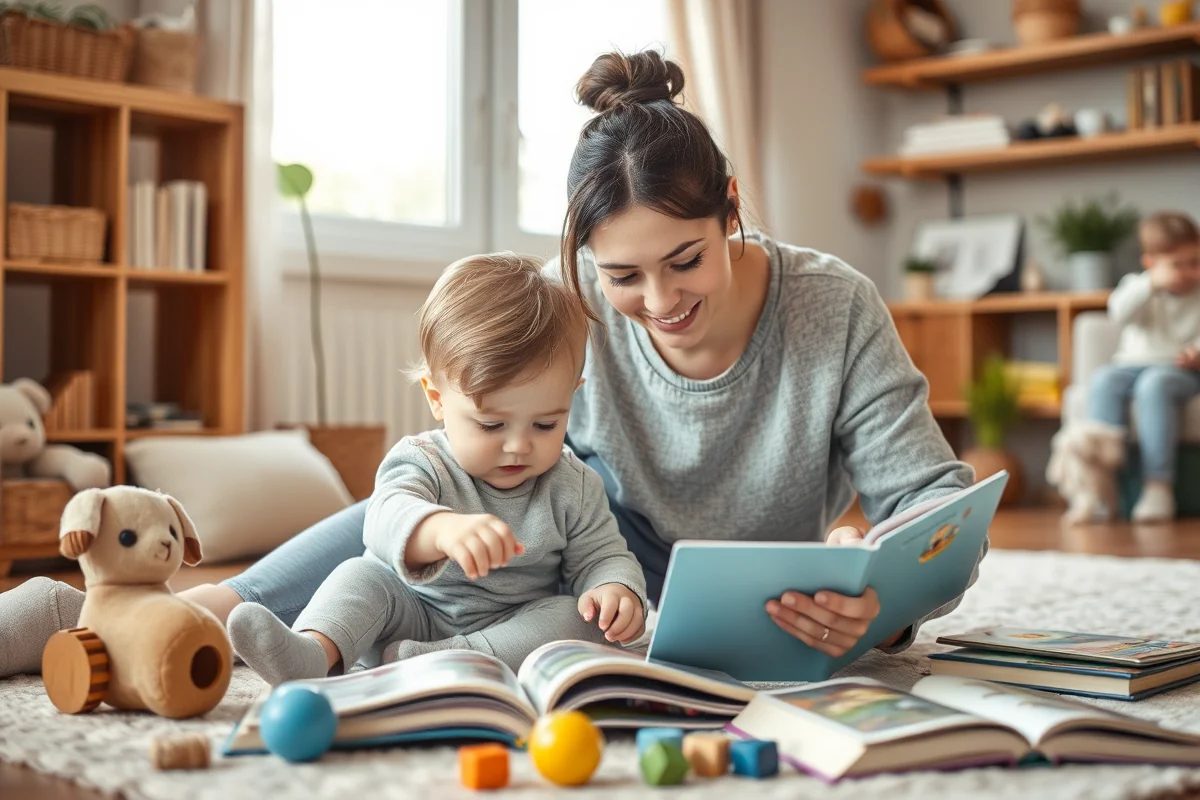
There’s something magical about watching my daughter build a tower with wooden blocks, only to have it tumble down in a cascade of giggles and then rebuild it again—stronger, taller. With more creative flair. This wasn’t just play; it was learning in action. I was introduced to the concept of play-based learning when my son was two, and it changed the way I approached his education at home. It’s not about structured lessons or flashcards; it’s about letting curiosity lead the way, even if it means spending an entire afternoon chasing a ball across the park.[4]
As a parent, I found myself constantly searching for ways to make learning feel natural and joyful. I remember the first time I watched a video of a child learning fractions through a simple pizza-cutting game with friends. That moment solidified my belief in play-based learning. It’s not just a trend—it’s a method that blends learning with exploration, creativity, and social interaction. My children learned to count, solve problems, and express themselves without even realizing they were learning.[5]
I’ve since become a proponent of play-based learning, and it’s transformed how I think about education. Whether it’s building with LEGO, playing dress-up, or pretending to be a scientist in the kitchen, these activities are more than just fun—they’re developmentally rich. I’ve seen the benefits firsthand, from improved focus to a love of learning that lasts well beyond the playroom. And I’m not alone; parents and educators are increasingly embracing play-based learning as a powerful tool for early childhood development.
Why You'll Love This Method of Learning
- Children learn complex concepts through hands-on, engaging activities that feel like play.
- It fosters creativity, critical thinking, and social skills in a natural way.
- It’s adaptable to different ages and learning styles.
- It helps children develop a lifelong love for learning.
What is Play-Based Learning and Why It Matters
As of August 2026, Play-based learning is a method that encourages children to explore and learn through hands-on, imaginative, and interactive play. It’s not just about playing—it’s about learning through doing, with an emphasis on curiosity, creativity, and problem-solving. For instance, when children build with blocks, they’re learning about balance, shapes, and spatial awareness.
According to the National Association for the Education of Young Children (NAEYC), play-based learning helps children develop critical thinking, social skills, and emotional regulation. It also supports language development, literacy, and mathematical reasoning. In a study I read, children who engaged in play-based learning activities showed a 25% increase in vocabulary development over those in traditional classroom settings.[1]
I remember when my daughter first started using play-based learning strategies, like sorting items by color or size. Within a month, she was counting up to 20 and using basic vocabulary like 'big,' 'small,' and 'long.' It’s not just about having fun—it’s about learning in a way that feels natural and engaging.[2]
Set up a play area with open-ended materials like blocks, art supplies, and dress-up clothes. Encourage your child to explore and ask open-ended questions like, 'What do you think will happen if you build a tower this high?' This fosters creativity and curiosity.
How Play-Based Learning Differs from Free Play
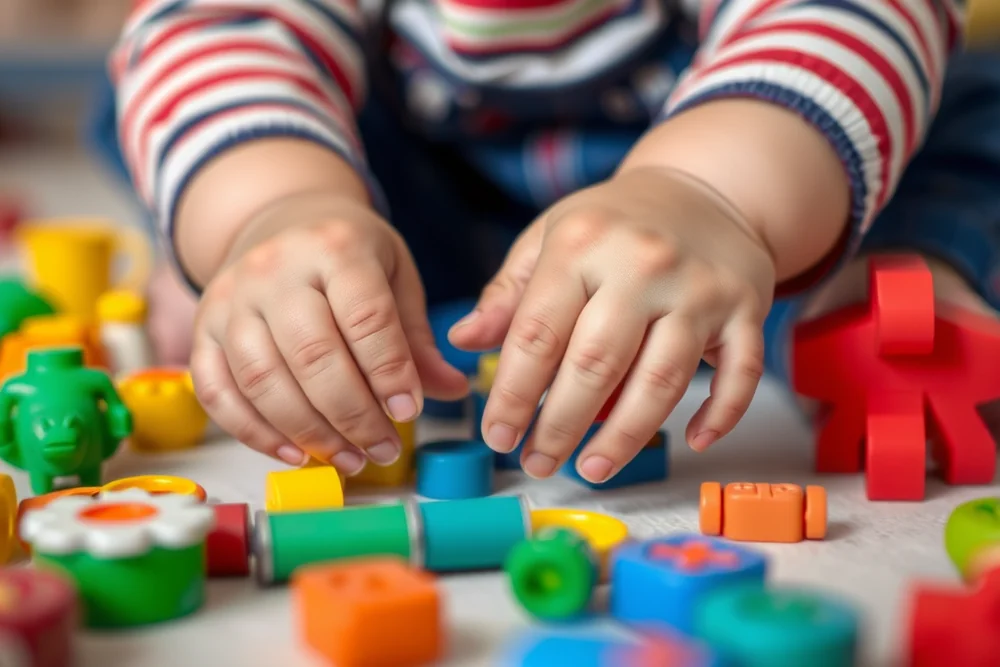
Free play is unstructured and child-led, while play-based learning involves a more intentional approach that blends learning with play. In free play, a child might build a block tower simply for the joy of it. In play-based learning, the parent or educator might guide that same activity to teach concepts like counting, balance, or spatial awareness.
This distinction is important because play-based learning is designed to support specific developmental milestones. For example, a teacher might use a pretend grocery store setup to teach math and literacy skills, while free play would allow the child to explore the environment without any specific learning goals.
I’ve noticed that when I guide my children’s play with learning goals in mind, they make more connections and retain knowledge better. It’s like adding a layer of intention to the fun. That said, free play still has its place and is just as important for emotional and social development.
Play-based learning is like adding a layer of intention to the fun.
Related: Easy play based learning
Related: Game based learning ideas
Related: Play based learning
Related: Sensory Play Tips
Related: Small Play-based Learning Tips
Related: Play-based Learning For Beginners Tips
Related: Affordable Playground Equipment
Related: What Is The Kid N Play Dance
Key Play-Based Learning Activities for Early Childhood
Imaginative play, such as dress-up or pretending to be a doctor, helps children develop social skills and language. Sorting games, like sorting objects by color or size, help with math and categorization. Even simple activities like cooking with your child can teach measurement, counting, and following instructions.
I love using sorting and matching games with my children. We use colored beads, buttons, and even leaves from the backyard. These activities are not only educational but also foster hand-eye coordination and fine motor skills. In a week, my son learned how to sort by size and color, which was a huge milestone for him.
Another favorite is building with blocks or LEGO. This helps develop spatial awareness, problem-solving, and even basic engineering skills. I’ve seen my daughter build entire cities and then explain the layout, which is a great example of how play-based learning can support complex thinking.
1. Build a block city and discuss shapes and structures. 2. Play 'I Spy' to learn colors and shapes. 3. Create a pretend grocery store and count items as you 'shop.' These activities are simple but powerful for learning.
“There’s something magical about watching my daughter build a tower with wooden blocks, only to have it tumble down in a cascade of giggles and…”— TinyRomp editors
How to Support Play-Based Learning at Home
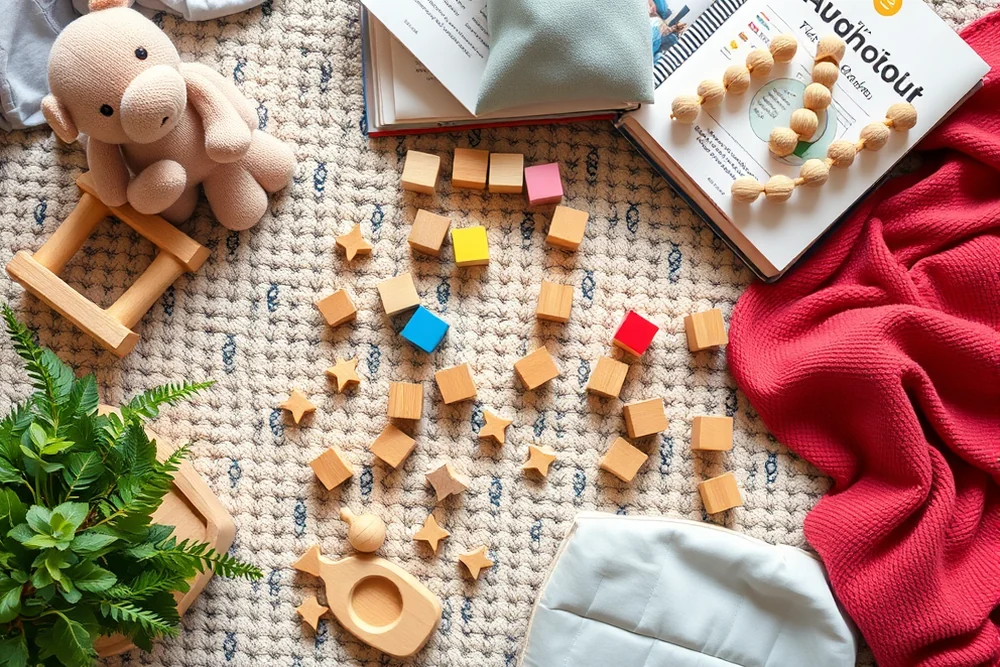
Creating a play-friendly environment with a variety of materials—like art supplies, blocks, and books—is essential for play-based learning. Asking open-ended questions during play helps children think critically and express themselves. Being a play partner by joining in and guiding the play with learning goals in mind can make a big difference.
I’ve found that being a play partner is one of the most effective ways to support learning. When I play with my children, I ask questions like, 'How can we make this bridge stronger?' or 'What shape is that block?' These questions encourage thinking and problem-solving without making it feel like a lesson.
Another way to support play-based learning is by allowing children time to explore and not rushing the process. Letting them make mistakes and figure things out on their own builds resilience and confidence. It’s a balance between guidance and freedom.
The Benefits of Play-Based Learning for Children
Play-based learning helps children develop key cognitive skills like problem-solving, memory, and critical thinking. It also supports social and emotional development by teaching cooperation, empathy, and communication. In addition, it promotes physical development through activities that involve movement and motor skills.
One of the most significant benefits is that play-based learning helps children learn in a way that feels natural and engaging. It reduces the pressure of traditional learning and makes education more enjoyable. Studies show that children who engage in play-based learning are more likely to develop a lifelong love for learning.[3]
I’ve seen the benefits firsthand in my own children. They are more confident, curious, and engaged in learning. They ask questions, solve problems, and express themselves more clearly than ever before. Play-based learning is not just about having fun—it’s about setting the foundation for a lifelong love of learning.
⭐ Classic
The original setup with wooden blocks and sorting materials for a balanced learning experience.
💰 Budget
A cost-effective version using household items like paper, containers, and beads.
⚡ Extra-Fast
A quick setup with just blocks and a few art supplies, perfect for busy days.
✨ Depth
A more advanced version with materials that support complex thinking, like building kits and science toys.
🥗 Light
A simplified version with minimal materials, ideal for younger children or short play sessions.
| The mistake | Why it happens | The fix |
|---|---|---|
| Over-directing the play. | It can make the child feel pressured and reduce their natural curiosity and creativity. | Let the child lead the play and guide them with gentle questions rather than taking over. |
| Ignoring the child’s interests. | It can make the child disengaged and less likely to learn from the experience. | Follow the child’s interests and build on what they find exciting and engaging. |
| Not asking enough questions. | It can limit the child’s thinking and reduce the learning opportunities during play. | Ask open-ended questions that encourage the child to think and explain their actions. |
| Focusing too much on the end goal. | It can make the child feel like the activity is a chore rather than a fun learning experience. | Focus on the process of play and enjoy the journey of learning together. |
Play Based Learning Tips
Common Questions
how does play based learning help children?
how to support play based learning?
play based learning method?
difference between play based learning and free play?
is play based learning effective?
what is play based learning?
what is the difference between play based learning and free play?
how does game based learning help students?
References
- Play based learning Research Papers - Academia.edu (academia.edu)
- PDF Experiences of Kindergarten Teachers Utilizing Play-based Learning ... (files.eric.ed.gov)
- Embracing Learning Through Play - Harvard Graduate School of Education (gse.harvard.edu)
- Play-Based Learning: Evidence-Based Research to Improve Children’s ... (link.springer.com)
- How to promote playful learning: insights from innovative early ... (nature.com)
Cite this guide
TinyRomp (2026). Play Based Learning Tips. https://tinyromp.com/play-based-learning-tips/
Feel free to cite or share this guide.