
Toddler Activities & Play-based Learning Schedules For Beginners
📖 Table of Contents
- How to Create a Play-Based Learning Schedule for Toddlers
- The Best Toddler Activities for Play-Based Learning
- How to Keep Your Toddler Engaged in Learning Activities
- How to Incorporate Learning into Daily Routines
- How to Handle Toddlers Who Resist Play-Based Learning
- How to Know if Your Play-Based Learning Schedule is Working
- How to Adapt Your Schedule as Your Toddler Grows
- Make It Your Way
- Frequently Asked Questions
I remember the day my daughter turned two and refused to sit still for more than 10 seconds. It was a chaotic whirlwind of toddler tantrums and endless 'I want to do it myself' moments. I had no idea how to create a play-based learning schedule that actually worked for my little one. After weeks of trial and error, I discovered that the key was to make learning fun — not forced. Toddlers thrive on play, and when I started incorporating short, engaging activities into our daily routine, everything changed. That’s why this article is for you: if you’re a parent of a toddler who’s new to play-based learning schedules, and you’re looking for real, actionable ideas.[1]
I had to learn the hard way that toddlers don’t respond well to rigid time slots and long, drawn-out lessons. My approach initially involved flashcards, long reading sessions, and structured play that felt more like a classroom than a home. It didn’t work. The turning point came when I replaced my rigid schedule with a more flexible, play-based approach. My daughter began to engage, explore, and even show interest in numbers and letters without me even asking. That’s the power of play-based learning for toddlers, and that’s what I want to share with you.
If you’ve ever felt overwhelmed by the idea of creating a toddler activity schedule, you’re not alone. I understand the chaos and the pressure of raising a little one who is constantly moving, curious, and demanding. But the good news is, you don’t need to be a teacher or an expert to make play-based learning work. With the right activities, a simple schedule, and a little flexibility, you can create a daily routine that supports your toddler’s development without the stress. This article will guide you through exactly how to do that.[2]
Why You'll Love This Play-Based Learning Schedule
- It's designed to match a toddler's natural curiosity and energy levels.
- You don’t need expensive equipment or advanced knowledge to implement it.
- It fits seamlessly into your daily routine without disrupting your family life.
- It helps your toddler develop crucial cognitive, social, and motor skills in a fun way.
How to Create a Play-Based Learning Schedule for Toddlers
As of October 2026, a toddler's attention span is only about 5–15 minutes, so your schedule should reflect that. Start by identifying 2–3 key learning goals, like color recognition, counting, or basic motor skills. Then, choose short, engaging activities that support those goals. For example, you might set aside 15 minutes for sensory play and another 15 minutes for storytelling. These activities should be open-ended and allow your toddler to explore and make choices.[3]
I created a simple daily routine that includes three main blocks: morning exploration, midday play, and evening storytelling. Each block is about 30 minutes long and includes a mix of activities like puzzle-solving, drawing, and music. The key is to keep things varied and to allow my daughter to move freely between activities.[4]
I found that using a visual schedule with pictures helps my toddler understand what to expect. It’s also useful to repeat the same activities every day so they become a familiar part of the routine. This helps toddlers feel secure and encourages them to participate without feeling overwhelmed.
Create a simple visual schedule with pictures or icons of daily activities. This helps toddlers understand what comes next and builds a sense of predictability.
Part of our Toddler activities play based learning routines schedules guide.
The Best Toddler Activities for Play-Based Learning
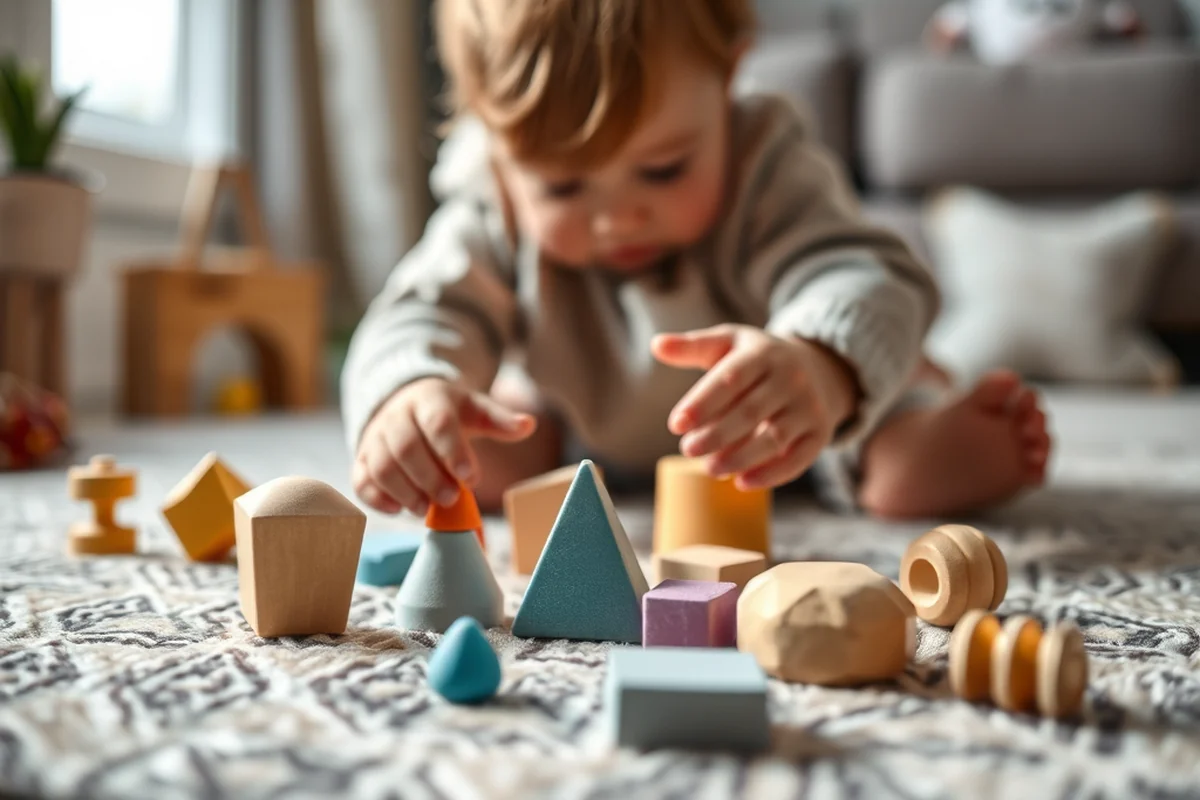
I’ve tried nearly every activity imaginable, from building with blocks to painting and playing with water. What I’ve learned is that sensory activities like playing with sand, water, or clay are incredibly effective for developing fine motor skills and hand-eye coordination. I also found that playing with puzzles and sorting toys helps with problem-solving and classification skills.
Another favorite is storytelling time — I use picture books and let my toddler help turn the pages. This not only builds language skills but also strengthens our bond. Music and movement activities, like dancing to songs or playing simple instruments, are also great for gross motor development and rhythm.
I’ve noticed that when I mix in a variety of activities, my daughter stays engaged longer and is more willing to participate. It’s important to rotate the activities regularly to keep things fresh and exciting.
Play is the language of childhood.
Related: Toddler activities play based learning routines that actually work
How to Keep Your Toddler Engaged in Learning Activities
I found that my toddler is more likely to stay focused if I let her choose the activity first. I give her a few options and let her pick what she wants to do. This simple change made a huge difference in her engagement. I also try to make learning feel like a game — using counting songs or matching games instead of just flashcards.
Another trick is to incorporate movement into learning activities. For example, I use a jump rope to teach counting or a ball to practice throwing and catching. These activities not only make learning fun but also help with gross motor development. I’ve also noticed that my daughter loves pretending — role-playing with kitchen sets, dress-up clothes, and toy phones has helped her develop language and social skills.
I also make sure to keep the environment stimulating but not overwhelming. I avoid clutter and provide only a few toys at a time so she can focus on one activity. This helps build concentration and encourages deeper exploration.
Allow your toddler to choose which activity to do first. This gives them a sense of control and makes learning more engaging for them.
“I remember the day my daughter turned two and refused to sit still for more than 10 seconds.”— TinyRomp editors
Related: Quick toddler activities play based learning routines
How to Incorporate Learning into Daily Routines

I’ve found that the best way to integrate learning into daily life is by making it part of the things we already do. For example, during bath time, I talk about shapes and colors in the soap and the bath toys. While we’re cooking (or pretending to cook), I ask my toddler to help measure ingredients or count how many cups we need.
Even simple tasks like putting away toys or cleaning up can be turned into learning opportunities. I use this time to teach sorting and categorization by asking my toddler to put all the blocks in one bin and the stuffed animals in another. I also encourage counting as we go through the motions.
I’ve noticed that when learning is embedded in daily routines, my toddler doesn’t see it as an extra task — it just becomes part of life. This makes it easier for her to stay engaged and for me to make it a regular part of our day.
Related: Toddler activities play based learning routines schedules on a budget
How to Handle Toddlers Who Resist Play-Based Learning
I’ve had days when my toddler refuses to engage in any learning activity. On those days, I try not to push — instead, I let her play freely and just observe. Sometimes, she’ll surprise me by showing interest in something I didn’t expect. Other times, I take a break and come back to it later with a different approach.
I’ve found that using a ‘choose your own adventure’ approach can be really effective. I ask her what she wants to do first and then guide her gently through the activity. I also try to make learning feel like a game, using props or role-play to make it more engaging.
I’ve also learned that it’s okay for my toddler to not be interested in certain activities. If she’s not into it, I move on. The most important thing is that she feels comfortable and that learning doesn’t become something she resists.
Related: Toddler activities play based learning routines checklist
How to Know if Your Play-Based Learning Schedule is Working
I’ve noticed that my toddler is more engaged in learning activities when they’re part of her interests. For example, if she loves animals, I use animal-themed books and toys to teach her letters and numbers. She’s also more likely to participate when the activities are short and interactive.
Another sign that the schedule is working is when my toddler starts to show progress in specific areas, like recognizing shapes or counting to 10. I’ve also noticed that she’s more willing to try new activities when they’re introduced gradually and with a lot of encouragement.[5]
I’ve found that the most rewarding moments are when my toddler points out letters on signs or recognizes patterns in games. These small successes let me know that the learning is happening and that the schedule is working for her.
Progress doesn’t have to be dramatic — it can be in the little moments.
Related: Affordable toddler activities play based learning routines schedules
How to Adapt Your Schedule as Your Toddler Grows
I’ve noticed that as my toddler has grown, her attention span has increased, and she’s more capable of handling more complex activities. I’ve started incorporating longer activities and introducing new skills like writing, basic math, and problem-solving games.
I also make sure to rotate activities regularly so that they stay fresh and exciting for her. I’ve noticed that if I keep the same routine for too long, she starts to lose interest. So, I try to introduce new activities every few weeks and adjust the schedule accordingly.
I’ve also found that it’s important to follow my toddler’s lead. If she’s showing interest in a new skill or activity, I try to support that and build the schedule around her interests. This keeps the learning fun and engaging for her.
🧸 Gentle Approach
A relaxed schedule that allows your toddler to explore and learn at their own pace, with minimal structure.
🚀 Fast-Track Method
A structured, time-efficient schedule that focuses on short, high-impact learning activities throughout the day.
✈️ Travel/On-the-Go
A flexible, portable approach that allows learning to happen anywhere — in the car, at the park, or during a walk.
👶 Multiple Toddlers
A schedule that works for multiple toddlers, allowing them to play and learn together or separately, depending on their needs.
🔄 Regression Reset
A schedule focused on rebuilding skills and routines when a toddler is going through a developmental regression or setback.
| The mistake | Why it happens | The fix |
|---|---|---|
| Making the schedule too rigid | Toddlers have short attention spans and need flexibility. A rigid schedule can feel overwhelming and lead to resistance. | Create a flexible schedule that allows for changes and spontaneous play. Let your toddler choose activities and adjust the schedule as needed. |
| Overloading the schedule with too many activities | Too many activities can be overwhelming for toddlers and may lead to disinterest or burnout. | Keep the schedule simple and focused on a few key activities that support your toddler’s developmental goals. Rotate activities regularly to maintain engagement. |
| Forcing learning activities | Forcing learning activities can make toddlers feel pressured and resistant to participating. It can also make learning feel like a chore. | Let your toddler choose the activity and make learning feel like a game. Use props, role-play, and creative play to make learning fun. |
| Not adapting to your toddler’s interests | Toddlers are more engaged in learning activities that align with their interests. If the activities don’t match their interests, they may not participate. | Follow your toddler’s lead and use their interests to guide the activities. If they love animals, use animal-themed books and toys to teach them letters and numbers. |
Toddler Activities & Play-based Learning Schedules For Beginners
Common Questions
How often should I change the activities in my toddler’s schedule?
What if my toddler is not interested in any of the activities?
How do I know if my toddler is learning from the activities?
Can I use the same schedule for multiple toddlers?
References
- Sample Daily Schedule | Alice Brown Early Learning Center (adelphi.edu)
- Child Development Program Overview (calliercenter.utdallas.edu)
- Tips for Relying on Routines and Rules - CDC (cdc.gov)
- Supporting Children's Learning Through Play - ChildCare.gov (childcare.gov)
- Early Childhood Program | Child Development Center (childcenter.utexas.edu)
Cite this guide
TinyRomp (2026). Toddler Activities & Play-based Learning Schedules For Beginners. https://tinyromp.com/toddler-activities-play-based-learning-schedules-for-beginners/
Feel free to cite or share this guide.