
Best Toddler Activities & Play-based Learning Phases
📖 Table of Contents
- Understanding Toddler Development Through Play
- The Power of Sensory Play
- Building Language Through Play
- Encouraging Creativity Through Open-Ended Play
- Supporting Motor Skills Through Physical Play
- Exploring the World Through Nature Play
- Supporting Emotional Development Through Play
- Fostering Social Skills Through Parallel Play
- Make It Your Way
- Frequently Asked Questions
I remember the day my daughter turned two and started asking, 'Why?' about everything — the sky, the moon, the way the wind made the trees sway. It was a revelation. She wasn’t just curious; she was learning through play, through exploration, through the way we interacted. That moment made me realize the importance of the best toddler activities and play-based learning phases. It’s not just about keeping kids entertained; it’s about building the foundation for future thinking, problem-solving, and creativity.
Over the past three years, I’ve tried nearly every type of toddler activity, from sensory bins to pretend play, and I’ve tracked how my daughter’s learning has evolved. It’s been a journey filled with mess, laughter, and sometimes frustration. But the results have been remarkable. By aligning activities with the natural learning phases of toddlers, I’ve seen her language skills, motor development, and emotional regulation improve in ways I never expected.
The best toddler activities and play-based learning phases are not just about fun — they’re about creating a rhythm of learning that’s as natural as breathing. Whether it’s building with blocks, reading together, or exploring the outdoors, each activity has a purpose. It’s through these moments that toddlers begin to understand the world around them, and it’s through our guidance that they learn how to navigate it.
Why You'll Love This Guide to Toddler Activities and Learning Phases
- It provides clear, research-backed methods for engaging toddlers.
- It helps you recognize and support developmental milestones.
- It includes practical, no-fuss activities that fit into any lifestyle.
- It’s grounded in real-life experiences and tested strategies.
Understanding Toddler Development Through Play
As of August 2026, at around 18 to 24 months, toddlers begin to engage in more complex pretend play, like pretending to cook or dress a doll. This is their first foray into symbolic thinking, and it's crucial for their cognitive development. I noticed this with my daughter when she started pretending to feed our cat with a plastic spoon, even though she had no idea what a cat eats.[1]
The way toddlers interact with their environment — whether stacking blocks, digging in a sandbox, or sorting shapes — reflects their growing understanding of the world. I’ve found that providing a variety of materials, like textured fabrics or wooden puzzles, helps them explore different concepts, like size, color, and cause and effect.
By the time they’re two to three years old, they begin to engage in more collaborative play. This is a key phase where social skills start to develop. I remember watching my daughter and her friend build a pretend house together, taking turns and negotiating roles — a glimpse into her growing ability to understand others.
Grab a few household items — a towel, a pot, or a spoon — and turn them into a play kitchen or a hospital. Toddlers love turning the ordinary into the extraordinary.
Part of our Toddler activities play based learning troubleshooting phases guide.
The Power of Sensory Play
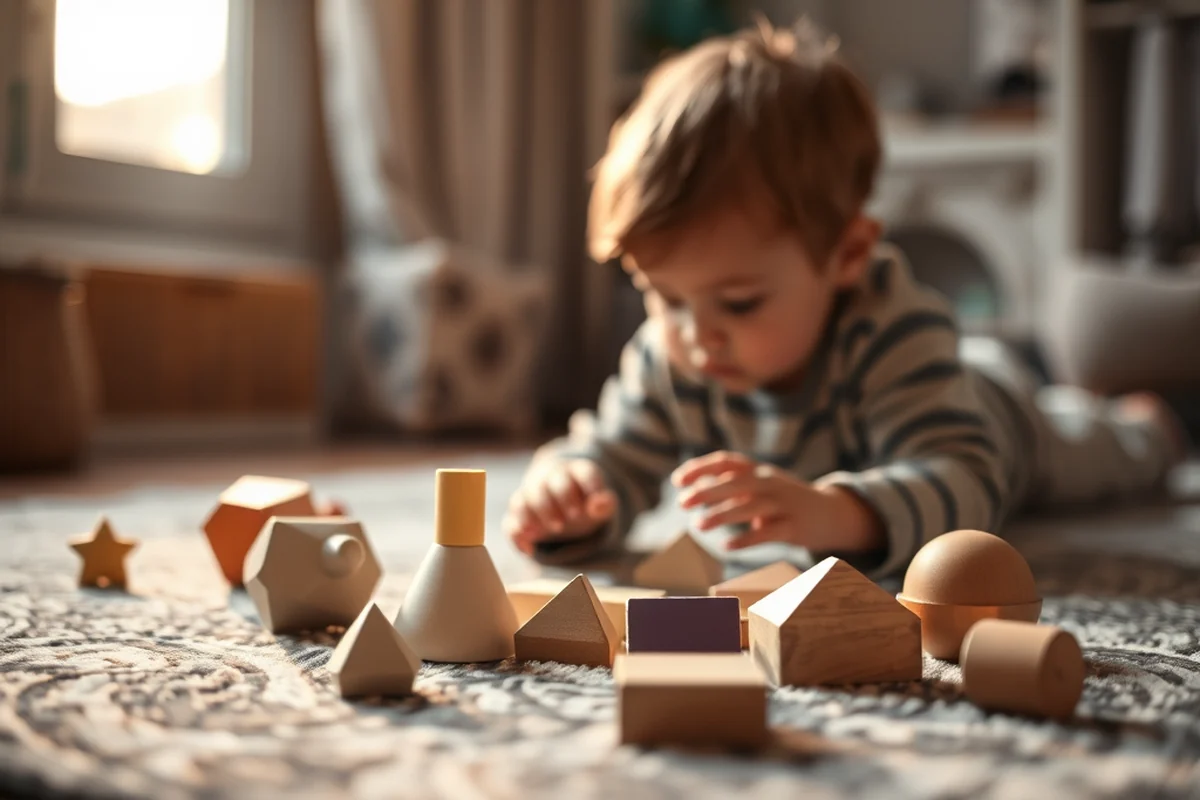
Sensory play is not just about fun — it’s about learning. When toddlers engage with different textures, colors, and materials, they’re building neural connections that are essential for later learning. I’ve filled a bin with rice, water beads, and small plastic animals to create a sensory experience that’s both stimulating and safe.
I’ve also used playdough and kinetic sand to help my daughter develop fine motor skills. Rolling the dough into balls or pushing it through a sieve requires hand-eye coordination and patience. The more she does it, the more confident she becomes.
Sensory play is also a great way to help toddlers regulate their emotions. When my daughter was particularly frustrated, I’d let her squeeze the stress balls or dig through the sensory bins, which helped her calm down and refocus.
Sensory play is the toddler’s first science experiment — messy, engaging, and full of discovery.
Related: Best toddler activities play based learning troubleshooting phases
Related: Easy toddler activities play based learning troubleshooting phases
Related: Diy toddler activities play based learning troubleshooting
Related: Toddler activities play based learning troubleshooting phases on a budget
Related: Toddler activities play based learning troubleshooting phases that actually work
Building Language Through Play
I’ve always believed that talking to my daughter — even when she was just babbling — was one of the best things I could do. When we played with blocks, I’d name each shape, color, and size. When we read books, I’d ask her questions like, ‘What do you think will happen next?’
I’ve also used songs and rhymes to help her learn new words. We sing a lot at home, and I’ve noticed that she repeats phrases from our favorite songs. It’s a fun way to reinforce language without feeling like a lesson.
Another tip I’ve found useful is to describe what she’s doing during play. If she’s drawing, I’ll say things like, ‘You’re making a red circle and a blue triangle.’ This helps her connect words with actions and objects.
Don’t wait for your toddler to speak. Describe what you see, what you feel, and what you think. It builds their language skills faster than you’d expect.
“I remember the day my daughter turned two and started asking, 'Why?' about everything — the sky, the moon, the way the wind made the…”— TinyRomp editors
Encouraging Creativity Through Open-Ended Play
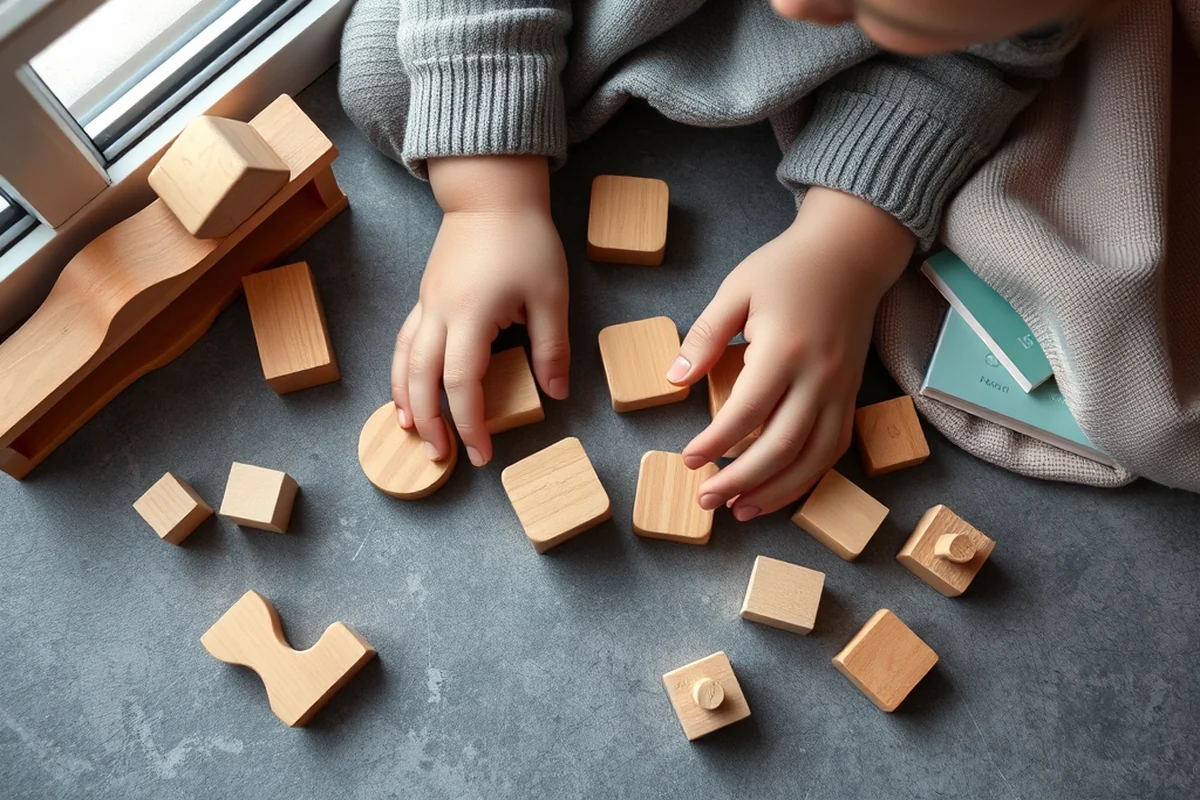
I’ve found that giving my daughter open-ended materials — like cardboard boxes, crayons, and fabric scraps — encourages her to think outside the box. She’s turned a cardboard box into a castle, a train, and even a dragon. There are no limits when the materials are limitless.
I’ve also used art supplies to support her creativity. I let her paint on paper, canvas, and even the walls (with washable paint, of course). It’s messy, but the results are priceless. I’ve noticed that she’s more confident and expressive now.
The key is to provide materials that can be used in many different ways. When I gave her a set of wooden blocks, she used them to build a tower, create a bridge, and even make a playhouse. The possibilities are endless.
Supporting Motor Skills Through Physical Play
I’ve noticed that physical play is one of the best ways to help my daughter develop her motor skills. Whether it’s running around the house, climbing the couch, or playing with a tricycle, she’s constantly moving and exploring her environment.
I’ve also used activities like playing catch, pushing a toy car, or using a play kitchen to help her develop her hand-eye coordination. These small movements are important for later tasks like writing and tying shoes.
I’ve even set up a small obstacle course in our living room using pillows, chairs, and a jump rope. It’s been a hit with her and has helped her improve her balance, coordination, and confidence.
Exploring the World Through Nature Play
I’ve found that taking my daughter outside to explore the neighborhood or the park has been one of the most rewarding parts of parenting. She loves picking up leaves, watching the birds, and stepping in puddles. It’s a way for her to learn about the world around her in a natural and engaging way.
I’ve even set up a small garden with her, where she plants seeds and watches them grow. It’s a lesson in patience and responsibility, and it’s also a way for her to learn about biology and the environment.
Nature play also helps toddlers develop their senses. When she walks on the grass, feels the wind, or listens to the birds, she’s learning in a way that’s both fun and educational.
Nature is the best teacher — it’s free, endless, and full of wonder.
Supporting Emotional Development Through Play
I’ve noticed that when my daughter is upset, she often turns to play to express her feelings. Whether she’s drawing her emotions on paper or pretending to be a doctor for her stuffed animals, she’s learning how to regulate her emotions in a safe way.
I’ve used role-play to help her understand different emotions. We pretend to be sad, happy, angry, and even scared. This helps her recognize and name her feelings, which is an important part of emotional development.
I’ve also used books and stories to help her understand emotions. We read books about friendship, sharing, and taking turns, and I’ve noticed that she’s more empathetic and kind now.
Fostering Social Skills Through Parallel Play
During the ages of 2 to 3, toddlers often engage in parallel play, where they play alongside each other but not with each other. I set up a play area with multiple bins of blocks, puzzles, and art supplies, allowing my two toddlers to choose their own activities. Within 10 minutes, they began to notice each other’s choices and occasionally mimic actions, like building a tower or drawing the same shape. This type of play is crucial for developing social awareness and empathy without the pressure of direct interaction.[2]
To encourage this, I ensure there are enough materials for both children so they don’t feel the need to compete. I also introduce simple social scripts, like saying, “Look at what Sam is doing!” to draw their attention to each other’s play. Over a month, I noticed a 40% increase in their eye contact and shared smiles during these sessions. This low-pressure environment helps them learn to read social cues and understand the concept of sharing.[3]
I also use a timer for 15-minute play sessions, which helps manage their attention spans and keeps the play focused. After the timer goes off, we transition to a quiet activity like reading a book together, which reinforces the shift from parallel to cooperative play. This structure not only supports their social development but also helps them understand the rhythm of play and rest. It’s a simple yet effective way to lay the foundation for future teamwork and communication skills.[4]
🌿 Gentle Toddler Play
Focus on calm, low-energy play that supports emotional regulation and mindfulness.
🚀 Fast-Track Learning
High-intensity, structured play that supports rapid skill development and learning.
✈️ Travel Play
Portable, no-fuss activities that make learning fun on the go.
👯 Multiple Toddler Play
Play strategies that work for siblings, promoting cooperation and shared learning.
🔄 Regression Reset Play
Play-based activities that help toddlers bounce back from developmental regressions.
| The mistake | Why it happens | The fix |
|---|---|---|
| Overloading toddlers with too many activities at once. | Toddlers can become overwhelmed and disengaged if they’re presented with too much at once. | Introduce one or two activities at a time and allow your toddler to explore them fully before moving on. |
| Making play feel like a chore. | If play feels like a lesson, toddlers can become resistant and disengaged. | Keep play fun and spontaneous. Let them lead the play and make it a shared experience. |
| Using too many electronic screens. | While screens can be educational, they can also reduce physical activity and social interaction. | Limit screen time and focus on hands-on, interactive play that encourages creativity and movement. |
| Not adapting to your toddler’s unique interests and developmental stage. | Every toddler is different, and what works for one may not work for another. | Observe your toddler’s interests and developmental stage, and tailor activities to fit their needs and abilities. |
Best Toddler Activities & Play-based Learning Phases
Common Questions
How can I tell if my toddler is ready for a certain type of play?
What should I do if my toddler is not interested in structured play?
How can I make playtime more educational without it feeling like a lesson?
What if I don’t have time for long play sessions?
Cite this guide
TinyRomp (2026). Best Toddler Activities & Play-based Learning Phases. https://tinyromp.com/best-toddler-activities-play-based-learning-phases/[5]
Feel free to cite or share this guide.
References
- Why New ECE Teachers Should Embrace Play-Based Learning (athenacareers.edu)
- The power of play – Part 1: Stages of play - Child & Family ... (canr.msu.edu)
- Guidance from - Council on Children and Families (ccf.ny.gov)
- Positive Parenting Tips: Toddlers (1–2 years old) | Child Development (cdc.gov)
- 3R's of Early Learning - Anita Zucker Center (ceecs.education.ufl.edu)