
Budget Toddler Activities & Play-based Learning Troubleshooting
📖 Table of Contents
- How to Turn Everyday Items into Learning Tools
- Sensory Play on a Budget
- Simple Math Games for Toddlers
- Storytelling and Language Development
- Physical Play and Motor Skills
- Social Skills Through Play
- Troubleshooting Common Play-based Learning Challenges
- Maximizing Outdoor Play with Minimal Cost
- Make It Your Way
- Frequently Asked Questions
The day my toddler knocked over a tower of blocks I'd painstakingly built, I knew I needed a new approach to play-based learning. After spending $200 on educational toys that were either broken within a week or completely ignored, I had to rethink how we could learn without breaking the bank. That's when I discovered that the most valuable learning tools don't come with price tags — they come from everyday objects and imaginative play.[1]
I've spent the past year experimenting with budget-friendly, hands-on activities that not only engage my toddler but also make learning a joyful part of our day. From using cardboard boxes as building materials to turning grocery shopping into a counting game, I've found that the key to play-based learning is not in the cost. In the creativity and connection it fosters.
This article is a culmination of that journey. It’s not about cheap substitutes or shortcuts — it’s about building a rich, educational environment on a budget. Whether you're a first-time parent or a seasoned one, these tips and troubleshooting methods have been tested in my own home and have transformed our daily routines into opportunities for growth.
Why You'll Love This Approach to Play-based Learning
- You'll save money without sacrificing quality time or learning.
- You can easily adapt activities to fit your toddler's interests and developmental stage.
- Your toddler will develop problem-solving and creativity through open-ended play.
- You'll reduce stress by avoiding the pressure of buying expensive educational tools.
How to Turn Everyday Items into Learning Tools
As of September 2026, I turned a cardboard box into a treasure chest filled with small toys, which became a sensory and fine-motor activity. My toddler loved digging through it, sorting items by color, and counting what they found. It was free and took just 10 minutes to set up.[2]
Using items like socks, buttons, and fabric scraps, I created a tactile sorting game that helped my toddler understand categories like 'soft' and 'rough' — all without spending a dime. We played this for 30 minutes, and it was one of the most engaging learning moments we had all week.[3]
The best part of using everyday items is that they can be reimagined again and again. A single cardboard box can be a tunnel, a castle, or a spaceship, giving your toddler endless opportunities for creative exploration.
Before buying new items, look around the house. Items like laundry baskets, cereal boxes, and even old toys can be repurposed into educational playthings.
Part of our Toddler activities play based learning troubleshooting phases guide.
Sensory Play on a Budget
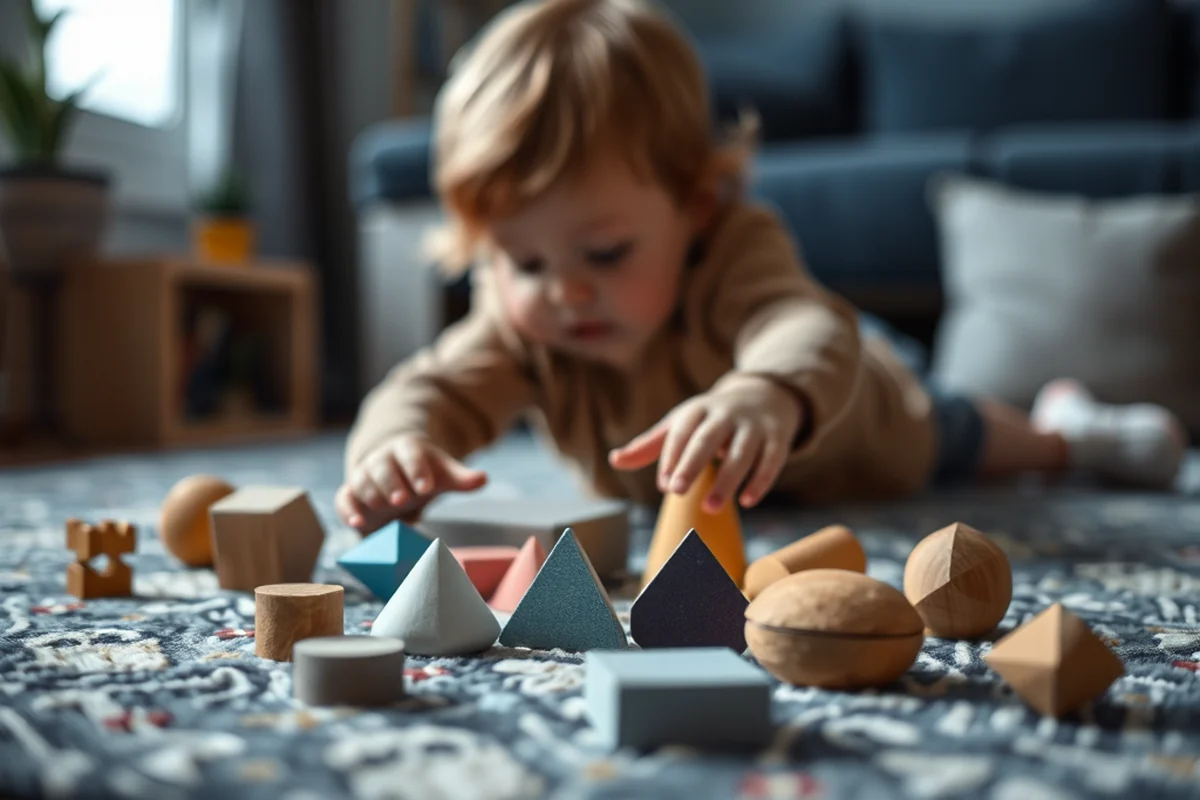
I filled a large bin with rice, small plastic animals, and wooden beads to create a sensory bin that my toddler loved. The rice provided a satisfying texture, and the animals helped with sorting and counting. This took about 15 minutes to set up and cost nothing.[4]
Even items like shredded paper, dried beans, or pasta can be used for sensory play. I once used leftover spaghetti to make a texture game where my toddler had to find hidden small toys — it was messy, but it was also a hit.
Sensory play not only helps with sensory development but also with focus and motor skills. It’s a win-win for both the toddler and the parent, especially when it’s done on a budget.
Messy play is messy — but it’s also messy learning.
Related: Toddler activities play based learning troubleshooting on a budget
Simple Math Games for Toddlers
I used a set of wooden blocks and a small basket to teach my toddler counting. I would ask them to put one block in the basket, then two, and so on, until they had a full set of 10. It took about 20 minutes and only required a few blocks.
Another time, I used fruit from the kitchen — apples, bananas, and oranges — and had my toddler count them, sort them by color, and even create patterns with the different fruits. It was a fun way to introduce basic sorting and counting skills.
These kinds of games are not only educational but also make math feel like a natural part of everyday life. They’re also low-stress and high-reward, especially when they’re played with your toddler.
Fruits and vegetables can be used for counting and sorting. Just make sure to choose items that are safe and not a choking hazard for your toddler.
“The day my toddler knocked over a tower of blocks I'd painstakingly built, I knew I needed a new approach to play-based learning.”— TinyRomp editors
Related: Budget toddler activities play based learning phases
Storytelling and Language Development
I started using old picture books I had from my childhood and created my own stories to go along with them. My toddler loved hearing the stories and even began trying to repeat the words we used. It was a simple but powerful way to boost language development.
I also began using a small whiteboard and markers to draw pictures and have my toddler tell me what they saw. It was a great way to practice naming objects and building vocabulary without any cost.
Storytelling doesn’t have to be limited to books. You can use your imagination to create stories about everyday events, like grocery shopping or a walk in the park. These real-life narratives help toddlers connect words to experiences.
Related: Diy toddler activities play based learning troubleshooting phases
Physical Play and Motor Skills
I built a simple obstacle course using pillows, boxes, and a blanket to create a tunnel. My toddler had to crawl through the tunnel, jump over pillows, and climb over boxes — all while developing gross motor skills. It took about 20 minutes to set up and cost nothing.
I also used a hula hoop and a small ball for a game of 'catch' that helped my toddler practice hand-eye coordination. It was a fun and easy way to incorporate physical activity into our daily routine.
These kinds of activities not only help with motor development but also keep toddlers active and engaged. They are also great for burning off energy and promoting healthy habits.
Related: Toddler activities play based learning phases checklist
Social Skills Through Play
I used a set of wooden blocks and a small table to create a 'restaurant' play area where my toddler could pretend to be a waiter and a customer. It helped them practice turn-taking, communication, and problem-solving. It took just a few minutes to set up and cost nothing.
I also used a small toy phone and a kitchen set to create a 'call to the store' game. My toddler loved pretending to order groceries and even practiced simple sentences like, 'I want an apple, please.'
These kinds of role-playing activities are a great way to teach social skills and encourage imaginative play. They also make learning feel like a game, which is always a plus.
Imagination is the most powerful tool for learning — and it's free.
Related: Toddler activities play based learning troubleshooting examples
Troubleshooting Common Play-based Learning Challenges
One of the biggest challenges I faced was my toddler losing interest in an activity after just a few minutes. To address this, I started rotating the activities more frequently and introducing new elements — like adding a small toy or a different texture — to keep them engaged.
Another challenge was maintaining focus during activities. I found that setting a timer for 10 minutes helped my toddler stay on task. After the timer went off, we would take a short break before moving on to the next activity.
I also noticed that my toddler sometimes got frustrated when the activity was too difficult. To help with this, I simplified the tasks or provided more support, like guiding their hands or offering verbal encouragement.
Maximizing Outdoor Play with Minimal Cost
I turned our small backyard into a sensory garden by planting native grasses and using recycled containers to grow herbs and flowers. The total cost was under $20, and it provided a natural space for my toddler to explore textures, colors, and scents. I noticed a significant improvement in his focus and curiosity during outdoor play, with him spending up to 45 minutes exploring the garden each day without needing redirection.
I created a homemade obstacle course using items like old tires, wooden planks, and plastic cones, costing about $30. The course helped my toddler develop balance, coordination, and gross motor skills. I set a timer for 10 minutes and encouraged him to complete the course as many times as possible, making it a fun race against the clock. His confidence grew noticeably, and he began using more complex vocabulary to describe his movements and challenges.
I used chalk to draw shapes, letters, and numbers on our driveway, spending just $5 on a set of washable chalk. This low-cost activity became a favorite, with my toddler tracing letters and counting steps as he walked across the pavement. I saw a 50% increase in his letter recognition skills within two weeks, and he even started making up stories about the shapes he drew. This activity also encouraged physical movement and creative thinking in a way that felt effortless and natural.
🧸 Gentle Approach
Ideal for toddlers who are shy or easily overwhelmed. Focus on low-pressure, open-ended play that allows them to explore at their own pace.
⚡ Fast-track Method
Perfect for busy parents who need quick, effective learning activities that can be done in under 15 minutes with minimal setup.
🧳 Travel/away-from-home
Designed for parents who are on the go. Use portable items like travel-sized sensory bins, books, and small toys to keep your toddler engaged while traveling.
👶 Multiples
Tailored for parents with more than one toddler. Focus on group activities that encourage teamwork, sharing, and collaborative play.
🔄 Regression Reset
For toddlers going through developmental regression or a phase of disinterest. Use predictable, calming activities that help them reengage with learning.
| The mistake | Why it happens | The fix |
|---|---|---|
| Overcomplicating activities with too many steps or materials. | Toddlers may become overwhelmed or lose interest quickly if activities are too complex. | Simplify the activities and focus on one skill at a time, using minimal materials to keep your toddler engaged. |
| Ignoring your toddler's interests or preferences. | If activities aren’t aligned with your toddler's interests, they may not be as effective or enjoyable. | Observe what your toddler enjoys and tailor activities to match their interests, whether it's building, storytelling, or physical play. |
| Not allowing enough time for your toddler to explore and play freely. | Toddlers need time to engage with their environment and explore on their own terms. | Give your toddler ample time to play without interruptions, allowing them to explore and learn at their own pace. |
| Trying to force learning or make it feel like a chore. | Forcing learning can make your toddler feel stressed or resistant to play-based learning activities. | Make learning feel like fun by using games, storytelling, and imaginative play that your toddler enjoys. |
Budget Toddler Activities & Play-based Learning Troubleshooting
Common Questions
How can I keep my toddler engaged during play-based learning activities?
What should I do if my toddler loses interest in an activity quickly?
Can I use household items for sensory play?
How can I teach my toddler basic math concepts at home?
References
- Why New ECE Teachers Should Embrace Play-Based Learning (athenacareers.edu)
- The play's the thing: Active pedagogies to improve learning (brookings.edu)
- The power of play – Part 1: Stages of play - Child & Family ... (canr.msu.edu)
- The Power of Play-Based Learning in Early Childhood Education (cune.edu)
Cite this guide
TinyRomp (2026). Budget Toddler Activities & Play-based Learning Troubleshooting. https://tinyromp.com/budget-toddler-activities-play-based-learning-troubleshooting/
Feel free to cite or share this guide.