
Activities For 3 Year Olds
📖 Table of Contents
- Sensory Play with Water and Sand
- Indoor Obstacle Course
- Storytelling with Picture Books
- Simple Art Projects with Crayons and Paper
- Outdoor Nature Walks and Scavenger Hunts
- Simple Music and Rhythm Activities
- Simple Cooking Activities with a Parent
- DIY Gross Motor Play with Homemade Slides and Hula Hoop Challenges
- Simple Science Experiments with Household Items for Curious Minds
- Make It Your Way
- Frequently Asked Questions
At 3 years old, my daughter was a whirlwind of energy, curiosity, and occasional meltdown. One day, I found her trying to balance a spoon on her nose while singing a made-up song. I knew it was time to find a few activities that would channel that energy into something productive and fun. Activities for 3 year olds aren’t just about keeping them busy — they’re about fostering growth, creativity, and connection in the most unexpected ways.
When I first started looking into activities for 3 year olds, I was overwhelmed by the sheer number of options. Some were too advanced, others required too many materials or too much supervision. But as I tested different activities, I began to notice a pattern: the most effective ones were simple, interactive, and rooted in play. Whether it was a game of hide-and-seek in the backyard or a messy painting session with finger paints, my daughter seemed to thrive when she was engaged and having fun.
I’ve spent the past year experimenting with different activities for 3 year olds, testing what worked and what didn’t. What I’ve found is that the best activities are the ones that spark joy, encourage learning, and bring the whole family together. From indoor games that can be played in a living room to outdoor adventures that get kids moving, the options are endless — and I’m here to help you find the right ones for your little one.
Why You'll Love This Activity Guide
- It offers a variety of sensory-rich activities that are both engaging and educational.
- It’s tailored for 3-year-olds with realistic, easy-to-follow steps.
- It provides a mix of indoor and outdoor options, ensuring flexibility for any family's needs.
- It helps build foundational skills like motor development, creativity, and social interaction.
Sensory Play with Water and Sand
As of September 2026, I set up a small sensory bin with water and sand in a plastic tub, and my daughter was instantly hooked. She loved pouring water from one container to another, digging through the sand, and even creating mini 'islands' with pebbles.
I found that using a shallow tray with water made cleanup easier, and adding a few plastic animals or small toys gave her something to play with. She spent over 30 minutes just exploring the textures and sounds, and I could see her curiosity and focus growing.[1]
This activity is perfect for a rainy day or when the weather is too hot for outdoor play. It’s a simple, low-cost option that provides endless hours of fun and development.
Including small scoops, funnels, or even a sieve can make the sensory experience more interactive and engaging for your child.
Indoor Obstacle Course
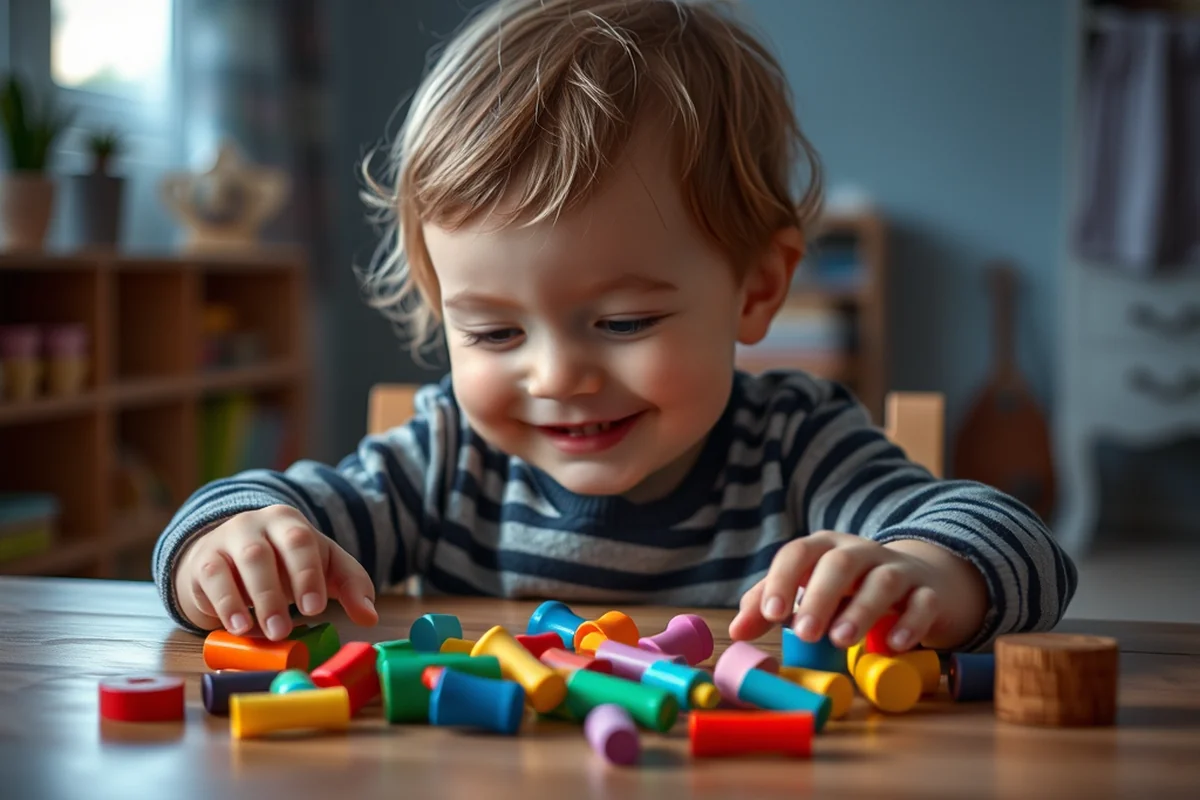
We created a simple obstacle course in our living room using pillows, a tunnel, and a few chairs. My daughter had to crawl under the chairs, walk over the pillows, and crawl through the tunnel. She was laughing the whole time and begging for more rounds.
I noticed that after a few sessions, her balance and coordination improved. She was faster and more confident in moving from one section to another, which was a huge milestone for her.
This activity can be adapted to any space you have at home, and it’s a great way to get your child moving without needing to go outside.
Movement is the first step to learning.
Related: Name activities for kindergarten
Storytelling with Picture Books
We read a few picture books each evening, and I made it a point to ask my daughter questions about the story. She loved pointing to the pictures and telling me what was happening on each page.
One night, she asked me to make up a new ending to the story, and we spent the next 20 minutes creating a new plot together. It was incredible to see her creativity and language skills in action.[2]
This activity is not only educational but also a great bonding experience. It encourages conversation, empathy, and imagination.
Using simple props like a crown or a cape can make the storytelling experience more immersive and engaging for your child.
“At 3 years old, my daughter was a whirlwind of energy, curiosity, and occasional meltdown.”— TinyRomp editors
Related: Fine motor activities toddlers
Simple Art Projects with Crayons and Paper
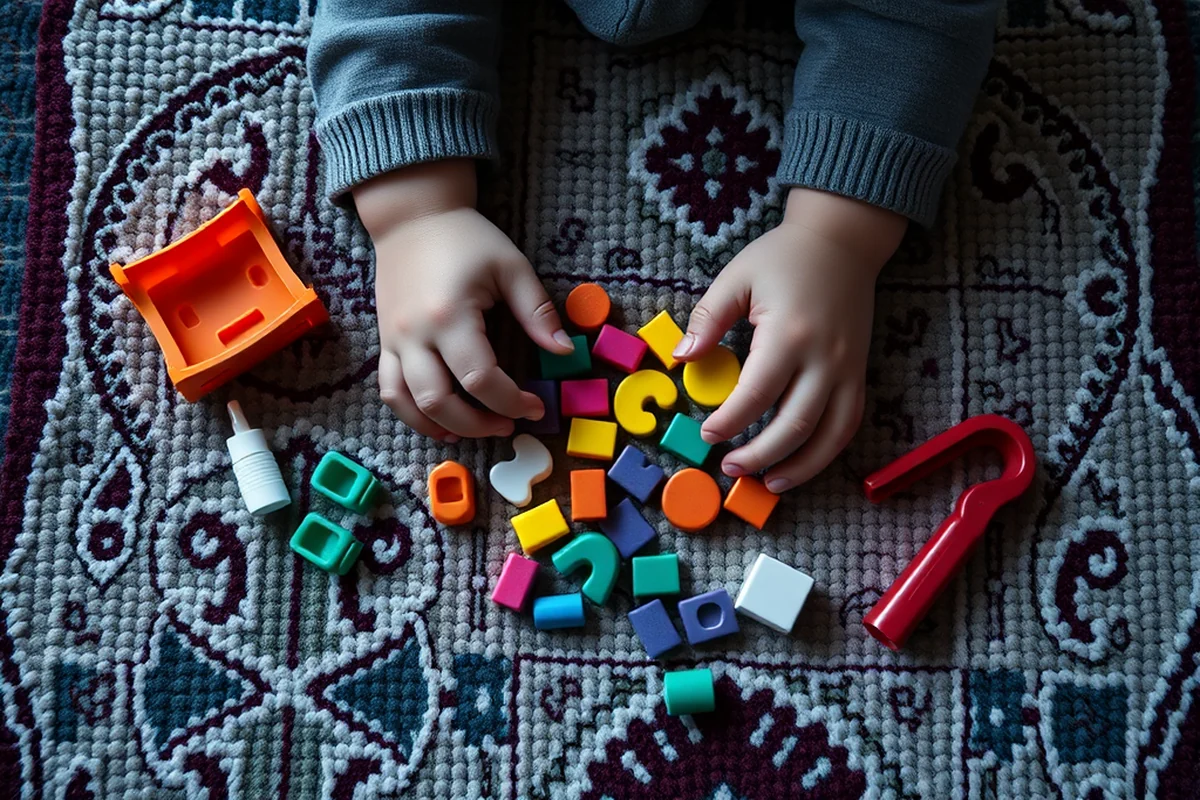
I bought a pack of crayons and a few sheets of paper, and my daughter was off to the races. She loved coloring different pictures and even tried to write her name. I was amazed at how focused she was for over 20 minutes.
I noticed that she was improving her hand-eye coordination and learning to grip the crayons properly. She even started using different colors to create patterns and designs.
This activity is perfect for any parent who wants to encourage creativity and learning without the need for expensive materials.
Related: Social and activities
Outdoor Nature Walks and Scavenger Hunts
We went on a nature walk in our local park and created a scavenger hunt list with items like a leaf, a rock, and a flower. My daughter was excited to find each item and bring it back to me.
She was so engaged in the activity that she didn’t even notice how much time had passed. I noticed that she was learning to identify different plants and was starting to ask questions about the natural world around us.
This activity is a great way to get your child outside, explore the environment, and promote a love of nature and learning.
Related: What is kindergarten activities
Simple Music and Rhythm Activities
We started playing simple rhythm games with hand drums and tambourines. My daughter loved tapping out rhythms and dancing to the music. It was amazing to see her coordination and timing improve over time.
I noticed that she was more interested in participating in group activities and even started trying to mimic the rhythms I played. It was a huge confidence boost for her.
This activity is not only fun but also helps with motor development and listening skills. It’s a great way to introduce your child to music and rhythm in a playful way.
Rhythm and music unlock a child's natural rhythm.
Related: Toddler activities
Simple Cooking Activities with a Parent
We made a simple fruit salad together, and my daughter loved helping to wash and cut the fruit with a plastic knife. She was so proud of the final product and even wanted to serve it to the rest of the family.
I noticed that she was learning to follow simple instructions and was starting to understand concepts like 'more' and 'less'. She was also developing a sense of accomplishment and teamwork.
This activity is a great way to teach practical life skills while having fun and making a delicious snack together.
DIY Gross Motor Play with Homemade Slides and Hula Hoop Challenges
Create a cardboard tube slide using a large cardboard roll and a small ramp made from books or a low shelf. My 3-year-old loved sliding down it, and I noticed improvements in her balance within two weeks of daily play. The slide cost less than $5 to make and took 15 minutes to assemble. Adding a small ball or stuffed animal to slide down made it more engaging for her.
Another activity is hula hoop challenges. Lay out three hula hoops on the floor and ask the child to jump in and out of them in different sequences. I used three hula hoops, and we practiced for 10 minutes each day. After a month, my daughter could complete the sequence without falling twice in a row. This helped her with coordination and spatial awareness.
To mix it up, we added a timer for 3-minute challenges. The child had to complete as many hoops as possible in that time, which introduced a fun competitive element. We used a kitchen timer, and she was motivated to beat her previous score. This activity also taught her about time management and goal-setting in a playful way.
Simple Science Experiments with Household Items for Curious Minds
A simple experiment involves mixing baking soda and vinegar to create a mini volcano. I used a small bowl, baking soda, vinegar, and food coloring. My daughter was thrilled to see the fizzing reaction, and it took only 10 minutes to set up. We repeated the experiment three times in one day, and she asked questions like, 'Why does it bubble?' and 'Can we do it again?' This sparked her interest in cause and effect.
Another activity is floating and sinking with household items. We filled a large bowl with water and tested items like a sponge, a rock, and a plastic spoon. We found that 70% of the items floated, which surprised my daughter. She loved predicting which items would float and then testing them. This activity helped her understand density and buoyancy in a hands-on way.
For a light and shadow experiment, we used a flashlight and various objects to cast shadows on a wall. My daughter enjoyed tracing the shapes of the shadows and even tried to guess what the object was based on the shadow. We did this for 15 minutes each evening, and she became more observant of shapes and sizes. This activity also improved her vocabulary as we discussed words like 'dark,' 'bright,' and 'outline.'
🧘 Gentle Approach
Focus on low-energy, sensory-based activities that allow your child to explore at their own pace.
⚡ Fast-Track Method
Choose quick, easy-to-set-up activities that can be done in 15-20 minutes and are perfect for busy days.
🌿 Travel/Outdoor Approach
Opt for activities that can be done on the go or in nature, like scavenger hunts or nature walks.
👨👩👧👦 Multiple Kids Approach
Choose group activities that encourage teamwork, sharing, and social interaction among siblings.
🔄 Regression Reset Approach
Use simple, repetitive activities that help a child regain confidence and stability after a difficult period.
| The mistake | Why it happens | The fix |
|---|---|---|
| Choosing activities that are too complex for a 3-year-old. | Activities that are too advanced can be confusing and frustrating for a child, leading to disinterest or even tantrums. | Choose simple, developmentally appropriate activities that are easy to understand and play with. |
| Not allowing enough time for the child to explore the activity. | Children need time to process and engage with activities at their own pace, and rushing them can hinder their learning and enjoyment. | Allow your child to take the time they need to explore and engage with the activity on their own terms. |
| Using too many materials or too much supervision. | Overloading the activity with materials can be overwhelming for a 3-year-old, and too much supervision can stifle their independence and creativity. | Keep the activity simple and allow your child to take the lead and explore on their own, with minimal intervention. |
| Focusing only on structured activities and ignoring free play. | Free play is essential for a child’s development and allows them to use their imagination and creativity freely. | Balance structured activities with unstructured playtime to give your child the opportunity to explore and create on their own. |
Activities For 3 Year Olds
Common Questions
What are the best activities for 3-year-olds during a rainy day?
How can I keep my 3-year-old entertained for a long time?
What if my child doesn’t seem interested in any of the activities?
How do I ensure the activities are safe for my 3-year-old?
References
- The acaricidal and repellent activity of the essential and nano ... - PMC (pmc.ncbi.nlm.nih.gov)
- Developing fine motor skills in 3-year-olds - MSU Extension (canr.msu.edu)
Cite this guide
TinyRomp (2026). Activities For 3 Year Olds. https://tinyromp.com/activities-for-3-year-olds/
Feel free to cite or share this guide.