
Easy Toddler Activities & Play-based Learning Schedules
📖 Table of Contents
- What Is Play-Based Learning and Why It Works
- How to Create a Play-Based Learning Schedule
- Using Everyday Objects for Learning
- The Benefits of a Play-Based Learning Schedule
- Making It Work for Your Family’s Rhythm
- How to Handle Toddler Resistance to Learning Activities
- Staying Consistent Without Feeling Overwhelmed
- Incorporating Nature into Daily Play-Based Learning
- Make It Your Way
- Frequently Asked Questions
When my daughter was two, I found myself overwhelmed by the sheer number of activities recommended for toddlers, many of which required expensive materials or hours of prep. I wanted something simple, something that could fit into our chaotic days without adding more stress. That’s when I started experimenting with play-based learning schedules — not as a strict routine. As a flexible, low-effort way to engage her while still having time for myself and the rest of the family.[1]
What I discovered was that the best toddler activities are the ones that use things we already have around the house. Blocks, paper, even household items like spoons and cups can be transformed into learning tools. The magic isn’t in the materials, but in how you use them. And while I wasn’t looking for a full educational curriculum, I did notice improvements in her attention span, language, and creativity — all without a single worksheet in sight.
So, I want to share the easy toddler activities and play-based learning schedules I’ve tested and refined. These are not just activities — they’re tools to build a foundation for learning, curiosity, and joy. And if you’re looking for something that’s flexible, affordable, and doesn’t require a degree in early childhood education, you’re in the right place.
Why You'll Love This Approach
- No need for expensive materials or hours of prep — use what you have.
- Encourages natural curiosity and learning through exploration, not rote memorization.
- Flexible enough to fit into even the busiest days.
- Builds foundational skills like creativity, problem-solving, and language.
What Is Play-Based Learning and Why It Works
As of August 2026, Play-based learning is about using everyday moments — like stacking blocks or sorting toys — to teach skills like counting, color recognition, and language. Unlike structured lessons, this approach follows the child’s lead, making it more engaging and less stressful for both parent and toddler.[2]
Research shows that toddlers learn best when they’re active, not passive. So instead of sitting at a table with a flashcard, they might be rolling a ball and learning about shapes and numbers through movement. It’s about turning the ordinary into the extraordinary.[3]
The best part is that you don’t need a degree in education to make this work. You just need to be present and curious — and maybe a few household items. The results are real: I saw my daughter’s vocabulary expand and her focus increase without ever breaking a sweat.
Don’t overthink it. If your toddler is interested in a toy, let them explore it. You can always guide their curiosity later.
Part of our Toddler activities play based learning routines schedules guide.
How to Create a Play-Based Learning Schedule
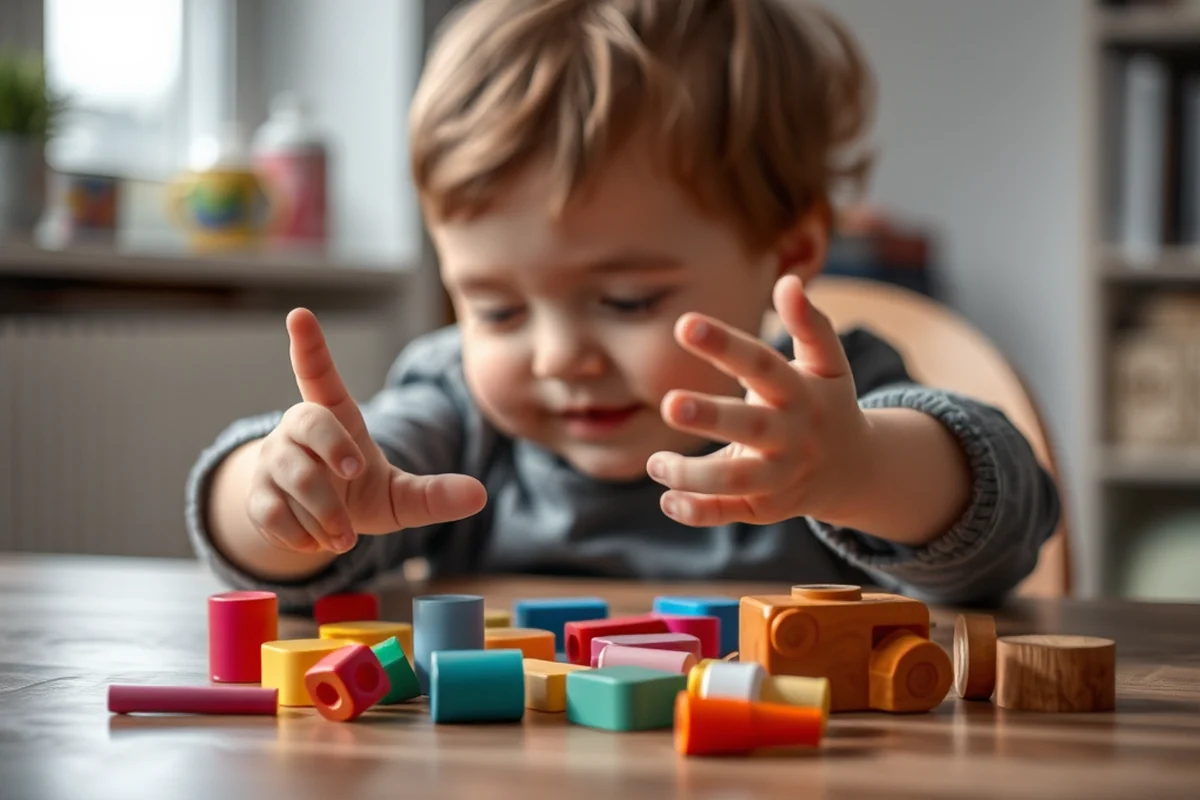
I created a simple daily routine with three main blocks: morning, afternoon, and evening. Each included a few minutes of focused play, a story, and some sensory exploration. The key was to keep it short — about 15-20 minutes — and repeat it every day so it became a habit.[4]
For example, in the morning, we’d do a ‘sorting game’ with different colored blocks, then read a short book. In the afternoon, we’d build something with playdough or cardboard boxes. In the evening, we’d do a ‘mystery object’ game where we’d guess what was in a bag based on touch alone.
It worked because it was predictable but not restrictive. And over time, I noticed my daughter was asking more questions and trying new things — all without me pushing her to do anything.
The best learning happens when it feels like play, not work.
Related: Toddler activities play based learning schedules checklist
Related: Best toddler activities play based learning routines
Related: Budget toddler activities play based learning routines schedules
Related: Diy toddler activities play based learning routines
Related: Toddler activities play based learning routines tips
Using Everyday Objects for Learning
We turned spoons into counting tools by lining them up and asking, ‘How many spoons do we see?’ We used paper towels to practice tearing and ripping, which helped develop fine motor skills. Even a cardboard box became a tunnel for crawling and a stage for imaginary play.
One of my favorites was using fruit to teach colors and shapes. My daughter would pick out a red apple and say, ‘That’s red and round!’ It was so simple, yet it helped her learn vocabulary and classification.
The point is to be intentional about what you’re doing. Even if it seems small, it’s building a foundation that lasts — and it’s all done without buying a single educational toy.
Don’t limit yourself to what’s labeled ‘educational.’ A banana can be a shape, a spoon can be a tool, and a towel can be a prop for dramatic play.
“When my daughter was two, I found myself overwhelmed by the sheer number of activities recommended for toddlers, many of which required expensive materials”— TinyRomp editors
The Benefits of a Play-Based Learning Schedule
I noticed that after a few weeks of using a play-based schedule, my daughter was more confident in her abilities. She was using bigger words, asking more questions, and showing more interest in stories. Her focus was longer, and she wasn’t as easily distracted.
She also became more independent. Instead of waiting for me to help her with everything, she was trying things on her own — like solving a puzzle or stacking blocks by herself. That confidence carried over into other areas of her life, too.
And it wasn’t just her — I felt less stressed, too. I wasn’t trying to teach her everything in one day. I was just being present, and that was enough.
Making It Work for Your Family’s Rhythm
Some days, we’ll have a full schedule with all three play sessions. Other days, we might only have time for one. And that’s perfectly fine. The goal isn’t to be perfect — it’s to be consistent where you can.
I’ve found that even a few minutes of focused play each day makes a difference. It doesn’t have to be long — just enough to spark curiosity and engagement. And if you have a busy day, you can always shift things to the next day.
The most important thing is to stay flexible. If your toddler isn’t interested in an activity, don’t force it. Try something else. The point is to make learning fun, not a chore.
How to Handle Toddler Resistance to Learning Activities
I’ve had days where my daughter would refuse to sit down for a game or read a book. Instead of pushing her, I’d let her choose what she wanted to do — and more often than not, she’d come around when she was ready.
Sometimes, I’d try a different approach. If she didn’t want to sort blocks, we’d play a game where we counted steps or looked for shapes in the room. The goal was to keep it fun and engaging, even if it wasn’t exactly what I had planned.
And sometimes, we just took a break. I’d say, ‘Okay, let’s do this later,’ and move on. It’s not about being strict — it’s about being flexible and responsive to her needs.
When the toddler says no, the parent says, ‘Okay, let’s try something else.’
Staying Consistent Without Feeling Overwhelmed
I found that consistency came down to small, manageable choices. Instead of trying to create a perfect schedule, I focused on one or two activities that we could do every day. That way, we didn’t feel like we were missing out or falling behind.
I also made sure that the activities were something we both enjoyed. If I wasn’t into the activity, it was hard to keep it up. So I picked things that felt like a shared experience, not a task.
And I reminded myself that it’s okay to have off days. Some days, we might just play with blocks or read a book. Other days, we might do nothing at all. The important thing is that we’re trying — and that’s what matters.
Incorporating Nature into Daily Play-Based Learning
I started dedicating 30 minutes each morning to a nature walk with my 2-year-old, collecting leaves, rocks, and flowers. We sorted them by size, color, and texture, which helped her grasp basic categorization skills. This simple activity took only 15 minutes once we streamlined our route, and it became a cherished part of our morning. The exposure to natural elements also improved her focus and mood, as she was more alert and engaged for the rest of the day.
During the week, we used items from our nature walks to create simple art projects at home. We made leaf prints with washable paint and used sticks to practice counting. My toddler learned to count up to 10 within two weeks, and she was excited to show off her skills. This method cost nothing except for the time we invested, but the results were clear and measurable in her progress.
To keep it consistent, I set a reminder on my phone for our daily walks and kept a small basket in the car for collecting items. I also encouraged her to bring something from nature to school, which boosted her confidence and gave her a sense of pride. After three months of this routine, she was able to identify five different types of leaves and could match colors accurately. This low-effort, high-impact approach made learning feel like play, and it was something we could do together every day.
🧸 Gentle Schedule
A flexible, low-stress approach that adapts to the toddler’s mood and energy level each day.
⏰ Fast-Track Schedule
A condensed version of the play-based learning schedule, focusing on quick, high-impact activities to fit into busy days.
✈️ Travel/Away-from-Home Schedule
A portable, minimalist version of the schedule that can be used on the go or in unfamiliar settings.
👶 Multiples Schedule
A version designed for families with more than one toddler, balancing individual and group activities.
🔄 Regression Reset Schedule
A reset plan for when toddlers go through developmental plateaus and need extra support and stimulation.
| The mistake | Why it happens | The fix |
|---|---|---|
| Trying to do too many activities at once | This can overwhelm both you and your toddler and make the learning feel forced. | Focus on one or two key activities each day and build from there. |
| Forcing the toddler to sit through an activity they’re not interested in | This can lead to resistance and make the child associate learning with stress or frustration. | Let them choose when and how they want to engage — and be ready to pivot if they lose interest. |
| Not being consistent with the schedule | Inconsistency can make it hard for the toddler to build habits or focus during learning time. | Try to stick to a routine as much as possible, even if you have to adjust it slightly on busy days. |
| Neglecting your own needs while trying to create a schedule | If you’re exhausted or stressed, it’s harder to stay patient and engaged with your toddler. | Make sure to build in time for yourself — even if it’s just a few minutes of rest or a quick walk. |
Easy Toddler Activities & Play-based Learning Schedules
Common Questions
How long should each play-based learning session be?
Can I use the same activities every day?
How do I know if my toddler is learning from these activities?
What if I have limited time or space?
Cite this guide
TinyRomp (2026). Easy Toddler Activities & Play-based Learning Schedules. https://tinyromp.com/easy-toddler-activities-play-based-learning-schedules/
Feel free to cite or share this guide.
References
- (PDF) Play-Based Learning in Early Years Settings - Academia.edu (academia.edu)
- Sample Daily Schedule | Alice Brown Early Learning Center (adelphi.edu)
- Daily Schedule and Activities | Antioch, CA (antiochca.gov)
- Tips for Relying on Routines and Rules - CDC (cdc.gov)