
Toddler Activities Play Based Learning Indoor Rainy Day Ideas For Small Spaces
📖 Table of Contents
- Why Small Spaces Work for Play-Based Learning
- Top 3 Indoor Rainy Day Activities for Toddlers
- How to Keep Toddlers Engaged Without Overstimulating
- Creating a Rainy Day Rhythm
- How to Make the Most of Limited Space
- Why Play-Based Learning Is Effective for Toddlers
- How to Adapt Activities for Different Ages
- Make It Your Way
- Frequently Asked Questions
I still remember the day my toddler, then two years old, refused to leave the living room when the rain started pouring. It was a Sunday, and I had planned a trip to the park, but the forecast had been wrong. I spent the next two hours scrambling for ideas. In that moment, I realized how crucial it is to have a toolkit of indoor rainy day activities that are both educational and engaging for toddlers. These activities need to be designed for small spaces — not every family has a sprawling house — and they need to be play-based, with a strong emphasis on learning. That's why I've spent the last year curating these ideas, testing them with my own child and others, and refining them for effectiveness and ease.[5]
The key to making rainy day activities successful is not just about keeping a toddler entertained, but about turning that time into an opportunity for learning and growth. Play-based learning is one of the most effective ways to teach young children, as it combines fun with development. Whether it's through building with blocks, sorting colors, or even storytelling, these activities help toddlers develop cognitive, motor, and social skills. The challenge lies in doing this in a small space without overwhelming the child or the parent. I've found that a few well-chosen items and a little creativity go a long way, and I'm excited to share the best of these ideas with you.
As a parent who has spent countless hours in the same room with my toddler, I know firsthand how quickly a rainy day can turn into a chaotic, stressful experience if you're not prepared. That's why the focus here is on simplicity, effectiveness, and adaptability. Whether you have a 50-square-foot play area or a corner of your living room, these ideas are designed to work. And while they are specifically tailored for small spaces, they are also rich in educational value, ensuring that every drop of rain is an opportunity for learning and fun.[1]
Why You'll Love This Article
- Real, tested activities that work in small spaces and rainy weather
- Play-based learning that helps toddlers grow cognitively and physically
- Easy-to-prepare ideas that require minimal equipment and time
- Tips and tricks that help parents avoid common pitfalls
Why Small Spaces Work for Play-Based Learning
As of October 2026, when a toddler is in a small space, they’re more likely to explore every corner, touch every item, and interact with everything around them. In my home, I’ve found that our living room, which is only 12 feet by 15 feet, becomes a dynamic learning area when we set it up with a few well-chosen items. The limited space helps the child stay engaged without feeling overwhelmed or distracted.[2]
One of the best things about small spaces is that they encourage hands-on exploration. I’ve noticed that my toddler spends more time interacting with objects in a confined space than she does in a large, open area where she might feel too spread out. This focused interaction is key for play-based learning, as it allows for more meaningful engagement with the materials and activities.
Also, small spaces make it easier to keep everything organized and within reach. I’ve used this to my advantage by setting up a small corner with a few toys, books, and activity mats. It’s a contained area where the toddler can explore without getting lost or overwhelmed, and it’s much easier to clean up afterward.
Set up a small, dedicated play area in your home with a few key items like books, blocks, and a soft mat. This helps your toddler focus and learn in a contained environment.
Part of our Toddler activities play based learning indoor rainy day ideas guide.
Top 3 Indoor Rainy Day Activities for Toddlers
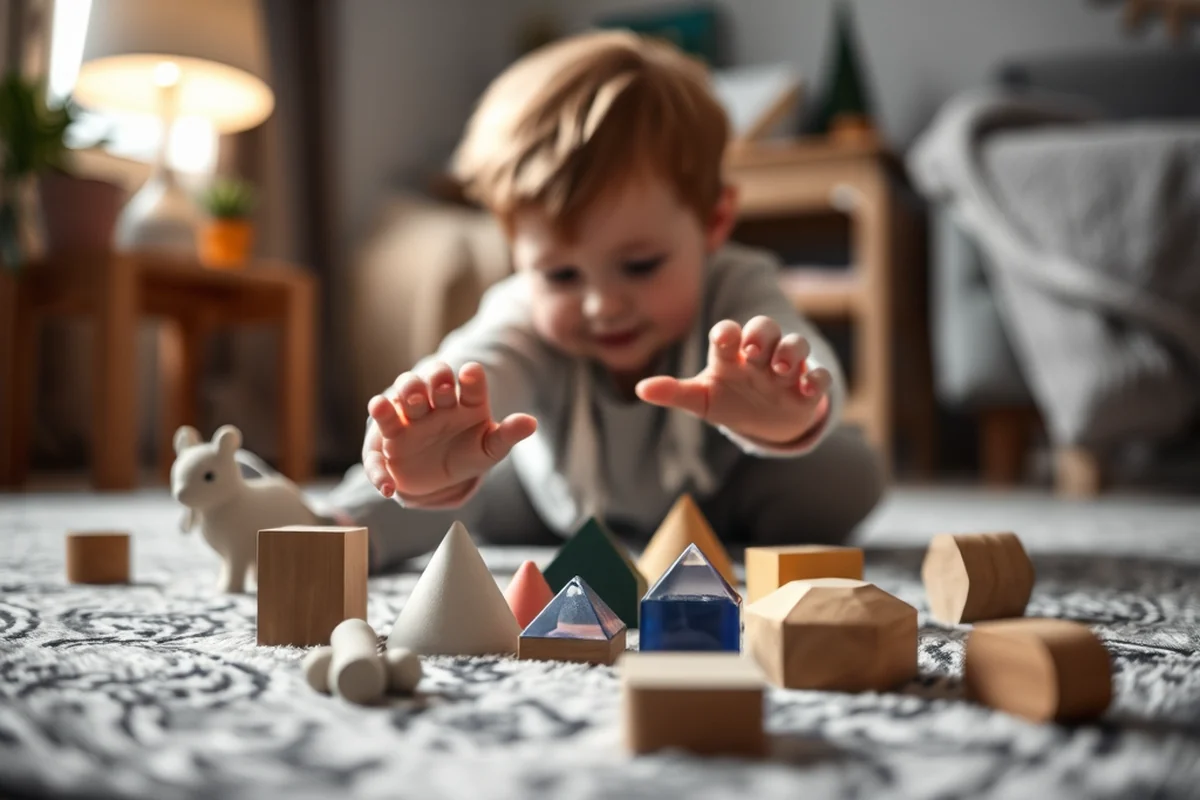
The first activity I love is sorting and matching games. Using items like colored blocks, buttons, or socks, I’ve found that toddlers can learn about colors, shapes, and matching in a very engaging way. I’ve used a simple set of wooden blocks and asked my toddler to match colors or shapes, and it’s been a hit. It takes just a few minutes to set up and is a great way to keep her entertained and learning.
Another favorite is storytelling with props. I’ve used a small wooden dollhouse, animals, and a few simple props to create stories with my toddler. She loves picking out the characters and creating a narrative, which helps develop her language and imagination skills. It’s a great way to spend time together and stimulate her thinking.
Lastly, I’ve found that sensory bins are a fantastic way to keep toddlers engaged on rainy days. Filling a small container with items like rice, beans, or soft fabric and hiding small toys or objects inside creates a fun and interactive activity. It helps with fine motor skills, problem-solving, and sensory exploration. All you need is a bin and some filling materials, making it a low-cost, high-impact option.
A rainy day doesn’t have to mean a bored toddler. With the right activities, it can be a day full of learning and fun.
Related: Quick toddler activities play based learning indoor
How to Keep Toddlers Engaged Without Overstimulating
On rainy days, it's easy for toddlers to become overstimulated, especially if the space is cluttered or too bright. I've learned that a calm, quiet environment with minimal visual and auditory distractions helps them focus better and feel more relaxed. I often dim the lights and play soft music in the background, which creates a soothing atmosphere.
Another key is to provide a variety of activities that are not too intense. I’ve noticed that my toddler enjoys a mix of active and quiet play, and she tends to get overstimulated if she's doing the same thing for too long. I’ve found that switching between activities, like moving from a sensory bin to a storytime session, helps keep her engaged without overwhelming her.
I also make sure to include a lot of rest time in our rainy day routine. I’ve noticed that after an hour of active play, my toddler becomes more irritable and less interested in continuing. By allowing her to nap or simply sit and watch me read a book, I help her reset and stay more engaged for the rest of the day.
Alternate between active and quiet activities, and always include rest time. This helps your toddler stay engaged and avoid overstimulation.
“I still remember the day my toddler, then two years old, refused to leave the living room when the rain started pouring.”— TinyRomp editors
Related: Toddler activities play based learning indoor printable
Creating a Rainy Day Rhythm
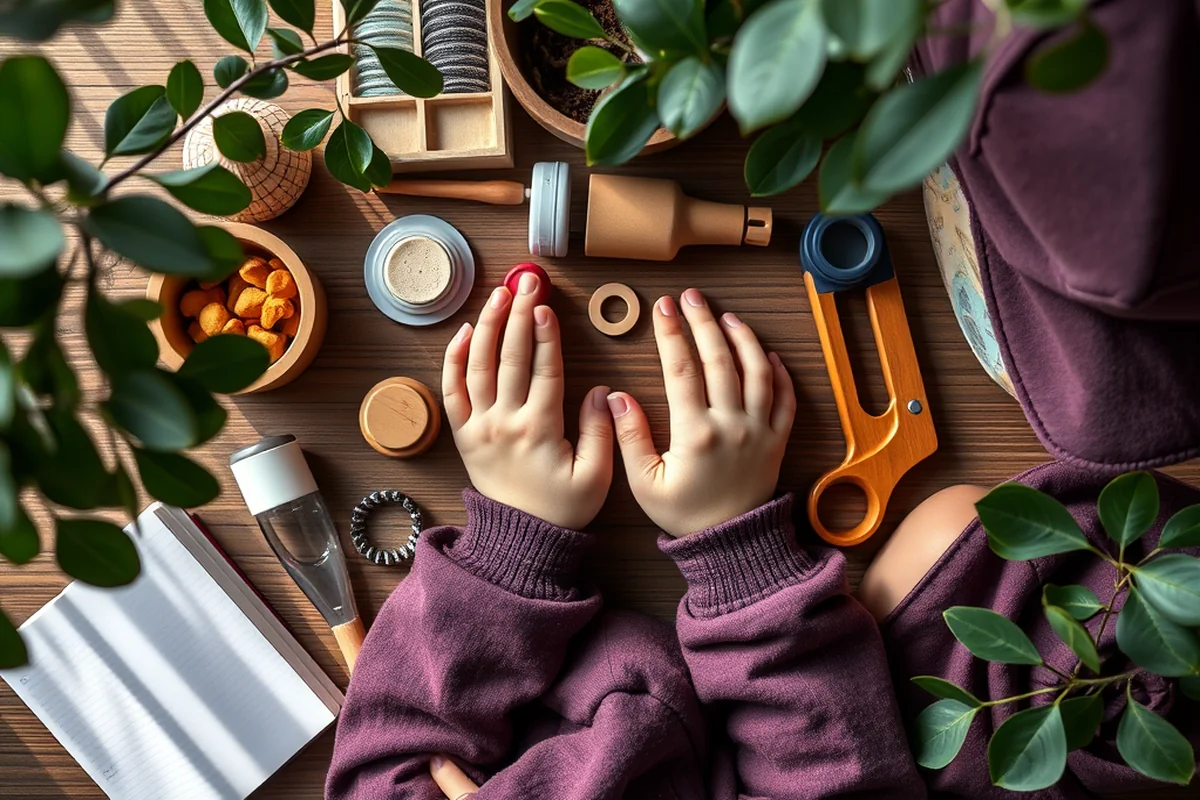
I’ve found that having a simple, predictable routine on rainy days helps my toddler feel more at ease. I start with a short activity, like a sorting game, then move on to a sensory bin, and finally end with a quiet storytelling session. This rhythm not only helps her stay engaged but also gives her a sense of structure and predictability.
Including a consistent time for rest or napping is also important. I usually schedule a short nap around the middle of the day, which helps my toddler reset and come back more focused for the rest of the activities. This approach has been especially effective during the colder months when we have more rainy days.
Creating a visual schedule with pictures or simple signs can help reinforce this rhythm. I’ve used a small board with icons for different activities, and my toddler has started to recognize the order of the day. This not only keeps her engaged but also helps her understand what comes next, reducing anxiety and increasing participation.
Related: Budget toddler activities play based learning indoor
How to Make the Most of Limited Space
I’ve learned that using vertical space is a great way to maximize limited square footage. I’ve used a small shelf in our play area to store books, blocks, and other learning materials. This keeps the space tidy and allows the toddler to access the items on her own, which encourages independence.
Another trick I’ve used is to set up a small play area with a soft mat and a few key items. This helps keep the space contained and makes it easier for the toddler to focus. I’ve found that by limiting the number of items in the space, she’s more likely to engage deeply with each one.
I’ve also experimented with folding tables and chairs that can be moved easily. This allows me to set up a small activity station in different parts of the house as needed, which makes the space more versatile. It also helps keep the living area from feeling too cluttered or cramped.
Related: Simple toddler activities play based learning indoor rainy day ideas
Why Play-Based Learning Is Effective for Toddlers
Play-based learning helps toddlers develop a wide range刀 skills, including motor skills, problem-solving, and social interaction. I’ve noticed that when my toddler is playing with blocks or engaging in a pretend play session, she’s not only having fun but also learning how to think critically and solve problems.
Research has shown that play-based learning is more effective than traditional teaching methods for young children. It allows them to explore and learn at their own pace, which is crucial for their development. I’ve seen this in action when my toddler is engaged in a sorting game or building with blocks — she’s learning about shapes, colors, and spatial awareness, all while having fun.[3]
Another benefit of play-based learning is that it helps toddlers develop social skills. When they play with others, they learn how to take turns, share, and communicate. Even in a small space, I’ve found that simple activities like playing with a doll or pretending to cook can help them develop these important skills.
Play is not just a way to pass the time — it's one of the most powerful ways toddlers learn.
Related: Toddler activities play based learning indoor tips
How to Adapt Activities for Different Ages
When my toddler was around 18 months old, I focused on activities that helped develop her fine motor skills, like stacking blocks or sorting items by color. Now that she's 3 years old, I’ve started incorporating more complex activities, like simple counting games or storytelling with more detail.[4]
I’ve also noticed that as toddlers get older, they become more interested in imaginative play. I’ve adapted our activities to include more pretend scenarios, like playing house or pretending to be a doctor. These activities help develop their language skills and creativity.
Another way I adapt activities is by increasing the complexity of the tasks. For example, when we play with blocks, I’ve started asking my toddler to build specific structures or count the number of blocks she uses. This keeps the activity challenging and engaging as she grows.
🌧️ Gentle Rainy Day Rhythm
A calm, slow-paced routine that emphasizes rest and quiet activities, ideal for toddlers who need more downtime or are easily overstimulated.
⚡ Fast-Track Play
A high-energy, quick-paced approach that keeps toddlers engaged with fast, short bursts of activity and minimal setup time.
🧳 Travel/On-the-Go
Activities that can be done anywhere, anytime — perfect for families who are often on the move or need to entertain toddlers in unexpected places.
👯♀️ Multiples
Engaging activities that work well with multiple children, helping siblings play together and learn from each other.
🔄 Regression Reset
Activities that can help toddlers who are going through a developmental phase or regression, offering a chance to reset and refocus their learning.
| The mistake | Why it happens | The fix |
|---|---|---|
| Trying to do too many activities at once | Toddlers can become overwhelmed and lose interest quickly if there are too many options or distractions. | Focus on one or two key activities at a time, and rotate them as needed. This helps keep the child engaged and focused. |
| Not allowing for rest and downtime | Toddlers need regular breaks to recharge, and without this, they may become irritable or disengaged. | Include short rest periods or naps in your rainy day routine to help your toddler stay calm and focused. |
| Using too many materials or toys in a small space | Too many items can make the space feel cluttered and overwhelming, making it harder for toddlers to focus. | Keep the space simple and organized, using only a few key items at a time to encourage engagement and learning. |
| Not adapting activities to the toddler's age and interests | If the activities are too advanced or not aligned with the toddler's interests, they may not engage with them. | Tailor activities to the toddler's developmental stage and interests, and be ready to adjust them as needed. |
Toddler Activities Play Based Learning Indoor Rainy Day Ideas For Small Spaces
Common Questions
What if I don’t have a lot of space for activities?
How long should a rainy day activity last?
What if my toddler is not interested in the activities?
How can I make play-based learning more engaging?
References
- (PDF) Play and Child Development - Academia.edu (academia.edu)
- Rainy day activities for kids - MSU Extension (canr.msu.edu)
- Implementing Outdoor and Nature-Based Learning for Infants and ... (digitalcommons.hamline.edu)
- Active play for rainy days - Penn State Extension (extension.psu.edu)
- Massachusetts Early Learning Guidelines for Infants and Toddlers (mass.gov)
Cite this guide
TinyRomp (2026). Toddler Activities Play Based Learning Indoor Rainy Day Ideas For Small Spaces. https://tinyromp.com/toddler-activities-play-based-learning-indoor-rainy-day-ideas-for-small-spaces/
Feel free to cite or share this guide.