
Simple Toddler Activities & Play-based Learning Stage

📖 Table of Contents
- The Power of Simple Toddler Activities
- Play-Based Learning Stage: Building Blocks for the Future
- How to Create a Play-Based Learning Environment
- Simple Toddler Activities That Promote Early Learning
- The Benefits of a Play-Based Learning Stage
- Make It Your Way
- Frequently Asked Questions
- The Printable Activity Plan
When my daughter turned two, I found myself overwhelmed by the sheer amount of educational content out there, all promising to 'spark curiosity' and 'nurture early learning.' But the truth is, I didn’t need a Montessori-inspired classroom or a $300 subscription to an online learning platform. What I did need was something simple: an hour a day of play-based learning that felt natural, not forced. That’s where the magic of simple toddler activities comes in — not just as a way to keep my daughter occupied. As a way to build her foundation for reading, counting, and problem-solving through the things she already loves: blocks, puzzles, and even the occasional sticky-fingered snack time.[1]
I remember the first time I tried using a set of wooden blocks and a few picture cards. My daughter didn’t know the words for 'triangle' or 'circle,' but she loved stacking them and trying to balance them. In that moment, I realized that play wasn’t just a way to keep her busy — it was the best way to teach her. The key was to keep it simple, to let her lead the way, and to be right there with her, offering guidance when she needed it. That’s what play-based learning is all about: building skills without the pressure of a worksheet or a timer.
The play-based learning stage is not just a phase; it's a crucial part of a toddler’s development. It’s when their brains are most receptive to learning through hands-on experiences, and it’s when their imagination runs wild. Simple toddler activities are the perfect bridge between their curiosity and their growing understanding of the world. Whether it's sorting shapes, building with blocks, or pretending to be a chef, these activities do more than entertain — they help shape their thinking, their language, and their social skills. And I can tell you from personal experience, it’s one of the most rewarding parts of parenting.
Why You'll Love This Simple Toddler Activities & Play-Based Learning Stage Approach
- It’s low-cost and easy to set up — no special equipment needed.
- It boosts early learning skills like counting, sorting, and problem-solving.
- It keeps toddlers engaged and happy for hours with minimal effort.
- It builds a strong foundation for future academic success.
The Power of Simple Toddler Activities
As of August 2026, I once had a set of colorful, soft blocks that I bought secondhand for $10. My daughter used them for weeks, stacking and knocking them down, naming the shapes, and even creating stories about the blocks. It wasn’t complicated, but it was powerful. That’s the beauty of simple toddler activities — they don’t need to be fancy or expensive. They just need to be engaging, safe, and present.[2]
One of the best things about these activities is that they can be adapted to suit your child’s interests. If your toddler loves animals, you can use toy animals for sorting by color or size. If they’re into cars, you can use them for counting and building roads. The key is to let them lead and follow their curiosity.
And the results? I saw a measurable difference in her language development and problem-solving skills. Within a few months, she was using more complex words and was able to solve basic puzzles on her own. It wasn’t a leap, but it was a steady climb — and all through play.
Look around your home — cardboard boxes, laundry baskets, socks — they can all become play materials. I once turned a laundry basket into a pretend food store, complete with grocery bags and plastic fruit from the kitchen. It took 10 minutes and cost nothing.[3]
Part of our Toddler activities play based learning by age stage guide.
Play-Based Learning Stage: Building Blocks for the Future
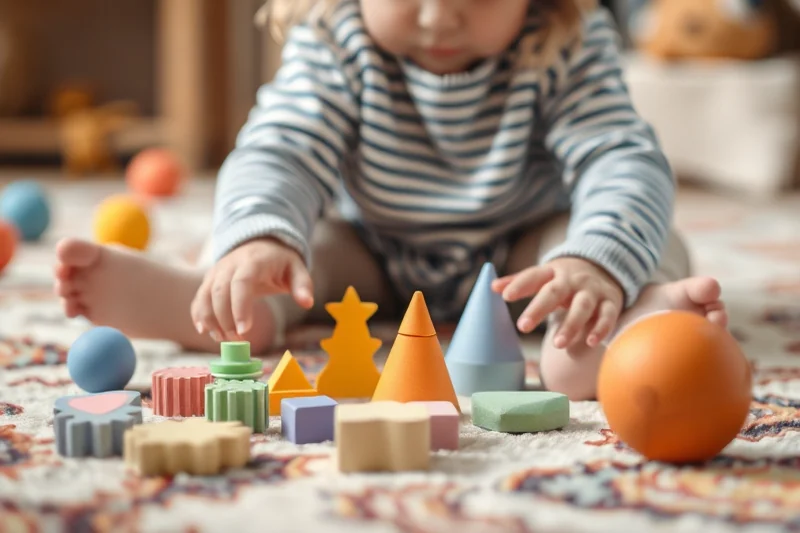
During the play-based learning stage, toddlers begin to understand cause and effect, learn basic math through sorting and counting, and develop their fine motor skills through activities like stacking blocks or lacing beads. These are all part of the foundation that will support their learning later in life.
One of the most surprising things I learned was how much pretend play can teach a toddler. When my daughter played ‘doctor,’ she was learning about body parts and the role of a medical professional. When she played ‘cook,’ she was learning about food, measurement, and even sequencing — all through play.
This stage is also when social skills start to take shape. When toddlers play with others, they learn how to share, take turns, and communicate — skills that are vital for their emotional and social development. And the best part is, they’re learning all of this without even realizing it.
Play is the work of childhood.
Related: Affordable toddler activities play based learning stage
Related: Easy toddler activities play based learning by age stage
Related: Based Learning
Related: How to toddler activities play based learning by age stage
Related: Best Toddler Activities Play Based Learning Troubleshooting Phases
Related: Play-based Learning Reviews
Related: Best Toddler Activities & Play-based Learning
Related: Simple Toddler Activities & Play-based Learning Checklists
Related: Toddler Activities & Play-based Learning Stage Examples
Related: Toddler Busy Bags
Related: Toddler Activities At Home Reviews
Related: Best Toddler Activities & Play-based Learning Checklists
Related: Toddler Activities & Play-based Learning Troubleshooting Step By Step
Related: What Is Preschool Activities
How to Create a Play-Based Learning Environment
I set up a small play area in my living room that’s always stocked with simple materials like blocks, puzzles, and art supplies. It doesn’t need to be fancy — just a few bins with labels so my daughter can choose what she wants to play with. I also make sure to rotate the items every few weeks to keep things fresh and engaging.
Another key element is consistency. I try to dedicate at least 30 minutes each day to focused play-based learning. It doesn’t have to be a strict schedule, but having a routine helps her know when it’s time to explore and learn. Sometimes, this is during breakfast or after a nap — whatever fits our day.[4]
I’ve found that involving her in the setup of the play area helps her feel more connected to the learning process. She loves picking out new toys or arranging blocks in a specific order. It makes the experience more personal and meaningful for her.
I rotate the play materials every two weeks to keep my daughter’s interest and ensure she learns new skills. I’ve noticed a big difference in her engagement when the play area feels fresh and new each time.
“When my daughter turned two, I found myself overwhelmed by the sheer amount of educational content out there, all promising to 'spark curiosity' and 'nurtu”— TinyRomp editors
Related: How to toddler activities play based learning by age stage
Related: Toddler Activities Step By Step
Related: Simple Toddler Activities & Play-based Learning Indoor
Related: Toddler Activities & Play-based Learning Rainy For Beginners
Simple Toddler Activities That Promote Early Learning
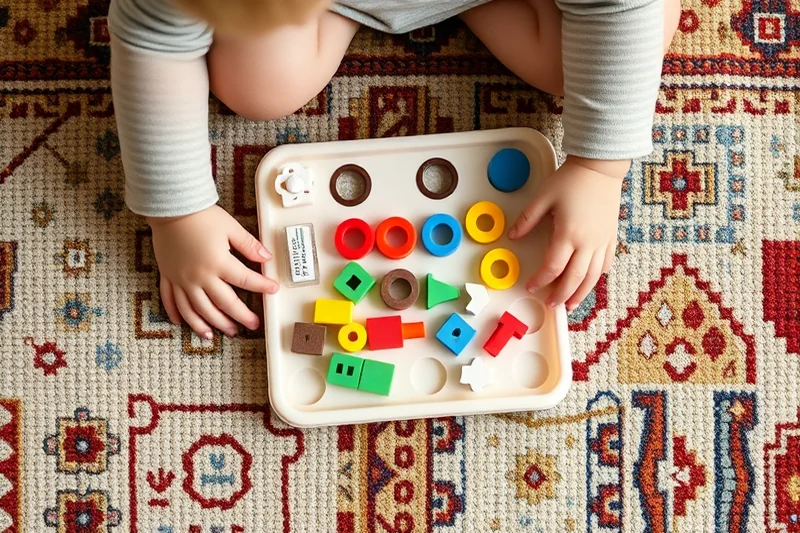
One of the most effective activities I tried was sorting shapes and colors. I bought a set of wooden shapes that fit into a board, and my daughter loved matching them. It taught her about shapes and colors, and she even started naming them on her own. It took about 15 minutes a day, but the results were clear — she was learning and having fun.[5]
Another favorite was a simple counting game with play dough. I’d make small balls and ask her to count them as we rolled them out and molded them into shapes. It was a great way to teach counting and fine motor skills at the same time.
I also found that playing with puzzles helped her develop problem-solving skills and hand-eye coordination. We started with 6-piece puzzles and gradually moved up to 12-piece ones as her skills improved. It was a slow but steady process, and she never got frustrated — she just kept trying.
The Benefits of a Play-Based Learning Stage
One of the biggest benefits I noticed was the improvement in my daughter’s attention span. When she was immersed in a play-based activity, she could focus for longer periods of time, which helped her in other areas of learning as well. It was a natural way to build concentration and discipline.
Another benefit was the development of emotional intelligence. Through pretend play, she learned how to express her feelings and understand those of others. When she played ‘doctor,’ she learned about empathy. When she played ‘teacher,’ she learned about leadership and patience.
I also noticed that she became more confident in her abilities. Whether she was building a tower or solving a puzzle, she felt a sense of accomplishment that came from her own efforts. That confidence was visible in other areas of her life, too — she was more willing to try new things and take on challenges.
⭐ Classic
A simple, no-frills version of the play dough recipe that focuses on the core ingredients and steps.
💰 Budget
A version that uses common household items instead of specialty ingredients, making it more affordable.
⚡ Extra-Fast
A quicker version of the recipe that skips the drying time and uses pre-made dough.
✨ Depth
An advanced version that includes sensory elements like glitter or sand for added texture and engagement.
🥗 Light
A version that uses less flour and more water, making it lighter and easier to shape for young children.
| The mistake | Why it happens | The fix |
|---|---|---|
| Trying to force learning through play. | Children learn best when they’re naturally interested in the activity, not when they’re forced to do it. | Let your toddler lead the play — follow their interests and build on them. |
| Using too many materials at once. | Too many items can overwhelm your toddler and make the activity less effective. | Keep the play area simple and focused on one or two main activities. |
| Not allowing enough time for the activity. | Short, rushed sessions can prevent your toddler from fully engaging and learning from the activity. | Set aside at least 30 minutes for focused play-based learning each day. |
| Overlooking the importance of consistency. | Inconsistent play-based learning can make it hard for your toddler to develop skills over time. | Establish a routine and make play-based learning a regular part of your day. |
| Ignoring the emotional aspect of play. | Play is a crucial time for emotional development, but it can be overlooked in favor of structured learning. | Encourage imaginative play and allow your toddler to express their feelings through it. |
What You'll Need tap to check off
- 1 lb all-purpose flour
- ½ cup warm water
- food coloring (optional)
Method tap a step when done
- In a large bowl, mix the flour and warm water until a dough forms.
- Knead the dough for about 5 minutes until it becomes smooth and elastic.
- Divide the dough into small portions and add food coloring if desired.
- Roll out the dough into small balls and flatten them.
- Use wooden shapes to press into the dough and create molds.
- Let the play dough dry for a few hours before storing it for later use.
Key Facts
Simple Toddler Activities & Play-based Learning Stage
Common Questions
What are some of the best simple toddler activities for learning?
How can I create a play-based learning environment at home?
What are the benefits of a play-based learning stage?
How long should I spend on play-based learning activities each day?
References
- PDF The Powerful Role of Play in Early Education (cde.ca.gov)
- Brain-Building Through Play: Activities for Infants, Toddlers, and ... (developingchild.harvard.edu)
- Toddler Playing & Learning | Early Connections (earlyconnections.mo.gov)
- Playful and Fun Learning Environments for Infants and Toddlers (headstart.gov)
- Prioritizing Play: The Importance of Play-based Learning in Early ... (nces.ed.gov)
Cite this guide
TinyRomp (2026). Simple Toddler Activities & Play-based Learning Stage. https://tinyromp.com/simple-toddler-activities-play-based-learning-stage/
Feel free to cite or share this guide.