
Toddler Activities & Play-based Learning Stage For Small Spaces
📖 Table of Contents
When my daughter turned two, our small apartment suddenly felt like a maze of toys, crayons, and nowhere to breathe. The space was tight, the time was limited, and the only thing I was certain of was that I couldn’t afford to buy a new house. I needed toddler activities and play-based learning that could thrive in small spaces, and quickly. The challenge was real, but so was the possibility of turning every corner into an opportunity for learning and growth. I spent weeks testing different setups and found that the right tools could transform a cramped room into a dynamic, engaging environment for my child — and for me, too.
I remember one day, standing in the middle of my living room, trying to balance my toddler’s curiosity with the reality of my tiny space. It was then that I realized that play-based learning doesn’t require a lot of room — just creativity, intention, and a few well-chosen items. I started to experiment with stacking blocks, sorting games, and even using the hallway for movement-based learning. Each day brought a new revelation, and each revelation brought a new sense of control over the chaos that can accompany toddler life in a small space.
What I discovered was that the key to play-based learning in small spaces lies in the details — the way a rug is placed, the height of a shelf, the type of materials used. It’s about maximizing every inch of space while keeping the environment safe, stimulating, and tailored to the unique developmental stage of a toddler. With the right approach, even the smallest apartment can become a hub of learning and discovery, and I’m here to share exactly how.[1]
Why You'll Love This Play-Based Learning Approach
- Maximizes learning without needing a large space
- Encourages creativity and problem-solving from a young age
- Adaptable to any room, no matter how small
- Supports emotional and cognitive development simultaneously
How to Make a Play Space in a Small Room
As of October 2026, I found that a play area in a small space doesn’t need to be elaborate. A small corner with a soft mat, a low shelf for books, and a few open-ended toys can become a daily learning hub. I tested this by dedicating a 3-by-4-foot corner of my living room and found that it was enough for my daughter to explore, read, and build for hours.[2]
The key was to keep everything within reach. I placed the most frequently used toys at her eye level, and I made sure that the space was clear of any hazards. I also used storage bins with clear labels so that she could find what she wanted without help. This setup not only encouraged independence but also helped me feel less overwhelmed by the mess.
I noticed that when the space was organized and inviting, she played for longer periods and was more engaged. Even with limited space, I was able to offer her a variety of experiences that supported her development, from sorting and counting to storytelling and pretend play.
Labeling storage bins with pictures or words helps toddlers find toys independently, reducing stress for both parent and child.
Part of our Toddler activities play based learning by age stage guide.
Why Play-Based Learning Is Perfect for Toddlers

Play is how toddlers learn — it's how they understand the world, solve problems, and develop social skills. In small spaces, I found that even the most basic play can become a powerful learning tool. For example, stacking blocks helped with fine motor skills, while simple puzzles introduced the concept of shapes and patterns.
I saw my daughter’s confidence grow as she figured out how to stack blocks without them toppling over, or how to fit pieces into a puzzle. These moments weren’t just fun — they were milestones in her development. She was learning to think, to persevere, and to enjoy the process of discovery.
What I also noticed was that she was more engaged and focused when the play was meaningful to her. Whether it was playing with her favorite doll or pretending to cook in a mini kitchen, she was learning language, social skills, and problem-solving in the most natural way possible.
Play is the language of childhood — and it’s how toddlers learn to think, feel, and grow.
Related: Affordable toddler activities play based learning stage
Maximizing Space with Vertical Storage
I was amazed by how much vertical space I could use in my apartment. By adding a few shelves and hanging organizers, I was able to store most of my daughter’s toys and books without them taking up floor space. This not only made the room feel less cluttered but also gave us more room to move and play.
I used a combination of low shelves for her to access books and higher shelves for items she couldn’t reach yet. I also hung a few hanging baskets on the back of a door for storing small toys. This setup was incredibly effective and allowed me to keep everything in one place without it feeling overwhelming.
The result was a space that felt more organized, more open, and more enjoyable for both of us. I could see the value in investing a little time and effort into organizing the space — it paid off in ways I hadn’t anticipated.
Vertical storage solutions like shelves and hanging baskets can help keep a small space tidy while making learning materials accessible.
“When my daughter turned two, our small apartment suddenly felt like a maze of toys, crayons, and nowhere to breathe.”— TinyRomp editors
Related: Simple toddler activities play based learning stage
Creating a Learning Corner in a Tiny Space
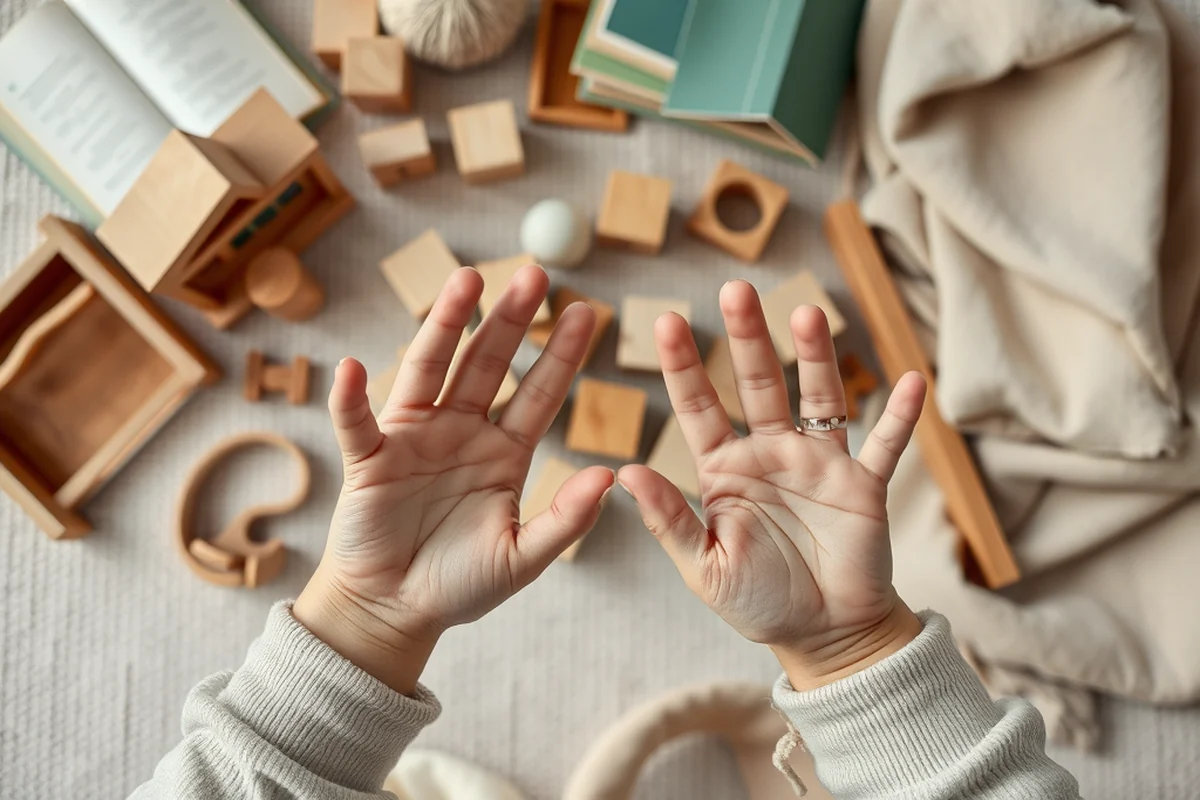
I found that even a small corner of a room can be transformed into a learning hub with the right setup. I used a small rug to define the space, added a few books and a couple of educational toys, and that was enough to create a cozy and engaging learning area.
I made sure the toys and books were arranged in a way that encouraged interaction. For example, I placed number puzzles, shape sorters, and alphabet blocks within easy reach. This way, my daughter could explore and learn at her own pace, without needing me to constantly intervene.
What I noticed was that she would often spend time in this corner on her own, reading, playing, and even teaching herself new words. It was a small space, but it was full of learning and growth — and that made all the difference.
Related: Best toddler activities play based learning by age stage
Keeping a Play Area Clean in a Small Space
I quickly learned that keeping a small play area clean was essential — not just for health reasons, but also to maintain a sense of order and calm in the space. I started by setting up a small bin for toys that needed to be cleaned and a few cloth wipes for quick cleanups.
I also made a rule that we would clean up together after each play session. This helped create a sense of responsibility and made the process more enjoyable for my daughter. We would take turns putting toys back into their bins, and I would make it a game.
What I found was that with a little consistency and a few simple tools, I could keep the space clean and organized without too much effort. It was a small change, but it made a big difference in how we used the space and how we felt about it.
🌱 Gentle Approach
A low-pressure, flexible way of setting up play and learning that adapts to your child’s mood and energy.
🚀 Fast-Track Setup
A quick, ready-to-go method for organizing a small space with minimal effort and maximum impact.
🧳 Travel/away-from-home
A portable and lightweight setup that allows for play-based learning in any temporary space.
👯♀️ Multiples Setup
A play-based learning approach designed for multiple children, even in limited space.
🔄 Regression Reset
A structured, focused method for re-establishing learning and play routines during challenging developmental phases.
| The mistake | Why it happens | The fix |
|---|---|---|
| Not considering the height of shelves and storage bins. | Toddlers can reach higher than you might expect, and not securing items properly can be a safety hazard. | Use low shelves and ensure that all items are either out of reach or securely fastened. |
| Overloading the space with too many toys. | Too many toys can overwhelm a toddler and make the space feel chaotic. | Limit the number of toys on display at any one time and rotate them regularly to keep the space engaging. |
| Not setting clear boundaries for play and learning areas. | Without clear boundaries, the space can feel unclear and unorganized, making it harder for your toddler to engage. | Use rugs, storage bins, and visual cues to define the space and help your toddler understand where they should play. |
| Not involving your toddler in the setup process. | Not involving your toddler can make them feel disconnected from the space and less invested in the learning process. | Involve your toddler in choosing toys, arranging storage, and creating the space together — it builds a sense of ownership and engagement. |
Related: Toddler activities play based learning stage tips
Toddler Activities & Play-based Learning Stage For Small Spaces
Related: Toddler activities play based learning by age stage printable
Incorporating Nature Into Small Play Spaces
Bringing elements of nature into small play areas can enhance a toddler's sensory development and creativity without needing extra room.
I started by placing a small potted plant on a shelf in my toddler’s play area, and within days, he was fascinated by watching the leaves move in the breeze. Even a few pebbles or a small bowl of dried beans can transform a bare floor into an interactive sensory bin. These natural elements encourage exploration, fine motor skills, and even early science concepts like cause and effect when the toddler shakes or pours the beans. Plus, they're easy to clean and don’t take up much space.
I also found that a small, wheeled basket filled with natural items like pinecones, leaves, and twigs makes a perfect portable treasure hunt for toddlers. It’s surprising how much engagement and learning can happen with just a few items from outside. I took my toddler to the park once a week and brought back a few items to add to his play area, which kept the space fresh and stimulating without the need for constant purchases or bigger furniture.
The presence of natural elements also helps create a calming atmosphere, which is especially helpful in small, sometimes cramped spaces. I noticed that my toddler was more relaxed and focused during play when there were plants or natural textures nearby. I now make it a point to include at least one natural object in his play area every day — it’s a small effort that makes a big difference in both his development and the overall mood of the space.
Common Questions
How can I make learning fun in a small space?
What are the best toys for small spaces?
How do I keep my toddler’s play area organized?
Can I use the same space for both play and learning?
References
- Early Science Learning for Infants and Toddlers | HeadStart.gov (headstart.gov)
- North Carolina Foundations for Early Learning and Development (ncchildcare.ncdhhs.gov)
Cite this guide
TinyRomp (2026). Toddler Activities & Play-based Learning Stage For Small Spaces. https://tinyromp.com/toddler-activities-play-based-learning-stage-for-small-spaces/
Feel free to cite or share this guide.