
Toddler Activities Play Based Learning Routines Schedules On A Budget
📖 Table of Contents
- What is Play-Based Learning and Why It Works for Toddlers
- Building a Play-Based Learning Routine on a Budget
- How to Create a Play-Based Learning Schedule That Works for You
- Incorporating Play-Based Learning in Everyday Life
- Making the Most of Limited Time and Resources
- Encouraging Creativity and Problem-Solving Through Play
- The Importance of Observation in Play-Based Learning
- Make It Your Way
- Frequently Asked Questions
When my daughter turned two, I felt like I was navigating a foreign country, where the rules were different and the maps were out of date. I had heard the phrase 'play-based learning' in parenting circles, but I didn’t really understand how to make it work for my toddler. I found myself overwhelmed by the idea that I needed to buy expensive toys or spend hours crafting elaborate activities. The truth is, I didn’t have time or money for that. So I started with what I had — a few old board games, a cardboard box, and a handful of family members who were more than happy to help. That’s how I began to piece together a simple, effective, and budget-friendly play-based learning routine.[3]
I quickly learned that the best play-based learning routines are those that are flexible, engaging, and built from the materials already in my home. I no longer felt the pressure to create a perfect schedule or invest in expensive educational tools. Instead, I focused on the kind of play that sparked curiosity, encouraged problem-solving, and allowed my daughter to lead the way. It was messy, sometimes chaotic, but it was also deeply rewarding. I started to see her confidence grow, her vocabulary expand, and her ability to think critically improve — all through activities that didn’t cost a dime.[4]
This is how I came to build a play-based learning routine that works for us — one that’s budget-friendly, adaptable, and rooted in the real, everyday moments of toddler life. I’m sharing it here so that other parents can take inspiration from my experience. Whether you're on a tight budget, dealing with a hectic schedule, or simply looking for ways to make learning fun, this approach is a great place to start.
Why You'll Love This Play-Based Learning Routine
- No expensive toys needed — use what you already have at home
- Flexible and adaptable to fit your family's unique schedule
- Encourages creativity, problem-solving, and cognitive development
- Helps build confidence, independence, and a love of learning
What is Play-Based Learning and Why It Works for Toddlers
As of October 2026, when I first heard the term 'play-based learning,' I assumed it meant something fancy or complicated. But in reality, it’s just about letting kids learn through their natural curiosity and interests. For toddlers, play is how they make sense of the world. Through simple activities like sorting objects, building with blocks, or pretending to be a doctor, they develop essential cognitive, social, and emotional skills.
The key to play-based learning is to let the child lead the way. In our home, we don’t plan every minute of the day. Instead, we create an environment that’s rich in opportunities for exploration. This might mean setting up a small sensory bin with rice or beans, or placing a few open-ended toys like blocks or art supplies within reach. We observe and encourage, but we don’t direct — because the best learning happens when the child is truly engaged.
I’ve noticed that my daughter learns more when she’s playing than when I’m trying to teach her something explicitly. She’s more motivated, more focused, and more willing to take risks. And the best part is that she doesn’t even realize she’s learning. That’s the beauty of play-based learning — it’s subtle, it’s powerful, and it’s working.
Give your toddler a few options and let them pick. This builds autonomy and increases engagement.
Part of our Toddler activities play based learning routines schedules guide.
Building a Play-Based Learning Routine on a Budget
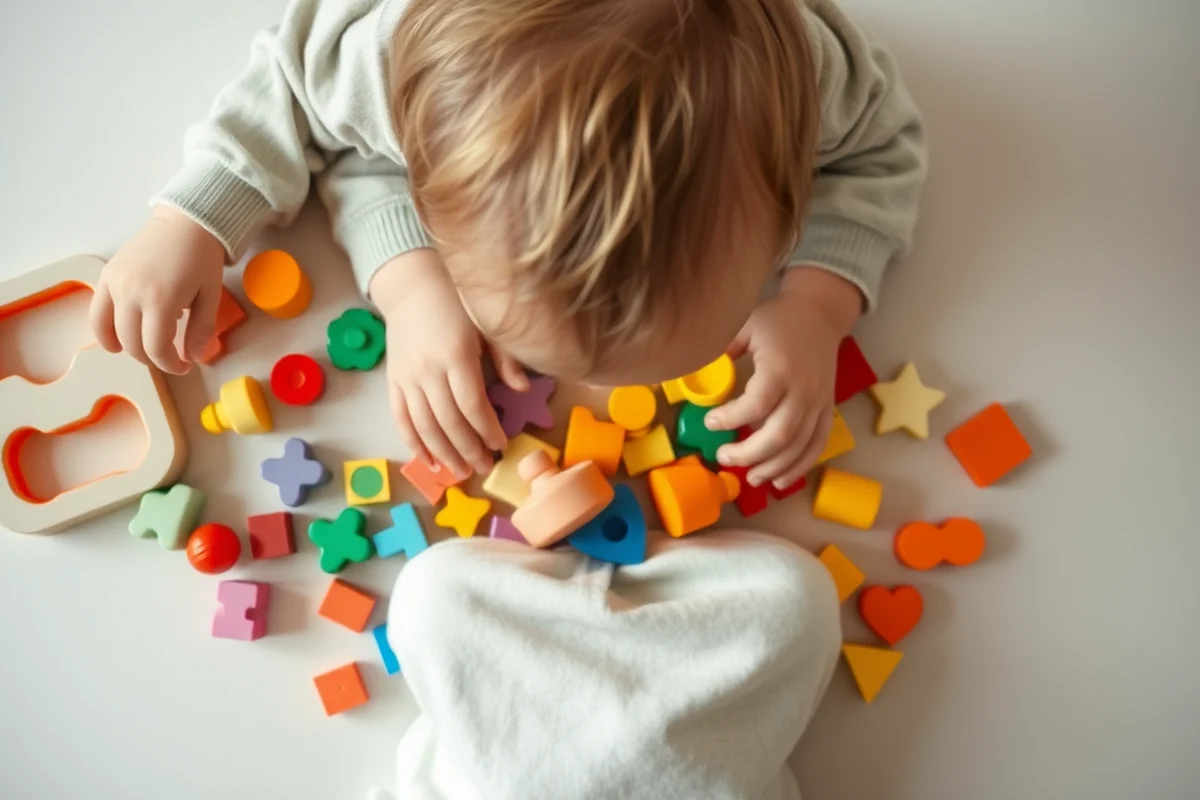
One of the most surprising things I learned was that I didn’t need to buy expensive educational toys or materials. In fact, most of the best learning tools are already in my home — from old books to cardboard boxes to kitchen utensils. I started repurposing things we already had, and it made a huge difference in the quality of our play time.
For example, instead of buying a set of alphabet blocks, I used a stack of old cereal boxes and labeled them with letters. Instead of buying a sensory bin, I filled a plastic container with rice and let my daughter use her hands to explore it. These simple, low-cost activities not only saved money but also sparked creativity and problem-solving in my daughter.
I’ve also learned that the most effective learning tools are those that are open-ended and can be used in many different ways. A cardboard box can be a spaceship, a house, or a cave — depending on what my daughter imagines. These kinds of materials are not only budget-friendly but also encourage imaginative play and learning.
You don’t need to buy the latest toy — your toddler can learn through what you already have.
Related: Toddler activities play based learning routines that actually work
How to Create a Play-Based Learning Schedule That Works for You
When I started thinking about a daily play-based learning routine, I realized that I didn’t need to have a strict schedule or plan every minute of the day. Instead, I focused on creating a rhythm that worked for our family. This might mean setting aside 30 minutes each morning for unstructured play or having a specific time in the evening for a sensory activity.[1]
I’ve found that consistency is more important than perfection. Even if we only have 15 minutes a day for a play-based activity, it can still be meaningful. The key is to create a routine that’s flexible enough to adapt to our changing schedule but consistent enough to provide structure.[2]
I also try to align our play-based learning activities with my daughter’s interests and developmental stage. For example, when she was fascinated with animals, we spent more time on activities like creating a pretend zoo or reading books about different species. This made learning more engaging and relevant for her.
Align your play-based learning activities with your toddler’s natural energy levels and interests for better engagement.
“When my daughter turned two, I felt like I was navigating a foreign country, where the rules were different and the maps were out of…”— TinyRomp editors
Related: Affordable toddler activities play based learning routines
Incorporating Play-Based Learning in Everyday Life
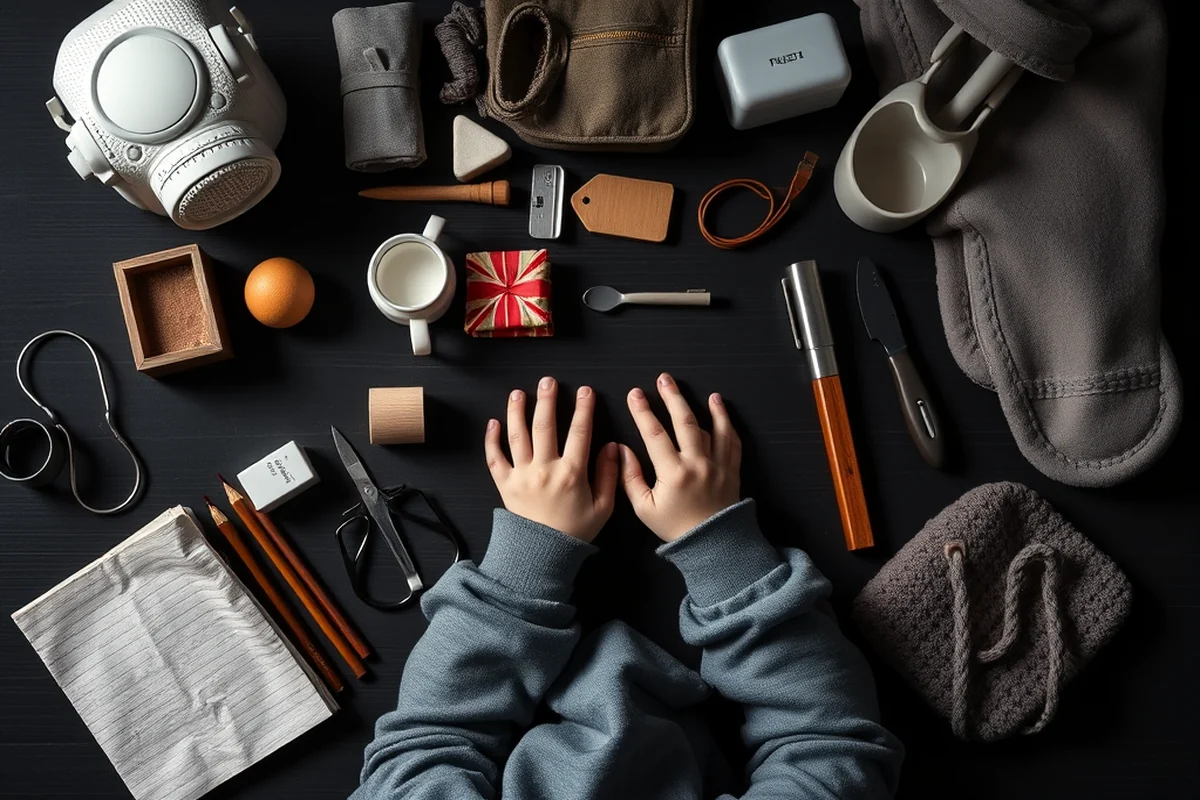
One of the biggest realizations I had was that play-based learning doesn’t have to be confined to specific times of the day. It can be integrated into everyday activities like cooking, cleaning, or even going for a walk. These moments, when done with intention, can become rich learning experiences.
For example, I involve my daughter in simple tasks like sorting laundry, counting items, or setting the table. These activities help her develop important skills like categorization, counting, and fine motor control. I also make it a habit to read together during our daily routine — whether it’s before bedtime or during our lunch break.
Even when we’re on the go, I find ways to incorporate play-based learning. If we’re waiting in line at the grocery store, I might challenge her to find a specific item on the shelf or count how many people are in front of us. These small moments add up and create a learning environment that’s both fun and meaningful.
Related: Toddler activities play based learning routines on a budget
Making the Most of Limited Time and Resources
I used to worry that I didn’t have enough time or money to create a meaningful play-based learning environment for my daughter. But I quickly learned that even small, intentional moments can make a big impact. I found that it’s not about the quantity of time or the amount of money I spent — it’s about the quality of the interactions and the opportunities for exploration.
I started to make the most of the time we had by focusing on high-quality, open-ended activities. Instead of trying to do a dozen different activities in a day, I focused on a few that were meaningful and engaging. This helped me stay more present and connected with my daughter, even during short play sessions.
I also made it a point to be intentional with the resources I had. Instead of looking for new toys or materials, I focused on reusing what we already had at home. This not only saved money but also helped me build a more sustainable and eco-friendly play environment for my toddler.
Related: Visual timer for kids
Encouraging Creativity and Problem-Solving Through Play
One of the most valuable benefits of play-based learning is the way it encourages creativity and problem-solving. Toddlers are natural problem-solvers — they just need the right environment to explore and experiment. I’ve noticed that my daughter becomes more confident and resourceful when she’s given the chance to play freely and explore different materials.
When we provide open-ended materials like blocks, art supplies, or even household items, we give our toddlers the freedom to create, build, and experiment. This kind of play allows them to think critically, make decisions, and find solutions to problems — all while having fun.
I’ve also learned that it’s important to step back and let the child take the lead. By giving them the space to explore and solve problems on their own, we help them build independence and resilience. It’s not about fixing things for them — it’s about letting them learn through trial and error.
Let your toddler explore and solve problems on their own — it builds confidence and creativity.
Related: First day of school activities for preschool
The Importance of Observation in Play-Based Learning
One of the most valuable lessons I’ve learned about play-based learning is the importance of observation. By simply watching my daughter play, I can gain valuable insights into her interests, strengths, and areas where she might need more support. This helps me tailor our play-based learning activities to her unique needs and developmental stage.
I’ve found that observation allows me to see my daughter in a new light. I can notice when she’s particularly focused on a certain activity, or when she’s struggling with a specific task. This information helps me make more informed decisions about what kind of play-based learning activities will be most beneficial for her.
I’ve also learned that observation is a form of active engagement. Instead of rushing in to direct every activity, I try to be present and watch what she’s doing. This not only helps me understand her better but also allows me to support her learning in a more meaningful way.
🧘 Gentle Play-Based Learning
A slow, flexible approach that prioritizes calm, creative exploration and self-directed play.
🚀 Fast-Track Play-Based Learning
A high-energy, time-efficient approach that fits into busy schedules and makes the most of limited time.
🧳 Travel/ Away-From-Home Play-Based Learning
A portable, no-frills approach that uses everyday items and adapts to changing environments.
👶 Play-Based Learning for Multiples
A flexible, inclusive approach that allows multiple toddlers to learn and play together in a shared space.
🔄 Regression Reset Play-Based Learning
A structured, sensory-rich approach that helps toddlers overcome developmental plateaus through play.
| The mistake | Why it happens | The fix |
|---|---|---|
| Trying to force a rigid schedule | Toddlers are naturally unpredictable, and forcing a strict schedule can lead to frustration and resistance. | Be flexible and adapt your routine based on your toddler’s needs and interests. |
| Overloading with too many activities | Too many activities can overwhelm your toddler and reduce the quality of the learning experience. | Focus on a few meaningful activities that are engaging and allow your toddler to explore freely. |
| Not allowing enough time for free play | Free play is essential for creativity, problem-solving, and social development. | Make sure to leave time in your schedule for unstructured, free play where your toddler can explore and create on their own. |
| Not observing your toddler during play | Observation helps you understand your toddler’s interests and developmental needs better. | Take time to watch your toddler play and notice what they enjoy and what they might need more support with. |
Toddler Activities Play Based Learning Routines Schedules On A Budget
Common Questions
Can I do play-based learning without any special materials or toys?
How long should I spend on play-based learning each day?
Can I mix play-based learning with other learning methods?
Is play-based learning only for toddlers?
References
- Sample Daily Schedule | Alice Brown Early Learning Center (adelphi.edu)
- Designing an Inclusive Early Childhood Classroom Series:The ... (atp.nebraska.gov)
- Tips for Relying on Routines and Rules - CDC (cdc.gov)
- Supporting Children's Learning Through Play - ChildCare.gov (childcare.gov)
Cite this guide
TinyRomp (2026). Toddler Activities Play Based Learning Routines Schedules On A Budget. https://tinyromp.com/toddler-activities-play-based-learning-routines-schedules-on-a-budget/
Feel free to cite or share this guide.