
Toddler Activities & Play-based Learning Routines Step By Step
📖 Table of Contents
- Why Play-Based Learning Works for Toddlers
- How to Build Your First Play-Based Learning Routine
- The Best Toddler Activities for Play-Based Learning
- How to Incorporate Learning into Everyday Routines
- The Power of Unstructured Play
- How to Stay Motivated and Avoid Burnout
- How to Adapt Play-Based Learning for Different Ages
- Make It Your Way
- Frequently Asked Questions
When my daughter turned two, I found myself lost in a fog of 'shoulds' and 'should-nots'—what she should be learning, what she shouldn't be doing, how I could possibly balance her chaotic energy with something that felt like a real learning experience. I remember one afternoon, sitting on the floor with her, trying to force her to 'learn' through flashcards and puzzles, and watching her eyes glaze over. It was then that I realized play, not structure, was the key to engaging her mind—and my own sanity.
That's when I started building a step-by-step play-based learning routine, blending activities that felt like games to her but had clear developmental goals. I filled our home with blocks, counting toys, and simple puzzles, and I noticed her engagement soar. It wasn't about hours of screen time or structured lessons; it was about her choosing what she wanted to explore and me guiding her through the process with gentle nudges and curiosity.
The result? A toddler who was not only learning but also loving it. That's where this guide comes in: a real, actionable breakdown of toddler activities and play-based learning routines, step by step, designed to help you create a home environment that's both enriching and fun. You'll walk away with a blueprint, not a rigid plan, and with the confidence to let your child lead the way.
Why You'll Love This Play-Based Learning Guide
- Your toddler learns through joy, not pressure
- You'll save time and energy with a structured, yet flexible routine
- You'll discover new ways to bond and connect with your child
- You'll watch your toddler's creativity and problem-solving skills blossom
Why Play-Based Learning Works for Toddlers
As of October 2026, Play is the language of toddlers. It's how they explore, communicate, and understand the world. When you incorporate learning into play, you're not just teaching—you're connecting with your child on their level. I remember one day, when my daughter was playing with a sorting toy, she looked up at me and said, 'Mama, this red one goes here!' That moment wasn't about a lesson; it was about joy, discovery. A little bit of pride.
Studies show that play-based learning significantly enhances cognitive development, emotional regulation, and social skills in toddlers. It's not about rote memorization or flashcards; it's about letting your child explore, make mistakes, and learn through experience. I've seen this in action with my own daughter—she learned shapes by stacking blocks, colors by painting with crayons, and counting by sorting toy animals.[1]
This approach also reduces the pressure on both you and your toddler. You don't have to be a teacher or a tutor; you just need to be present, curious, and ready to join in the fun. It's a win-win for everyone.
Let your toddler choose what they want to play with first. If they're interested in cars, build a road with blocks and let them drive. If they love animals, read a book and act out the sounds. This makes learning feel natural and personal.
Part of our Toddler activities play based learning routines schedules guide.
How to Build Your First Play-Based Learning Routine
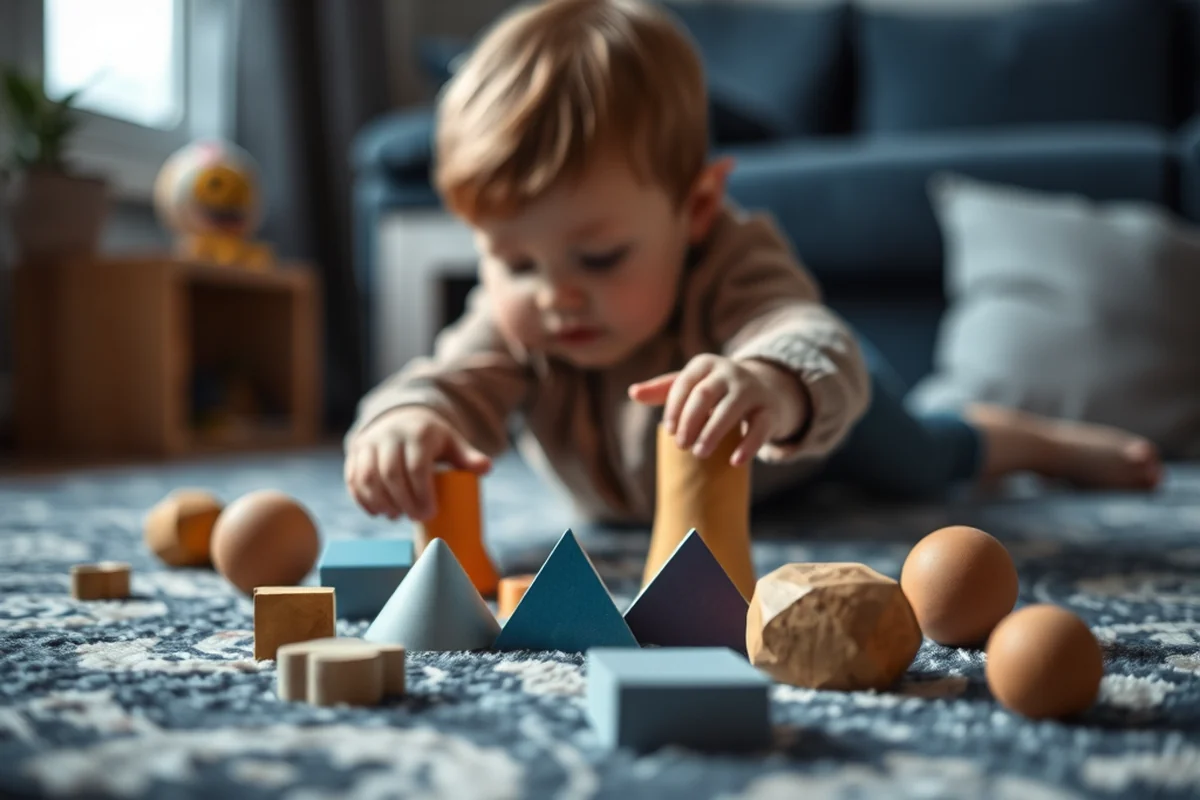
Creating a play-based learning routine starts with consistency and flexibility. I found that having a loose structure—like a morning playtime, an afternoon activity, and an evening wind-down—helped my daughter and me stay on track without feeling restricted. I began with 30 minutes of free play, then 15 minutes of guided play (like puzzles or sorting), and ended with 10 minutes of storytelling or reading.[2]
The key is to keep it simple and to adapt as you go. If my daughter was having a rough day, I would adjust the time or switch activities. Flexibility is important, especially with toddlers whose moods can change in an instant. I also made sure to mix up the activities so that there was always something new and exciting to look forward to.
This approach helped my daughter stay engaged and excited about learning, and it gave me peace of mind knowing that I wasn't pushing her too hard. It was about finding the right balance between structure and spontaneity.
Routines are the backbone of learning, but flexibility is the heart.
Related: Budget toddler activities play based learning routines schedules
The Best Toddler Activities for Play-Based Learning
Hands-on activities are the most effective way to engage a toddler's senses and develop their skills. I filled our home with puzzles, blocks, and sorting games. My daughter loved stacking blocks and sorting toy animals by color and size. These activities helped her develop fine motor skills, hand-eye coordination, and problem-solving abilities.
I also introduced sensory bins filled with rice, beans, and small toys. These bins allowed her to explore different textures and materials, which helped her develop her tactile senses and creativity. I remember one day when she was digging through the rice and said, 'Mama, I found a dinosaur! This is fun!' It was a simple moment, but it showed me how much she was learning through play.
I also loved using storytelling as a learning tool. I would read her books and then let her act out the stories using her toys. This helped her develop her imagination, language skills, and emotional understanding. It was a way to bond with her and teach her at the same time.
Use everyday items like paper, cardboard, and fabric to create new play materials. For example, cut out shapes from cardboard and use them for sorting, or create a story board with paper and markers. This keeps play fresh and encourages creativity.
“When my daughter turned two, I found myself lost in a fog of 'shoulds' and 'should-nots'—what she should be learning, what she shouldn't be doing…”— TinyRomp editors
Related: Best toddler activities play based learning routines
How to Incorporate Learning into Everyday Routines
I found that the best learning happens when it's woven into the fabric of daily life. I started counting the number of steps we took as we walked around the house, naming colors as we painted together. Even asking my daughter to help me with simple tasks like putting away toys or setting the table. These moments were small but powerful, helping her build skills in a natural way.
I also made a point to involve her in cooking and cleaning, even if it was just wiping the table or sorting laundry. These activities helped her develop a sense of responsibility and independence. I remember one day when she proudly said, 'Mama, I did the laundry!' and I knew she was learning important life skills through play and participation.
By integrating learning into everyday routines, I was able to create a more holistic approach to her development. It wasn't about forcing learning—it was about making it part of who we are as a family.
Related: Toddler activities play based learning routines schedules checklist
The Power of Unstructured Play
Unstructured play is often the most valuable type of play for toddlers. I remember one day when I left my daughter in the playroom with no specific activities or instructions. She spent hours creating a pretend grocery store with her toys, organizing them, and even pretending to checkout. It was a moment of pure creativity and problem-solving.
I found that unstructured play helped her develop her imagination, independence, and social skills. She learned how to make decisions, solve problems, and even negotiate with her imaginary customers. It was a window into her mind and a glimpse into her potential.
I now make sure to include unstructured playtime in her daily routine, even if it's just for 15 minutes. It's a way to give her space to explore and create without the pressure of learning objectives. It's about letting her be, and I've seen her grow in ways I never expected.[3]
Related: Budget toddler activities play based learning routines
How to Stay Motivated and Avoid Burnout
I found that play-based learning can be both rewarding and exhausting, especially when you're trying to balance it with work, family, and life. I made a point to take breaks, even if it was just for a few minutes. I would step outside for a walk, read a book, or simply take a few deep breaths. These small moments of self-care helped me stay grounded and focused.
I also learned the importance of asking for help. Whether it was my partner, family, or even friends, I found that having support made a huge difference. It was a way to share the load and stay motivated. I also made sure to celebrate small victories, like when my daughter finally sorted all her toys on her own or when she said, 'I did it!' without any prompting.
Staying motivated is about remembering why you're doing this. It's not just about your child's development—it's about creating a loving, engaging environment where they can grow, explore, and thrive. And when you take care of yourself, you're better able to take care of your child.
You can't pour from an empty cup—take care of yourself first.
Related: Toddler activities play based learning routines that actually work
How to Adapt Play-Based Learning for Different Ages
As toddlers grow, their play-based learning needs evolve. I found that my daughter's interests changed as she got older. At 18 months, she loved simple stacking and sorting. By age two, she was more interested in pretend play, storytelling, and even simple counting and shapes. I made sure to adapt my approach as she grew, introducing new activities and materials that matched her developmental stage.[4]
I also made sure to incorporate more complex activities as she got older. For example, I introduced puzzles with more pieces, books with more text, and even simple games like memory or matching. These activities helped her develop more advanced skills while still keeping play at the center of her learning.
I now make sure to check in with my daughter regularly and adjust our activities as needed. It's a way to stay connected with her growth and ensure that our play-based learning routine remains relevant and engaging for her.
🌼 Gentle Approach
A slow, flexible routine that prioritizes your child's interests and moods, with minimal pressure.
⚡ Fast-Track Routine
A structured, time-efficient approach that fits busy schedules while still incorporating learning through play.
🧳 Travel/On-the-Go
Play-based learning ideas that work when you're away from home, using portable and easy-to-carry toys and activities.
👶 Multiples/More Than One Child
Strategies to manage play-based learning with more than one toddler, keeping each child engaged and learning.
🔄 Regression Reset
A way to reset and adapt your play-based learning routine when your toddler is going through a developmental phase or regression.
| The mistake | Why it happens | The fix |
|---|---|---|
| Forcing learning through play | It can create resistance and make your toddler associate learning with stress and pressure. | Let your toddler lead the play and avoid pushing them into activities they're not interested in. |
| Overloading the routine with too many activities | It can overwhelm your toddler and reduce their engagement and enjoyment. | Start with a few simple activities and gradually introduce more as your toddler becomes more engaged. |
| Ignoring your toddler's natural rhythms and moods | It can lead to frustration and disconnection, both for you and your toddler. | Be flexible and adjust your routine based on your toddler's energy levels, interests, and needs. |
| Neglecting unstructured playtime | It can limit your toddler's creativity, independence, and problem-solving skills. | Make sure to include unstructured play in your routine, even if it's just for a few minutes each day. |
Toddler Activities & Play-based Learning Routines Step By Step
Common Questions
Can I use play-based learning with a toddler who's not interested in any particular activities?
How do I know if my toddler is learning through play?
What if my toddler is resistant to learning through play?
How long should my toddler's play-based learning routine last?
References
- (PDF) Play-Based Learning in Early Years Settings - Academia.edu (academia.edu)
- Tips for Balancing Structure and Play in Early Childhood Education (athenacareers.edu)
- 3R's of Early Learning - Anita Zucker Center (ceecs.education.ufl.edu)
- Designing Messy Play for Infants and Toddlers | HeadStart.gov (headstart.gov)
Cite this guide
TinyRomp (2026). Toddler Activities & Play-based Learning Routines Step By Step. https://tinyromp.com/toddler-activities-play-based-learning-routines-step-by-step/
Feel free to cite or share this guide.