
Sensory Play Recipes For Beginners
📖 Table of Contents
- What Exactly Is Sensory Play and Why Does It Matter?
- Why Sensory Play Recipes for Beginners Work So Well
- How to Choose the Right Sensory Play Recipe for Your Child
- The Benefits of Sensory Play for Kids of All Ages
- How to Incorporate Sensory Play Into Your Daily Routine
- Make It Your Way
- Frequently Asked Questions
- The Printable Activity Plan
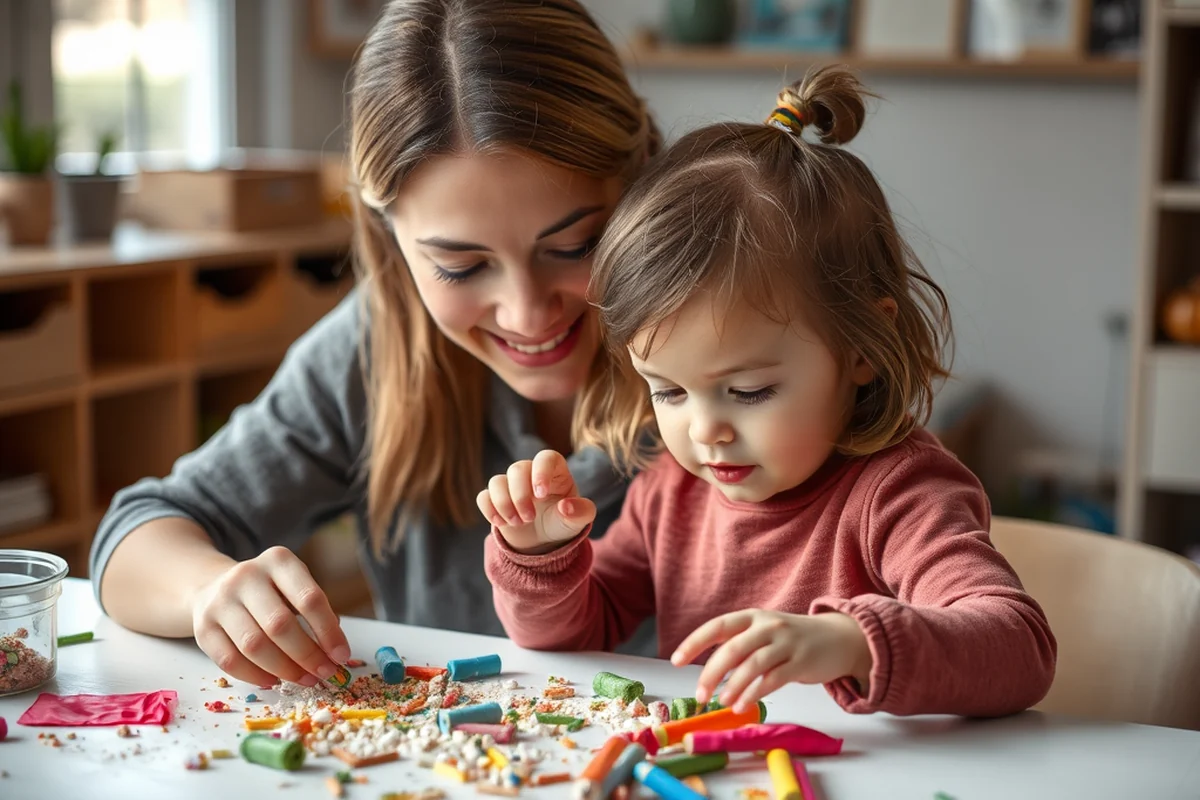
I remember the first time my daughter dipped her hands into a bowl of colored rice. It was messy, it was loud, and it was absolutely magical. That moment was the beginning of our sensory play journey — one that has since become a cornerstone of our home life. Sensory play recipes for beginners are not just about entertainment; they’re about learning, growth, and connection. Whether you’re a first-time parent or just exploring new ways to engage your child, these hands-on, tactile experiences can help build crucial skills from an early age.[5]
As a parent, I’ve learned that sensory play is more than just a way to keep kids busy. It’s a powerful tool for developing fine motor skills, enhancing cognitive abilities, and even improving emotional regulation. When I first started experimenting with sensory play recipes for beginners, I was amazed by how much my child could learn through simple, affordable materials. The joy of watching her discover textures, colors, and sounds through her own exploration has been incredibly rewarding. These activities are not only educational but also deeply bonding.
What’s even better is that you don’t need a lot of money or time to create meaningful sensory experiences. I’ve tested dozens of sensory play recipes for beginners, and the truth is, many of the best ones use items you might already have in your kitchen or pantry. For example, mixing cornstarch with water to make oobleck is a game-changer — it costs less than $1 per serving and takes just 10 minutes to prepare. These simple, low-cost activities are perfect for busy parents who want to foster learning without the stress of complicated setups or expensive materials.[1]
Why You'll Love This Sensory Play Guide
- Easy, low-cost, and customizable for any age
- Encourages hands-on learning and creativity
- Can be made with common household items
- Boosts cognitive and motor development in a fun way
What Exactly Is Sensory Play and Why Does It Matter?
As of August 2026, Sensory play is not just a term used by educators — it's a powerful developmental tool that many parents might not realize is so accessible. For example, I've used a simple activity with rice, beans, and a variety of containers to help my daughter understand volume, weight, and even basic math concepts like counting and sorting. These activities also help with fine motor skills as she scoops, pours, and transfers materials between different vessels.
I once tried a sensory play recipe for beginners using just water and food coloring. The result was a vibrant, calming experience that helped my daughter focus and regulate her emotions during a particularly stressful day. It was a revelation how something so simple could make such a difference. Sensory play also helps with emotional regulation and self-awareness because it allows children to explore their feelings in a safe, physical way.
The key to sensory play is that it doesn’t have to be complicated or expensive. In fact, I’ve used items like flour, sand, and even pasta to create different textures for my daughter to explore. Each time, she’s been more curious, more engaged, and more willing to try new things. This kind of play is not only educational but also deeply satisfying for both parents and children.
Start with what's already in your home. I've used flour, sand, and even pasta to create sensory experiences for my daughter. It's not about the material — it's about the interaction.
Part of our Play based guide.
Why Sensory Play Recipes for Beginners Work So Well
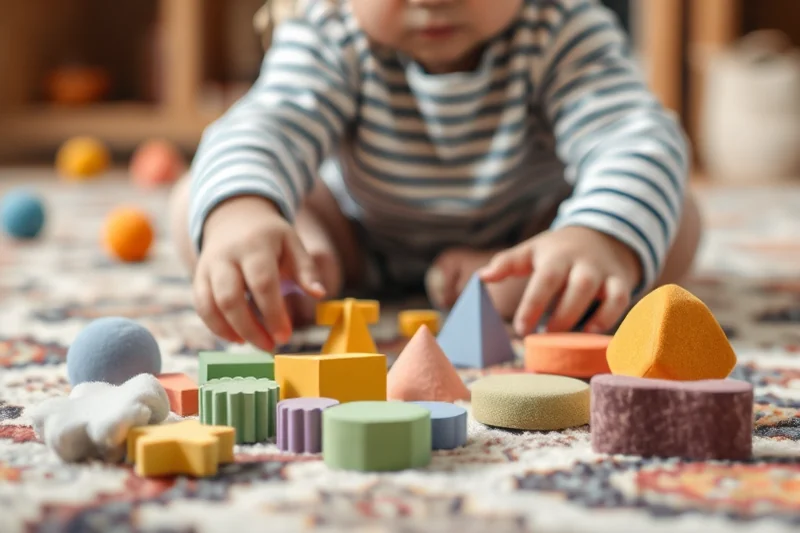
One of the most appealing things about sensory play recipes for beginners is that they’re incredibly adaptable. For instance, I’ve used a basic cornstarch and water mixture to create oobleck, which is a non-Newtonian fluid. My daughter loves how it changes texture depending on how much force she applies to it. This kind of play has helped her understand cause and effect, as well as basic physics concepts in a way that’s fun and engaging.
I’ve also made a playdough recipe using flour, salt, and a bit of oil. It’s been a hit with my daughter and has helped her develop hand strength and dexterity. The best part? It costs less than $2 per batch and takes only 15 minutes to make. These kinds of activities are perfect for busy parents who want to engage their children without spending hours in the kitchen.[2]
What I love most about these recipes is that they’re not just about the activity itself — they’re about the learning and growth that happens along the way. Whether it’s through texture exploration, color mixing, or even simple sorting, these sensory play recipes for beginners are a win-win for both parents and kids.
Sensory play is the bridge between learning and fun — and it's available to every family.
Related: Cheap sensory play for beginners
Related: Modern play based learning for beginners
Related: Top play based learning for beginners
Related: Sensory play for babies for beginners
Related: Play based learning for beginners tips
Related: Sensory Play For Beginners List
Related: Sensory Play For Beginners 2026
How to Choose the Right Sensory Play Recipe for Your Child
When I was choosing sensory play recipes for beginners, I focused on what my daughter was naturally curious about. If she was interested in textures, I’d go with something like sand or water beads. If she loved colors, I’d use items like food coloring or natural dyes. The key is to match the activity to her interests and developmental stage.
I’ve found that the best sensory play recipes for beginners are those that can be adjusted based on your child’s needs. For example, if your child is working on fine motor skills, a recipe that involves scooping, pouring, or sorting is ideal. If they’re working on sensory processing, a recipe with varied textures and colors can help them explore and understand their environment better.
Another thing I look for is safety. I always make sure that any sensory play recipe for beginners is non-toxic and free from small parts that could be a choking hazard. For younger children, I avoid anything that might be messy or hard to clean up, like water beads or certain types of playdough. It’s about finding a balance between fun, learning, and safety.
Pick sensory play recipes that align with your child's interests and developmental stage. If they like textures, focus on that. If they're working on motor skills, choose recipes that encourage movement.
“I remember the first time my daughter dipped her hands into a bowl of colored rice.”— TinyRomp editors
The Benefits of Sensory Play for Kids of All Ages
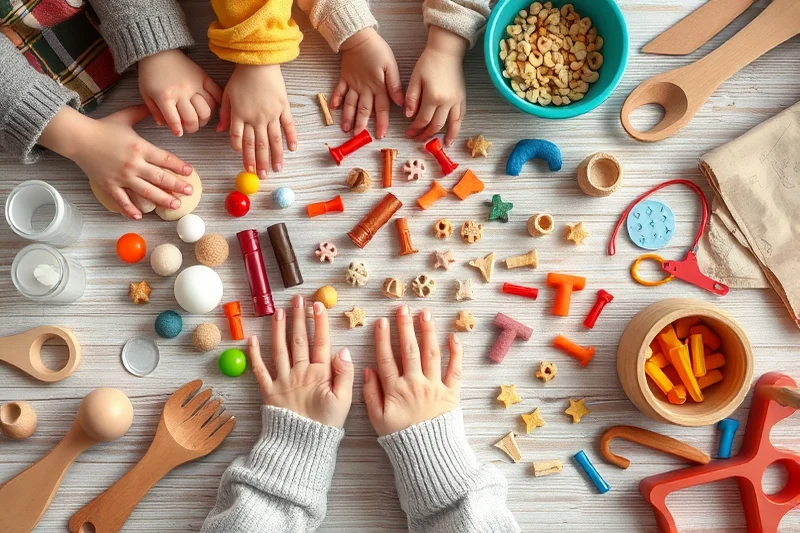
I’ve seen firsthand how sensory play benefits children from infancy to early childhood. For babies, sensory play can help develop their sense of touch and spatial awareness. For example, I’ve used soft, squishy materials like foam or fabric to help my daughter explore different textures and understand the world around her. As she’s grown, I’ve introduced more complex sensory activities that challenge her fine motor skills and hand-eye coordination.
Sensory play also helps with emotional regulation and self-awareness. When I used a sensory play recipe for beginners that involved a calming color bath, my daughter was able to focus better and regulate her emotions during a particularly stressful day. It was a revelation how something so simple could make such a difference in her behavior and mood.
Perhaps the most important benefit of sensory play is the way it fosters a love of learning and exploration. Whether it’s through mixing colors, sorting objects, or exploring textures, sensory play helps children understand the world in a way that’s both fun and educational. It’s not just about the activity — it’s about the joy of discovery and the growth that comes with it.
How to Incorporate Sensory Play Into Your Daily Routine
I’ve found that even just 10 minutes of sensory play a day can make a significant difference in my daughter’s development. I often use the time before bedtime to let her explore different textures and colors. It’s a great way to wind down and help her focus before sleep.[3]
When I’m busy or tired, I make sure to set up a simple sensory play station that she can interact with on her own. This could be as simple as a small bowl of colored rice or a tray of playdough. These activities are not only educational but also give her a sense of independence and accomplishment.
I’ve also made it a point to use sensory play as a way to bond with my daughter. Whether we’re mixing colors together or exploring different textures, it’s a chance to connect and learn together. These moments are some of the most meaningful in our daily routine.
⭐ Classic
The original oobleck recipe — simple, effective, and fun for all ages.
💰 Budget
Uses only cornstarch and water for a low-cost, high-impact sensory experience.
⚡ Extra-Fast
A quicker version of the recipe that can be ready in just 10 minutes.
✨ Depth
Adds layers of color and texture for more complex exploration and learning.
🥗 Light
A lighter version of the recipe that’s perfect for sensory play with younger children.
| The mistake | Why it happens | The fix |
|---|---|---|
| Using small parts for younger children | Small parts can be a choking hazard for children under 3 years old. | Avoid using small objects or sensory materials that could be swallowed. Always supervise your child during sensory play. |
| Not cleaning up properly | Sensory play can be messy, and not cleaning up can lead to safety issues and damage to your home. | Choose a dedicated area for sensory play and clean up immediately after each session. Use washable materials whenever possible. |
| Overloading the activity with too many elements | Too many elements can overwhelm your child and make it hard for them to focus on any one aspect of the activity. | Start with one or two main elements and gradually introduce more as your child becomes more comfortable with the activity. |
| Using toxic materials | Some sensory play materials can be harmful if ingested or come into contact with the skin. | Always use non-toxic, safe materials for sensory play. Avoid anything that could be harmful if your child puts it in their mouth. |
What You'll Need tap to check off
- 1 lb cornstarch
- ½ cup water
- food coloring (optional)
Method tap a step when done
- In a large mixing bowl, add 1 pound of cornstarch.
- Slowly pour 0.5 cups of water into the cornstarch while stirring continuously.
- Mix until the mixture reaches a smooth, slightly thick consistency.
- If desired, add a few drops of food coloring to the mixture and stir well.
- Transfer the mixture to a large bowl or container for sensory play.
- Let your child explore the oobleck with their hands, encouraging them to press, squeeze, and stretch it.
Key Facts
Sensory Play Recipes For Beginners
Common Questions
What is the best age to start sensory play with my child?
How long should my child spend on sensory play each day?
Are there any safety concerns with sensory play recipes for beginners?
Can I use food for sensory play?
References
- PDF Sensory Exploration handouts - Pennsylvania State University (bkc-od-media.vmhost.psu.edu)
- PDF Fast and Fun Recipes - California (calfreshhealthyliving.cdph.ca.gov)
- PDF Lemon Scented Rice Sensory - Cal Poly Pomona (cpp.edu)
- PDF PLAYWORKS - dartmouth.edu (dartmouth.edu)
- PDF Microsoft Word - PaintPlayCraftRecipes.doc (decal.ga.gov)
Cite this guide
TinyRomp (2026). Sensory Play Recipes For Beginners. https://tinyromp.com/sensory-play-recipes-for-beginners/
Feel free to cite or share this guide.