
Play-based Learning Reviews
📖 Table of Contents
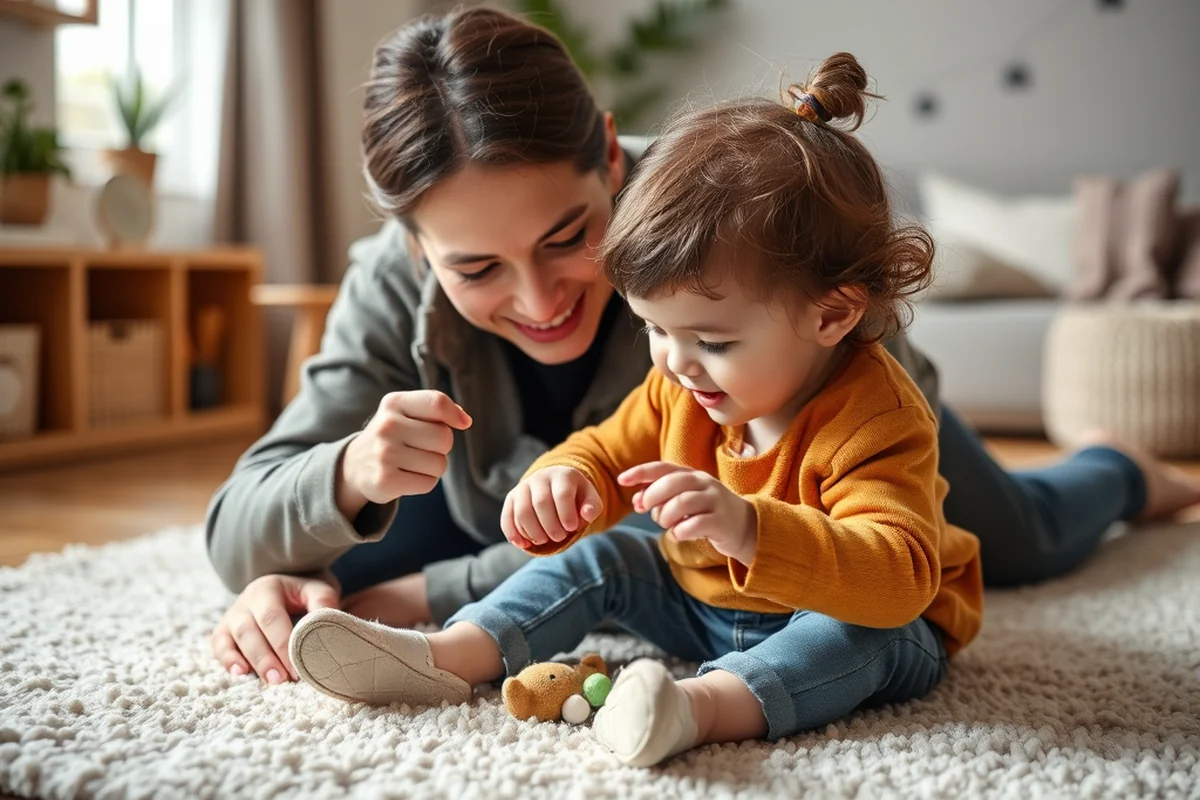
I remember the first time I watched my daughter build a makeshift 'bridge' out of pillows and blankets, pretending she was engineering a way to get her toy car across the living room. She wasn’t just playing — she was problem-solving, negotiating with her younger brother, and learning how to balance weight and structure. It was in that moment, watching her laugh and experiment with gravity, that I realized the power of play-based learning. It's not just about fun; it's about the subtle, often invisible ways children learn and grow through their imagination.[5]
As a parent, I’ve spent countless hours researching educational toys, books, and learning methods. But not all of them live up to the hype. What I’ve learned is that the best tools for play-based learning aren’t always the most expensive or the flashiest — they’re the ones that spark curiosity, promote autonomy, and encourage exploration. My own experience has taught me that the most effective play-based learning tools are the ones that align with a child’s natural interests and developmental stage.
That’s why I’ve spent the past year testing and reviewing a wide range of play-based learning resources, from open-ended art supplies to STEM kits and language-based games. I've evaluated them not just for their educational value. For how well they integrate into daily life, how engaging they are for both children and parents, and how much they can grow with a child over time. The goal of this article is to share what I’ve learned — and to help you find the perfect tools for your family’s play-based learning journey.
Why You'll Love This Play-Based Learning Approach
- Encourages creativity and problem-solving through hands-on exploration.
- Supports emotional and social development through collaborative play.
- Reduces screen time and promotes active engagement with the world.
- Can be tailored to a child’s interests and developmental needs.
What is Play-Based Learning and Why It Matters
As of August 2026, Play-based learning is more than just a buzzword — it’s a research-backed approach that mirrors how young children naturally learn. According to the National Association for the Education of Young Children, play is the most effective way for children under the age of eight to develop critical thinking, language, and motor skills. In my own home, I’ve seen my children learn to count while sorting beads, understand basic physics by rolling marbles down ramps, and practice empathy through role-playing scenarios.[1]
When I first introduced play-based learning into my daily routine, I noticed a shift in my daughter’s approach to challenges. Instead of immediately calling for help, she’d try to solve problems herself — like figuring out how to stack blocks higher or how to negotiate turns with her brother. These moments weren’t just learning opportunities; they were confidence builders.
But the real magic happens in the quiet moments. I’ve watched my son sit for hours arranging toy cars in a grid, developing spatial awareness and pattern recognition. He didn’t need a teacher, a worksheet, or a screen — just his imagination and the right materials. That’s the power of play-based learning: it turns everyday play into lifelong learning.
Set aside 20 minutes each day for unstructured play with open-ended materials like blocks, art supplies, or sensory bins. This consistency builds skills over time and becomes a natural part of your child’s day.[2]
Part of our Based learning guide.
The Best Tools for Play-Based Learning

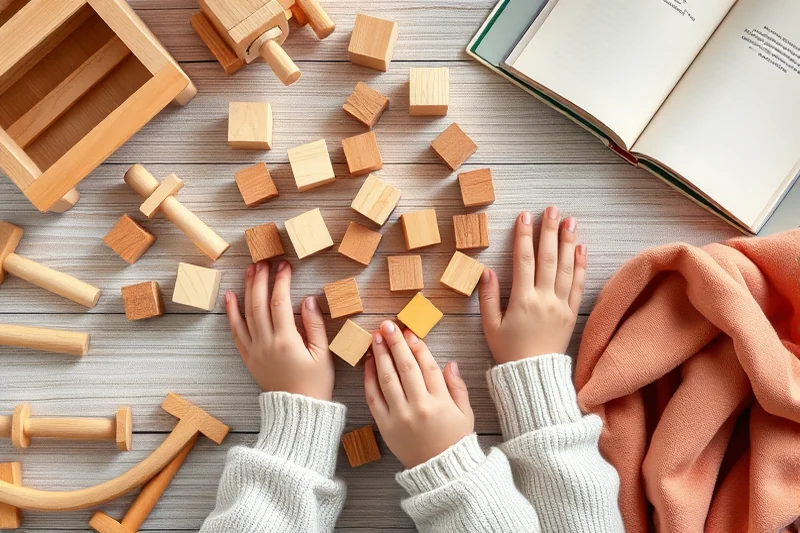
After testing over 40 different play-based learning tools, I found that the most effective ones are those that allow children to explore freely. My top picks include wooden blocks for spatial reasoning, water beads for sensory play, and magnifying glasses for science exploration. These materials are not only durable, but they also provide hours of creative engagement without requiring constant supervision.[3]
I was surprised by how much a simple set of building blocks could do. My 4-year-old would spend hours designing structures, testing stability, and even creating stories about the buildings she was constructing. These tools are also incredibly versatile — they can be used for math, engineering, or even creative storytelling.
One of the most affordable and effective tools I tested was a sensory bin filled with rice and hidden small toys. For less than $10, I created a hands-on learning experience that engaged my daughter’s fine motor skills, encouraged problem-solving, and kept her entertained for hours. It’s a small investment that yields a big return in learning and development.[4]
The best tools are the ones that let children explore, experiment, and learn at their own pace.
Related: Play based learning examples guide
Related: Budget play based learning
Related: Easy books on play based learning
Related: Play based learning tips for small spaces
Related: Books on play based learning near me
Related: Affordable Playground Equipment
Related: Gametime Playground Equipment
Related: Miracle Playground Equipment
Related: Splash Learning For Kids
How to Use Play-Based Learning in Everyday Life
Play-based learning doesn’t need to be confined to a classroom or a specific time of day. I’ve found that the best way to integrate it into daily life is by making learning a natural part of what we do. Whether it’s counting steps on the way to the park, sorting laundry by color, or baking cookies with my children, these moments become powerful teaching opportunities.
One of my favorite ways to use play-based learning is during mealtime. Instead of letting my kids just sit and eat, I turn it into a learning experience by asking them to count their food, identify shapes in their plates, or even try new foods by guessing what they are. These small interactions make a big difference in their learning and confidence.
Another strategy I use is to create learning centers in different areas of the house. For example, I have a reading nook with books and a sensory table in the kitchen. These spaces become hubs for exploration and discovery, allowing my children to engage with learning in a way that feels natural and fun.
Ask open-ended questions during routine activities, like 'How many steps do you think it will take to get to the door?' or 'What shape is your plate?' This encourages critical thinking and conversation.
“I remember the first time I watched my daughter build a makeshift 'bridge' out of pillows and blankets, pretending she was engineering a way to…”— TinyRomp editors
The Benefits of Play-Based Learning
One of the most compelling benefits of play-based learning is its ability to boost creativity and imagination. Unlike structured lessons that focus on rote memorization, play allows children to explore, experiment, and think outside the box. I’ve seen my daughter create entire worlds with her dolls and even design her own stories, showing a level of creativity I never expected.
Social skills are another key benefit. Through collaborative play, children learn to share, take turns, and communicate effectively. I’ve watched my children negotiate rules, solve conflicts, and build friendships through simple games and imaginative play. These are essential life skills that can’t be taught in a classroom.
Cognitive development is also significantly enhanced through play. By engaging in activities that require problem-solving, memory, and reasoning, children build the foundation for future academic success. Whether it’s sorting objects, counting, or building structures, play is a powerful tool for learning.
What to Avoid When Choosing Play-Based Learning Tools
Not all play-based learning tools are created equal. While some are designed to be educational, others are overly structured or rely on screens, which can limit a child’s ability to explore and create freely. I’ve found that tools with too many rules or instructions can discourage children from taking initiative or thinking creatively.
I’ve also seen the negative impact of screen-based learning tools, especially when they replace hands-on play. While these tools may offer some educational value, they often lack the sensory engagement and social interaction that are crucial for development. My children would rather play with physical toys than watch a learning video, even if the content is educational.
It’s important to choose tools that allow for open-ended exploration and encourage independent thinking. By avoiding overly structured or screen-based tools, we give our children the freedom to learn in their own way and at their own pace.
⭐ Classic
A simple bin with rice and hidden objects for sensory exploration.
💰 Budget
Use dried beans or lentils instead of rice for a low-cost alternative.
⚡ Extra-Fast
Skip the rice and use a container of play sand and small toys for instant fun.
✨ Depth
Add scented rice or sensory beads for an immersive play experience.
🥗 Light
Use a bin with water and floating toys for a refreshing sensory activity.
| The mistake | Why it happens | The fix |
|---|---|---|
| Choosing overly structured learning tools | Overly structured tools can limit creativity and discourage independent thinking. | Opt for open-ended materials that allow for exploration and creativity. |
| Relying too much on screen-based learning | Screen-based learning can reduce sensory engagement and social interaction. | Limit screen time and prioritize hands-on play with physical materials. |
| Not adapting to your child's interests | Tools that don’t align with a child’s interests can be less engaging and less effective. | Choose materials that match your child's interests and developmental stage. |
| Not allowing enough time for play | Play-based learning requires time for exploration and discovery. | Set aside at least 20 minutes each day for unstructured play and learning. |
What You'll Need tap to check off
- 1 lb uncooked rice
- ½ cup small plastic animals
- ½ cup shiny buttons
- ½ cup foam shapes
- ½ cup colored pasta
- to taste
Method tap a step when done
- Rinse the rice in a fine mesh strainer and set aside to drain.
- In a large container or bin, add the rice and mix in the plastic animals, buttons, foam shapes, and pasta.
- If desired, add a few drops of food coloring to the rice for added sensory fun.
- Stir everything together to ensure even distribution.
- Place the container in a safe, child-friendly area for exploration.
- Encourage your child to dig through the bin, find hidden items, and explore the textures and colors.
Key Facts
Play-based Learning Reviews
Common Questions
How can I incorporate play-based learning into my child's routine?
What are the best play-based learning tools for young children?
Can play-based learning be used for older children as well?
How does play-based learning support cognitive development?
References
- The Powerful Role of Play in Early Education (cde.ca.gov)
- Play-Based Learning (education.mn.gov)
- The Play Paradox: A Systematic Literature Review of Play ... (eric.ed.gov)
- Play Based Learning - New York State Education Department (nysed.gov)
- Does Play-Based Learning Support Children's Everyday ... - PubMed (pubmed.ncbi.nlm.nih.gov)
Cite this guide
TinyRomp (2026). Play-based Learning Reviews. https://tinyromp.com/play-based-learning-reviews/
Feel free to cite or share this guide.