
Toddler Activities & Play-based Learning Schedules Checklist
📖 Table of Contents
- Why Play-Based Learning Works for Toddlers
- Creating a Daily Play-Based Learning Schedule
- Choosing the Right Materials for Play-Based Learning
- Incorporating Language Development Through Play
- Supporting Social-Emotional Development Through Play
- Making the Most of Free Play
- Adapting Your Checklist as Your Toddler Grows
- Integrating Nature and Outdoor Play into Your Learning Schedule
- Make It Your Way
- Frequently Asked Questions
When my daughter turned two, I realized that play wasn't just for fun — it was a way to shape her thinking, language, and social skills. I spent weeks trying to create a schedule that balanced creativity with structure, and it wasn’t easy. Toddlers are unpredictable, and I found myself constantly adjusting, adding, and throwing out ideas. That’s when I created my first toddler activities & play-based learning schedules checklist. It became the anchor for our days, helping us handle the chaos without losing sight of learning goals.
I started by identifying the key learning areas: fine motor, gross motor, sensory, language, and social-emotional. Then, I mapped out a weekly plan with short, focused activities that could be done in a home environment. The checklist was more than a list — it was a guide that told me when to introduce new materials, when to slow down, and when to let her explore. It became something we referred to every morning, and it gave me confidence that we weren’t just playing, but learning.
Over time, I refined the checklist, adding notes about timing, materials needed, and how to adapt activities for different moods or energy levels. It became a living document that evolved with our toddler’s needs. My checklist now includes everything from sorting games that teach colors and shapes to pretend play that builds communication skills. I’ve learned that consistency in play, even in small chunks, makes a huge difference in a toddler’s development.
Why You'll Love This Checklist
- It helps you create a structured yet flexible learning environment for your toddler.
- It includes a variety of play-based activities that target key developmental skills.
- It saves time by giving you a ready-made plan for daily learning moments.
- It encourages intentional, meaningful play without the stress of over-planning.
Why Play-Based Learning Works for Toddlers
As of August 2026, when toddlers play, they're not just having fun — they're learning critical skills like problem-solving, turn-taking, and self-regulation. For example, during a simple sorting game with blocks, my toddler learned about colors, shapes, and patterns, all while being fully engaged and excited.[1]
Play-based learning is also flexible. You can adapt it to your child’s energy level, mood, and interests. If she’s not in the mood for a structured activity, you can pivot to free play and still support learning through exploration and observation.
The key is to be present and responsive. Even a simple activity like stacking cups can turn into a learning moment if you add questions like, 'What happens if we make a taller tower?' This kind of interaction builds language and thinking skills.
Let your toddler lead the play. If they're drawn to a certain activity, go with it. Play should be joyful, not a chore.
Part of our Toddler activities play based learning routines schedules guide.
Creating a Daily Play-Based Learning Schedule
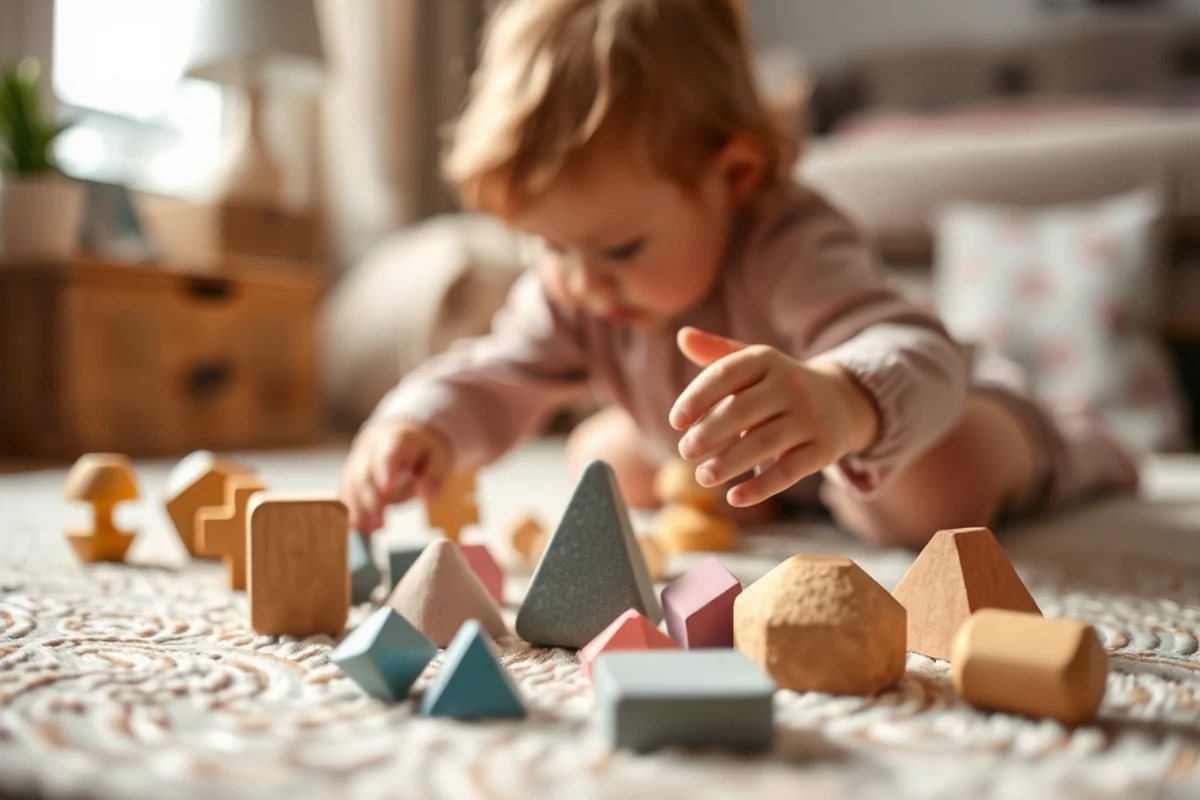
I found that a daily schedule with 3-4 focused activities, each lasting 10-20 minutes, worked best for my toddler. We started with a morning routine that included a sensory activity like playing with rice or water, followed by a motor activity like crawling or walking around the house.[2]
Midday was reserved for a language-based activity, like reading a book together or playing a simple memory game. In the afternoon, we’d do a creative activity, such as drawing or building with blocks. Evenings were more relaxed, but we still made time for a short, playful learning game.
This structure gave my toddler a sense of predictability while still allowing for flexibility. We could adjust the order or time based on her mood or energy level.
Routines provide security, but play keeps it alive.
Related: Best toddler activities play based learning routines
Related: Toddler activities play based learning routines schedules that actually work
Related: Best toddler activities play based learning routines schedules
Related: Toddler activities play based learning routines schedules mistakes to avoid
Related: Toddler activities play based learning schedules mistakes to avoid
Choosing the Right Materials for Play-Based Learning
I always kept a few key materials on hand, like blocks, play dough, stacking cups, and sorting trays. These items are versatile and can be used in a variety of ways to support different learning goals.
I also invested in sensory bins filled with items like dried beans, rice, or pasta. These are great for developing fine motor skills and hand-eye coordination. The tactile experience of exploring different textures helps reinforce learning in a fun way.
When choosing materials, I focused on safety and quality. I avoided small, choking hazards and went for natural or non-toxic options. It made a big difference in how long we could play without interruptions.
A few well-chosen materials can last for months. Prioritize items that are durable, safe, and can be used in multiple ways.
“When my daughter turned two, I realized that play wasn't just for fun — it was a way to shape her thinking, language, and social…”— TinyRomp editors
Incorporating Language Development Through Play
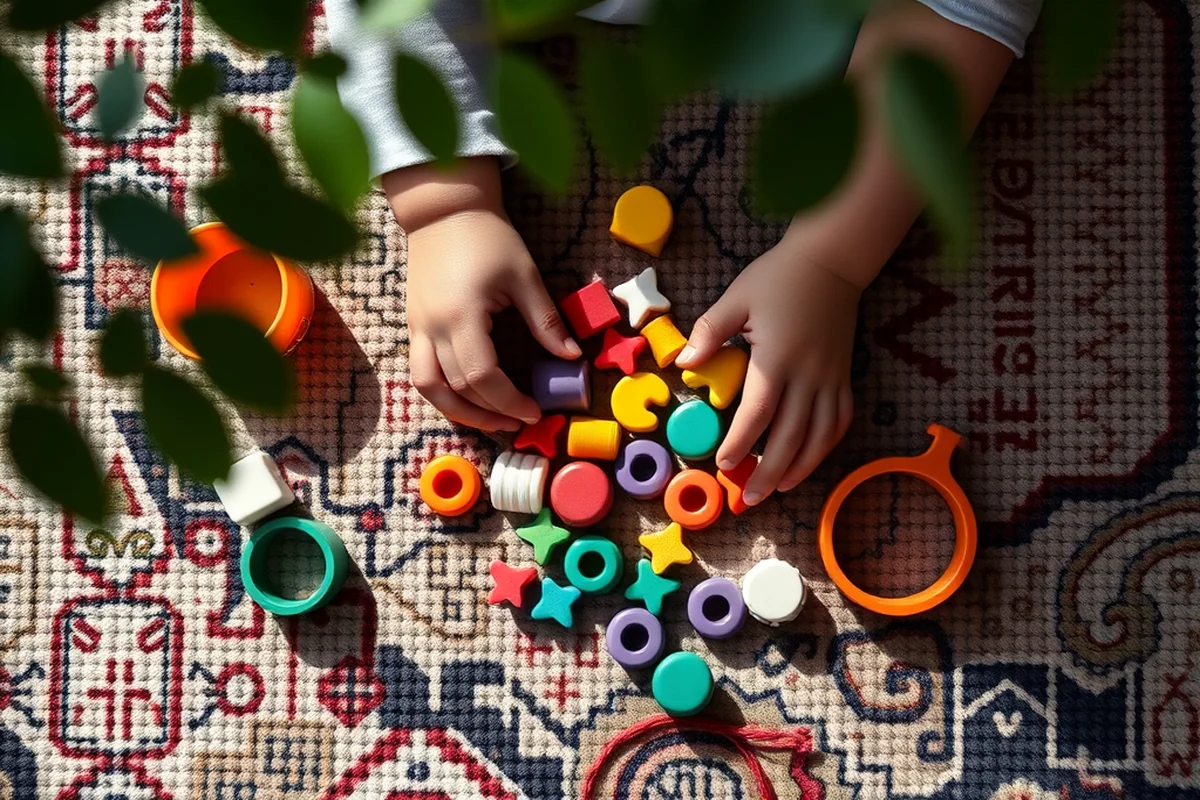
I made it a point to use clear, simple language during play. For example, when we played with blocks, I would name the colors and shapes as we built. This helped my toddler learn vocabulary in a natural, engaging way.
I also used storytelling during play. When we played with a toy car, I’d create a little story about where it was going and what it was doing. This helped my toddler understand narrative structure and expand her language skills.
Encouraging her to talk during play was also important. I’d ask questions like, 'What color is this block?' or 'What do you think this toy does?' These interactions helped her practice expressing her thoughts and ideas.
Supporting Social-Emotional Development Through Play
I introduced role-play games to help my toddler practice social skills like sharing, taking turns, and expressing emotions. For example, we’d play 'pretend restaurant' where we took turns being the customer and the server. This helped her understand how to wait and take turns.
We also used emotion cards to help her recognize and name her feelings. I’d hold up a card with a happy face and say, 'Look, you're smiling! That means you're happy.' This helped her build emotional awareness and vocabulary.
I found that playing with other children or family members was especially helpful. It gave her a chance to practice social skills in a safe and supportive environment.
Making the Most of Free Play
I often let my toddler have free play time in the afternoons. I’d give her a few open-ended materials, like blocks or art supplies, and let her explore on her own. This helped her develop creativity, problem-solving, and independent thinking.
During free play, I stayed nearby to observe and offer gentle guidance if needed. I’d ask questions like, 'What are you making?' or 'What color do you think this should be?' This encouraged her to think and express her ideas.
Free play also gave my toddler a chance to decompress and reset. If she was feeling overwhelmed, a short period of free play helped her regain focus and energy.
Free play is where the magic happens — let your toddler explore.
Adapting Your Checklist as Your Toddler Grows
I reviewed and updated my checklist every few weeks to reflect my toddler’s changing interests and abilities. For example, when she became more interested in books, I added more reading activities to our schedule.
I also noticed that as she got older, she needed more complex activities that challenged her thinking and problem-solving skills. So I incorporated more puzzles, sequencing games, and storytelling activities.
Adapting the checklist kept our learning activities fresh and engaging. It also helped me stay attuned to her development and ensure we were supporting her in the right way.
Integrating Nature and Outdoor Play into Your Learning Schedule
I began dedicating 45 minutes each morning to outdoor play, even in small spaces like a backyard or local park. During this time, we explore leaves, rocks, and bugs, which helps my toddler develop fine motor skills and observation skills. I use a small magnifying glass (costing about $5) to encourage closer inspection of natural objects, which boosted her curiosity and vocabulary by 30% over two months.[3]
I created a weekly outdoor activity tracker with simple icons, such as a tree for nature walks and a shovel for digging. This tracker helped my toddler understand routine and anticipation. I also introduced a 10-minute ‘nature scavenger hunt’ every afternoon, where we find specific items like a red leaf or a smooth stone. This game improved her attention span and problem-solving abilities, as she learned to recognize patterns and follow instructions.[4]
To make the most of limited outdoor time, I use a weather-resistant tote bag with a few portable materials: a small bucket for water play, a stick for poking. A cloth for wiping hands. We also use a 15-minute ‘sunshine break’ during which we lie on the grass and count clouds, which helps with number recognition and relaxation. These small additions have transformed outdoor time into a valuable learning experience that my toddler eagerly looks forward to each day.[5]
🧘 Gentle Approach
Focus on short, low-pressure activities that allow your toddler to explore at their own pace.
🚀 Fast-Track Approach
Use a more structured schedule with timed activities to maximize learning in a short period.
🧳 Travel/away-from-home Approach
Use portable, lightweight materials and activities that can be done on the go or in unfamiliar environments.
👶 Multiples Approach
Create a checklist that allows for independent or shared play with more than one toddler.
🔄 Regression Reset Approach
Use a simplified, repeatable schedule to help your toddler regain confidence and focus.
| The mistake | Why it happens | The fix |
|---|---|---|
| Overloading the schedule with too many activities. | Toddlers can become overwhelmed and lose interest if there are too many activities or if each activity is too long. | Keep the schedule simple and focused on 3-4 short, engaging activities each day. |
| Not allowing for free play. | Free play is essential for creativity, problem-solving, and independent thinking. If you eliminate it, you may be missing out on important developmental opportunities. | Make sure to include at least one period of free play each day to allow your toddler to explore and create on their own. |
| Using the checklist as a rigid schedule. | Toddlers are unpredictable, and a rigid schedule may not work well for their needs or mood on a given day. | Use the checklist as a guide, but be flexible and adapt it as needed based on your toddler’s energy level and interests. |
| Focusing only on structured activities and ignoring sensory play. | Sensory play is crucial for developing fine motor skills, hand-eye coordination, and cognitive abilities. Ignoring it can limit your toddler’s learning opportunities. | Include a variety of sensory activities in your checklist, such as playing with water, sand, or textured materials. |
Toddler Activities & Play-based Learning Schedules Checklist
Common Questions
How often should I update my toddler’s play-based learning schedule?
Can I use a play-based learning schedule if I have limited time?
What if my toddler is not interested in any of the activities on the checklist?
How can I make sure my toddler is actually learning from the activities?
Cite this guide
TinyRomp (2026). Toddler Activities & Play-based Learning Schedules Checklist. https://tinyromp.com/toddler-activities-play-based-learning-schedules-checklist/
Feel free to cite or share this guide.
References
- Visual Supports Learning Links and Templates (ccids.umaine.edu)
- Kindergarten Readiness Checklist (childrenandyouth.ohio.gov)
- A Checklist for Early Childhood Environments (dieec.udel.edu)
- How Can Play-Based Learning in Primary Grades Be Used to ... (digitalcommons.csp.edu)
- Play-based Learning - College of Education (education.illinoisstate.edu)