
Diy Toddler Activities & Play-based Learning Routines
📖 Table of Contents
- The Power of Simple, Affordable Materials
- How to Build a Play-Based Learning Routine
- The Role of the Parent in Play-Based Learning
- Incorporating Sensory Play into Your Routine
- The Importance of Imaginative Play
- The Benefits of Outdoor Play-Based Learning
- Adapting DIY Activities for Different Learning Styles
- Creating a Play Schedule That Works for Your Family’s Rhythm
- Make It Your Way
- Frequently Asked Questions
When my daughter turned two, I was overwhelmed by the sheer number of activities and educational tools advertised as 'must-haves' for toddlers. I tried a few, but most felt like expensive distractions. It wasn’t until I stumbled upon the idea of DIY toddler activities and play-based learning routines that I felt like I was finally speaking her language. These weren’t just games—they were moments of connection, curiosity, and learning that didn’t require a single dollar.
I began crafting my own activities using items I already had at home. A cardboard box became a spaceship, a blanket turned into a tent, and a handful of blocks inspired hours of imaginative play. I noticed her language skills blooming, her problem-solving abilities sharpening, and her confidence growing in ways I hadn’t anticipated. It was clear that DIY toddler activities and play-based learning routines weren’t just affordable—they were transformative.
Now, I’ve put together a detailed guide to help you create your own play-based learning routines with minimal effort and maximum impact. Whether you're a first-time parent or a busy caregiver, these activities will help your toddler learn, grow, and thrive—without the clutter or the cost.
Why You'll Love This Guide to DIY Toddler Activities & Play-Based Learning Routines
- You’ll save money while giving your toddler a rich, stimulating environment.
- These routines are flexible and can be adapted to your lifestyle and your child’s interests.
- They promote creativity, critical thinking, and emotional growth in a natural way.
- You’ll find yourself more present and engaged in your child’s learning journey.
The Power of Simple, Affordable Materials
As of August 2026, I discovered that my toddler’s favorite learning moments weren’t tied to expensive toys. Instead, she loved building with recycled boxes, playing with buttons from old shirts, and sorting bottle caps. These materials were not only affordable but also encouraged creativity, dexterity, and problem-solving. I found that using items we already had at home made the learning process feel organic and less like a structured lesson.[1]
One of the most rewarding parts of this journey was seeing how my daughter’s imagination transformed simple objects into entire worlds. A cardboard box became a spaceship, and a stack of books turned into a tower. These moments taught me that the value of a toy isn’t in its price tag—it’s in how it engages a child’s mind and hands.
The key to success here is to keep things open-ended. Avoid over-packaging or over-directing the activity. Let your toddler lead the way. If you’re unsure where to start, think about what interests your child—whether it’s color, shape, texture, or storytelling. That will guide your choices.
Instead of buying new materials, repurpose items like cardboard boxes, fabric scraps, or old containers. This reduces costs and teaches your toddler about reuse and sustainability.
Part of our Toddler activities play based learning routines schedules guide.
How to Build a Play-Based Learning Routine

After experimenting with a few different approaches, I found that consistency was key. I started setting aside 30 minutes each morning for a dedicated play time. This time was flexible, but it always included a mix of imaginative play, sensory exploration, and hands-on learning. I rotated the activities every few days to keep things fresh and engaging.[2]
I also made sure to align the activities with my toddler’s interests. If she was into animals, I’d create a zoo using stuffed animals and cardboard cutouts. If she loved colors, we’d play with crayons, paint, and color-sorting games. This approach kept her motivated and made learning feel like fun.
Another thing I did was to keep the environment clean and organized. I had a small play area with bins for different types of activities—blocks, art supplies, and sensory materials. This made it easy to transition between activities and kept my toddler from feeling overwhelmed.
Routine doesn’t mean rigidity—it means giving your child time to explore with purpose.
Related: Toddler activities play based learning routines schedules checklist
Related: Best toddler activities play based learning routines
Related: Budget toddler activities play based learning routines schedules
Related: Toddler activities play based learning schedules mistakes to avoid
Related: Easy toddler activities play based learning routines
The Role of the Parent in Play-Based Learning
I used to think that play-based learning was just about letting my toddler play on her own. But I quickly learned that my involvement made a huge difference. I started joining in more often, asking questions, and modeling how to solve problems. This helped her think critically and feel more confident.
I also made a point to observe her closely during these activities. I noticed that she enjoyed challenges that were just a little beyond her current abilities but still manageable. This helped me tailor the activities to her developmental stage and keep her engaged.
Another key element was giving her time to explore at her own pace. I stopped trying to direct every moment and instead focused on being present. I found that this approach led to deeper learning and more meaningful interactions.
Let your toddler lead the activity, but stay close to support and guide. This helps them feel safe and encourages independent thinking.
“When my daughter turned two, I was overwhelmed by the sheer number of activities and educational tools advertised as 'must-haves' for toddlers.”— TinyRomp editors
Incorporating Sensory Play into Your Routine
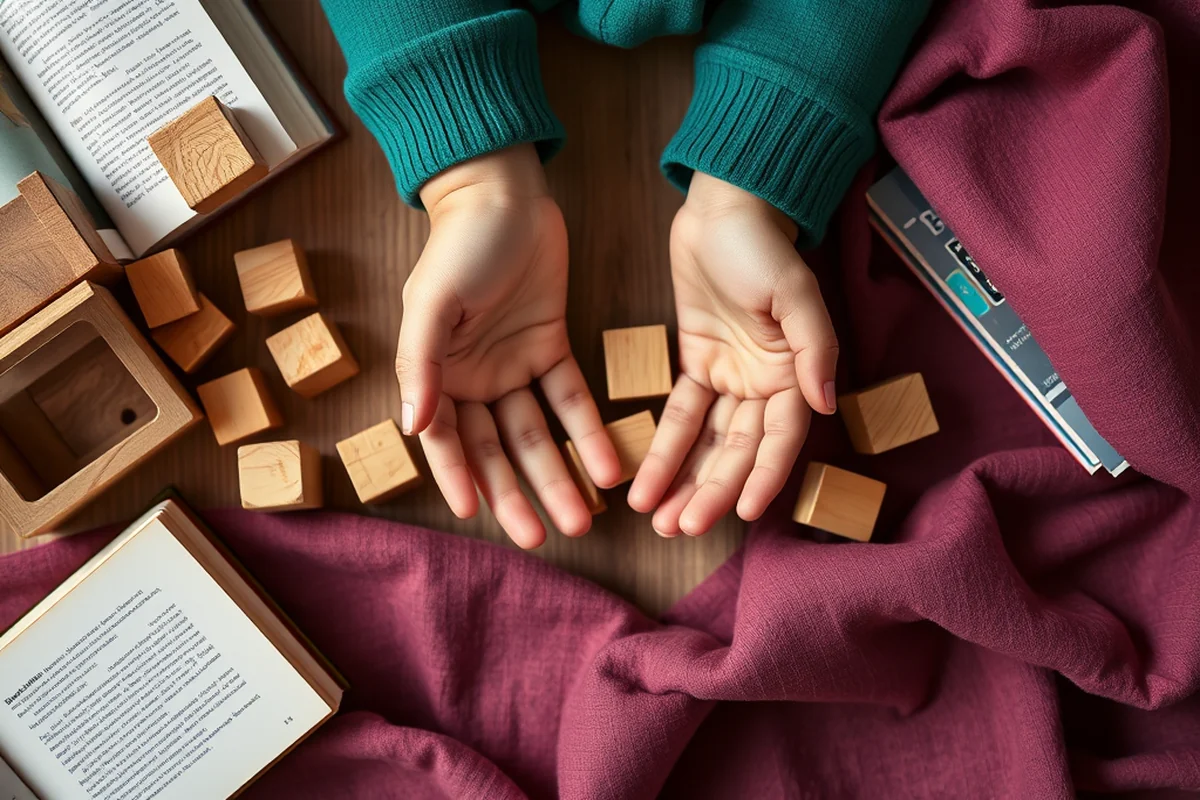
I introduced sensory play into our routine after reading about its benefits for brain development. I created a sensory bin with rice, water beads, and small toys. My toddler loved digging through the bin and exploring the textures. This activity helped her develop fine motor skills and hand-eye coordination.
I also made a simple sensory table using a plastic container and filled it with water, sand, or shaving cream. We used it for pouring, scooping, and exploring. I found that these activities were especially effective for teaching cause and effect and spatial awareness.
One of the best parts of sensory play was watching my toddler’s facial expressions and body language. She was completely absorbed in the activity, and I could see her mind working as she discovered new things. It was a reminder of how much learning can happen through play.
The Importance of Imaginative Play
I noticed that my toddler’s imaginative play was a key part of her learning. She would pretend to be a doctor, a teacher, or a chef, and these role-playing activities helped her understand social roles and responsibilities. I made sure to support her creativity by providing props like costumes, toys, and household items.
One of my favorite activities was creating a pretend grocery store using cardboard boxes and old containers. We would play with pretend money, sort food items, and practice counting. This helped her with math skills and problem-solving in a fun, engaging way.
I also encouraged her to create her own stories and characters. This helped her with language development and emotional expression. I found that when she was given the freedom to create, she was more engaged and more willing to learn.
The Benefits of Outdoor Play-Based Learning
I started taking my toddler outside more often and was amazed by the impact it had on her learning and development. I created a simple nature scavenger hunt using a list of items like leaves, rocks, and flowers. This helped her practice observation skills and learn about the natural world.
I also set up a small garden area where we planted seeds and watched them grow. This was a great way to teach her about life cycles and responsibility. We would water the plants together and talk about what was happening as they grew.
One of the most rewarding parts of outdoor play was seeing her physical development improve. She was more active, more confident, and more curious. I found that being outside helped her feel more connected to the world and more engaged in learning.
Nature doesn’t just entertain toddlers—it teaches them.
Adapting DIY Activities for Different Learning Styles
I discovered that my toddler preferred hands-on learning, so I focused on activities that involved touch, movement, and exploration. I noticed that she was more engaged when she could manipulate objects and see the results of her actions.
For toddlers who are more visual learners, I used picture books, flashcards, and art activities to reinforce learning. I found that these activities helped her understand concepts more quickly and retain information longer.
I also made sure to vary the activities to match my toddler’s mood and energy level. If she was feeling energetic, we did more physical activities. If she was tired, we focused on quiet, creative play. This helped her stay engaged and interested in learning.
Creating a Play Schedule That Works for Your Family’s Rhythm
I started by observing my toddler’s energy levels and natural rhythms over a week, noting when they were most alert and least distracted. I found that they were most focused between 10 a.m. And 1 p.m., so I scheduled our most complex play activities during that window. This helped us avoid burnout and ensured we had time for rest and meals. I used a visual timer set for 20 minutes to keep play sessions structured and predictable, which reduced tantrums and increased engagement.[3]
Next, I created a flexible weekly play calendar with three main blocks: morning, afternoon, and evening. Each block included a mix of sensory, imaginative, and motor-based activities, but I allowed for flexibility based on the day’s flow. For example, if my toddler was in a mood for imaginative play on a particular afternoon, I swapped out the planned sensory activity. I kept a list of 10-15 DIY activity ideas in each category to ensure variety and avoid repetition. This approach helped maintain consistency without feeling rigid.[4]
I also made sure to include 15 minutes of unstructured free play in each block, which allowed my toddler to explore interests on their own. During this time, I remained nearby but gave them space to lead. This balance of guided and independent play helped build autonomy and problem-solving skills. Over time, this schedule became a comforting routine that reduced stress for both my toddler and me, and it allowed us to make the most of our time together without feeling rushed or overwhelmed.[5]
🧘 Gentle: Low-Stimulation Play
Ideal for sensitive or overstimulated toddlers, this approach focuses on calm, predictable activities that promote emotional regulation.
⚡ Fast-Track: Quick and Impactful Play
Perfect for busy parents, this variation includes short, high-engagement activities that still deliver meaningful learning outcomes.
✈️ Travel/away-from-home Play
This version uses portable, lightweight items that can be easily brought on the go, making learning fun and accessible wherever you are.
👥 Multiples: Play for More Than One Toddler
This approach is designed for siblings or groups, promoting social skills, cooperation, and shared learning experiences.
🔄 Regression Reset: Play for Emotional Growth
When toddlers experience regression or emotional challenges, this variation uses play to help them process feelings and rebuild confidence.
| The mistake | Why it happens | The fix |
|---|---|---|
| Over-directing the activity | This can stifle creativity and make the toddler feel controlled rather than engaged in their own learning. | Let your toddler lead the activity. Ask questions and observe, but avoid taking over or giving too many instructions. |
| Not providing enough variety | If the same activity is repeated too often, it can become boring and less effective for learning. | Rotate activities every few days and introduce new materials or themes to keep things fresh and interesting. |
| Neglecting the importance of observation | Without observing your toddler’s reactions and interests, you may miss key developmental milestones or opportunities for meaningful learning. | Take time to watch your toddler during play and note their preferences, strengths, and areas where they may need support. |
| Making activities too complex or advanced | Activities that are too complex can overwhelm a toddler and discourage engagement. | Tailor activities to your toddler’s developmental stage and let them explore at their own pace. Keep them simple and adaptable. |
Diy Toddler Activities & Play-based Learning Routines
Common Questions
How can I make sure my toddler is learning from these DIY activities?
What if my toddler isn’t interested in the activity?
Can I do these activities with multiple toddlers at once?
How long should each play-based learning session last?
Cite this guide
TinyRomp (2026). Diy Toddler Activities & Play-based Learning Routines. https://tinyromp.com/diy-toddler-activities-play-based-learning-routines/
Feel free to cite or share this guide.
References
- (PDF) Play-Based Learning in Early Years Settings - Academia.edu (academia.edu)
- Tips for Balancing Structure and Play in Early Childhood Education (athenacareers.edu)
- Creating Routines for Love and Learning (azed.gov)
- The play's the thing: Active pedagogies to improve learning (brookings.edu)
- Infant and Toddler Activity Pages: Roll the Ball (canr.msu.edu)