
Simple Toddler Activities & Play-based Learning Checklists
📖 Table of Contents
- The Power of Simple Toddler Activities
- Play-Based Learning Checklists: Your Daily Guide
- The Science Behind Play-Based Learning
- Creating a Play-Based Learning Routine
- Simple Toddler Activities You Can Try Today
- The Benefits of Play-Based Learning Checklists
- Making Play-Based Learning a Part of Your Daily Life
- Make It Your Way
- Frequently Asked Questions
When my son was two, I found myself in a full-time, part-time job: trying to keep up with his energy while also keeping his brain engaged. He’d zoom around the house, asking questions that made me rethink everything I thought I knew about early learning. I tried flashcards, puzzles, and even a few apps — but nothing felt as natural or as effective as the simple toddler activities we did together on the floor. Those moments, when he was giggling as we built block towers or sorting colorful buttons, were where his curiosity bloomed. I realized then that play-based learning checklists could be our secret weapon — not just for his development, but for our connection.[5]
The key to play-based learning isn’t about having the most expensive toys or the most elaborate setups. It’s about intention, presence, and a few well-thought-out activities that spark curiosity and create opportunities for learning. My toddler’s favorite was stacking blocks — not because they were fancy, but because we made them fun. We counted how many blocks were in a tower before it collapsed, we sang songs while we built, and we talked about shapes and colors. These simple toddler activities became part of our daily rhythm. I noticed subtle changes in his attention span, his language, and even his empathy as he began to understand the concept of turn-taking.
I’ve since compiled a set of play-based learning checklists, which I use to guide my time with him every day. They’re not rigid plans — they’re flexible tools that help me stay focused on what matters: making sure he’s learning through joy, not pressure. These checklists have helped me avoid burnout and keep our playtime both meaningful and manageable. Whether we’re at home or on the go, these activities are simple, adaptable, and packed with developmental benefits — and I want to share them with you.
Why You'll Love This Simple Toddler Activities & Play-Based Learning Checklists
- They’re easy to implement and don’t require expensive materials.
- They help reinforce key developmental milestones through fun and repetition.
- They allow for flexibility, whether you’re at home or on the go.
- They create opportunities for bonding and meaningful interaction with your toddler.
The Power of Simple Toddler Activities
As of August 2026, I remember the day I realized that my toddler didn’t need a fancy classroom to learn — just a few blocks, a cardboard box, and a bit of imagination. Simple toddler activities can be as straightforward as sorting buttons by color or building a tower with stacking cups. These activities are not only easy to set up, but they also encourage problem-solving, fine motor development, and even early math skills like counting.[1]
One of the most effective simple toddler activities we did was using a set of wooden blocks. We didn’t have a specific goal — we just played. But over time, I noticed that my son was learning to count, recognize patterns, and even understand the concept of balance. These moments, which felt like just play, were actually packed with learning.
The beauty of these activities is that they don’t require expensive equipment or a lot of time. They can be done in just 10–15 minutes and still leave a lasting impact. Whether you’re at home or on the go, simple toddler activities are the perfect way to keep your child engaged and learning.[2]
Don’t feel like you need to buy a ton of toys. A cardboard box can be a treasure chest, and a set of buttons can be a sorting game. Use what you already have at home to create fun and meaningful learning opportunities for your toddler.
Part of our Toddler activities play based learning printables checklists guide.
Play-Based Learning Checklists: Your Daily Guide
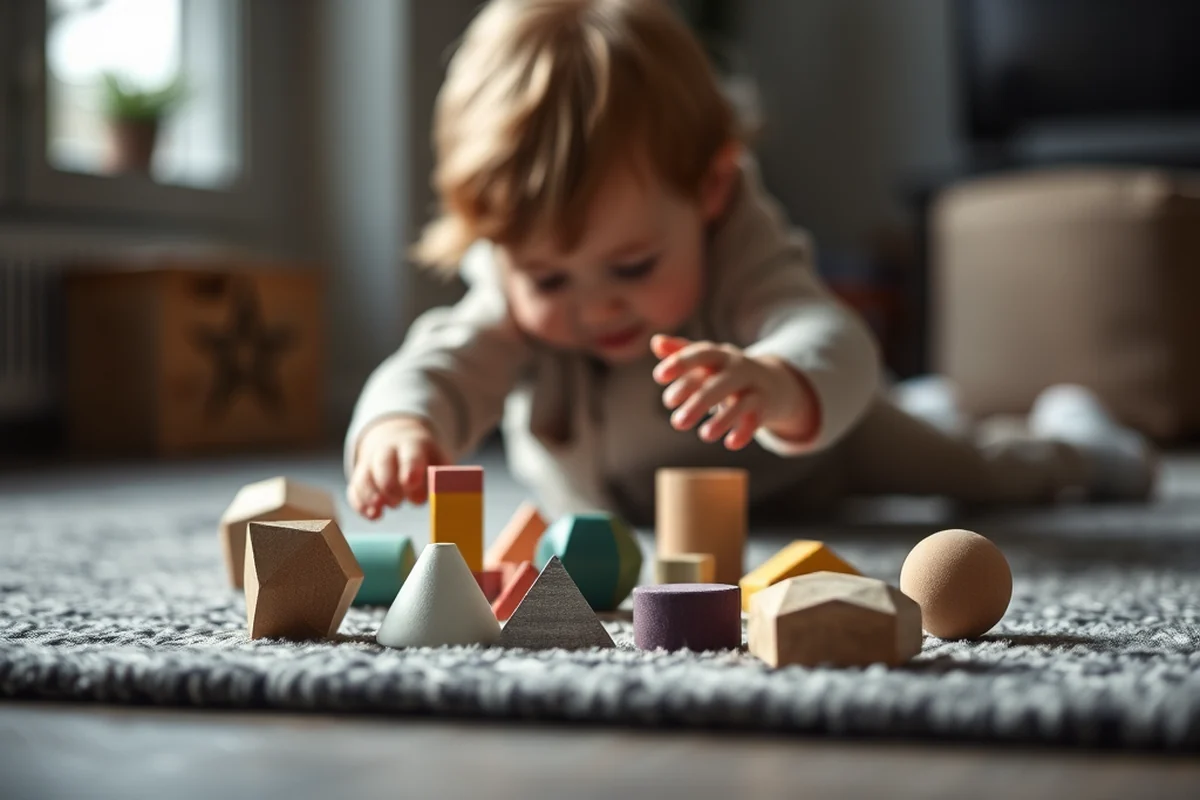
I started using play-based learning checklists to keep track of the different types of activities we did each day. These checklists helped me stay organized and ensured we covered a variety of developmental areas, from sensory play to language development. It was a simple way to make sure we were not just playing, but also learning.
Each day, I’d check off activities like sorting, building, singing, and storytelling. These checklists helped me stay consistent and ensured that our playtime was not just about fun, but also about growth. I noticed that my son’s vocabulary was expanding, and he was becoming more confident in his abilities.
The best part about using play-based learning checklists was that they gave me a sense of direction. I no longer felt like I was just winging it — I had a plan that was both flexible and purposeful. These checklists became a part of our daily routine, and they helped us stay on track with his development.
Play-based learning checklists turned chaos into clarity.
Related: Toddler activities play based learning checklists tips
Related: Quick toddler activities play based learning printables
Related: Toddler activities play based learning checklists ideas
The Science Behind Play-Based Learning
Research shows that when toddlers learn through play, they’re more likely to retain information and develop a love for learning. Play-based learning is not just about entertainment — it’s a powerful tool that helps shape a child’s cognitive, social, and emotional development.[3]
I’ve seen this in action with my toddler. He learned how to count by stacking blocks, how to recognize shapes by sorting puzzle pieces, and even how to take turns by playing games with his siblings. These activities, though simple, were actually doing a lot of heavy lifting in terms of his development.
What’s even more impressive is that play-based learning doesn’t require a lot of effort from the parent. It’s about being present and engaging in the activity with your toddler. This kind of interaction is what makes play-based learning so effective and so much fun.
When you’re playing with your toddler, be fully present. Ask questions, encourage exploration, and participate in the activity. This engagement is what makes play-based learning so powerful and effective.
“When my son was two, I found myself in a full-time, part-time job: trying to keep up with his energy while also keeping his brain…”— TinyRomp editors
Related: Toddler activities play based learning printables checklists for small spaces
Related: Budget toddler activities play based learning checklists
Creating a Play-Based Learning Routine
I started by setting aside a specific time each day for play-based learning. Whether it was in the morning or in the evening, having a routine helped my toddler know what to expect and made the learning process more structured.
During this time, I focused on a specific type of activity, such as sorting, building, or storytelling. This approach helped my toddler develop a sense of consistency and made it easier for me to track his progress. I noticed that he was more engaged and more willing to participate in these activities.
The routine also helped me stay organized. I used a simple checklist to track the activities we did each day, and over time, I saw that my toddler was making steady progress in his development. This structured approach gave me peace of mind and made the process much more manageable.
Simple Toddler Activities You Can Try Today
Some of my favorite simple toddler activities include playing with blocks, sorting buttons, and using sensory bins. These activities are not only easy to set up, but they also provide a wealth of learning opportunities. I’ve noticed that my toddler’s fine motor skills improved significantly after we started doing these activities regularly.
Another activity I love is storytelling. We use picture books to tell stories together, and it’s amazing how much my toddler has learned from this. He’s developed a better understanding of language, and he’s even started making up his own stories. These moments are not just fun — they’re also incredibly educational.
Simple toddler activities can also be done in the bath. I’ve found that playing with bath toys is a great way to keep my toddler engaged and entertained while also reinforcing concepts like floating and sinking. These activities are not only fun, but they’re also a great way to spend quality time with your toddler.
The Benefits of Play-Based Learning Checklists
I’ve found that using play-based learning checklists has made a huge difference in the way I approach my toddler’s learning. These checklists help me stay on track and ensure that we’re covering a variety of developmental areas each day.
One of the biggest benefits of these checklists is that they help me stay consistent. I no longer have to worry about forgetting an activity or missing a key developmental milestone. The checklist gives me a clear guide of what we should be doing each day.
These checklists also help me track my toddler’s progress. I can see which activities he enjoys the most and which ones he needs more practice with. This information is incredibly valuable and helps me tailor our playtime to his needs.
Checklists give structure to play, and structure gives confidence to parents.
Making Play-Based Learning a Part of Your Daily Life
I’ve found that making play-based learning a part of our daily routine has been one of the most effective ways to keep my toddler engaged and learning. It doesn’t take a lot of time — just a few minutes each day can make a big difference.
I try to weave these activities into our daily schedule, whether it’s during breakfast or before bedtime. These small moments of learning have helped my toddler develop a love for learning and have made our time together more meaningful.
By making play-based learning a regular part of our lives, I’ve noticed that my toddler is more curious, more confident, and more engaged in the world around him. These activities have become a natural part of our daily rhythm, and I can’t imagine life without them.
🌿 Gentle Approach
This approach focuses on low-stimulation, calm, and sensory-rich activities that are perfect for sensitive toddlers.
⚡ Fast-Track Method
Ideal for busy parents, this method uses quick, high-impact activities that maximize learning in just a few minutes.
✈️ Travel/On-the-Go
Designed for parents on the move, this variation uses portable and no-prep activities that can be done anywhere.
👯♀️ Multiples Approach
Tailored for parents of multiple toddlers, this method includes activities that engage all children at once and encourage interaction.
🔄 Regression Reset
This variation includes activities designed to help toddlers who are going through a developmental plateau or regression.
| The mistake | Why it happens | The fix |
|---|---|---|
| Trying to force learning into play. | Forcing learning can make play feel like a chore and reduce your toddler’s interest in learning. | Let your toddler lead the play. Follow their interests and make learning feel natural and fun. |
| Using too many activities at once. | Toddlers can become overwhelmed and lose focus if they’re exposed to too many different activities at once. | Focus on one or two activities at a time and allow your toddler to explore them fully. |
| Not being present during play. | Your presence during play is essential for reinforcing learning and building a strong connection with your toddler. | Be fully engaged during play. Ask questions, encourage exploration, and participate in the activity. |
| Using only structured activities. | Structured activities may be effective, but they can limit your toddler’s creativity and independence. | Balance structured and unstructured play. Allow your toddler to explore and play freely, and only guide them when necessary. |
Simple Toddler Activities & Play-based Learning Checklists
Common Questions
How long does it take to see results from play-based learning?
Do I need any special equipment for these activities?
Can play-based learning help with social development?
What if my toddler isn’t interested in the activities?
Cite this guide
TinyRomp (2026). Simple Toddler Activities & Play-based Learning Checklists. https://tinyromp.com/simple-toddler-activities-play-based-learning-checklists/[4]
Feel free to cite or share this guide.
References
- Kindergarten Readiness (cdn.vanderbilt.edu)
- Section Seven - Helpful Activities, Handouts, and Checklists (2009-2017.state.gov)
- (PDF) Play-Based Learning in Early Years Settings - Academia.edu (academia.edu)
- Visual Supports Learning Links and Templates (ccids.umaine.edu)
- Your child at 2 years - Milestone Moments Checklist (cdc.gov)