
Easy Toddler Activities & Play-based Learning Phases
📖 Table of Contents
I remember the first time my toddler, then 18 months old, spent an hour stacking blocks in a straight line — not because I asked, but because she was absorbed in the rhythm of it. That moment taught me that toddlers don't need elaborate setups or expensive toys to learn. Simple, everyday items and thoughtful play-based learning phases can turn mundane moments into milestones. That’s what this article is about: easy toddler activities that naturally fit into the rhythms of life and align with the cognitive and motor stages toddlers go through.[1]
My toddler’s learning phases didn’t come with a schedule or a textbook. They unfolded in bursts — sometimes during bath time, sometimes while pushing a toy car across the floor. But I noticed patterns: at 18 months, she was obsessed with fitting shapes into slots; at two, she loved sorting things by color and size. These weren’t just random interests. They were clues pointing to the developmental stages of play and learning that toddlers experience. Understanding these phases helps parents choose activities that are both fun and developmentally appropriate — without the stress of overplanning.[2]
What I discovered was that the most effective toddler activities are the ones that blend into daily life. No flash, no flashy gadgets — just a few well-chosen items and a bit of patience. For example, I’ve found that cardboard boxes can become forts, puzzles, and even storytelling props. I’ve also learned that play-based learning is not about forcing knowledge but about creating environments where toddlers feel safe to explore, experiment, and make mistakes. That’s where the real learning happens — in the mess, the laughter, and the occasional ‘Why is the sky blue?’ moment.[5]
Why You'll Love This Approach
- It requires minimal resources — most items are things you already have at home.
- It allows toddlers to learn naturally, without pressure or overstimulation.
- It encourages creativity and independent thinking from a young age.
- It adapts to the unique learning phases of your child, making play both purposeful and engaging.
Understanding Play-Based Learning Phases
As of August 2026, Toddlers typically go through several key phases of play-based learning, each building on the previous one. The sensorimotor phase, which occurs from about 0 to 2 years, is all about exploring the world through touch, taste, and movement. By the time a toddler is 18 months, they’re often in the symbolic play phase, where they use objects to represent other things — like pretending a stick is a sword. Understanding these phases helps parents choose activities that support their toddler’s current developmental stage, making learning both fun and effective.[3]
For example, during the sensorimotor phase, toddlers learn best through hands-on exploration. A simple activity like playing with water in the kitchen, feeling different textures, or rolling a ball across the floor can teach them about cause and effect. In the symbolic play phase, a toddler might enjoy pretending to cook, dress up, or build with blocks. These phases are not rigid — they can overlap — but they offer a roadmap for parents to support their child’s development without forcing anything.
By paying attention to these phases, parents can create a more meaningful and engaging play environment. I’ve noticed that when my toddler was in the symbolic play phase, she was more interested in role-playing and storytelling than in structured activities. This gave me insight into what she was ready for, and I could tailor my approach accordingly.
Watch your toddler closely during play. If they're repeating the same action, they’re likely exploring cause and effect. If they're pretending, they're in symbolic play. Adjust your approach based on what they seem interested in.
Part of our Toddler activities play based learning troubleshooting phases guide.
Simple, Everyday Items as Learning Tools
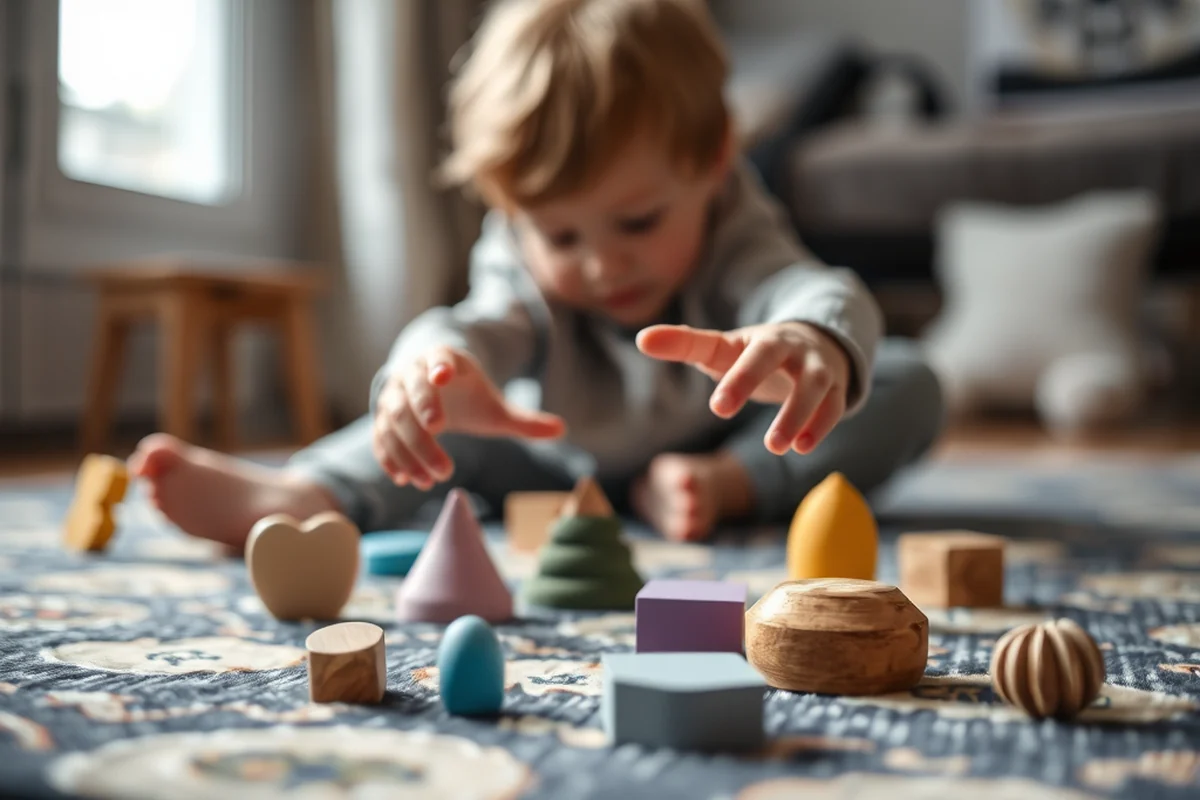
Cardboard boxes, fabric scraps, and even old containers can become the building blocks of a toddler’s imagination. I’ve used cardboard boxes to create forts, tunnels, and even pretend cars for my toddler. These activities not only encourage creativity but also help develop fine and gross motor skills as they manipulate the materials.
Loose parts — like wooden blocks, buttons, and beads — are also excellent for open-ended play. I’ve noticed that when I place a few loose parts on the floor, my toddler will spend hours sorting, stacking, and arranging them. This type of play supports cognitive development, problem-solving, and spatial awareness.
In fact, I’ve made it a rule to keep a few open containers with loose parts in a low, accessible place. It’s amazing how often my toddler gravitates toward them, using them in ways I never imagined. These items become extensions of her imagination, and they’re always there when she’s ready to explore.
Imagination has no limits — and neither do the possibilities of a cardboard box.
Related: Simple toddler activities play based learning troubleshooting
Related: Toddler activities play based learning troubleshooting phases examples
Related: Best toddler activities play based learning phases
Related: Toddler activities play based learning troubleshooting examples
Related: Toddler activities play based learning phases checklist
The Power of Routines in Learning
Toddlers thrive on consistency, and routines help them understand what comes next. I’ve found that having a consistent morning and bedtime routine not only helps with sleep and behavior but also creates opportunities for learning. For example, during our morning routine, we read a book together. This simple activity helps with language development and bonding.
Routines also offer a chance to incorporate learning into everyday tasks. I’ve made it a habit to sing a song while we put on shoes or count steps while walking up the stairs. These small moments add up and support early math and language skills without the need for formal instruction.
I’ve seen a noticeable difference in my toddler’s behavior and engagement when we stick to routines. She seems more relaxed, more curious, and more willing to explore new activities. Consistency is the key — and it doesn’t have to be complicated.
Create a simple, consistent daily schedule that includes time for play, meals, and rest. Stick to it, and your toddler will feel more secure and ready to learn.
“I remember the first time my toddler, then 18 months old, spent an hour stacking blocks in a straight line — not because I asked…”— TinyRomp editors
The Joy of Unstructured Play
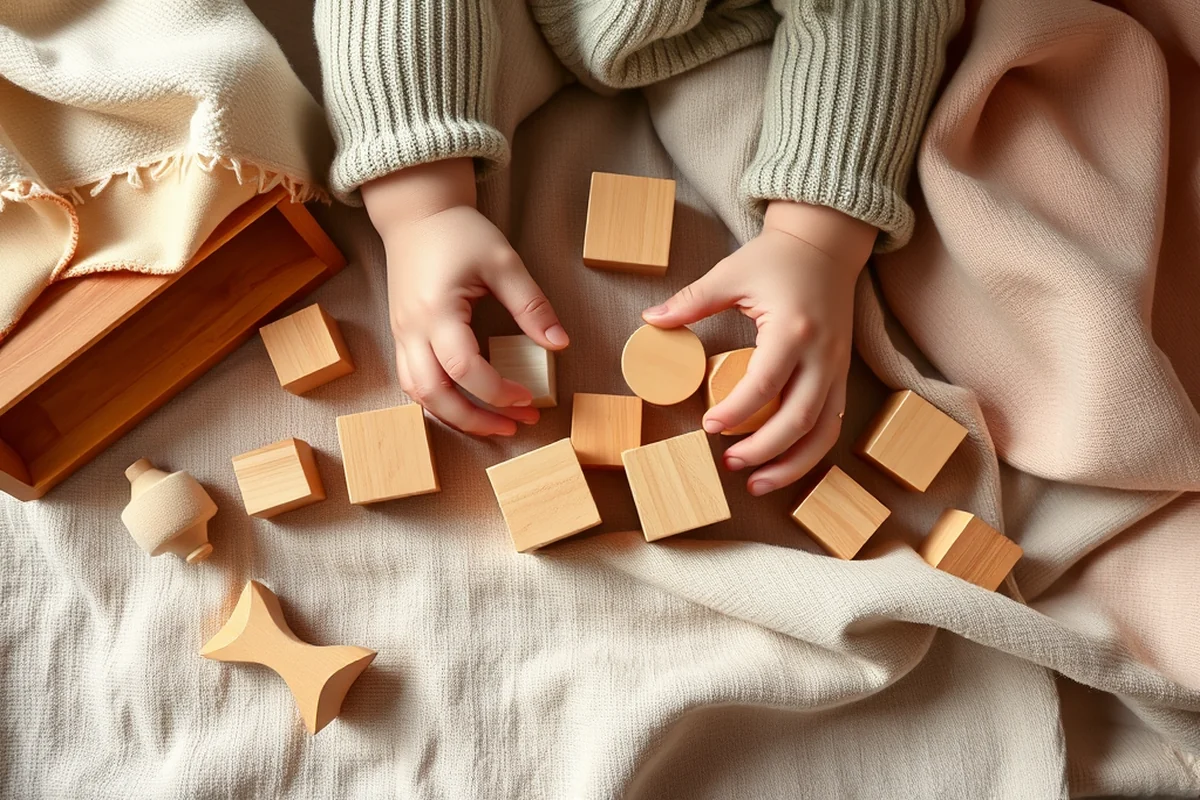
Unstructured play is different from planned activities — it doesn’t have a specific goal, and it doesn’t require adult direction. I’ve found that the most engaging moments for my toddler are the ones where she’s just playing on her own, exploring her environment. These moments are not only joyful for her but also incredibly valuable for her development.
During unstructured play, toddlers practice decision-making, problem-solving, and self-regulation. I’ve seen my toddler figure out how to climb into a box on her own, or how to stack blocks without help. These are the skills she’ll need later in life, and they’re learned best through trial and error — not through instruction.
To support unstructured play, I’ve made it a point to create a safe, open space where she can explore freely. I’ve also learned to step back and let her lead the way — even if it means watching her ‘destroy’ a puzzle or make a mess with paint. These are the moments where real learning happens.
Incorporating Nature into Play
Being outdoors is one of the most enriching experiences for a toddler. I’ve found that taking my toddler to the park or even just walking around the neighborhood helps her develop a sense of curiosity and connection to the world. Nature provides a natural setting for learning, where she can observe changes in the environment, explore textures, and engage in unstructured play.
I’ve made it a habit to take our toddler on short nature walks at least once a day. We collect leaves, stones, and flowers, and she loves talking about the colors and shapes. These walks also help with language development as we describe what we see and do.
One of my favorite activities is taking her to the beach or a lake. The water is a natural sensory experience, and she loves playing in the sand, floating, and collecting seashells. These moments are not only educational but also deeply bonding and memorable.
The Role of Siblings in Play and Learning
When toddlers play with siblings, they learn valuable social skills like sharing, turn-taking, and communication. I’ve noticed that my toddler is more engaged and creative when she plays with her brother. They often engage in imaginative play together, creating stories and pretending to be different characters.
Siblings also provide a natural learning environment where toddlers can observe and imitate each other. I’ve seen my toddler copy her brother’s actions during play, which helps her develop language and motor skills. These interactions are not only fun but also incredibly beneficial for her development.
To encourage sibling play, I’ve created a play area with a variety of open-ended toys that both children can use. I’ve also made it a point to model positive interactions and encourage cooperation. This has helped create a more harmonious and engaging play environment.
Siblings are not just playmates — they’re the first teachers.
The Value of Parental Participation in Play
When parents participate in play, it not only supports learning but also creates a deeper connection with the child. I’ve found that playing with my toddler is one of the most rewarding parts of my day. It gives me a chance to see her world through her eyes and to support her development in a meaningful way.
Playing together helps toddlers learn social skills, language, and emotional regulation. I’ve noticed that when I join my toddler in a game, she becomes more confident and more willing to explore new activities. This type of interaction is essential for her development and for building trust.
To make the most of this time, I’ve made it a point to be fully present during play. I’ve also learned to follow her lead rather than directing the activity. This approach has helped create a more engaging and supportive play environment for her.
🌱 Gentle Approach
Focus on low-energy play and slow, intentional interaction. Ideal for toddlers who need more time to explore and process their environment.
🚀 Fast-Track Approach
Use a variety of quick, structured activities that keep toddlers engaged and learning in a short amount of time.
✈️ Travel/ Away-from-Home Approach
Choose portable, lightweight items that are easy to carry and use in new environments, like hotels or parks.
👯♀️ Multiples Approach
Design play activities that can be enjoyed by multiple children at the same time, promoting social interaction and shared learning.
🔄 Regression Reset Approach
Introduce familiar, comforting activities during times of regression or stress to help toddlers regain a sense of security and balance.
| The mistake | Why it happens | The fix |
|---|---|---|
| Forcing a toddler to engage in an activity they're not interested in. | This can create resistance and reduce the joy of learning. Toddlers thrive when they choose their own activities. | Offer choices and let your toddler lead the way. Follow their interests rather than pushing them toward what you think they should be doing. |
| Overloading a toddler with too many activities at once. | This can overwhelm a toddler and reduce their ability to focus and learn effectively. Toddlers need time to process and explore. | Keep activities simple and focused on one concept or skill at a time. Allow plenty of time for exploration and repetition. |
| Neglecting unstructured play in favor of structured activities. | Unstructured play is essential for creativity, problem-solving, and self-directed learning. Structured activities alone can limit a toddler’s ability to explore and innovate. | Balance structured and unstructured play. Allow time for free exploration and let your toddler lead the way. |
| Using too many screens or electronic toys for learning. | While screens can be educational, they do not replace the benefits of hands-on, interactive play. Toddlers need physical movement and sensory experiences to develop fully. | Limit screen time and prioritize activities that involve movement, touch, and imagination. Choose toys that encourage exploration and creativity. |
Easy Toddler Activities & Play-based Learning Phases
Common Questions
How can I keep my toddler engaged in play for longer periods?
What should I do if my toddler refuses to participate in an activity?
How can I support my toddler’s learning without overplanning?
What are some signs that a toddler is ready for the next play-based learning phase?
Cite this guide
TinyRomp (2026). Easy Toddler Activities & Play-based Learning Phases. https://tinyromp.com/easy-toddler-activities-play-based-learning-phases/[4]
Feel free to cite or share this guide.
References
- Why New ECE Teachers Should Embrace Play-Based Learning (athenacareers.edu)
- The power of play – Part 1: Stages of play - Child & Family ... (canr.msu.edu)
- 3R's of Early Learning - Anita Zucker Center (ceecs.education.ufl.edu)
- Guidance from - Council on Children and Families (ccf.ny.gov)
- Positive Parenting Tips: Toddlers (1–2 years old) | Child Development (cdc.gov)