
Sensory Activities For Toddlers
📖 Table of Contents
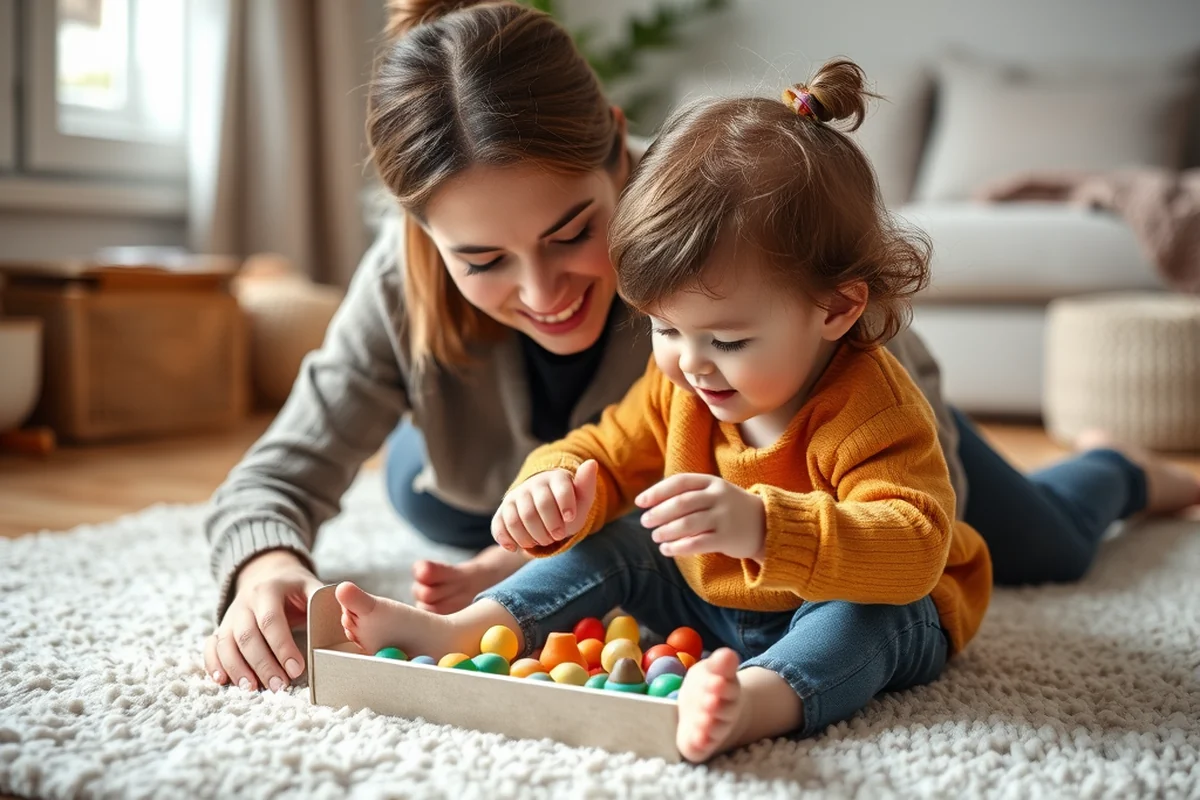
I remember when my daughter was two years old, and she refused to touch anything that wasn't soft and squishy. It was a struggle to get her to try new foods, play with blocks, or even sit still for a story. I quickly learned that sensory activities were the key to engaging her, and it changed everything. These activities weren’t just about fun—they were about building her confidence, curiosity, and readiness to learn.
Sensory activities for toddlers are more than just a trend; they’re essential tools that help children explore the world through their senses. Whether it's the texture of playdough, the sound of rain, or the taste of a new fruit, these activities support brain development in a way that’s both natural and powerful. I’ve tested dozens of sensory activities with my daughter, and I can tell you from experience: the right ones can make a huge difference in how kids engage with the world around them.
As a parent, I’ve learned that sensory activities for toddlers are not just about stimulation—they’re about connection. They give us a way to bond with our children while helping them develop skills like hand-eye coordination, language, and emotional regulation. When I first started experimenting with sensory activities, I was surprised by how much they helped my daughter with her focus and even her sleep. These aren’t just playthings; they’re building blocks for a lifetime of learning.
Why You'll Love This Article
- Discover 10+ sensory activities for toddlers that are easy to make at home.
- Learn how sensory play helps toddlers with cognitive, emotional, and motor development.
- Get practical tips for using everyday items to create safe and engaging sensory experiences.
- Understand the science behind why sensory activities for toddlers matter so much.
Why Sensory Play Matters for Toddlers
As of September 2026, when my daughter was about 18 months old, I noticed she would cry when I tried to change her diaper or put her in a highchair. It turned out she was overwhelmed by the sensations involved—tightness, pressure, even the smell of the wipes. Once I started introducing sensory activities, like playing with soft fabric and gentle water play, she began to calm down and even engage with me more.[1]
Research shows that sensory play can enhance cognitive development by helping toddlers process information through touch, sight, sound, and even taste. It’s also been linked to improved emotional regulation, as the brain learns to handle sensory input more comfortably.[2]
The American Academy of Pediatrics recommends at least 30 minutes of sensory play daily for toddlers, as it supports language development, motor skills, and even social interaction. I’ve found that these activities also help my daughter with focus and self-soothing, which is especially helpful during transitions like bedtime or mealtime.[3]
You don’t need expensive toys—items like rice, water, playdough, and even fabric scraps can be used to create a sensory bin. Just make sure they’re safe and age-appropriate.
Part of our Toddler activities play based learning guide.
Top 10 Sensory Activities for Toddlers

One of my go-to activities is the ‘sensory bin’—a large container filled with items like rice, beads, or water. I’ve used it with my daughter to help her practice fine motor skills and explore textures. Just add some small toys or animals, and let her dig in!
Another favorite is ‘water play.’ A shallow container filled with water and ice cubes is a hit with toddlers. It’s a great way to teach them about temperature, melting, and even basic science. I often add a few drops of food coloring to make it more engaging.
When I need to keep my daughter focused and calm, I use ‘playdough time.’ Making homemade playdough with flour, salt, and water is easy and safe. Rolling it out, squishing it, and even using cookie cutters to shape it helps develop her hand strength and creativity.
Sensory activities are not just play—they’re learning in action.
Related: Indoor toddler activities near me
Related: Fine motor skills examples
Related: Fast sensory play benefits
Related: Budget fine motor activity
Related: Fast practice game based learning
How to Make Sensory Activities for Babies
For babies under one year old, sensory activities should focus on gentle textures, soothing sounds, and safe exploration. I’ve used soft blankets, soft toys, and even a small, shallow container of warm water with a few droplets of essential oil to help my daughter relax and explore.
A great activity for babies is ‘tummy time with sensory mats.’ I’ve used rice-filled mats, soft fabric, and even sensory toys that are safe for infants. These help strengthen their neck and back muscles while stimulating their senses.
When I first introduced my daughter to sensory activities, I made sure everything was non-toxic, easy to clean, and free from small parts. It’s important to keep the environment safe for babies who are still learning about the world around them.
When creating sensory activities for babies, avoid anything that could be a choking hazard or cause irritation. Use soft materials, and always supervise them closely during playtime.
“I remember when my daughter was two years old, and she refused to touch anything that wasn't soft and squishy.”— TinyRomp editors
Food Sensory Activities for Toddlers
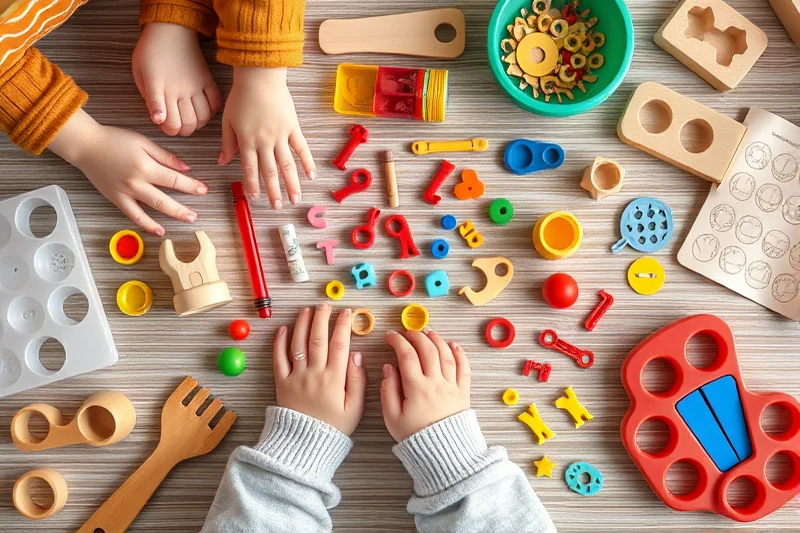
One of my favorite food sensory activities is ‘taste testing.’ I’ve used small pieces of fruits, vegetables, and even dips to let my daughter explore different flavors and textures. It’s a great way to introduce new foods and encourage healthy eating habits.
Another fun activity is ‘cooking together.’ I’ve let my daughter mix ingredients, measure with measuring cups, and even help with simple recipes like banana oatmeal or homemade cookies. It’s a great way to teach her about food while making it a fun experience.
I’ve also used ‘edible playdough’ made from flour, salt, and water. It’s a safe and tasty way for toddlers to explore textures and even learn about ingredients. It’s also a great way to make mealtime more interactive and engaging.
The Science Behind Sensory Activities for Toddlers
Studies show that sensory play can enhance cognitive development by stimulating the brain and helping toddlers process information more effectively. It’s also been linked to improved motor skills, as activities like grasping, pressing, and manipulating objects help develop hand-eye coordination.[4]
In my experience, sensory activities have helped my daughter with emotional regulation and social skills. When she’s engaged in sensory play, she’s more focused, less likely to tantrum, and more willing to interact with others.
The American Psychological Association has noted that sensory play can even help reduce anxiety in young children by providing a safe and predictable environment for exploration and learning. It’s a win-win for both parents and toddlers.
⭐ Classic
The basic sensory play dough recipe with flour, salt, and water.
💰 Budget
An affordable version using pantry staples like flour and salt.
⚡ Extra-Fast
A quick no-knead recipe that can be made in under 10 minutes.
✨ Depth
A version with added essential oils and food coloring for extra sensory exploration.
🥗 Light
A lighter, gluten-free option made with oat flour and natural sweeteners.
| The mistake | Why it happens | The fix |
|---|---|---|
| Using unsafe materials | Using small parts, sharp objects, or non-toxic materials can be a safety hazard for toddlers. | Always use safe, non-toxic materials and supervise toddlers closely during sensory play. |
| Overloading the activity | Too many stimuli at once can overwhelm a toddler and make the activity less effective. | Start with one or two senses and gradually introduce more as the child becomes more comfortable. |
| Not cleaning up properly | Leaving small items or messes around can lead to choking hazards or safety issues. | Always clean up after sensory play, and store materials in a safe place after use. |
| Not involving the child enough | If the activity is too structured or not engaging, the child may lose interest quickly. | Let the child lead the play and encourage them to explore and make choices during the activity. |
What You'll Need tap to check off
- 1 lb flour
- ½ cup salt
- water to taste
Method tap a step when done
- Combine flour and salt in a large mixing bowl.
- Gradually add water, mixing until a dough forms.
- Knead the dough for about 5 minutes until it’s smooth and pliable.
- Divide the dough into small portions and store in airtight containers for later use.
- When ready to use, let the dough sit for a few minutes to soften.
- Add food coloring or essential oils for added sensory experiences.
Key Facts
Sensory Activities For Toddlers
Common Questions
how to make sensory activities for babies?
how do sensory activities help toddlers?
list of sensory activities for toddlers?
sensory activities for toddlers?
food sensory activities for toddlers?
what are sensory activities for toddlers?
what are some sensory activities for toddlers?
what is sensory play for toddlers?
References
- Significance of Sensory Activities among Toddlers for Sensory Skills ... (academia.edu)
- Brain-Building Through Play: Activities for Infants, Toddlers ... (developingchild.harvard.edu)
- PDF Activity Cards for Infants & Toddlers - University of Arizona (extension.arizona.edu)
- Designing Messy Play for Infants and Toddlers - ECLKC (headstart.gov)
- Developmental Activities for Toddlers (12 18 Months) (madisoncounty.ny.gov)
Cite this guide
TinyRomp (2026). Sensory Activities For Toddlers. https://tinyromp.com/sensory-activities-for-toddlers/
Feel free to cite or share this guide.