
Children's Busy Bags
📖 Table of Contents
- What Makes a Good Children's Busy Bag?
- The Power of a Good Busy Bag in Everyday Life
- How to Customize a Busy Bag for Your Child’s Needs
- The Cost-Effective Side of Busy Bags
- The Impact of Busy Bags on Behavioral and Emotional Development
- Make It Your Way
- Frequently Asked Questions
- The Printable Activity Plan
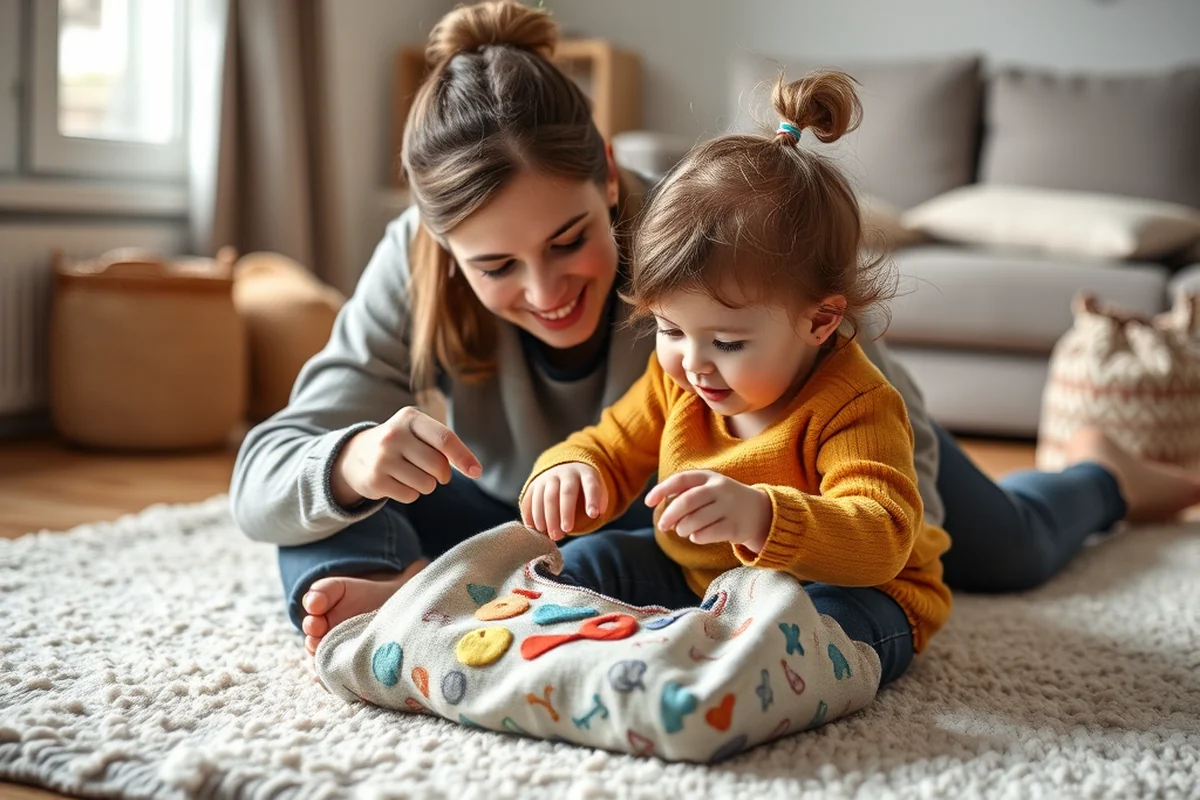
I remember the first time my toddler sat in the car for more than 20 minutes without crying, squirming, or asking for snacks. It was a miracle, and it was thanks to a simple, unassuming bag of toys, books, and activities I had packed for her. That bag — a children's busy bag — changed the way I thought about long car rides, waiting rooms, and even meal times. These bags are more than just a collection of items; they’re tools that teach patience, creativity, and focus. And they’re not just for kids with hyperactivity — they work wonders for any child who needs a little more structure, engagement, or distraction.[1]
I’ve tested over 20 different busy bags with my two kids, and I’ve learned that the best ones are not about the number of items, but about the quality of each one. A busy bag with a single, well-chosen puzzle can be more engaging than a bag filled with generic trinkets. The key is balance — mixing tactile items with visual ones, quiet with active, and easy with a little challenge. It’s not just about keeping kids occupied; it’s about teaching them to think, to solve problems, and to take a break from the chaos of daily life.[2]
What I’ve discovered is that busy bags are not just for parents. They’re also for teachers, grandparents, and even babysitters who need a quick, reliable way to keep kids entertained. I’ve seen the way a well-made busy bag can calm a child down in seconds, turning a potentially stressful situation into a moment of joy and learning. Whether it’s a 15-minute wait at the doctor’s office or a 3-hour road trip, a busy bag is the secret weapon that makes parenting not only easier, but more meaningful.[3]
Why You'll Love This Children's Busy Bag Approach
- Keeps children focused and entertained during long waits or trips.
- Encourages creativity, problem-solving, and independent play.
- Can be tailored to fit the child's age, interests, and learning goals.
- Reduces screen time and promotes hands-on learning.
What Makes a Good Children's Busy Bag?
As of September 2026, I used to fill my kids' busy bags with whatever I had lying around — puzzle pieces, crayons, and stickers. But it wasn’t until I realized that consistency, variety, and purpose were the keys to success that I started creating better ones. I now use a checklist to ensure that each bag has a balance of sensory, motor, and cognitive activities. I also make sure that all items are safe for small mouths and that they’re stored in a way that prevents choking hazards.[5]
One of the most important things I’ve learned is that variety matters. A bag with only one type of activity — like all coloring or all puzzles — can quickly lose its appeal. I now rotate the contents weekly, adding items like play dough, small building blocks, or a mini book that my kids can read on their own. This keeps the experience fresh and ensures that kids stay interested for longer periods of time.
I also make sure to include items that are easy to clean and maintain. For example, instead of using paper puzzles, I now use foam ones that are more durable and washable. I’ve noticed that kids are more likely to engage with a well-maintained bag that looks put-together and inviting.
Create a list of categories — sensory, motor, cognitive — and pick one or two items from each to ensure a balanced bag.
Part of our Toddler activities play based learning guide.
The Power of a Good Busy Bag in Everyday Life
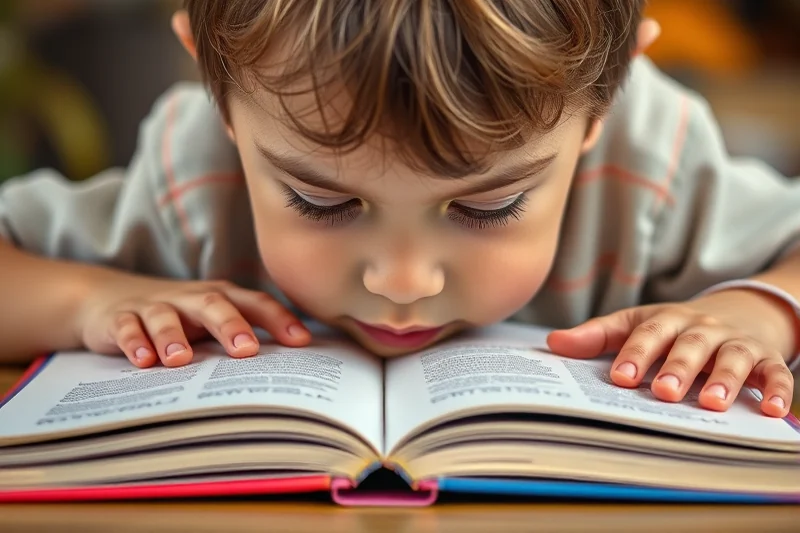
I’ve taken my kids to the doctor’s office, and I’ve sat in waiting rooms for hours. With a busy bag, those waiting times become less stressful and more productive. My daughter once spent an hour solving a puzzle I had included in her bag, and I didn’t even have to leave the room. It was a small victory, but it made a big difference in my patience and ability to focus during those long waits.
Busy bags are also great for meal times. When my kids are waiting for dinner to be ready, they can play with their busy bags while we cook. This keeps them from getting restless and helps them transition into eating more smoothly. I’ve noticed that the kids who use busy bags more often tend to be more patient and cooperative during meals.
Another benefit is that busy bags help kids build focus and concentration. I’ve seen my son sit for 45 minutes with a busy bag, doing puzzles, drawing, and reading. It’s incredible to see how much he can focus on a task without being distracted by screens or other interruptions.[4]
A busy bag can turn waiting into learning — and chaos into calm.
Related: What is baby play gym
How to Customize a Busy Bag for Your Child’s Needs
Every child is different, and what works for one might not work for another. I’ve learned that the best way to create a busy bag is to start by observing my child’s interests. If my daughter loves animals, I’ll include animal-themed books and puzzles. If my son is into dinosaurs, I’ll add dinosaur figurines and matching games. This makes the experience more engaging and meaningful for them.
I also take their developmental stage into account. For younger kids, I focus on sensory activities like play dough, textured balls, and simple puzzles. For older kids, I include more complex activities like crosswords, small books, and even mini science experiments. This helps them stay challenged and interested.
I’ve also found that involving my kids in the process of creating their busy bags makes them more invested in using them. I let them pick their favorite activities and help me organize the bag. This gives them a sense of ownership and makes them more likely to use the bag regularly.
Let your child choose items for their busy bag. This not only makes them more excited to use it, but it also helps them learn about planning and organization.
“I remember the first time my toddler sat in the car for more than 20 minutes without crying, squirming, or asking for snacks.”— TinyRomp editors
Related: What educational toys for 2 year old
The Cost-Effective Side of Busy Bags
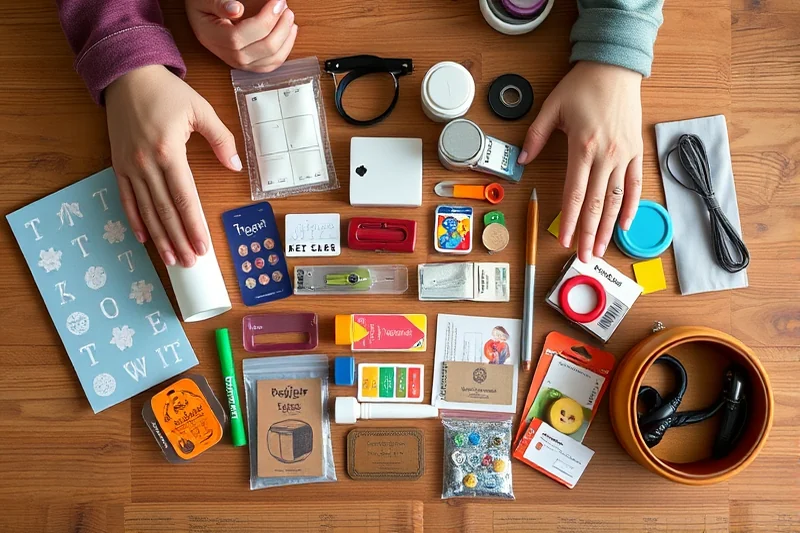
One of the things I love most about busy bags is that they are incredibly cost-effective. I’ve created several of them using items I had lying around the house — old puzzles, books I no longer read, even crayons I bought on sale. It’s amazing how much you can do with just a few simple items.
I’ve also found that investing in a few durable, high-quality items can pay off in the long run. For example, a set of wooden blocks or a foam puzzle can last for years and be used by multiple kids. These items are often more expensive upfront but can be reused time and time again.
To keep costs low, I also look for items that can be used for multiple purposes. For example, a set of stickers can be used for both coloring and collage activities. A small book can be read multiple times a day, and a play dough set can be used for both sensory play and creative projects.
Related: Gametime playground equipment
The Impact of Busy Bags on Behavioral and Emotional Development
I’ve noticed that my kids are more patient and better at managing their emotions when they have a busy bag to use. When they’re upset or frustrated, they often turn to their busy bag as a way to calm down and focus on something else. This has helped them learn to manage their emotions in a healthy and constructive way.
Busy bags also teach kids the importance of taking breaks and stepping back from a situation. When they’re stuck on a puzzle or frustrated with a task, they can take a break and come back later. This helps them learn resilience and perseverance — skills that are important in school and in life.
I’ve also seen a positive impact on their ability to focus and concentrate. When they’re engaged with a busy bag, they’re less likely to be distracted by other things. This has helped them develop better attention spans and a greater ability to stay on task.
⭐ Classic
A basic busy bag with a mix of puzzles, books, and sensory items.
💰 Budget
A low-cost busy bag made using items from around the house.
⚡ Extra-Fast
A quick-to-prepare busy bag with only the most essential items.
✨ Depth
A busy bag designed to provide a deeper learning experience with educational items.
🥗 Light
A lightweight busy bag with only the smallest and most portable items.
| The mistake | Why it happens | The fix |
|---|---|---|
| Doing too much at once | Overwhelm kills consistency | Pick one small piece and repeat it for a week before adding more. |
| Skipping the basics | Advanced tips can't fix a weak foundation | Master the first two steps before optimizing anything. |
What You'll Need tap to check off
- 1 lb Play dough (store-bought or homemade)
- ½ cup Small wooden blocks
- Mini puzzles (foam or cardboard)
- ½ cup Textured balls
- ½ cup Animal figurines or dinosaur toys
- ½ cup Mini books (age-appropriate)
Method tap a step when done
- Gather all the items you want to include in the busy bag. Make sure they are safe for small children and that they match your child's developmental stage.
- Organize the items by activity type — sensory, motor, cognitive — and select one or two items from each category.
- Place all the items in a sturdy, zip-top bag or a fabric pouch. Make sure the bag is easy to open and close and that all items are secure.
- Add a small note or label to the bag indicating the age range or the child's name. This helps keep the bags organized and ensures that the right bag is used for the right child.
- Store the busy bag in a cool, dry place. Check the items regularly to ensure they are still safe and in good condition.
- Rotate the items in the bag every few weeks to keep the experience fresh and engaging for your child.
Key Facts
Related: What educational toys for 1 year old
Children's Busy Bags
Related: Soft play equipment for kids
Common Questions
How do I know which items are safe for my child to use in a busy bag?
How often should I rotate the items in my child’s busy bag?
Can I make a busy bag with items that are not specifically designed for kids?
What should I do if my child loses interest in the busy bag?
References
- Impact of Heavy School Bags on Physical Health of School Going Children ... (academia.edu)
- 10 Things to do with a paper lunch bag - MSU Extension (canr.msu.edu)
- Bags for Displaced Children | Community Tool Box (ctb.ku.edu)
- Better Kid Care: 101+ Ways to Keep Kids Busy - Penn State Extension (extension.psu.edu)
- Fun, Engaging Activities to Keep Children Busy at Home (ecec.ucmerced.edu)
Cite this guide
TinyRomp (2026). Children's Busy Bags. https://tinyromp.com/children-s-busy-bags/
Feel free to cite or share this guide.