
Quiet Time Activities For 3 Year Olds
📖 Table of Contents
When my daughter turned three, I realized that our 'quiet time' was no longer a luxury—it was a necessity. We had a chaotic morning routine, with breakfasts spilled on the floor, toys scattered like confetti, and a toddler who was both charming and exhausting. I needed a way to give her a break, and myself one too, without losing the precious time we had together. Quiet time became our sanctuary, a space where she could explore, create, and nap in peace, and I could finally catch my breath. It wasn’t just about quieting the noise; it was about giving her—and me—a chance to reset.[2]
Quiet time for 3-year-olds is more than just a pause in the chaos. It’s an opportunity to nurture their growing minds and bodies in a way that fits their developmental stage. At this age, children are curious, imaginative, and full of energy. A well-planned quiet time can be a tool for learning, emotional regulation, and even creativity. I remember one day when I handed her a basket of sensory materials, and she spent the entire time squishing playdough and giggling. That moment, so simple yet so powerful, became the foundation of our quiet time routine.[3]
Over time, I discovered that the best quiet time activities for 3-year-olds are those that are both engaging and gentle on their attention spans. They don’t need to be loud or fast-paced. In fact, the most effective ones are the ones that let them explore, engage in imaginative play, and even nap without feeling trapped. I found that by incorporating a mix of sensory activities, storytelling, and simple crafts, I could keep her focused and happy for longer stretches. It wasn’t just about filling time—it was about building a foundation of calm and creativity that carried over into the rest of the day.[4]
Why You'll Love This Quiet Time Guide
- Tailored for 3-year-olds, with activities that align with their developmental needs and interests.
- Includes a variety of options for different moods, energy levels, and learning goals.
- Practical and easy to implement, even on the busiest of days.
- Provides a mix of sensory, creative, and calming activities that can be done anywhere.
Sensory Play: The Calm and the Creative
As of September 2026, Sensory play is one of the most effective quiet time activities for 3-year-olds. It allows them to explore the world around them through touch, smell, and even sound. I’ve found that activities like playing with kinetic sand, using water beads, or even making homemade playdough are perfect for this age group. These activities help them develop fine motor skills, hand-eye coordination, and even emotional regulation. The best part? They’re usually so engaging that they keep the child occupied for 15 to 20 minutes at a time, giving parents a much-needed break.[1]
One of the most surprising things about sensory play is how it can be adapted to different environments. Even a simple activity like filling a container with rice and adding small plastic animals or buttons can be a hit. I’ve noticed that my daughter becomes completely absorbed in these kinds of activities, often forgetting the time. It’s not just about keeping her busy—it’s about giving her a way to express herself and explore her surroundings in a safe and fun way.[5]
I also love incorporating sensory play into our quiet time because it’s so adaptable. If she’s in the mood for something more messy, I’ll set up a tray of water beads. If she’s feeling more focused, I’ll bring out the playdough and a few cookie cutters. Either way, it’s always a win. And the best part is that these activities are usually so easy to clean up, especially if you use a tray or a bin to contain the mess.
Invest in a few large plastic bins with lids. Fill them with materials like rice, beans, or kinetic sand, and let your child explore. The lid makes cleanup simple and keeps the mess contained.
Part of our Toddler activities play based learning guide.
Storytelling and Imaginative Play

Storytelling and imaginative play are two of the best quiet time activities for 3-year-olds. They encourage language development, creativity, and even empathy. I’ve noticed that my daughter loves when we read picture books together, but she also gets really into creating her own stories using her favorite stuffed animals and toys. This kind of play allows her to express herself in ways that aren’t always possible during the busier parts of the day.
One of the things I’ve found most helpful is setting up a small storytelling corner with a few plush animals, a blanket, and a small rug. This gives her a dedicated space to engage in imaginative play. I’ve seen her create entire worlds with just a few toys, and it’s amazing how much she can develop her narrative skills in the process. The key is to let her lead the way—sometimes the simplest ideas are the most engaging.
I’ve also started incorporating simple storytelling prompts to help her expand her vocabulary. For example, I’ll ask her, 'What do you think this animal is doing today?' or 'What would happen if it rained at the beach?' These kinds of questions spark her imagination and give her a chance to think creatively. The best part is that she doesn’t even realize she’s learning—she’s just having fun.
Storytelling is the bridge between a child’s imagination and the real world.
Related: What is adventure kids playcare
Art and Craft Time: A Quiet Way to Express Creativity
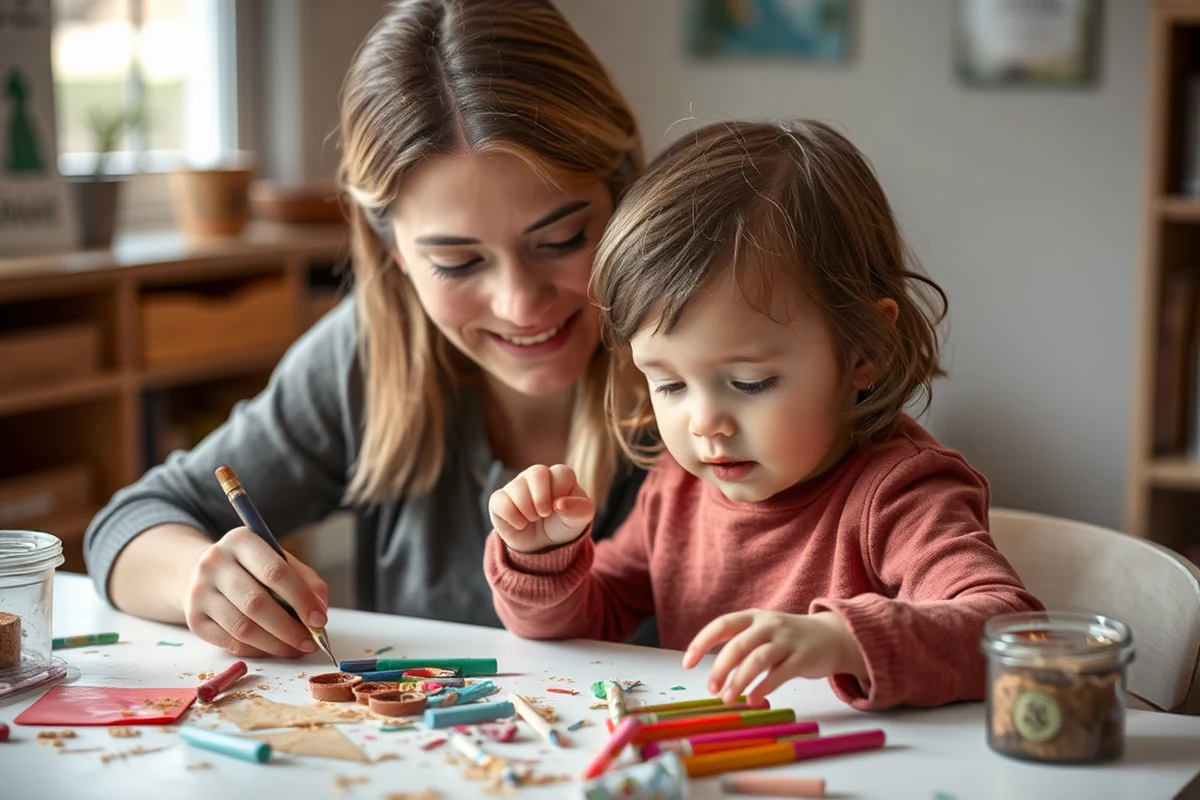
Art and craft activities are a staple of our quiet time routine. They’re not only a great way to keep my daughter occupied but also a way for her to express herself creatively. I’ve found that simple activities like finger painting, using crayons, or even gluing small pieces together are perfect for this age group. These activities help develop fine motor skills and hand-eye coordination, which are essential for future learning.
One of the things I love about art time is how it can be adapted to different moods and energy levels. If she’s feeling more energetic, I’ll set up a big table with paper, markers, and stickers. If she’s more laid-back, I’ll bring out the finger paints and a few paper plates for her to create her own designs. Either way, she always ends up with a sense of accomplishment and pride in her work.
I’ve also found that involving her in the process of making art supplies can be really engaging. For example, I’ve made homemade playdough a few times, and she’s loved helping with the mixing and kneading. It’s not only a fun activity but also a way to teach her about colors and textures. The best part is that these activities are usually so easy to clean up, especially if you use paper plates or washable markers.
Invest in washable markers, finger paints, and paper plates. They’re easy to clean, and they make art time a breeze, even if the child gets a little messy.
“When my daughter turned three, I realized that our 'quiet time' was no longer a luxury—it was a necessity.”— TinyRomp editors
Related: What is science activity for kids
Quiet Time with Music and Movement
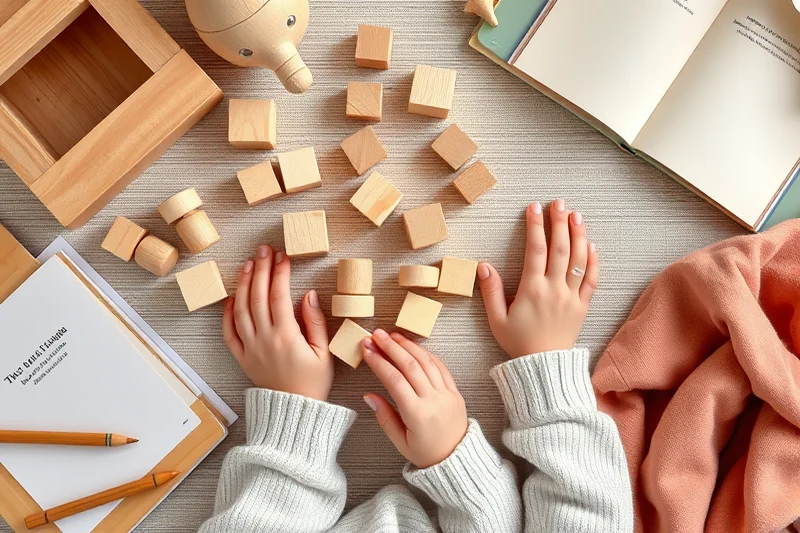
Music and movement are an unexpected but powerful addition to quiet time for 3-year-olds. I’ve noticed that even the most energetic toddlers can be calmed by the right kind of music. I’ve started playing soft instrumental music or lullabies during quiet time, and it’s amazing how quickly my daughter settles down. The combination of music and gentle movement, like stretching or dancing, keeps her engaged without overstimulating her.
One of the things I’ve found most helpful is incorporating simple dance routines or stretching exercises. For example, I’ll play a soft song and lead her in a few simple moves. This not only keeps her entertained but also helps her develop coordination and body awareness. I’ve seen her become more focused and relaxed during these times, even if she’s not in the mood for art or storytelling.
Another benefit of using music during quiet time is that it can help transition her from one activity to another. I’ve found that playing a soft song while she’s cleaning up or getting ready for bed helps her relax and wind down. The music becomes a signal that it’s time to slow down, and it’s surprising how effective this can be.
Related: What educational toys for a 3 year old
Nap Time and Quiet Relaxation
Nap time is one of the most crucial parts of quiet time for 3-year-olds. It’s not just about getting some rest—it’s about giving them the energy they need to stay focused and happy for the rest of the day. I’ve found that setting up a cozy nap spot with a soft blanket, a stuffed animal, and a few books can make a big difference. It helps them feel safe and comfortable, which is essential for a good nap.
One of the things I’ve learned is that the environment matters a lot during nap time. I’ve noticed that if the room is too bright or too noisy, my daughter has a harder time falling asleep. That’s why I’ve started using blackout curtains and a white noise machine to create a calm, soothing atmosphere. The results have been incredible—she’s been getting more restful sleep and is more alert during the day.
I’ve also found that incorporating a few small rituals into nap time helps my daughter transition more easily. For example, I’ll read a short story or sing a lullaby before she goes to sleep. It gives her a sense of routine and makes her feel more secure. The best part is that she’s been sleeping longer and waking up more refreshed, which has made a huge difference in our daily routine.
⭐ Classic
The basic playdough recipe with flour, salt, and baking soda.
💰 Budget
A no-frills version with just flour, salt, and water.
⚡ Extra-Fast
A simplified recipe that skips the kneading step.
🌈 Colorful
Add food coloring to create a variety of colors.
🍰 Edible
Make the playdough with ingredients that are safe to eat.
| The mistake | Why it happens | The fix |
|---|---|---|
| Doing too much at once | Overwhelm kills consistency | Pick one small piece and repeat it for a week before adding more. |
| Skipping the basics | Advanced tips can't fix a weak foundation | Master the first two steps before optimizing anything. |
What You'll Need tap to check off
- 1 lb all-purpose flour
- ½ cup salt
- ½ cup baking soda
- ¼ cup vegetable oil
- 1 cup water
- food coloring (optional)
Method tap a step when done
- In a large mixing bowl, combine the flour, salt, and baking soda.
- Add the vegetable oil and mix until the mixture is crumbly.
- Gradually add the water, a little at a time, until the mixture comes together into a dough.
- Knead the dough on a floured surface for about 5 minutes until it becomes smooth and elastic.
- If desired, divide the dough into portions and add food coloring to each portion. Knead until the color is evenly distributed.
- Store the playdough in an airtight container or wrap it in plastic wrap for later use.
Key Facts
Related: Children s activity books
Quiet Time Activities For 3 Year Olds
Related: What is baby play gym
References
- PDF Helping Children Make Transitions between Activities (csefel.vanderbilt.edu)
- Terrific three-year-olds (Early Learning Professionals) (extension.psu.edu)
- Building Healthy and Safe Sleep Routines | HeadStart.gov (headstart.gov)
- 10 Simple Indoor Activities for 3-Year-Olds (No Prep) (certtest.bart.gov)
- The Commonwealth of Massachusetts (mass.gov)
Cite this guide
TinyRomp (2026). Quiet Time Activities For 3 Year Olds. https://tinyromp.com/quiet-time-activities-for-3-year-olds/
Feel free to cite or share this guide.