
Toddler Activities Play Based Learning By Age Stage For Small Spaces
📖 Table of Contents
When my daughter turned two, I realized our apartment’s living room was no longer a play area—it was a battlefield. She’d dump blocks on the floor, chase the dog around the couch, and demand I join her for hours of ‘pretend’ that left me exhausted. I didn’t know then that I was missing the key to her development: play-based learning. It wasn’t just about keeping her busy; it was about building language, motor skills, and even early math in a way that felt like fun, not work.
I started by watching her closely, noting the patterns in her play. She’d stack blocks, line up toys, and mimic my movements with a seriousness that surprised me. I realized that even in our small space, we could create learning opportunities that were meaningful. I filled our coffee table with sensory bins, hung up a low shelf with books and art supplies, and turned our kitchen counter into a pretend grocery store. The change was dramatic—her communication improved, her attention span stretched, and her confidence grew with every ‘success’ in her own little world.
What I learned through trial and error is that play-based learning doesn’t require a huge budget or a sprawling home. It’s about using what you have and adapting it to your child’s age and interests. I’m sharing the exact strategies I used for toddlers in small spaces—organized by age, with specific activities that are both educational and engaging. Whether you're in a one-bedroom apartment or a home with limited square footage, these ideas can work for you.
Why You'll Love This Play-Based Learning Guide
- Activities tailored to your child's developmental stage for maximum impact
- Simple, low-cost ideas that fit even the smallest spaces
- Real-life examples and results from a parent who tried it all
- Easy-to-follow, stage-based guidance that grows with your child
Play-Based Learning for 18–24 Months in Small Spaces
As of November 2026, for toddlers aged 18–24 months, learning is about exploration and repetition. Simple sensory bins filled with rice, beans, or shredded paper can engage their senses and help with hand-eye coordination. I used a small container of dried pasta with a colander to teach sorting, which also helped with fine motor skills.[1]
Books with bold images and touch-and-feel textures are another favorite. I’d read the same book over and over, and my daughter would point to the same page every time. It wasn’t just a story—it was a bonding ritual that built language and attention skills.
Even a small space can be transformed into a learning area. I hung a low shelf with soft blocks and a few picture books, creating a mini library that she could access independently. She’d pull books off the shelf, flip through pages, and say words like 'dog' and 'cat' with increasing confidence.
Fill a plastic container with safe, non-toxic materials like dried beans or rice. Add small, washable toys for interaction and learning. Store in a kitchen cabinet and use when you need a quick, mess-free activity.
Part of our Toddler activities play based learning by age stage guide.
Activities for 24–36 Months: Building Skills in Limited Space
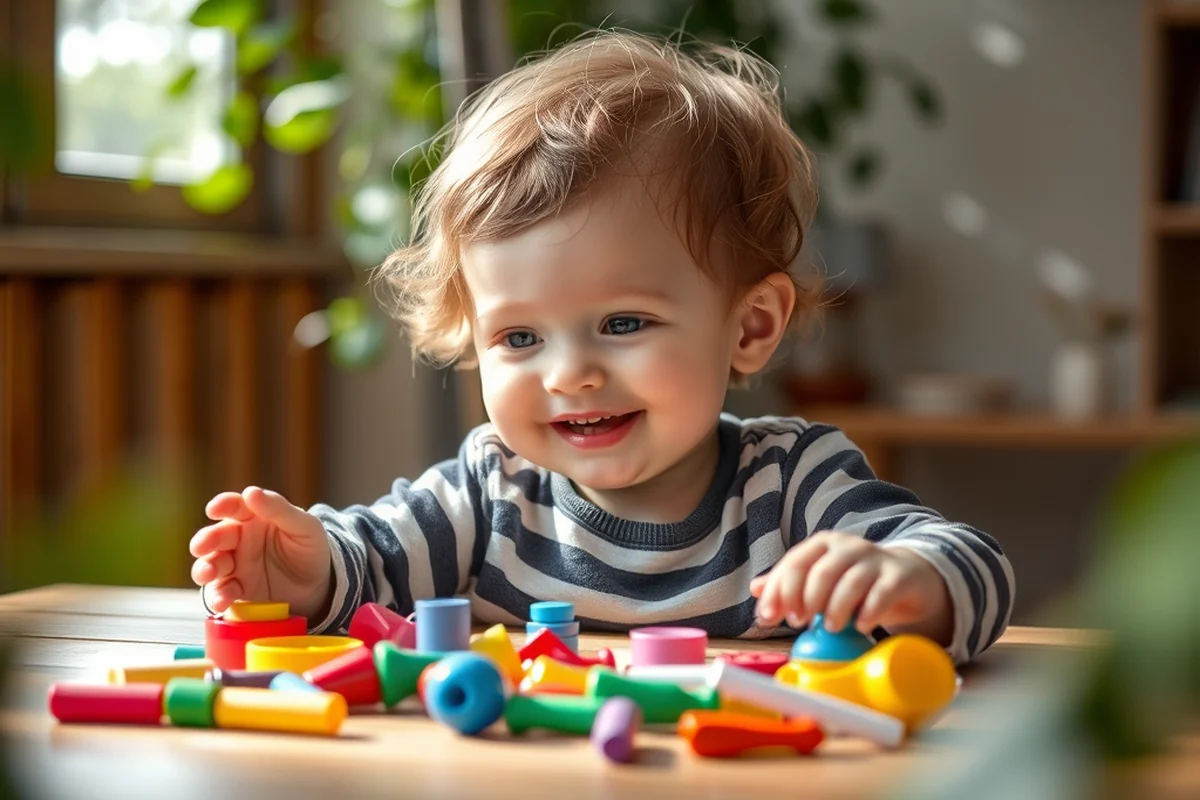
At this age, toddlers begin to understand the concept of 'more' and 'less,' and they love counting. I used a small basket of wooden blocks and a number chart to teach counting. We’d count together, and she’d point to the numbers and say them out loud.
Pretend play becomes more elaborate. I set up a small kitchen area with a mini cooking set and a plastic table. She’d 'cook' with pretend ingredients and 'serve' them to me, which helped her practice language and social skills.
I also used wall space for learning. I hung a low shelf with picture cards and a few simple puzzles. My daughter would sit on the floor and work on puzzles, matching shapes and colors. It was a great way to build problem-solving skills.
Pretend play isn't just fun—it's how toddlers learn to think and interact with the world.
Related: Toddler activities play based learning by age stage for beginners
Maximizing Small Spaces for 3–4 Year Olds
I set up a small learning corner with a low table, a few books, and art supplies. My daughter would sit at the table, draw, and color, which helped her develop fine motor skills and creativity. We’d use a small whiteboard for writing letters and numbers.
I used the wall space for a simple alphabet chart. She'd point to the letters and say their names. When she got stuck, I’d help her, and over time, she began to recognize more letters on her own.
I also used the floor for movement-based learning. I'd lay out a small mat with shapes and numbers. We'd play a game where I'd call out a shape or number, and she'd jump or step on it. It was a fun way to reinforce learning while staying active.
Designate a small area for learning with a table, books, and art supplies. Use a low shelf to hold learning materials, and add a small whiteboard for writing practice. Keep it organized for easy access.
“When my daughter turned two, I realized our apartment’s living room was no longer a play area—it was a battlefield.”— TinyRomp editors
Related: Toddler activities play based learning stage for beginners
Play-Based Learning During Transitions and Regression
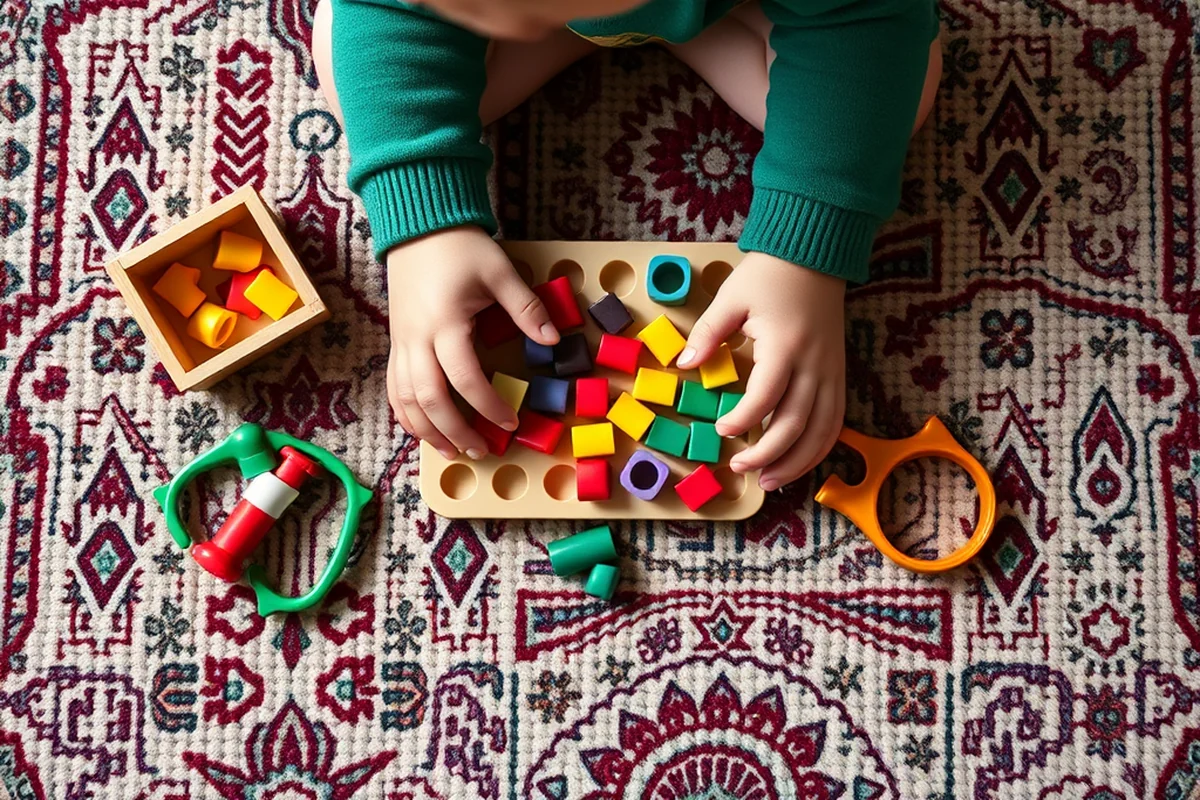
When my daughter was going through a regression phase, she became more clingy and less interested in playing. I introduced a routine of quiet time with a small sensory bin and a favorite book. It helped her feel secure and gradually reengage with learning activities.
I also used a simple routine with a timer. We’d do 10 minutes of play, followed by a break. This helped her manage frustration and stay focused on activities she enjoyed.
I used a small activity calendar with stickers to mark completed tasks. It helped her feel a sense of accomplishment and kept her motivated to participate in learning activities.
Related: How to toddler activities play based learning by age stage
Making Play-Based Learning a Daily Habit
I made it a habit to do a short learning activity every day. Whether it was counting blocks, reading a book, or playing with sensory materials, it became part of our routine. My daughter looked forward to these moments and began to see learning as something fun.
I also used the time during meals and snacks to teach counting and sharing. We’d count the number of pieces of fruit or divide snacks evenly, which helped her practice math and social skills.
I made sure to keep the learning environment flexible. If she was interested in a particular activity, I’d spend more time on it. If not, I’d move on to something else. This helped her stay engaged and motivated to learn.
🧶 Gentle Approach
Slow, sensory-rich activities that build confidence through exploration and repetition. Ideal for toddlers who need time to process and learn at their own pace.
⚡ Fast-Track Method
Quick, high-impact activities that focus on skill development in short bursts. Great for busy families who need to maximize time and space efficiently.
🧳 Travel/On-the-Go
Portable play kits and activities that can be done anywhere, from the park to the airport. Perfect for families who are always on the move.
👶 Multiples
Activities designed for siblings of different ages, allowing them to play and learn together. Encourages social skills and shared learning.
🔄 Regression Reset
Structured, predictable activities that provide stability during emotional or developmental shifts. Helps toddlers regain confidence and re-engage with learning.
| The mistake | Why it happens | The fix |
|---|---|---|
| Overloading the space with too many toys | Too many toys can overwhelm a toddler and make it hard for them to focus on any one activity. | Limit the number of toys and rotate them regularly to keep the environment engaging without being chaotic. |
| Neglecting routine and structure | Without structure, toddlers may become confused or frustrated, making it harder for them to engage in learning activities. | Establish a simple daily routine that includes time for play, learning, and rest. This helps toddlers feel secure and know what to expect. |
| Not adapting to your toddler's interests | If the activities don’t align with your toddler’s interests, they may lose interest quickly and not benefit from the learning opportunities. | Observe your toddler’s preferences and tailor activities to their interests. This increases engagement and makes learning more enjoyable. |
| Ignoring the importance of movement | Too much screen time or sitting still can hinder development. Toddlers need physical activity to grow and learn effectively. | Incorporate movement-based activities like dancing, jumping, or playing with balls to keep your toddler active and engaged. |
Related: Easy toddler activities play based learning by age stage
Toddler Activities Play Based Learning By Age Stage For Small Spaces
Related: Affordable toddler activities play based learning stage
Integrating Nature into Small Space Learning
I’ve found that even a small potted plant or a few pebbles from the garden can spark curiosity and sensory exploration. I set up a mini 'nature corner' on a low shelf with leaves, pinecones, and rocks, and it became a regular spot for my toddler to sort, describe, and compare textures. This simple setup encouraged language development and early science concepts like classification and observation. The best part? It required no extra space and cost under $10 to set up.
To make nature-based learning more interactive, I sometimes bring in items like dried beans or seeds for sorting activities. Using a small basket and a few containers, I created a 'nature sorting station' that helped my toddler practice matching and counting. The tactile experience of handling different objects kept her engaged for longer than traditional flashcards or worksheets. I noticed a marked improvement in her ability to follow multi-step instructions during these sessions.
Incorporating nature into small spaces also helps with emotional regulation. I’ve noticed that when my toddler is feeling overwhelmed, simply touching the smooth surface of a stone or watching the way light reflects off a leaf calms her down. This is especially helpful in a small apartment where there’s no room for a full outdoor play area. I now make it a point to bring in at least one natural item each week, turning everyday moments into teachable ones.
Common Questions
How can I make learning activities fun for my toddler in a small space?
What are some good play-based learning ideas for 18–24 months?
How do I incorporate learning into my toddler's daily routine?
What can I do if my toddler is uninterested in learning activities?
References
Cite this guide
TinyRomp (2026). Toddler Activities Play Based Learning By Age Stage For Small Spaces. https://tinyromp.com/toddler-activities-play-based-learning-by-age-stage-for-small-spaces/
Feel free to cite or share this guide.