
Toddler Activities Play Based Learning Budget Ideas Ideas
📖 Table of Contents
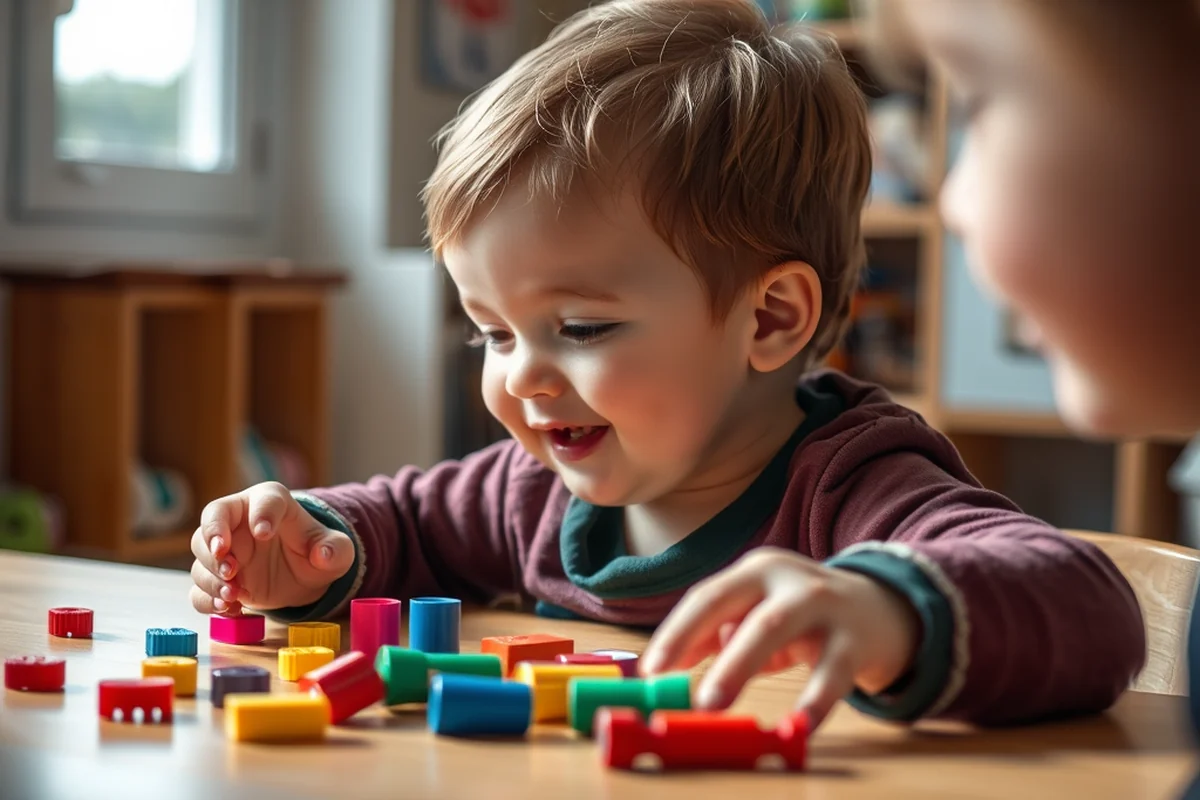
I remember the day my toddler, then 2 years old, sat at the kitchen table for 45 minutes, fully engaged in stacking blocks, not once looking up — even when I walked into the room. It was one of those rare, magical moments where learning felt effortless and play was the vehicle. That day, I realized the power of play-based learning, and how it can be both enriching and surprisingly affordable. As a parent on a budget, I’ve learned that you don’t need to spend a fortune to provide your toddler with a world of learning opportunities.
The key is to think creatively. My toddler didn’t need expensive toys or elaborate setups — just a few everyday items, a bit of imagination, and a willingness to explore. I’ve spent the last two years experimenting with different play-based learning activities. I’ve found that the most effective ones are the ones that feel like just part of our daily routine. Whether it’s sorting laundry, reading books, or playing with shadows, there’s learning everywhere if you know where to look.[1]
In this article, I share my favorite low-cost, high-impact play-based learning ideas that have worked in our home. I’ve tested these ideas with my own toddler. They’ve not only kept her engaged for hours but have also helped her develop essential skills like fine motor control, problem-solving, and language development. The best part? Many of these activities cost nothing more than the time you spend with your child.
Why You'll Love This Approach to Toddler Learning
- It’s affordable — most activities cost nothing or very little.
- It’s flexible — you can adapt it to your family’s lifestyle and schedule.
- It’s engaging — toddlers learn best through play, not worksheets.
- It’s sustainable — you don’t need to buy new materials every week.
How to Turn Everyday Objects into Learning Tools
As of October 2026, I’ve discovered that the laundry basket is one of the best tools for sorting, matching, and counting. I’ll dump a few socks, buttons, and socks into the basket, and my toddler can sort them by size, color, or type. It takes about 10 minutes, and she’s learning color recognition, sorting, and one-to-one correspondence without even realizing it.
The kitchen is another treasure trove of learning opportunities. Measuring cups, spoons, and even the fridge can be used for counting, measuring, and exploring different textures and temperatures. I’ll let my toddler ‘help’ with simple tasks, like putting cookies on a plate or counting how many spoons are in the drawer.
I’ve even used fabric scraps and paper to create a tactile board. My toddler loves running her hands over different textures, and it’s a great way to develop her fine motor skills and sensory awareness.
Use laundry, kitchen utensils, or even fabric scraps to create a learning activity. It’s free, easy, and keeps your toddler engaged.
The Power of Storytelling and Books
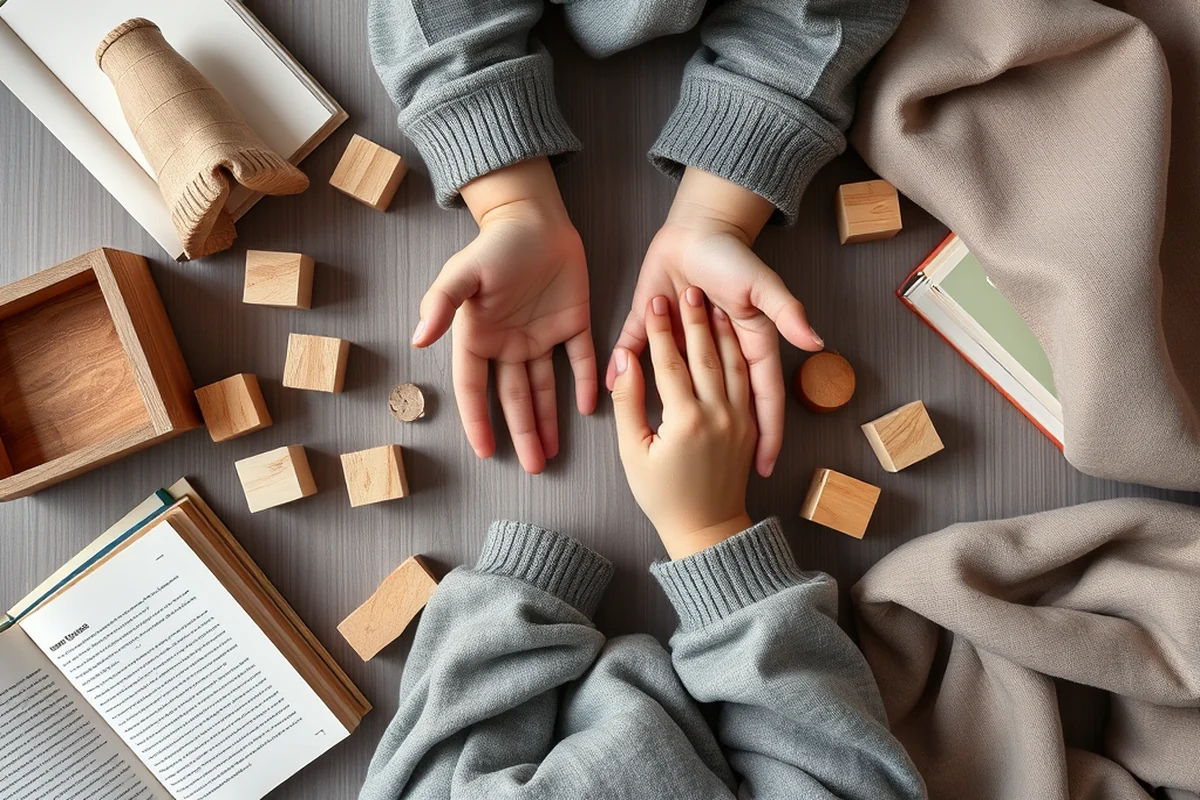
I’ve found that reading to my toddler twice a day — once in the morning and once before bedtime — has had a huge impact on her language development. I’ll read a book, then ask her questions like, ‘What do you think will happen next?’ or ‘Can you find the red ball on the page?’ She loves it. It keeps her engaged for longer than just reading silently.
I also like to use the same book multiple times, each time with a different focus. One day, we might focus on colors; the next day, on shapes; and the next day, on counting. This way, we’re getting more out of each book without having to buy a new one.
The best part is that I can use any book — even ones that aren’t specifically designed for toddlers. My toddler loves the stories in my old college books, and she’s learning vocabulary and comprehension in a way that feels natural and fun.
Books are the unsung heroes of toddler learning — they’re free, endless, and endlessly adaptable.
Related: Toddler activities play based learning budget ideas guide
Creative Play with Natural Materials
I’ve found that going on nature walks and collecting items like sticks, leaves, and pebbles is a great way to spend time together and keep my toddler learning. We’ll go on a walk, collect items, and then use them to create shapes, patterns, and even simple art. It’s a great way to develop creativity, spatial awareness, and fine motor skills.
I’ve even used pebbles to teach my toddler about numbers and counting. I’ll place a few pebbles in a small container and ask her to count them. Then, I’ll add a few more and ask her to count again. It’s simple, effective, and keeps her engaged for longer.
The best part is that these activities are completely free. You don’t need to buy any materials — just go out into your backyard or a local park and collect what you need.
Go on a nature walk and collect items like sticks, leaves, and pebbles. Use them to create patterns, shapes, or simple art with your toddler.
“I remember the day my toddler, then 2 years old, sat at the kitchen table for 45 minutes, fully engaged in stacking blocks, not once…”— TinyRomp editors
Related: Toddler activities play based learning budget printable
Sensory Play with Household Items
I’ve created a sensory bin using a large container, rice, and a few small toys. My toddler loves digging through the rice, finding the hidden toys, and exploring different textures. It’s a great way to develop fine motor skills, hand-eye coordination, and sensory awareness.
The best part is that these activities can be done with items you already have at home. You don’t need to buy any special materials — just get creative and use what you have on hand.
Related: Toddler activities play based learning budget for small spaces
How to Keep Learning Fun and Engaging
I’ve found that the most effective way to keep learning fun is to make it a game. Whether it’s a scavenger hunt for specific items or a race to match colors, turning learning into a game keeps my toddler engaged and excited to learn.
I also like to vary the activities to keep things interesting. One day, we might focus on colors; the next day, on shapes; and the next day, on counting. This way, we’re keeping things fresh and preventing boredom.
The most important thing is to stay flexible and adapt to your toddler’s interests. If they love dinosaurs, use that as a theme for your activities. If they love music, use songs and rhymes to teach them new words and concepts.
🧸 Gentle Approach
Slow, low-pressure learning with a focus on exploration and discovery.
🚀 Fast-Track Learning
High-energy, fast-paced activities that keep your toddler moving and learning.
🧳 Travel/away-from-home Learning
Portable learning ideas that can be done on the go or while traveling.
👶 Multiples Learning
Activities designed to work for multiple toddlers at once, perfect for twins or siblings.
🔄 Regression Reset
Activities that help your toddler re-engage with learning after a period of disinterest or regression.
| The mistake | Why it happens | The fix |
|---|---|---|
| Using the same activity every day. | It can lead to boredom and disengagement from learning. | Vary the activities and keep them fresh by changing the focus or using a different theme each day. |
| Making the activities too complicated. | It can overwhelm your toddler and make learning feel like a chore. | Keep the activities simple, interactive, and aligned with your toddler’s interests and abilities. |
| Forcing the learning to happen. | It can create resistance and make your toddler avoid learning activities altogether. | Make learning feel like play and give your toddler the freedom to explore and discover on their own. |
| Ignoring your toddler’s interests. | It can make learning feel irrelevant and unengaging. | Use themes and activities that align with your toddler’s interests, like dinosaurs, music, or books, to keep them engaged and excited to learn. |
Related: Toddler activities play based learning budget examples
Toddler Activities Play Based Learning Budget Ideas Ideas
Related: Toddler activities play based learning budget ideas printable
DIY Learning Kits for On-the-Go Exploration
Create portable learning kits with items like magnifying glasses, small containers, and nature guides to encourage curiosity during outings.
I started making DIY learning kits for our weekend trips, and it transformed how my toddler interacts with the world. A simple kit with a magnifying glass, a small bucket, and a field guide to local plants has turned walks in the park into mini science lessons. I’ve noticed how my toddler’s attention span increases when they have tools to explore, and it’s become a favorite part of our routines. These kits are easy to assemble and can be tailored to different learning goals, like counting, sorting, or identifying shapes.
I’ve also found that using recycled materials like cardboard tubes, old jars, and fabric scraps adds a budget-friendly twist. For instance, I turned old egg cartons into sorting trays for small toys or buttons, which helped my toddler practice categorization skills. These kits take about 15 minutes to prepare and can be packed in a small tote for easy transport. I’ve seen how these activities spark conversations about colors, textures, and even basic science concepts like gravity and balance.
The best part is that these kits encourage independent play while still being engaging. My toddler now asks to take the kit with them whenever we go anywhere, and I’ve noticed they’re more confident in exploring new environments. It’s a win-win for both learning and fun, and the cost is almost nothing—most items are things we already have at home. I’ve even started making themed kits, like a “water play” kit with sponges and a spray bottle for summer days, which keeps the learning fresh and exciting.
Maximizing Learning Through Music and Rhythm
Integrating music and rhythm into your toddler's daily routine can boost cognitive and language development without spending a dime.
I’ve discovered that singing simple songs with repetitive lyrics, like 'Old MacDonald' or 'The Wheels on the Bus,' helps my toddler grasp patterns and phonetics. I often use household items like pots and pans to create rhythms, which keeps the activity interactive and engaging. It’s amazing how quickly my child started mimicking the sounds and even began making up her own rhymes. This kind of play doesn’t require any special equipment and can be done anytime, anywhere.
I’ve also found that incorporating music into routine activities, like cooking or cleaning, makes these tasks more enjoyable for my toddler. For instance, playing upbeat music while we sweep turns a chore into a dance party. My child loves to move and sing along, which not only keeps her entertained but also helps her develop motor skills and coordination. I’ve noticed a significant improvement in her ability to follow directions and stay focused during these activities.
In addition to structured songs, I’ve started using music to teach basic concepts like numbers and colors. I play a song that counts to ten while we walk around the house, pointing out objects as we go. This helps my toddler learn counting in a fun and natural way. I also use songs with color names, like 'Red and the Rabbit,' to reinforce color recognition. These low-cost, high-impact activities have become a staple in our home and have transformed everyday moments into valuable learning opportunities.
Common Questions
How can I make learning fun for my toddler?
What are some low-cost learning activities for toddlers?
How can I use books to teach my toddler?
What are some sensory play ideas for toddlers?
References
- Supporting Children's Learning Through Play - ChildCare.gov (childcare.gov)
Cite this guide
TinyRomp (2026). Toddler Activities Play Based Learning Budget Ideas Ideas. https://tinyromp.com/toddler-activities-play-based-learning-budget-ideas-ideas/
Feel free to cite or share this guide.