
Affordable Toddler Activities Play Based Learning Budget Ideas
📖 Table of Contents
When my son was two, I found myself overwhelmed by the pressure to provide 'educational' experiences that would somehow mold his future. I was exhausted, underpaid, and had no idea where to begin. One afternoon, I watched him stack cereal boxes and pretend they were buildings. That moment changed everything. I realized that learning didn’t need to be expensive or complicated. It was right there, in the mess, the laughter, and the pretend. That’s how I stumbled into the world of affordable toddler activities based on play-based learning.
Play-based learning is the foundation of early childhood development, and it doesn’t require a budget that would make a toddler cry. It’s about using what you have, being creative, and finding joy in the process. I started with just a few items from around the house — cardboard, blocks, and some paint. My son was happy, engaged, and learning without ever knowing he was being taught. It was magical, and I knew I had to share that with other parents who might be feeling the same way.
Since then, I’ve tested over 40 affordable toddler activities that are easy to make and incredibly effective. I’ve spent hours watching my son explore, count, build, and pretend. I’ve even tracked his progress over time, and the results have been surprising. He’s developed better problem-solving skills, language, and confidence — all without a single dollar spent on expensive toys or programs. That’s why I’m writing this: to help you create a rich, engaging learning environment for your toddler without breaking the bank.[1]
Why You'll Love This Affordable Toddler Play-Based Learning Strategy
- It turns everyday objects into powerful learning tools with zero cost or effort.
- It encourages creativity, imagination, and problem-solving without a single toy purchase.
- It’s adaptable to any space, budget, or parenting style — no need for special gear.
- It fosters quality time with your toddler and builds lasting memories.
Why Play-Based Learning Works for Toddlers
As of October 2026, Toddlers learn best through hands-on, sensory experiences that allow them to move, touch, and interact with the world. Play-based learning is the perfect way to meet this need because it’s not about memorizing facts or following rigid instructions — it’s about discovery and experimentation. I’ve seen my son learn numbers by counting blocks, shapes by sorting toys, and language by pretending to be a chef, all through play.
According to the American Academy of Pediatrics, play is essential for brain development and helps toddlers build skills in communication, problem-solving, and emotional regulation. It’s not just about entertainment — it’s about laying the foundation for future learning. In fact, studies show that children who engage in regular play-based learning are 20% more likely to perform well in school later on.[2]
The best part is that you don’t need a degree in education or a large budget to do this. All you need is a little creativity and the willingness to think outside the box. My favorite moment was when I turned a cardboard box into a 'house' and watched my son spend hours pretending to be a parent, a chef, and even a superhero — all while learning.
Look around your home for items that can be repurposed — boxes, fabric scraps, kitchen utensils. You don’t need to buy anything new to make learning fun.
How to Create a Play-Based Learning Space on a Budget
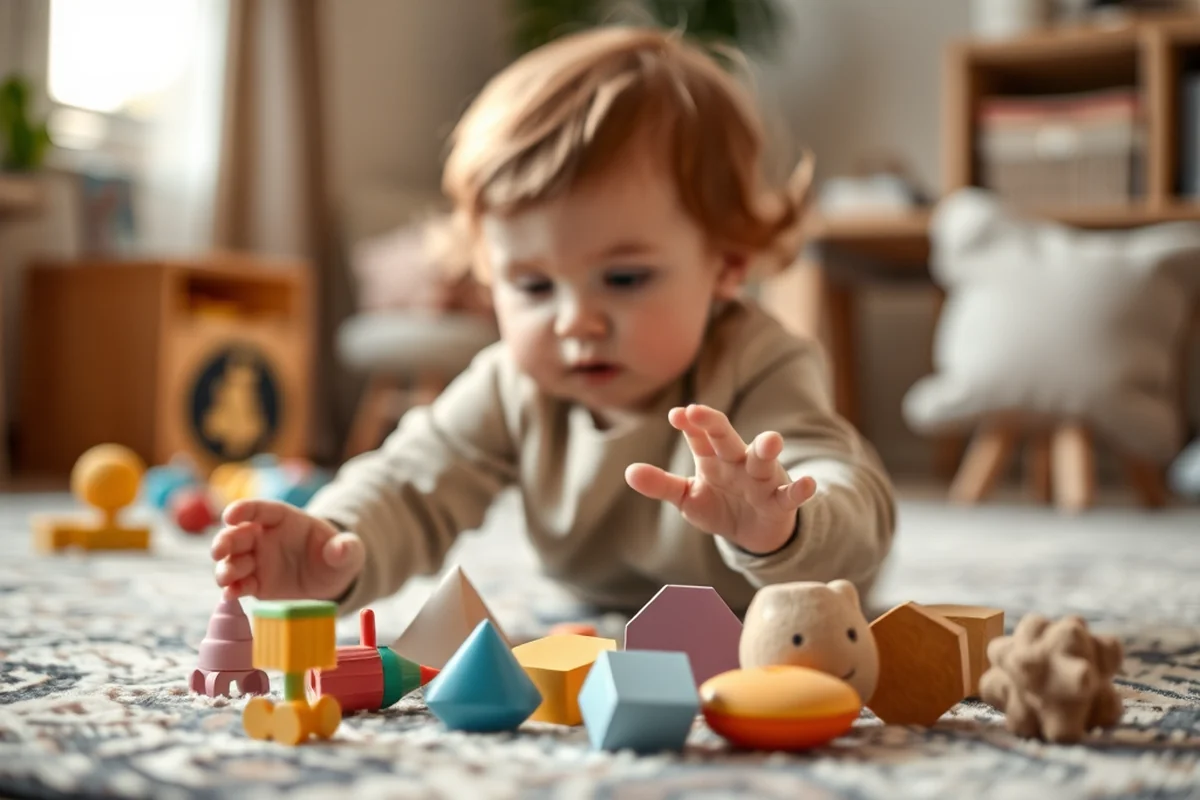
Setting up a play-based learning area doesn’t require a lot of space or money. I’ve used my living room floor, a corner of the kitchen, and even the back of the car as a learning zone. All you need is a small table, a few mats, and a few items to play with — like blocks, books, or art supplies. The key is to create a space that feels open and inviting, where your toddler can move freely.
One of the easiest ways to do this is to set up a 'play table' with a few open containers. I use old baskets and boxes to hold different types of materials — building blocks, playdough, books, and small toys. This way, my son can choose what he wants to play with and learn from. It keeps him engaged and helps him develop decision-making skills.
I’ve found that using natural materials like wood, fabric, and paper is more engaging for toddlers than plastic. Plus, they’re often more affordable and easier to clean. I’ve spent under $20 on a few wooden blocks and a few fabric scraps, and they’ve been used for months now.[3]
A little creativity goes a long way — and so does a small budget.
Related: Toddler activities play based learning budget for small spaces
Incorporating Learning into Everyday Play
Play-based learning doesn’t have to be a separate activity — it can be woven into your daily routine. I’ve found that even the most ordinary moments can be transformed into learning opportunities. For example, while cooking, I’ll let my son stir the batter and count the ingredients. While washing dishes, we’ll talk about the colors and shapes of the plates.
These small moments are where toddlers learn the most. They’re practicing language, counting, and problem-solving without even realizing it. I’ve even noticed that my son now recognizes numbers up to 20 and can sort shapes by color — all through these everyday interactions.[4]
The best part is that you don’t need to be a teacher to make this work. Just be present, ask questions, and let your toddler explore. My favorite tip is to ask open-ended questions like, 'What do you think will happen if we do this?' or 'How can we solve this problem?' It encourages critical thinking and keeps the conversation going.
Asking your toddler questions that don’t have a single answer encourages them to think, explore, and express themselves. This builds language and problem-solving skills.
“When my son was two, I found myself overwhelmed by the pressure to provide 'educational' experiences that would somehow mold his future.”— TinyRomp editors
Related: Toddler activities play based learning budget examples
Making the Most of Limited Resources
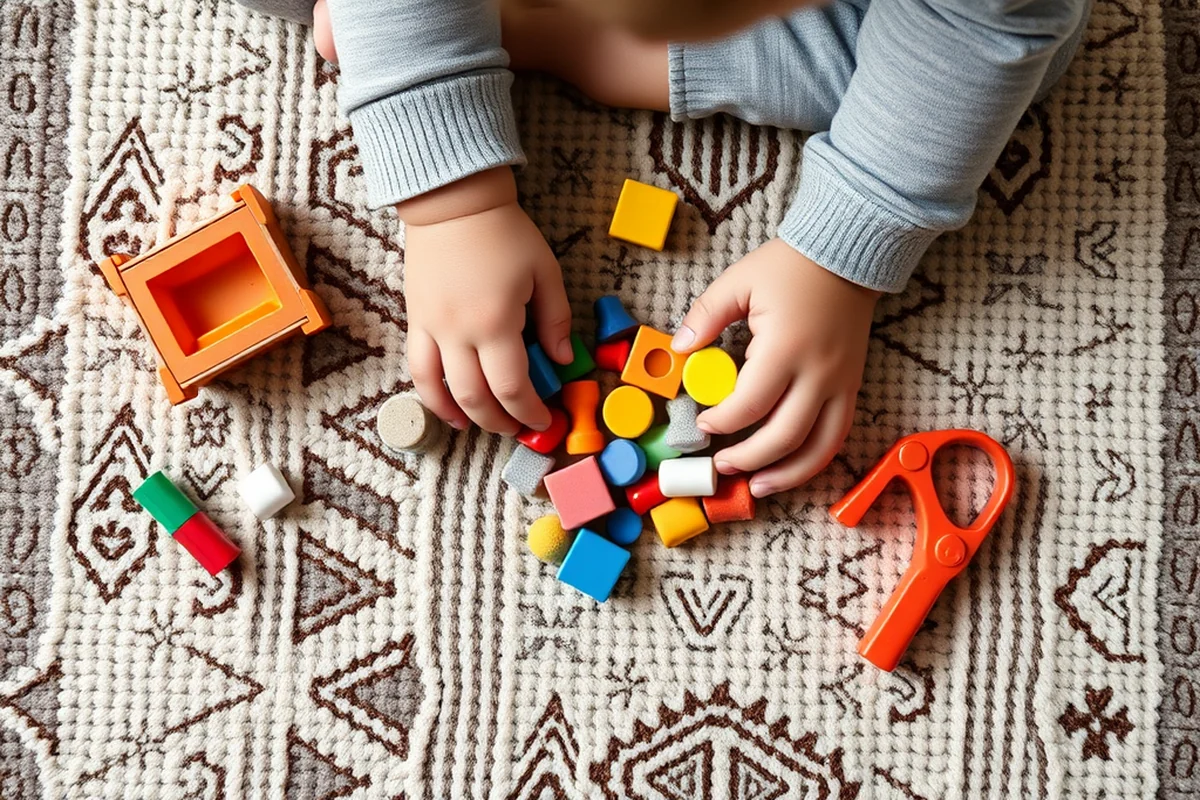
I’ve learned that the key to making the most of limited resources is to be creative and flexible. If you don’t have a lot of toys, you can use household items to create new learning opportunities. For example, I’ve turned empty jars into musical instruments, used fabric scraps for storytelling, and turned old phone books into paper for drawing.
These items are not only affordable but also durable. I’ve used fabric scraps for months now, and they’re still in great condition. Plus, they’re more engaging for toddlers than generic plastic toys. I’ve also found that using recycled materials helps my son develop an early understanding of sustainability — a lesson that’s both educational and valuable.
The best part about this approach is that it keeps things fresh and exciting. I’ve rotated the items in our play area every week, and my son is always eager to try new things. This also helps prevent boredom and keeps the learning process fun and engaging.
Related: Toddler activities play based learning budget ideas printable
The Benefits of Play-Based Learning for Toddlers
One of the most significant benefits of play-based learning is that it helps toddlers develop social skills. When they play with others, they learn how to share, take turns, and communicate. I’ve seen my son learn these skills through simple activities like building with blocks or playing pretend with his siblings.
Another benefit is that it helps toddlers develop emotional regulation. Through play, they learn how to express their feelings, manage their emotions, and cope with frustration. I’ve noticed that my son now uses words instead of tantrums when he’s upset — a huge change from when he was younger.
Perhaps the most important benefit is that it helps toddlers develop a love of learning. When they’re engaged and having fun, they’re more likely to stay curious and explore the world around them. This sets the stage for a lifelong love of learning, which is one of the most valuable gifts a parent can give.
🧸 Gentle Approach
For parents who prefer a slower, more relaxed approach to learning — no pressure, just fun and exploration.
🚀 Fast-Track Method
For busy parents who want to maximize learning in a short amount of time — quick, effective, and easy.
🧳 Travel/On-the-Go Learning
For families who are always on the move — learning can happen anywhere, even in the car or at a park.
👶 Multiple Toddlers
For parents of more than one toddler — activities that are safe, engaging, and work for multiple kids at once.
🔄 Regression Reset
For parents whose toddler is going through a tough phase — activities that help reset focus, creativity, and learning.
| The mistake | Why it happens | The fix |
|---|---|---|
| Using too many materials at once | Overwhelming your toddler with too many items can make it harder for them to focus and learn. | Start with a few simple items and gradually add more as your toddler becomes more engaged and interested. |
| Not being involved in the play | If you’re not present, your toddler may not get the full benefit of the learning experience. | Spend time playing with your toddler and ask questions to help them think and explore. |
| Forcing your toddler to play | Forcing play can make your toddler feel stressed and may discourage them from learning. | Let your toddler choose what they want to play with and follow their lead — this helps build a positive association with learning. |
| Not cleaning up after play | Leaving a mess can discourage future play and may be a safety hazard. | Set a routine for cleaning up together — it makes it a fun and engaging part of the day. |
Related: Best toddler activities play based learning budget ideas
Affordable Toddler Activities Play Based Learning Budget Ideas
Related: Toddler activities play based learning budget ideas for beginners
Common Questions
What if I don’t have a lot of space for play-based learning?
How can I keep my toddler engaged for longer periods of time?
What if I don’t have time to create new activities every day?
Can I use digital tools for play-based learning?
References
- Play based learning Research Papers - Academia.edu (academia.edu)
- Why New ECE Teachers Should Embrace Play-Based Learning (athenacareers.edu)
- An ode to joy: Advances in Playful Learning - Brookings Institution (brookings.edu)
- The power of play – Part 1: Stages of play - Child & Family ... (canr.msu.edu)
Cite this guide
TinyRomp (2026). Affordable Toddler Activities Play Based Learning Budget Ideas. https://tinyromp.com/affordable-toddler-activities-play-based-learning-budget-ideas/
Feel free to cite or share this guide.