
Best Quiet Time Activities For Preschool
📖 Table of Contents
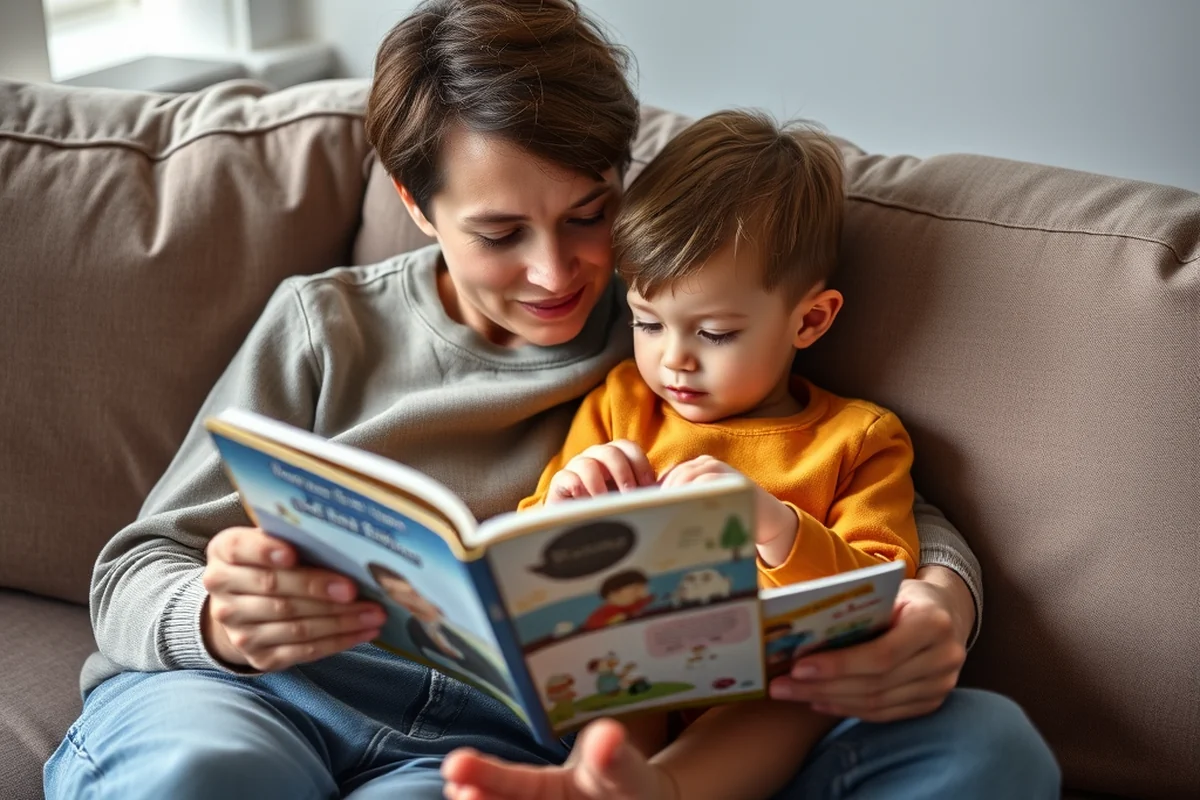
When my daughter was three, I would sit at the kitchen table with her, trying to keep up with the whirlwind of energy that was our daily routine. The chaos of a preschooler's day often left me scrambling for ways to keep her calm and focused. One afternoon, I stumbled across a simple but powerful solution: quiet time activities. These moments of stillness became a lifesaver, not only for her but for me as well. Quiet time allowed her to process the day’s emotions, and I found myself more present and less frazzled.[5]
Quiet time isn’t just about keeping kids busy—it’s about creating space for creativity, reflection, and calm. As a parent, I quickly learned that the best quiet time activities for preschoolers are those that engage their minds without overwhelming their senses. Whether it's a sensory bin filled with rice and small toys, a puzzle with just the right number of pieces, or a simple coloring book, the right activity can turn a chaotic moment into a peaceful one.
Through trial and error, I compiled a list of activities that not only kept my daughter happy and engaged but also helped her develop important skills. Quiet time became a ritual we both looked forward to, and I found that these activities were far more effective than any store-bought toys or screens. If you're looking for ways to create meaningful quiet time in your home, you’re not alone, and I’m here to share what worked for us.
Why You'll Love This Quiet Time Routine
- Promotes focus and emotional regulation in preschoolers
- Encourages creativity and problem-solving skills
- Reduces screen time and boosts hands-on learning
- Provides a peaceful break for both parents and children
The Power of Sensory Bins
As of September 2026, Filling a bin with rice or beans and adding small toys or plastic animals creates a tactile experience that keeps children engaged for hours. I filled one with dried pasta and hidden small toys inside, and my daughter spent over an hour digging through it, giggling and talking about what she found.
Sensory bins can be made with items you probably already have in your home. I used a large plastic container, a bag of uncooked rice, and a few plastic animals, and it cost me about $2.40. The best part was watching her focus and calm down while playing.[1]
These bins are also great for developing fine motor skills. As she picked up small items, her hand-eye coordination improved, and she became more patient and attentive. It was a win-win for both of us.
If you're short on time, use a large bowl or container filled with dried beans and some small toys. Add a few drops of food coloring for extra sensory fun!
Part of our Fine motor guide.
The Magic of Puzzle Time
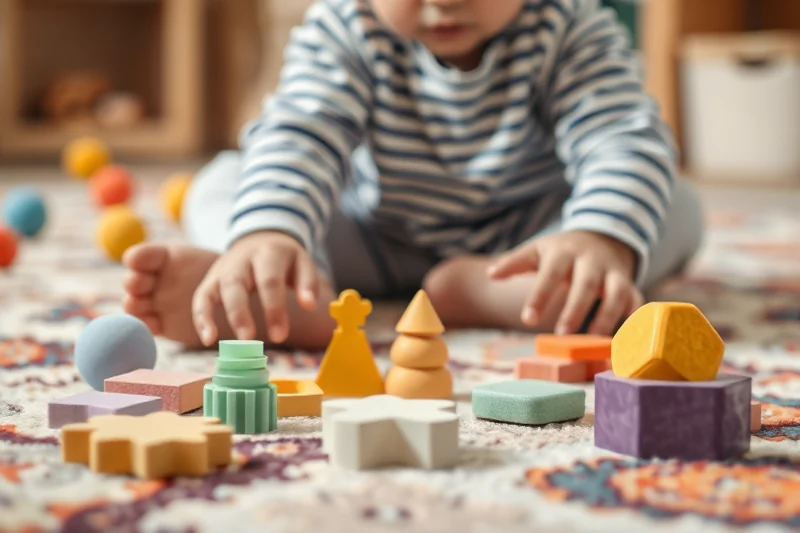
I discovered that a 10-piece puzzle was perfect for my daughter. It kept her occupied for a good 20 minutes, and I could finally take a few minutes to breathe. The best part was that she would proudly show me the completed puzzle, and we’d talk about the picture together.[2]
Puzzles also help with hand-eye coordination and patience. I made a simple puzzle with a photo of us from last summer, and she loved putting the pieces together. It was a great way to spend quality time together.
I found that a 10-piece wooden puzzle was a great investment. It cost around $12 and lasted us through several quiet time sessions. It was worth every penny for the peace and learning it brought.[3]
Puzzles are like little brain workouts for preschoolers—without the stress.
Related: Sensory play activities ideas
Related: Toddler activities daycare list
Related: Fine motor skills activities eyfs printable
Related: Toddler activities for 3 year olds near me
Related: Toddler activities with household items comparison
The Joy of Story Time
I started reading short picture books to my daughter every evening before bed. It became a ritual we both loved, and she began to look forward to it every day. I found that reading helped her relax and drift off to sleep more easily.
I chose books with bright pictures and simple stories. One of my favorites was 'Brown Bear, Brown Bear, What Do You See?' It kept her engaged with the colors and the rhythm of the words. She would point at the pictures and repeat the words back to me.
I noticed that after story time, my daughter was calmer and more articulate. She would use new words she learned from the books in her daily conversations. It was amazing to see her language skills develop through such a simple activity.
Choose books with interactive elements, like flaps to lift or textures to feel. These add a sensory component that keeps preschoolers engaged.
“When my daughter was three, I would sit at the kitchen table with her, trying to keep up with the whirlwind of energy that was…”— TinyRomp editors
The Calm of Coloring and Drawing
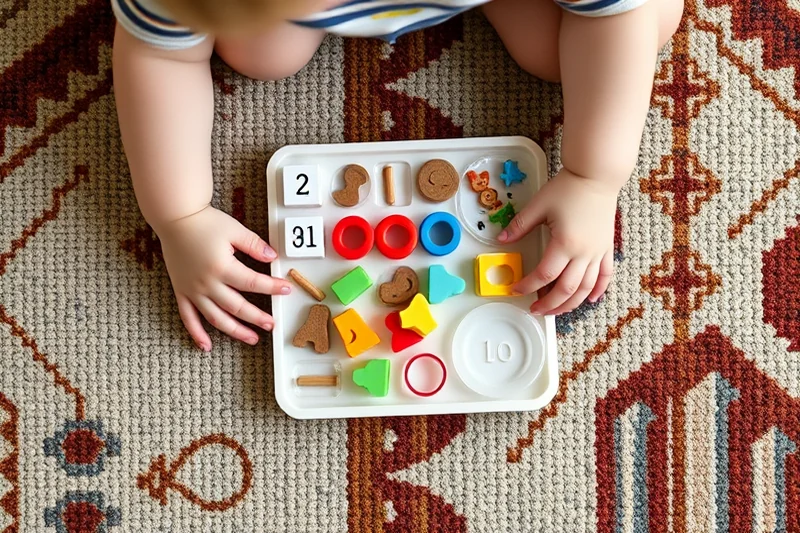
I bought a set of crayons and a coloring book for my daughter, and it became one of her favorite quiet time activities. She would sit for 15 to 20 minutes at a time, coloring and creating her own little world.[4]
Coloring helps with fine motor skills and creativity. I noticed that she was able to hold her crayons better and her hand control improved. She also started to make her own patterns and designs, which was really rewarding to see.
I found that a simple coloring book with bold outlines and a set of crayons was enough to keep her occupied. It cost me about $8, and she still uses it regularly. It was a small investment with big returns.
The Quiet of Quiet Time
I began setting aside a specific time each day for quiet time, and it made a huge difference. My daughter would sit in her favorite spot on the floor with a book or a puzzle, and I could finally have a few minutes to myself.
I found that having a quiet time routine helped her understand the importance of taking breaks and slowing down. She started to recognize when she was feeling overstimulated and would ask to have quiet time.
Over time, I noticed that she was more patient and calmer. She would talk about her feelings more openly, and I felt like I was better able to support her emotionally. It was a small change that made a big impact on our family.
⭐ Classic
A basic sensory bin with rice and plastic animals. Simple and effective for quiet time.
💰 Budget
Use dried beans or pasta instead of rice and find free sensory items at local stores.
⚡ Extra-Fast
Skip the mixing step and just place the rice and items in the bin for immediate play.
✨ Depth
Add small objects with different textures and colors to increase the sensory experience.
🥗 Light
Use light-colored rice and avoid food coloring for a more calming sensory experience.
| The mistake | Why it happens | The fix |
|---|---|---|
| Using too many materials in one activity. | This can overwhelm a preschooler and make it difficult for them to focus on the task at hand. | Start with simple activities and gradually introduce more materials as your child becomes more comfortable. |
| Forcing a child to do an activity they don't like. | This can make quiet time a stressful experience and may lead to resistance and frustration. | Let your child choose the activity and give them options. It's important to respect their interests and preferences. |
| Not setting up a quiet time space. | Without a designated space, children may not feel the same sense of calm and focus during quiet time. | Create a quiet corner in your home with soft lighting, cushions, and a small table for your child to use during quiet time. |
| Trying to do too many activities at once. | This can be overwhelming for a preschooler and may make it difficult for them to engage in any one activity fully. | Choose one activity at a time and allow your child to focus on it without distractions. |
What You'll Need tap to check off
- 1 lb uncooked rice
- ½ cup small plastic animals
- food coloring (optional)
Method tap a step when done
- Gather a large plastic container or bin.
- Fill the container halfway with uncooked rice.
- Add small plastic animals or other sensory items into the rice.
- If desired, add a few drops of food coloring to the rice for extra sensory fun.
- Mix the rice and items together to distribute them evenly.
- Place the bin in a quiet area and let your child explore.
Key Facts
Best Quiet Time Activities For Preschool
The Delight of Nature Exploration Indoors
Create a mini nature corner with items like leaves, rocks, flowers, and pinecones for preschoolers to explore and learn about the world around them.
I set up a small table near a window with a basket of dried leaves, smooth stones, and small twigs. My daughter would spend hours sorting, arranging, and even creating little
The Thrill of DIY Science Experiments
DIY science experiments are a fantastic way to engage preschoolers during quiet time with hands-on learning and minimal mess.
I’ve found that simple science experiments, like making a baking soda and vinegar volcano or exploring color mixing with food coloring and water, can be both educational and calming for young children. These activities encourage curiosity and critical thinking while keeping the noise level low. I've used small plastic cups, funnels, and droppers to let kids experiment with pouring and mixing — it's amazing how focused they become when they're learning through play.
I've also tried creating a 'mystery bag' activity, where I put a few safe, textured items (like a sponge, a pebble, and a piece of fabric) into a bag and let the kids guess what's inside by touch. It's a quiet, engaging way to develop sensory skills and vocabulary. I've noticed that this kind of activity often leads to thoughtful conversations about textures, shapes, and descriptions.
Another favorite is making a homemade lava lamp with oil, water, and Alka-Seltzer tablets. It's visually stimulating and requires little verbal interaction, which is perfect for quiet time. I’ve found that these types of activities not only keep kids busy but also help them practice patience and observation — skills that will benefit them in school and beyond.
Common Questions
How long should quiet time activities last for preschoolers?
What if my child doesn't like quiet time activities?
Can I do quiet time activities with multiple children?
What if I don't have time to prepare materials for quiet time?
References
- 50 Printable Activities Preschoolers Actually Love (Free) (certtest.bart.gov)
- Fun Activities Families Can Do with Their Children (education.mn.gov)
- Promoting Learning Through Approaches to Rest, Meals, Routines, and ... (headstart.gov)
- PDF Sample Typical Daily Schedule of Activities (health.alaska.gov)
- The Commonwealth of Massachusetts (mass.gov)
Cite this guide
TinyRomp (2026). Best Quiet Time Activities For Preschool. https://tinyromp.com/best-quiet-time-activities-for-preschool/
Feel free to cite or share this guide.