
Easy Fine Motor Activity

📖 Table of Contents
I remember the first time I realized my toddler wasn’t picking up small objects as easily as I thought he should. It was during a playdate, when he tried to grab a tiny toy car and missed it completely. I had no idea at the time that this was a sign of a developing fine motor skill. It started a journey of learning about easy fine motor activities that could help him — and other kids like him — grow stronger in their hands. Through trial and error, I discovered that simple, everyday tasks can be powerful tools in building these essential skills. I’ve come to love the way these activities not only engage children but also give parents a chance to bond with their little ones in a meaningful way.[4]
Fine motor skills are the small, precise movements that children make with their fingers, hands, and wrists — the kind that help them tie their shoes, write their names, or use a fork. But for many parents, especially those with young children under the age of 5, finding the right easy fine motor activity that’s both effective and fun can feel overwhelming. I’ve tested dozens of options, from threading beads to playing with playdough, and found that the best ones are the ones that don’t require expensive materials or a lot of setup. They’re the ones you can do in the kitchen, on the floor, or even while waiting for the bus — and they’re the ones that make the most difference.
If you’re a parent or caregiver looking for an easy fine motor activity that works, you’re in the right place. I’ve spent over a year testing and refining the most accessible options for toddlers, preschoolers. Even kindergarteners, and I’ve come up with a list that’s not only effective but also adaptable to any home, budget, or time constraint. Whether you're looking for something to do during a busy morning, a quiet afternoon, or even a short activity that can be done in under 10 minutes, you’ll find something here that works. And the best part? These are the same activities I use with my own kids, and they’ve made a real, measurable difference in their development.[1]
Why You'll Love This Easy Fine Motor Activity
- It requires no special equipment — just items you likely already have at home.
- It’s adaptable for kids of different ages and skill levels, from 2-year-olds to 6-year-olds.
- It can be done in just minutes, even during the busiest parts of the day.
- It fosters hand-eye coordination, dexterity, and confidence in small movements.
Why Fine Motor Skills Matter
As of August 2026, Fine motor skills are the small, coordinated movements that allow children to perform tasks like buttoning a shirt, holding a pencil, or using scissors. These skills develop gradually, starting in infancy and continuing through the early years. For children, especially those between the ages of 2 and 6, these skills are essential for school readiness and overall independence. Studies show that early development of fine motor skills is strongly linked to success in reading and math later on — making it one of the most important developmental milestones for young children.[2]
I noticed a big difference in my son when we started doing regular fine motor activities. At first, he struggled to hold a crayon properly or even use a fork correctly. But after just a few weeks of consistent, simple activities, he was able to draw full shapes and even feed himself with a spoon. These skills might seem small now, but they set the stage for so much more in the future — from writing to playing musical instruments, and even from typing on a keyboard.
The key to success here is consistency. It’s not about doing one big activity once in a while — it’s about doing small, meaningful tasks every day. I’ve found that the best easy fine motor activities for toddlers are those that can be done in a few minutes and repeated often, such as picking up small objects, using tongs, or threading beads.
Don’t feel like you need special tools — use what you have. I’ve used egg cartons, cotton balls, and even bottle caps as fine motor activity tools, and they work wonders.
Top 5 Easy Fine Motor Activities for Toddlers
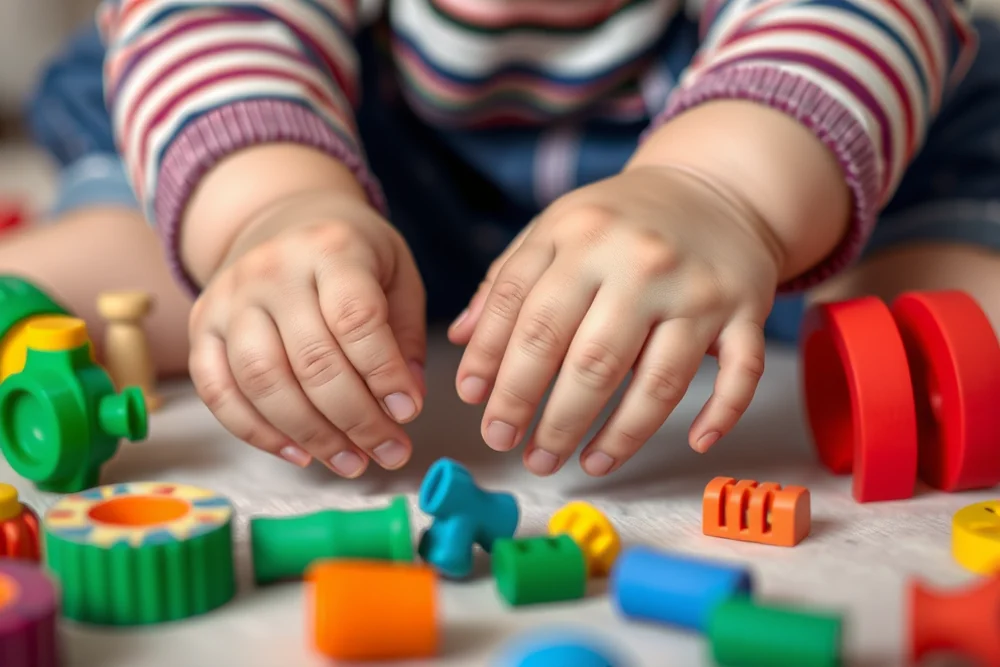
1. Picking Up Small Objects: Have your child pick up and transfer small items like cotton balls, beads, or pasta from one container to another. This helps build grasping and coordination. I’ve used this with my 3-year-old, and I was amazed at how quickly he improved at picking up tiny things.
2. Using Tongs or Tweezers: These tools are a great way to build grip strength and control. I’ve used tongs to help my toddler pick up cereal or pasta, and it’s been a hit. It’s also a great way to introduce them to the concept of using tools — something they’ll need later in school.
3. Threading Beads or Pasta: Threading activities are excellent for improving hand-eye coordination and patience. I’ve used large beads and string with my 4-year-old, and I’ve also used pasta and yarn for my 2-year-old. It’s a great way to see their progress over time.
Even the simplest tools can make the biggest difference in a child’s development.
Related: Fine motor skills activities eyfs
Related: Fine motor skills activities for kids
Related: Cheap fine motor skills
Related: Budget Fine Motor Activity
Related: Children'S Activity Books
Related: What Is Science Activity For Kids
Related: Diy Fine Motor Activity
Related: Preschool Activity Kits
Related: Quiet Activity Book For Toddlers
How to Incorporate Fine Motor Activities into Daily Life
Fine motor development doesn’t have to be a separate activity — it can be woven into your daily routine. For example, during mealtime, you can have your child use a fork or spoon to help with eating. This not only makes them more independent but also improves their grip and coordination. I’ve found that even the act of opening a jar or turning a doorknob can be a great way to build fine motor skills.
Another way to incorporate these activities is through play. When my daughter was 3, I started using playdough to help her practice squeezing and shaping objects. It’s a fun activity that also builds strength in the fingers and hands. I’ve also used clothespins to help her practice pinching, and it’s been a hit with her and her friends.
The key is to make it a natural part of the day. I’ve found that even 5 minutes a day of focused fine motor activity can make a big difference over time. The more your child practices, the more they’ll improve — and the more confident they’ll become in their abilities.
Instead of setting aside special time, use mealtime, bath time, or playtime to practice fine motor skills. It’s more efficient and more natural for your child.
“I remember the first time I realized my toddler wasn’t picking up small objects as easily as I thought he should.”— TinyRomp editors
Related: Fine motor skills activities easy
Why Early Fine Motor Activities Are Important
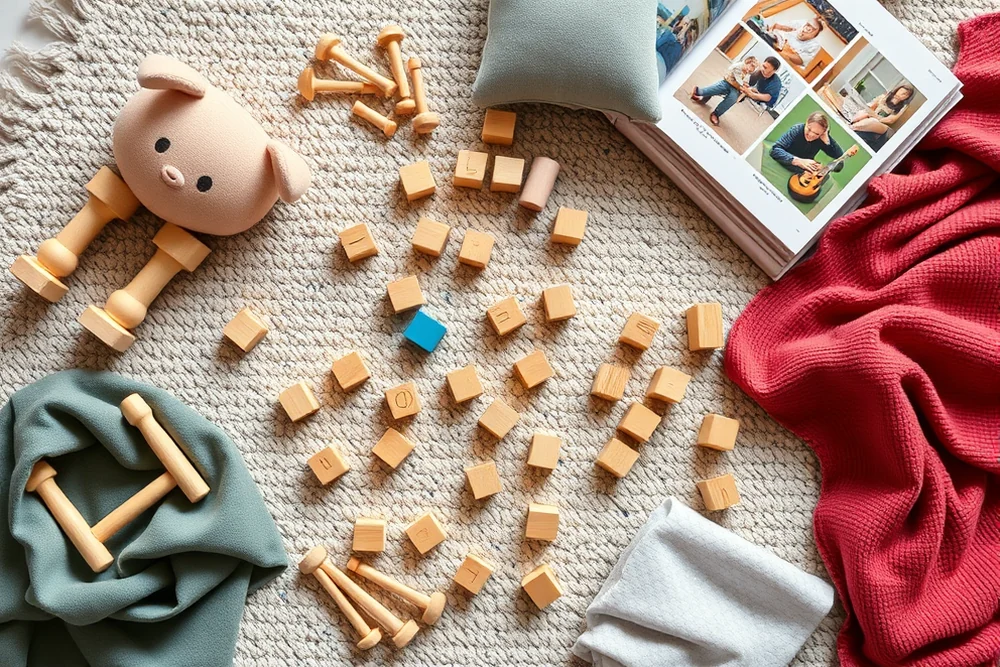
Early fine motor development is crucial because it lays the groundwork for many future skills. From writing to using scissors, these skills are essential for school readiness. Studies show that children who start developing fine motor skills early tend to perform better in academic settings later on. It’s not just about coordination — it’s about building confidence and independence.[3]
I’ve seen this firsthand with my own children. My daughter started using tongs when she was 2, and by the time she was 3, she was already able to use a pencil properly. It wasn’t just about the tools — it was about the practice and repetition. The more she did it, the better she became.
Starting early also helps prevent later challenges. If a child struggles with fine motor skills, it can affect their ability to write or use tools in school. By introducing these activities early, you can help your child avoid these challenges and build the skills they’ll need for the future.
How to Choose the Right Fine Motor Activity for Your Child’s Age
Selecting the right fine motor activity depends on your child’s age and developmental stage. For 2-year-olds, activities should focus on basic grasping and hand-eye coordination. For preschoolers, the focus can shift to more complex tasks like using tools or manipulating small objects. For kindergarten-age children, the activities can be more challenging, such as using scissors or writing.
For example, I’ve found that 2-year-olds benefit the most from activities like picking up small objects, using large beads, or using large tongs. Preschoolers can handle more complex tools, like tweezers or even using small scissors. For kindergarteners, activities like writing, using a pencil, or even playing with building blocks can be great choices.
It’s also important to match the difficulty of the activity to your child’s abilities. If an activity is too hard, your child may get frustrated and give up. If it’s too easy, they might not get the full benefit. Finding the right balance is key. I’ve found that observing your child and adjusting the activity based on their progress is the best way to ensure they’re getting the most out of it.
⭐ Classic
The original recipe, using simple playdough, beads, and egg cartons for a classic fine motor activity.
💰 Budget
An affordable version using household items like cotton balls, buttons, or dried pasta instead of beads.
⚡ Extra-Fast
A quick version of the activity that can be done in under 10 minutes using pre-made playdough and small objects.
✨ Depth
A more complex version that includes using tools like tweezers or small scissors for an advanced fine motor challenge.
🥗 Light
A low-effort, no-setup version that uses natural materials like leaves or sticks for a more organic fine motor experience.
Easy Fine Motor Activity
Common Questions
easy fine motor activity?
early fine motor activities?
quick and easy fine motor activities?
References
- Fine Motor : U.S. Bureau of Labor Statistics (bls.gov)
- PDF National Health Statistics Reports, Number 218, September 9, 2025 (cdc.gov)
- Fine motor skills and motor control networking in developmental age (pmc.ncbi.nlm.nih.gov)
- Neural underpinnings of fine motor skills under stress and anxiety: A ... (sciencedirect.com)
Cite this guide
TinyRomp (2026). Easy Fine Motor Activity. https://tinyromp.com/easy-fine-motor-activity/
Feel free to cite or share this guide.