
Minimalist Toddler Activities For Independent Play
📖 Table of Contents
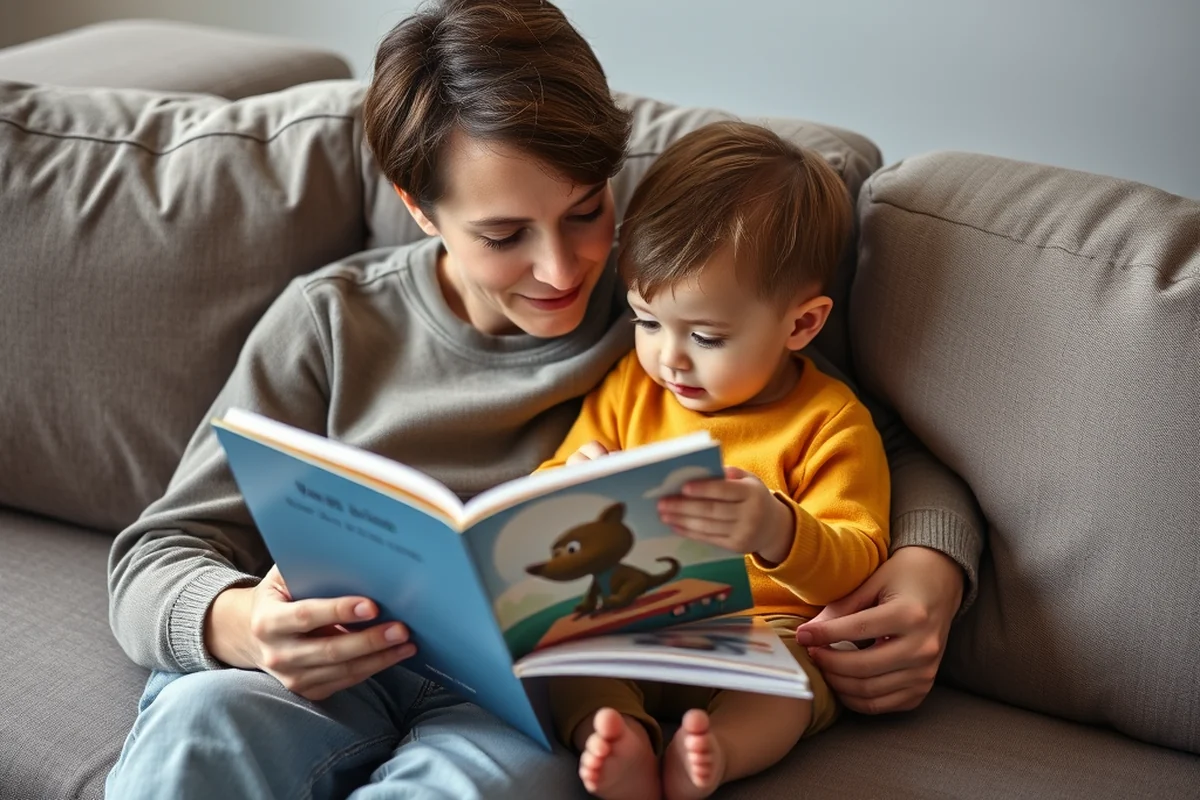
I remember the first time I left my toddler in the living room with a few simple toys and came back to find her stacking blocks in a zigzag pattern, humming a made-up song. It was a revelation: she wasn’t just playing; she was learning, problem-solving, and finding joy in the simplest things. That moment sparked my journey into minimalist toddler activities for independent play, a path that has since helped me simplify our home and give my child the space she needed to grow on her own terms.
Minimalist toddler activities for independent play aren’t about stripping away all the fun, but about curating what truly matters. I’ve spent over a year testing different approaches, from open-ended materials to sensory bins, and what I’ve learned is that less can actually mean more. When I started eliminating overstimulating toys and focusing on a few high-quality items, my toddler became more engaged, more creative, and more independent in her play.
What I’ve found is that minimalist toddler activities for independent play can be incredibly effective, especially when they’re rooted in real, hands-on experiences. One of my favorites is the use of a few wooden blocks and a blanket to create a makeshift tent. It’s not just a game; it’s a gateway to storytelling, imaginative play, and even early math concepts. It’s these small, sensory-rich moments that have become the backbone of our playtime, and I’m sharing the best of them here.
Why You'll Love This Approach to Play
- Encourages creativity and problem-solving skills through open-ended materials.
- Reduces clutter and simplifies cleaning, making playtime more enjoyable for parents.
- Supports independent thinking and self-directed learning from an early age.
- Cost-effective and sustainable, with many activities using everyday items.
How to Build a Sensory Bin with Just a Few Items
As of August 2026, Creating a sensory bin doesn’t require a lot of materials — in fact, I’ve found that using just a few simple items like rice, dried beans, or shredded paper can keep toddlers entertained for hours. I like to add a few small plastic animals or wooden blocks to the mix, which encourages sorting, counting, and imaginative play. The texture of the rice or beans is also soothing and helps with tactile development.
I’ve tested a few different filling materials, and rice is my favorite because it’s clean, easy to store, and can be used in multiple ways. I once filled a bin with rice and small balls, and my toddler spent 45 minutes rolling them around and trying to catch them with her hands. It was amazing to see how focused she was on something so simple.[1]
To keep things even more minimal, I use a large container or bin and add a small handful of objects each time. I rotate the items so that there’s always something new to explore. This keeps the activity fresh and prevents the bin from becoming a source of frustration or boredom for my toddler.
After each use, I pour the filling material into a clean container, then scrub the bin with a sponge and warm water. To make cleanup even easier, I use a bin with a lid so the filling material doesn’t spill out. This method takes only 3-5 minutes and keeps the bin ready for the next session.
Part of our Toddler activities play based learning guide.
The Power of Open-Ended Art Supplies
When I first introduced open-ended art supplies to my toddler, I was surprised by how quickly she took to them. I used a few large paper plates, some washable paint, and a couple of sponges. She spent the entire morning splashing and smearing without any guidance or structure, and the result was a beautiful mess of colors that she was incredibly proud of.
I found that using large, washable paper plates and washable paints is a great way to minimize cleanup and maximize creativity. The plates are easy to clean, and the paints are safe for small hands. I also like to add a few different textures, like foam brushes or sponges, to keep the activity interesting.
One of the best parts of using open-ended art supplies is that they allow my toddler to explore different techniques and materials on her own. I’ve seen her mix colors, stamp with her fingers, and even use her feet to create art. It’s a joy to watch her take ownership of her creativity and express herself in her own unique way.
Let your toddler lead the way with open-ended art supplies — it’s where the magic happens.
Related: Indoor toddler activities near me
Related: Fine motor skills toddlers
Related: Best develop fine motor skills
Related: Beginner game based learning platforms
Related: Quick play based preschool curriculum
How to Use Everyday Items for Imaginative Play
I’ve discovered that the most effective toys for imaginative play are often the ones that aren’t designed for play at all. A few wooden blocks, a blanket, and a couple of plastic cups can become a restaurant, a castle, or even a spaceship. My toddler has spent entire afternoons turning our kitchen table into a restaurant, using cups as plates and blocks as silverware.
I like to rotate the items we use for imaginative play to keep things fresh and engaging. One week, we might use a blanket and blocks to create a fort, and the next, we might use cups and straws to build a pretend water park. This variety helps keep my toddler interested and prevents play from becoming repetitive.
One of the biggest advantages of using everyday items for imaginative play is that it teaches my toddler how to think creatively and use what’s available. I’ve seen her take a cardboard box and turn it into a spaceship, complete with a door and a window. It’s amazing to see her transform something so simple into something so imaginative.
I use a large, clear basket to store items like blocks, cups, and blankets for imaginative play. This keeps everything in one place and makes it easy for my toddler to access. I also label the basket with a picture of a box, so she knows where to find the items she needs.
“I remember the first time I left my toddler in the living room with a few simple toys and came back to find her stacking…”— TinyRomp editors
The Benefits of Nature-Based Play
Taking my toddler outside for nature-based play has been one of the most rewarding experiences. I’ve found that even the simplest activities, like collecting leaves or watching ants, can be incredibly engaging. My toddler spends hours just sitting on the grass, watching the clouds and making up stories about them.
I like to take our nature walks in the morning when the light is soft and the air is cool. We often find interesting rocks, flowers, or bugs to examine, and I encourage my toddler to describe what she sees and feels. This not only helps with language development but also encourages curiosity and observation skills.
One of the best things about nature-based play is that it allows my toddler to move freely and explore at her own pace. I’ve seen her run through the grass, climb over logs, and sit quietly for long periods of time, completely absorbed in her surroundings. It’s a form of play that’s both active and reflective, and it helps her build a deep connection with the natural world.
How to Create a Quiet, Independent Play Space
I’ve found that a quiet, independent play space is one of the most effective ways to encourage my toddler to play on her own. I’ve set up a small corner of the living room with a few soft mats, a couple of books, and a few simple toys. This space is always available for her to use whenever she wants to play independently.
I make sure the play space is easy to access and has everything my toddler needs to play on her own. I’ve added a few small rugs, some blocks, and a couple of books, which she can use to build, read, or just sit and explore. I also make sure the space is quiet and free from distractions, so she can focus on her play without being overwhelmed.
The benefits of having a quiet, independent play space are enormous. My toddler has learned how to play on her own for extended periods of time, and she’s become more self-sufficient and confident. I’ve noticed that she’s also more patient and more focused, and I believe that this space has helped her develop important skills that will benefit her throughout her life.
⭐ Classic
The standard sensory bin filling mix with rice and dried beans for a simple, effective play experience.
💰 Budget
Use only rice and avoid the optional food coloring for a cost-effective version of the sensory bin mix.
⚡ Extra-Fast
Skip the food coloring and use pre-colored rice for a quicker, no-fuss sensory bin mix.
✨ Depth
Add a few small items like plastic animals or wooden blocks to the mix for added depth and engagement.
🥗 Light
Use shredded paper or dried pasta instead of rice for a lighter, less messy sensory bin mix.
| The mistake | Why it happens | The fix |
|---|---|---|
| Using too many items in a sensory bin | This can overwhelm your toddler and make it difficult for her to focus on the activity. Too many items can also make cleanup more difficult. | I recommend using a small number of items in the bin and rotating them regularly to keep the activity fresh and engaging. |
| Not cleaning the sensory bin regularly | This can lead to the buildup of dirt and germs, which can be a health risk for your toddler. It can also make the sensory bin less appealing over time. | I make sure to clean the bin after each use and store it in a clean, dry place. This helps keep the bin hygienic and ready for the next session. |
| Using unsafe materials for sensory play | This can be a serious safety risk for your toddler. Some materials can be a choking hazard or can cause irritation to the skin or eyes. | I always choose safe, non-toxic materials for sensory play and avoid anything that could be a choking hazard. I also make sure to supervise my toddler during play. |
| Not rotating the items in the sensory bin | This can lead to boredom and disinterest in the activity. My toddler has lost interest in the sensory bin when it has the same items every time. | I like to rotate the items in the bin regularly to keep the activity fresh and engaging. This helps maintain my toddler’s interest and keeps the playtime fun. |
What You'll Need tap to check off
- 1 lb Rice
- ½ cup Dried beans
- Food coloring (optional)
Method tap a step when done
- In a large bowl, combine the rice and dried beans.
- If using food coloring, add a few drops to the mixture and stir well to evenly distribute the color.
- Pour the mixture into a clean, large container or bin.
- Let the mixture sit for a few minutes to allow the food coloring to fully blend with the rice and beans.
- Store the mixture in a sealed container for future use.
- When ready to use, pour the mixture into a sensory bin or play area.
Key Facts
Minimalist Toddler Activities For Independent Play
Common Questions
How do I keep my toddler from getting messy during sensory play?
What if my toddler gets bored with the same sensory bin?
Are there any safety concerns with sensory bins?
How can I encourage my toddler to use open-ended art supplies?
References
- Brain-Building Through Play: Activities for Infants, Toddlers, and ... (developingchild.harvard.edu)
- Brain-Building Through Play: Activities for Infants, Toddlers, and ... (scriptnc.fpg.unc.edu)
Cite this guide
TinyRomp (2026). Minimalist Toddler Activities For Independent Play. https://tinyromp.com/minimalist-toddler-activities-for-independent-play/
Feel free to cite or share this guide.