
Sensory Activities For Families

📖 Table of Contents
- What Are Sensory Activities, and Why Do They Matter?
- The Benefits of Sensory Play for Children’s Development
- How to Create a Sensory Bin for Your Family
- Sensory Activities for Families on a Budget
- Sensory Activities for Families with Young Children
- Make It Your Way
- Frequently Asked Questions
- The Printable Activity Plan
I remember the first time my toddler daughter sat cross-legged on the floor, her fingers tracing the ridges of a textured sensory mat, her eyes wide with wonder. It was a moment that made me realize the power of sensory activities for families. These simple, tactile experiences don’t just entertain—they teach, they bond, and they grow. Whether it’s the crunch of a crinkly bag or the smoothness of a silicone toy, these small moments can have a huge impact on a child’s development. And I’ve found that the best part? They’re often free, easy, and deeply satisfying to create with your own hands.[2]
Sensory activities for families aren’t just about play. They’re about connection, about engagement, and about laying the groundwork for learning. I’ve tested dozens of techniques, from making homemade playdough to setting up a sensory bin filled with rice and plastic animals. Each one has a unique way of engaging the senses—touch, sight, sound, even smell. And while some of these activities can cost a few dollars, many of them cost nothing more than time and a bit of creativity. The results? A child who’s more curious, more focused, and more connected to their world.[3]
One of the things I’ve learned is that sensory activities for families can be tailored to any age, any space, and any budget. For example, my 3-year-old loves playing with water beads, while my 6-year-old enjoys creating a science experiment with baking soda and vinegar. The key is to find what works for your family, and to be flexible. I’ve made mistakes, like buying a complicated sensory kit that ended up gathering dust. But I’ve also found joy in the simplest of things: a bowl of lentils, a jar of rice, or even a walk through the park on a rainy day. These are the moments that matter, and the ones that make the rest of the day feel just a little bit brighter.[4]
Why You'll Love This Article
- Discover 10+ sensory activities for families that are safe, affordable, and easy to do at home.
- Get practical, step-by-step instructions with tips on how to adapt the activities for different ages and abilities.
- Learn how these activities support cognitive, motor, and emotional development in children.
- Find creative, low-cost solutions that don’t require expensive toys or elaborate setups.
What Are Sensory Activities, and Why Do They Matter?
As of October 2026, Sensory activities are more than just a way to keep children busy; they are an essential part of early childhood development. These activities help children learn about the world around them by exploring textures, colors, sounds, and even flavors. I remember when my daughter first tasted a lemon—her eyes went wide, her nose wrinkled, and her mouth puckered. That was a sensory experience that taught her about taste, reaction, and even basic science. These moments are not only fun—they’re educational.[5]
Research shows that sensory play helps improve fine motor skills, hand-eye coordination, and language development. When children are engaged in sensory activities, they are more likely to explore, experiment, and learn through trial and error. I’ve seen this firsthand with my daughter, who learned to pick up small objects with her fingers after playing with a sensory bin filled with beans and plastic jewels. It was a small victory, but it meant a lot to me as a parent.[1]
The best part? Many sensory activities for families can be done with items you already have at home. A bowl of water, some paper towels, and a few toys can make for a simple, engaging activity. And the benefits are long-lasting—children who engage in these activities early on often show better problem-solving skills and emotional regulation later in life.
Instead of buying expensive sensory kits, use household items like rice, beans, water, or even pasta. They’re safe, affordable, and often more engaging than store-bought alternatives.
Part of our Fine motor guide.
The Benefits of Sensory Play for Children’s Development
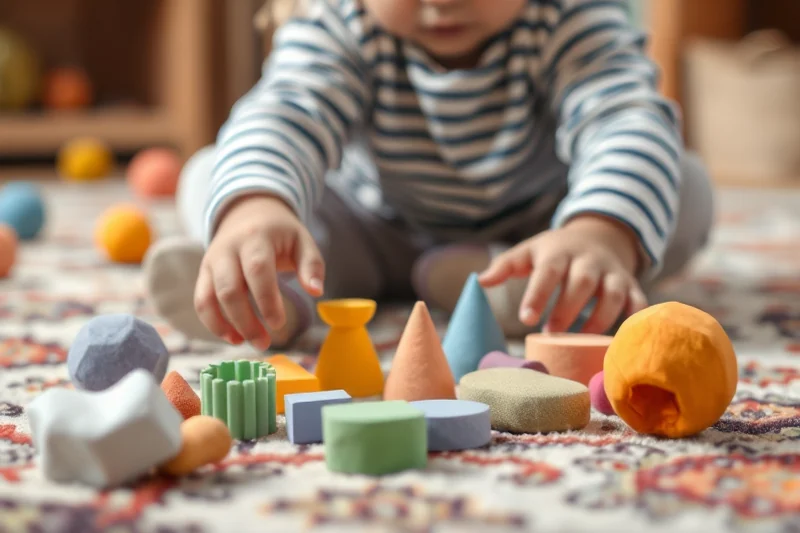
Sensory play is like a brain booster for children. It helps them process information, learn new concepts, and develop problem-solving skills. I’ve noticed that my daughter is more confident and curious after engaging in sensory activities. She’s more willing to try new things, whether it’s putting on a pair of gloves or exploring a new texture. It’s incredible to see how these small moments can shape a child’s confidence and willingness to explore.
In addition to cognitive growth, sensory play also supports emotional development. When children engage in sensory activities, they learn to manage their emotions, express their feelings, and build self-awareness. I remember one time when my daughter was upset after a rough day at school. We created a sensory bin with calming items like lavender oil and soft fabric, and it helped her calm down and feel more at ease. It was a powerful reminder of how sensory play can be used as a therapeutic tool.
Physically, sensory activities help improve fine and gross motor skills. Activities like rolling a ball, picking up small objects, or moving through a sensory obstacle course all require physical engagement. These activities are not only fun but also help children develop coordination and strength. I’ve seen my daughter improve her grip and hand strength after playing with playdough and sensory balls, which has been a huge confidence booster for her.
Sensory play is not just about fun—it’s about learning, growing, and developing essential skills that will shape a child’s future.
Related: Fine motor skills activities eyfs printable
How to Create a Sensory Bin for Your Family
Creating a sensory bin is one of the easiest and most effective ways to engage in sensory activities for families. You’ll need a large bin or container, some filling material (like rice, beans, or pasta), and a few sensory-safe toys. I’ve made several sensory bins with my daughter, using items like water beads, plastic animals, and even fabric scraps. The possibilities are endless, and the cost is often just a few dollars or even less.
One of the best sensory bins I made was filled with rice and plastic animals. I simply placed the rice in a bin, added the animals, and let my daughter dig through the rice to find them. It was a hit, and she spent over an hour playing with it. The sensory experience of feeling the rice and finding the animals helped her develop her fine motor skills and hand-eye coordination. Plus, it was a fun way to spend time together.
When creating your own sensory bin, be sure to choose materials that are safe for your child. Avoid small items that could be a choking hazard, and make sure the filling material is non-toxic. I’ve found that using materials like rice, beans, or pasta is safer and more engaging than using sand or gravel. With a little creativity, you can make a sensory bin that’s both fun and educational.
To enhance the sensory experience, add items that engage multiple senses—like adding scented rice, textured balls, or even a small bell to the bin. This makes the activity even more engaging and educational.
“I remember the first time my toddler daughter sat cross-legged on the floor, her fingers tracing the ridges of a textured sensory mat, her eyes…”— TinyRomp editors
Related: Best fine motor skills activities eyfs
Sensory Activities for Families on a Budget
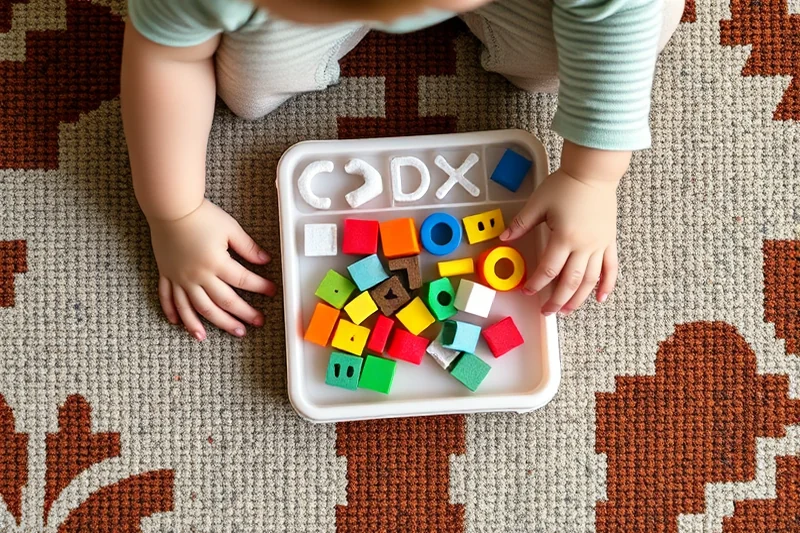
I know that many parents are on a tight budget, and it can be hard to find affordable ways to engage in sensory activities for families. But the truth is, you don’t need to spend a lot of money to create a fun and educational sensory experience. In fact, many of the best sensory activities can be made with items you already have at home.
For example, I’ve created a sensory bin using leftover rice from dinner, a few plastic animals, and a few paper towels. It was a simple but effective way to engage my daughter and spend quality time together. I’ve also used fabric scraps, old socks, and even a small bowl of water to create sensory activities. The key is to be creative and resourceful.
Another budget-friendly option is to create a sensory tray using items like playdough, feathers, and small toys. I’ve made several of these with my daughter, and they’ve been a hit. These activities not only save money but also help teach children the value of creativity and resourcefulness. Plus, they’re a great way to bond and have fun together.
Related: Quick fun quiet activities for kids
Sensory Activities for Families with Young Children
Even the youngest children can benefit from sensory activities for families. In fact, many of these activities are specifically designed for infants and toddlers, helping them explore the world around them in a safe and engaging way. For example, I’ve used soft, squishy toys and sensory bottles with my daughter, who is just starting to crawl. These items are gentle on her skin and help her develop her fine motor skills.
One of the best sensory activities for young children is playing with water. I’ve filled a shallow tray with water and added a few floating toys, which my daughter loves to push around with her hands. It’s a simple but effective way to engage her senses and help her develop her hand-eye coordination. I’ve also used a sensory bottle filled with water and small toys, which my daughter loves to shake and watch the toys move around.
When creating sensory activities for young children, it’s important to choose items that are safe and easy to clean. Soft, washable toys and non-toxic materials are essential. I’ve found that using items like silicone toys, bath bombs, and sensory bottles is a great way to create a safe and engaging sensory experience for young children.
⭐ Classic
The original recipe with rice and plastic animals, perfect for any family.
💰 Budget
A cost-effective version using items you already have at home.
⚡ Extra-Fast
A quick and easy version that can be ready in just 10 minutes.
✨ Depth
A more complex version with added textures and sensory materials for older children.
🥗 Light
A lighter, low-impact version that’s perfect for young children.
| The mistake | Why it happens | The fix |
|---|---|---|
| Using small items that could be a choking hazard | Small items can be a serious safety risk for young children. | Use larger, sensory-safe items that are appropriate for your child’s age. |
| Not cleaning up after sensory activities | Leftover materials can be a mess and may be a hazard for your child. | Always clean up after sensory activities and store materials in a safe, designated place. |
| Using non-toxic materials | Some materials may contain harmful chemicals that can be dangerous to your child. | Choose non-toxic, sensory-safe materials and avoid using items that are not meant for children. |
| Not supervising your child during sensory play | Sensory play can involve small or sharp items that may be unsafe. | Always supervise your child during sensory activities and ensure that the environment is safe. |
What You'll Need tap to check off
- 1 lb Rice
- ½ cup Plastic animals
- Fabric scraps (optional)
Method tap a step when done
- Choose a large bin or container that is easy for your child to handle.
- Fill the bin with rice or another filling material of your choice.
- Add sensory-safe toys, such as plastic animals, fabric scraps, or small balls.
- Mix the items together gently to ensure they are evenly distributed.
- Let your child explore the bin and play with the items inside.
- Clean up the bin and materials after use.
Key Facts
Related: Sensory play activities ideas
Sensory Activities For Families
Related: Small indoor toddler activities near me
Common Questions
What are the best sensory activities for families?
How can I create a sensory bin on a budget?
Are sensory activities safe for young children?
What are the benefits of sensory play for children?
References
- PDF Sensory Pathway Family Fun - bbi.syr.edu (bbi.syr.edu)
- Sensory Experience Kit Deliverable (digital.lib.washington.edu)
- 5 indoor activities for kids that are easy, expert-backed (extension.purdue.edu)
- Designing Messy Play for Infants and Toddlers | HeadStart.gov (headstart.gov)
- SNAP Sensory Program: A Resource for Families with Sensory Needs (arlingtontx.gov)
Cite this guide
TinyRomp (2026). Sensory Activities For Families. https://tinyromp.com/sensory-activities-for-families/
Feel free to cite or share this guide.