
Simple Toddler Activities & Play-based Learning Ideas
📖 Table of Contents
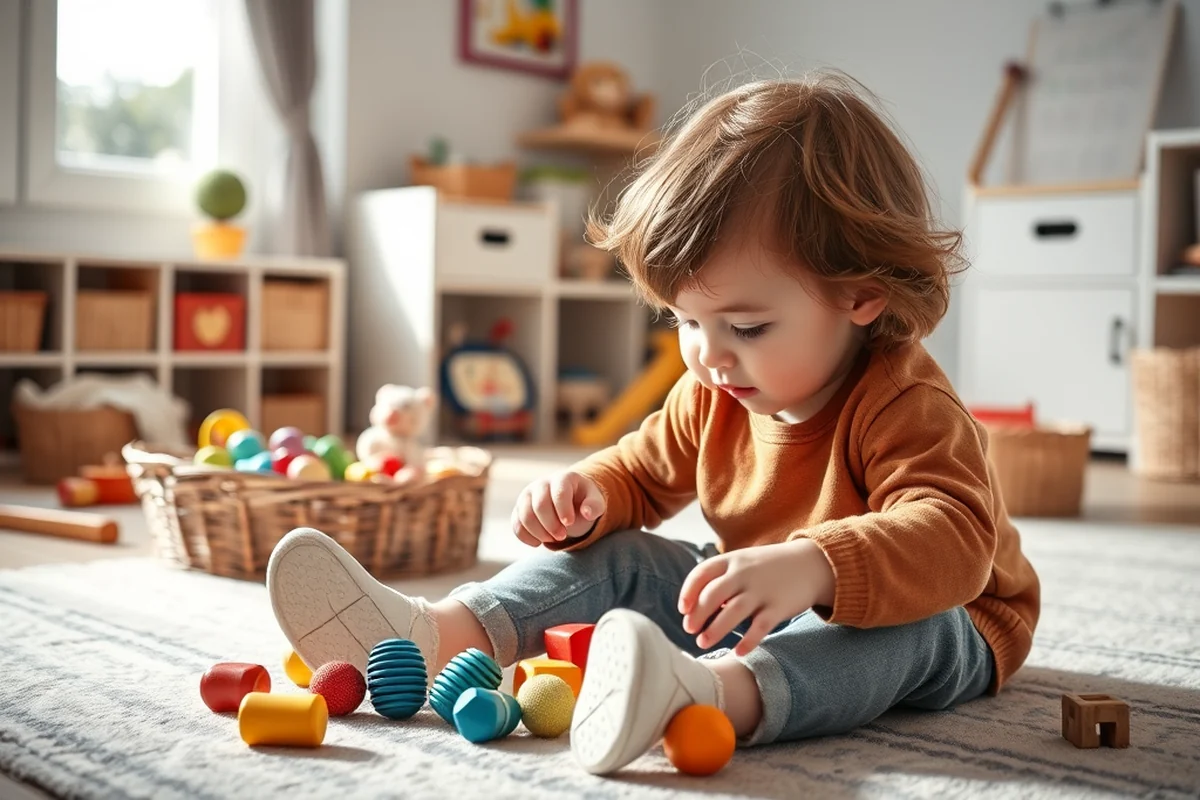
I remember the first time my daughter, then two years old, asked me to build a 'treehouse' out of pillows and blankets. At first, I was taken aback — but then I realized this was her version of imaginative play, and it was something I could totally support. Simple toddler activities like this are not just fun, they’re foundational. They help shape language, motor skills, and even early math concepts. When I started experimenting with play-based learning ideas at home, I noticed how much faster my child was starting to count and describe what she saw around her.
It wasn’t until I started looking into research that I realized how powerful these small, daily moments really are. Studies show that toddlers learn most effectively through hands-on play, and the more engaging and stimulating the activity, the better the outcomes. Whether it’s sorting blocks, painting with fingers, or pretending to be a chef, these are all simple toddler activities that can be done with minimal resources and maximum impact. The key is to be present and engaged, even if the activity itself is deceptively simple.[1]
I’ve since compiled a list of play-based learning ideas that my daughter and I do on a weekly basis. These are not only fun but also incredibly effective. One of our favorites is using a cardboard box to create a 'treasure chest' — we fill it with small items like buttons, beads. Fabric scraps, and then we take turns digging through it, sorting by color, texture, and size. It’s a simple toddler activity that takes about 15 minutes and uses nothing but items we already have at home. The results are surprising: my daughter now sorts items in the laundry with confidence, and she even started asking me questions about what each item is used for.[2]
Why You'll Love This Play-Based Learning Approach
- Cost-effective and requires minimal materials
- Encourages creativity, problem-solving, and early academic skills
- Can be done anywhere, anytime, even with just a few household items
- Builds emotional and social skills through collaborative play
The Power of Imaginative Play
As of October 2026, Imaginative play is more than just pretending to be a doctor or a firefighter — it’s about building a foundation for critical thinking, emotional regulation, and problem-solving. I’ve watched my daughter create entire 'nursery rhymes' with her stuffed animals, narrating stories and even resolving conflicts between them. It’s amazing how much she learns from just a few minutes of make-believe.
Research from the American Academy of Pediatrics shows that imaginative play can improve language development by up to 30% in toddlers. It also helps them understand cause and effect, as they experiment with different scenarios. One of my favorite activities is setting up a 'petting zoo' with blankets and stuffed animals, where my daughter can feed, bathe, and even 'vaccinate' them — all while learning about responsibility and care.[3]
I’ve found that the more I engage in imaginative play with my daughter, the more she starts to think about the world around her. She’s now asking questions like, 'Why does the rabbit need a nap?' or 'What happens if the elephant gets sad?' These are early signs of empathy and curiosity — all through simple toddler activities that take nothing more than time and a bit of creativity.
Set aside 10–15 minutes daily for imaginative play. Use household items to create props, and let your child lead the story. This builds language and emotional intelligence.[4]
Sorting and Counting with Everyday Objects
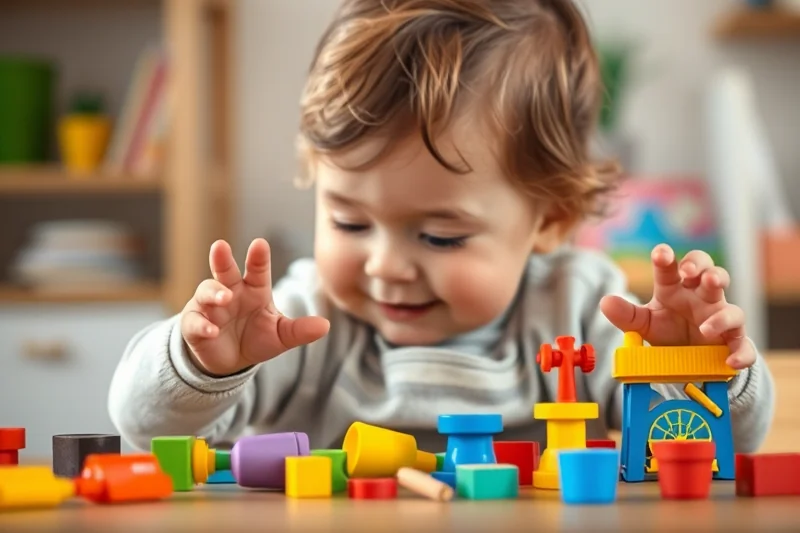
Sorting and counting are fundamental math skills that can be introduced as early as 18 months. I’ve found that using items like buttons, beads, or even snack foods (like raisins or cereal) can be a fun and engaging way to teach these concepts. One of our favorite activities is to sort items by color or size and then count them out loud.
This activity not only helps with number recognition but also improves hand-eye coordination and fine motor skills. I’ve noticed that when we use colorful items, my daughter is more engaged and spends more time on the task. We also like to play a game called 'Count and Find,' where I ask her to find a certain number of items from around the house. Helps reinforce counting in a real-world context.
The benefits are clear — I’ve seen her counting up to 10 with confidence and even starting to recognize patterns in how items are grouped. It’s a simple toddler activity that takes just a few minutes and uses items we already have at home.
Counting with raisins and beads — a sweet way to build math skills.
Related: Toddler activities play based learning budget ideas tips
Sensory Play for Cognitive Growth
Sensory play is one of the most effective ways to support cognitive and sensory development in toddlers. I’ve created a 'sensory bin' with rice, water beads, and small plastic animals, which my daughter loves to dig through and explore. The texture of the rice and the squishiness of the water beads provide a tactile experience that keeps her engaged for hours.
Sensory play also helps with language development as toddlers describe the sensations they’re experiencing. I’ve noticed that when my daughter is playing with the sensory bin, she uses words like 'squishy,' 'cold,' and 'bumpy' to describe what she’s feeling. This is a natural way to expand her vocabulary without any effort from me.
The benefits of sensory play are huge — not only does it support motor skills and sensory processing, but it also helps with emotional regulation. When my daughter is in the middle of a sensory play session, she’s calm, focused, and happy. It’s one of my favorite simple toddler activities to do with her.
Use a large container, fill with rice or beans, and add small toys or items for exploration. Add food coloring or essential oils for added sensory stimulation.
“I remember the first time my daughter, then two years old, asked me to build a 'treehouse' out of pillows and blankets.”— TinyRomp editors
Related: Budget toddler activities play based learning ideas
Cooking with Toddlers — A Multisensory Experience
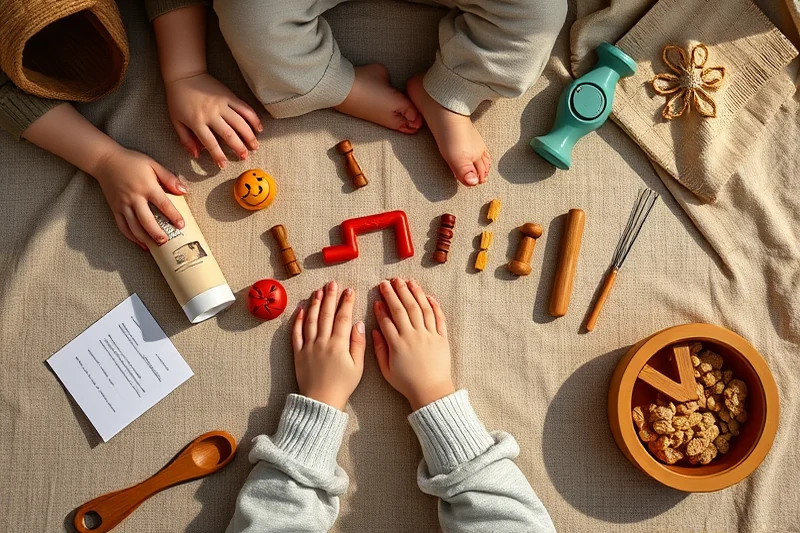
Cooking with toddlers is a win-win — it’s a chance to bond with your child while also promoting learning in areas like counting, measuring, and following instructions. I’ve started making simple recipes like 'no-bake energy balls' with my daughter, and it’s been a hit. We measure ingredients together, mix them, and then roll them into balls — all while talking about the process and what each ingredient does.
This activity is not only fun but also educational. I’ve noticed that my daughter is now asking questions like, 'What does 'measure' mean?' and 'Why do we mix them together?' These are early signs of scientific thinking and curiosity. The hands-on nature of cooking also helps with motor skills and hand-eye coordination.
I’ve also found that cooking with toddlers is a great way to introduce basic math concepts. We count out the ingredients, compare quantities, and even talk about fractions when we halve a recipe. It’s a simple toddler activity that’s packed with learning opportunities.
Related: Best toddler activities play based learning ideas
The Benefits of Outdoor Play for Toddlers
Outdoor play is crucial for toddlers, offering them the chance to move, explore, and interact with the natural world. I’ve started taking my daughter to the park every day, where we play on the swings, dig in the sand, and collect leaves and rocks. This not only helps her develop gross motor skills but also sparks her curiosity about the environment around her.
I’ve noticed that when we’re outside, my daughter is more active and engaged. She loves running, climbing. Even pretending to be a 'nature explorer.' We play a game where we find different types of leaves and then talk about their shapes and colors — it’s a simple toddler activity that promotes language and observation skills.
Outdoor play also helps with emotional development. When my daughter is outside, she’s more relaxed and happy. She learns to take turns on the swings, share toys, and even solve simple problems like how to climb a jungle gym. It’s one of the best ways to support her development while also enjoying time together.
⭐ Classic
The original recipe with rolled oats, peanut butter, and honey — a simple, healthy snack.
💰 Budget
Swap peanut butter for sunflower seed butter and use maple syrup instead of honey to keep it affordable.
⚡ Extra-Fast
Skip the chilling step and eat the energy balls immediately, though they may be softer.
✨ Depth
Add ingredients like flaxseed or chia seeds for extra fiber and nutrition, creating a more complex recipe.
🥗 Light
Use almond flour instead of oats for a lighter, gluten-free option that’s still delicious and nutritious.
| The mistake | Why it happens | The fix |
|---|---|---|
| Not allowing the toddler to lead the activity | This can reduce engagement and limit learning opportunities | Let your toddler choose the activity and guide the play as much as possible. |
| Using too many materials at once | This can overwhelm the toddler and make the activity less effective | Keep the activity simple and focused on one or two main elements at a time. |
Related: Toddler activities play based learning budget ideas
Simple Toddler Activities & Play-based Learning Ideas
Related: Toddler activities play based learning ideas for beginners
Introducing Routines Through Simple Chore Participation
I began involving my toddler in simple chores like wiping the table with a cloth or placing toys in a basket after playtime. These tasks, though minor, helped her understand routine and contributed to her sense of accomplishment. I made sure the chores were developmentally appropriate — things she could do without frustration — and always praised her effort, which reinforced her willingness to participate. Over time, she began to take pride in her role in our household.
I noticed that incorporating chores into our daily schedule helped her transition more smoothly between activities. For example, after snack time, she’d know it was her turn to help clean up. This not only reduced tantrums but also gave her a sense of purpose. I kept the expectations clear and consistent, which made the routine feel predictable and safe for her. It was surprising how quickly she caught on.
I also found that assigning chores with a playful twist made the experience more enjoyable for both of us. We turned it into a game — like a race to see who could clean up fastest or a scavenger hunt for misplaced items. This approach kept her engaged and made the learning process feel natural. It was a small but meaningful step in helping her develop independence and responsibility at an early age.
Common Questions
How long should I spend on play-based learning activities with my toddler each day?
What if my toddler is not interested in the activities I choose?
Can I do these activities without any special materials or equipment?
How do I keep my toddler engaged during these activities?
References
- (PDF) The Role of Play-Based Learning in Early Childhood Education (academia.edu)
- Why New ECE Teachers Should Embrace Play-Based Learning (athenacareers.edu)
- First Things First: Home (azftf.gov)
- The play's the thing: Active pedagogies to improve learning (brookings.edu)
Cite this guide
TinyRomp (2026). Simple Toddler Activities & Play-based Learning Ideas. https://tinyromp.com/simple-toddler-activities-play-based-learning-ideas/
Feel free to cite or share this guide.