
Toddler Activities & Play-based Learning Budget Checklist
📖 Table of Contents
When my daughter turned two, I found myself overwhelmed by the sheer number of ‘must-have’ toys and educational tools that were supposedly essential for her development. It wasn’t until I sat down with a notebook and began tracking every dollar I spent that I realized how much of what I was buying was impulse-driven rather than purposeful. That’s when I created a ‘Toddler Activities & Play-based Learning Budget Checklist’ — a living document that helped me stay grounded and focused on what truly mattered for her growth and happiness.
This checklist wasn’t just about saving money; it was about creating a thoughtful, intentional environment that nurtured curiosity, creativity, and learning through play. I stopped buying every flashy gadget and instead focused on affordable, open-ended toys that could be used in multiple ways throughout the day. The result? A more engaged, more imaginative toddler who was constantly exploring and learning — all without breaking the bank.
By the time we reached the end of the year, I had saved nearly $300 that I had originally planned to spend on unnecessary items. The checklist became a tool that kept me honest, guided my spending, and ensured that every item we added to our home served a clear purpose. If you’re looking for a practical, actionable way to build a rich, enriching play-based learning environment for your toddler without overspending, this is the guide for you.
Why You'll Love This Budget Checklist
- It saves you money by cutting out impulse purchases.
- It ensures every toy and activity is purposeful and developmentally appropriate.
- It helps you create a dynamic, engaging learning environment with limited resources.
- It’s adaptable to your family’s lifestyle, needs, and financial situation.
How to Start Your Checklist
As of October 2026, I sat with my toddler and her toys, sorting everything into categories like building blocks, pretend play, art, and sensory activities. I asked myself: What does she enjoy? What skills is she working on? What is missing that could support her growth? This process was eye-opening — it forced me to be intentional and to think beyond the flashy toy aisles.
I created a simple spreadsheet with columns for item, cost, purpose, and where it’s stored. Even if I had to use my phone as a notepad, tracking every purchase helped me see patterns — like how I often bought duplicates of things we already had or items that weren’t being used regularly.
Starting with a clear plan saved me time and money. It also helped me prioritize quality over quantity, which made the play environment more meaningful for my daughter and more manageable for me.
Take an inventory of your existing toys and activities. This helps you avoid buying duplicates and focus on what you really need.
The Importance of Open-Ended Toys
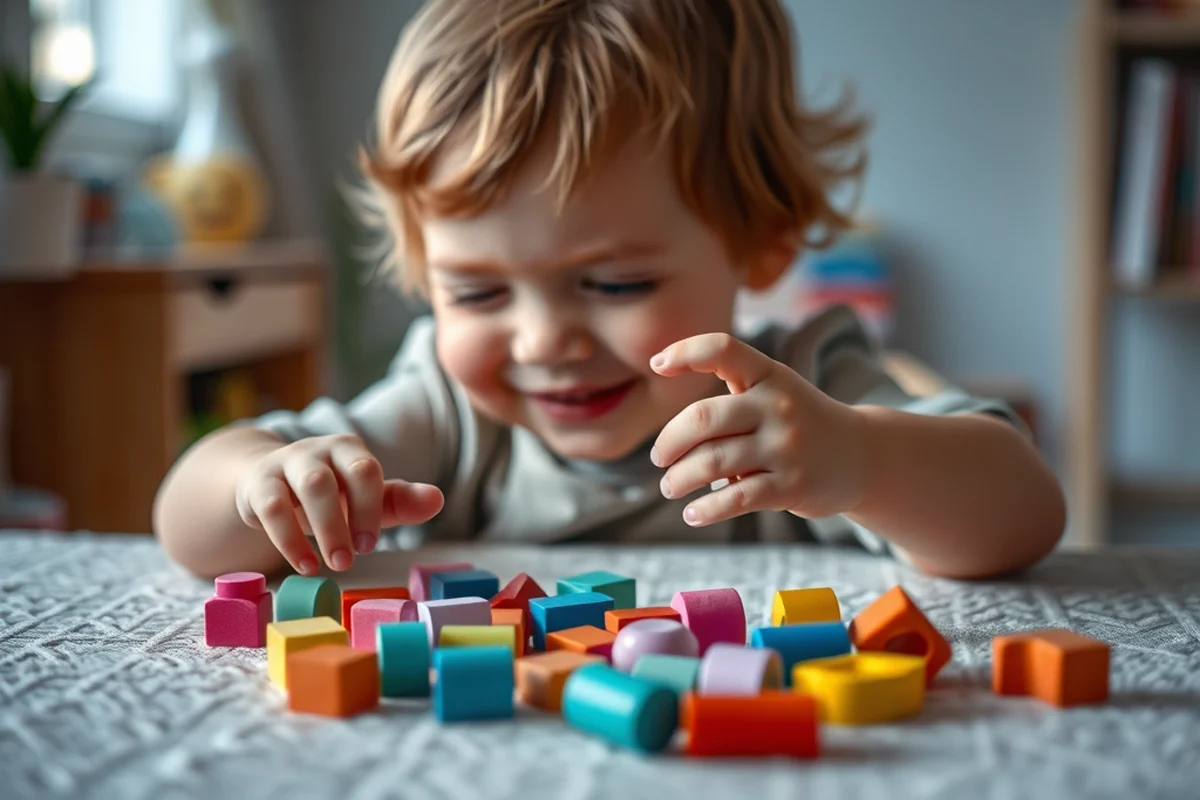
I invested in a few high-quality open-ended toys like wooden blocks, play dough, and simple art supplies, and watched my daughter transform them into everything from castles to abstract sculptures. These toys foster creativity, problem-solving, and fine motor skills without the need for batteries or instructions.
One of my favorite discoveries was a set of large, wooden blocks that could be used for building, sorting, counting, and even storytelling. I saw her count to ten, balance structures, and narrate stories using her imagination — all from a single set of blocks.
Open-ended toys are worth the investment because they can be used in multiple ways and for many years. They also encourage independent play, which is crucial for developing confidence and autonomy.
Open-ended toys are the Swiss Army knives of toddler development.
Related: Budget toddler activities play based learning budget
Setting a Spending Limit
I set a monthly limit of $50 for new toys and activities, which forced me to be selective and deliberate. This helped me avoid the trap of buying the latest toy just because it was on sale or in a commercial.
I also made a rule that I would only buy something if it was used at least three times a week. This ensured that every item we bought was actually useful and played with regularly. It also helped me identify which toys were being neglected or overused.
Setting a spending limit and using a clear set of criteria made the process of buying toys much more satisfying. It also helped me stay within budget and avoid the stress of overspending.
Set a monthly spending limit for toddler toys and activities, and only buy items that align with your child’s interests and developmental needs.
“When my daughter turned two, I found myself overwhelmed by the sheer number of ‘must-have’ toys and educational tools that were supposedly essential for he”— TinyRomp editors
Related: Toddler activities play based learning budget tips
Creating a Play-Based Learning Routine
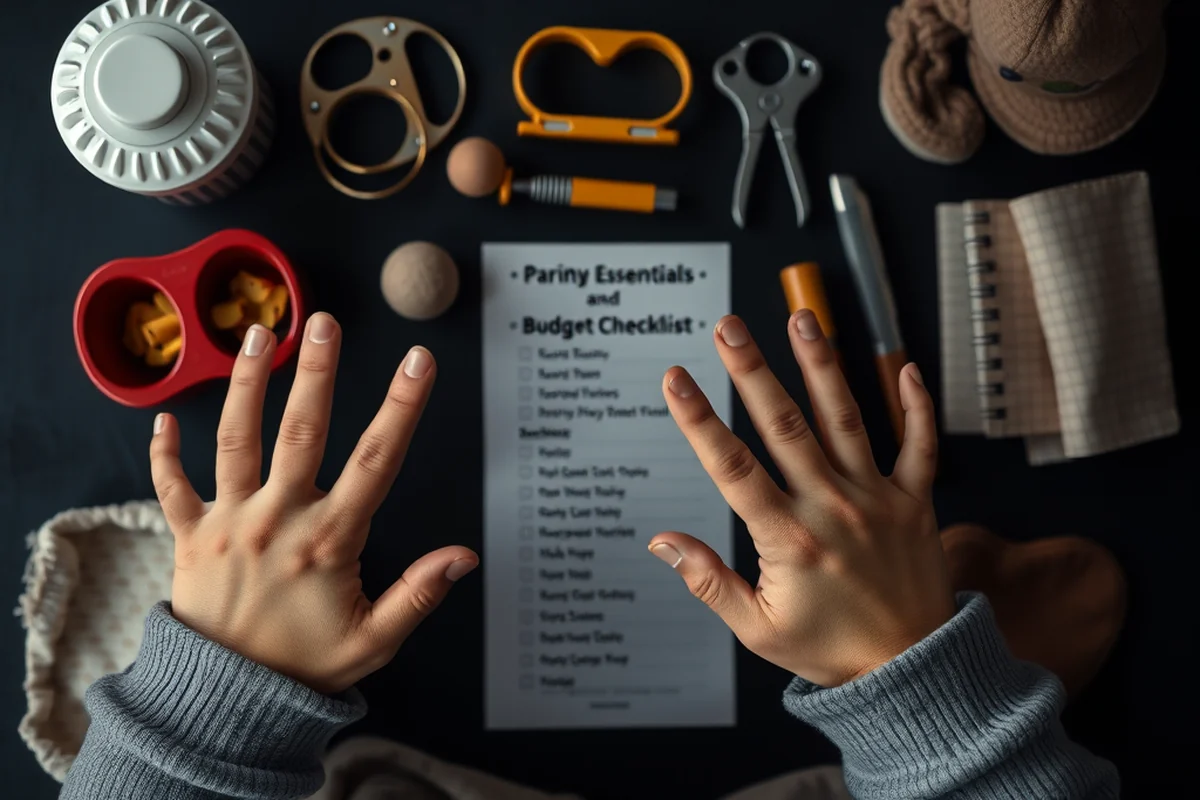
I began with a simple routine that included 30 minutes of free play, followed by 15 minutes of a guided activity like reading, drawing, or a sensory exploration. This helped my daughter stay engaged and focused without feeling overwhelmed.[1]
I varied the activities each day to keep things interesting, and I made sure to rotate toys every few weeks to maintain her interest. This approach also helped me track which activities were most beneficial and which needed more time or refinement.
Having a routine made the learning process feel more structured and purposeful. It also helped me see tangible progress in my daughter’s skills and development over time.
Use a mix of free play and guided activities, and rotate toys every few weeks to keep your toddler engaged and excited about learning.
Related: Toddler activities play based learning budget ideas for small spaces
The Power of DIY and Secondhand Toys
I began sourcing secondhand toys from local Facebook groups and thrift stores, which not only saved money but also reduced waste. I found beautiful wooden puzzles, art supplies, and even a vintage dollhouse — all in excellent condition.
I also started making simple DIY toys like felt board kits, sensory bins, and homemade books. These projects were not only cost-effective but also a great way to bond with my toddler while encouraging creativity and learning.
DIY and secondhand toys are a great way to build a rich play environment without overspending. They also offer a unique, personalized touch that commercial toys often lack.
Explore secondhand markets and try making simple DIY toys at home. These options are budget-friendly and environmentally conscious.
🍃 Gentle Approach
Focus on gradual, thoughtful additions to your toddler’s play environment with a focus on quality over quantity.
🚀 Fast-Track Method
A quick and efficient way to build a functional, stimulating play environment with minimal time and effort.
🧳 Travel/On-the-Go Style
Light, portable activities and toys that are perfect for families who are often on the move or traveling.
👶 Multiples Method
Tailored for families with multiple toddlers, focusing on shared activities and cost-effective solutions for all children.
🔄 Regression Reset
A reset approach that allows you to reevaluate and rebuild your toddler’s play environment with fresh focus and intention.
| The mistake | Why it happens | The fix |
|---|---|---|
| Buying too many small, low-quality toys that don’t last. | These toys often break quickly and become a constant source of frustration and expense. | Focus on buying a few high-quality, open-ended toys that can be used in multiple ways and last longer. |
| Neglecting to rotate toys and activities. | This can lead to boredom, disinterest, and underutilization of your play environment. | Rotate toys every few weeks and introduce new activities to keep your toddler engaged and excited. |
| Ignoring your toddler’s interests and preferences. | Forcing play with items your toddler doesn’t like leads to resistance, disengagement, and wasted resources. | Observe what your toddler enjoys and tailor your play environment to their interests and developmental needs. |
| Not having a clear budget or spending limit. | This can lead to overspending and a cluttered, unmanageable play environment. | Set a spending limit for new toys and activities and use a checklist to track your purchases and progress. |
Related: Toddler activities play based learning budget ideas mistakes to avoid
Toddler Activities & Play-based Learning Budget Checklist
Related: Quick toddler activities play based learning budget
Tracking and Adjusting Your Budget as Your Toddler Grows
As your toddler develops, their interests change, and so should your budget. Here's how to keep your checklist relevant and practical.
When I first created my toddler's play-based learning budget, I underestimated how quickly their interests would evolve from stacking blocks to pretending to cook. Every three months, I revisit my checklist to see where I might need to reallocate funds or cut back on toys that no longer hold their attention. This has helped me avoid unnecessary purchases and focus on what truly engages my child.
I also track how much time and money I spend on each type of activity, like art, sensory play, and imaginative play. For example, I noticed that my toddler spends twice as much time on sensory bins as on structured puzzles, so I adjusted my budget to prioritize materials like rice, water beads, and fabric scraps. This shift not only made our playtime more enjoyable but also more cost-effective in the long run.
Another practical tip I've found is to set aside a small portion of the budget for spontaneous purchases or surprises. My toddler recently became fascinated with magnetic tiles, and I had a small fund ready for such moments. This flexibility has made the budget feel less rigid and more responsive to my child's curiosity and development.
Maximizing Value with Subscription Boxes and Themed Play Kits
Subscription boxes and themed play kits can be a smart way to introduce variety and structure into your toddler’s playtime without breaking the bank.
I’ve found that subscription boxes like The Art of Manliness Kids Club or Melissa & Doug’s themed kits offer curated, developmentally appropriate toys that align with specific learning goals, such as fine motor skills or early math concepts. These boxes often include activity guides and materials that reduce the need for additional purchases. I’ve used a science-themed kit for $25 a month, and it provided enough materials for several weeks of play and learning.
Themed play kits are especially useful for parents who want to rotate toys without clutter. They come with everything needed for a specific activity, which simplifies cleanup and keeps playtime focused. I once used a gross motor development kit that included a balance beam, obstacle course pieces, and a timer — all for under $40. It kept my toddler engaged for days and saved me from buying separate items.
Another advantage of these kits is that they often include educational resources or digital content, which can extend the learning experience beyond physical play. I’ve noticed that my toddler retained more knowledge from a literacy kit that included a storybook app and printable flashcards. These tools help reinforce learning and keep the budget in check without sacrificing quality or engagement.
Common Questions
How do I know if a toy is developmentally appropriate for my toddler?
What if I don’t have time to track my purchases or inventory?
Can I use the checklist for older children, too?
Is this checklist only for educational toys or can I include other items?
References
- Developing an Observational Tool to Support Play-Based Teaching • (files.eric.ed.gov)
Cite this guide
TinyRomp (2026). Toddler Activities & Play-based Learning Budget Checklist. https://tinyromp.com/toddler-activities-play-based-learning-budget-checklist/
Feel free to cite or share this guide.