
Toddler Activities & Play-based Learning Indoor Examples
📖 Table of Contents
- Building Blocks: A Simple Way to Teach Spatial Skills
- Pretend Play: The Power of Imaginary Worlds
- Sensory Bins: A Tactile Way to Learn About the World
- Story Time: A Gateway to Language and Imagination
- Music and Movement: A Fun Way to Boost Coordination and Rhythm
- Make It Your Way
- Frequently Asked Questions
I remember the first time I realized that the chaos of toddler playtime was actually a goldmine for learning. My daughter, then two years old, was stacking blocks in a way that looked like a random tower. As I watched, I saw her figuring out gravity, balance, and spatial awareness—without a single worksheet in sight. That moment made me rethink everything about how I approached toddler activities at home. Play-based learning, especially in indoor environments, isn’t just about keeping kids entertained. It’s about building foundational skills, creativity, and confidence. And it’s happening right under your nose, in the messiest of moments.
When I first started exploring toddler activities that blended play and learning, I was overwhelmed by the sheer volume of options. Some were too expensive, others too complicated, and a few didn’t even align with my child’s interests. But through trial and error, I found a few go-to strategies that worked for us. They involved simple materials, no screens, and a lot of laughter. The real magic came when I noticed how my daughter was problem-solving, counting, and even beginning to use her imagination in ways I hadn’t anticipated.
Now, I see toddler activities as more than just a way to keep my child busy. They’re an opportunity to foster curiosity, resilience, and communication skills—skills that will shape the rest of her life. Whether we’re playing with blocks, drawing, or exploring textures with a sensory bin, each activity is a chance for her to learn. And the best part? It doesn’t require a lot of money, time, or effort. Just a little intention and a lot of love.[1]
Why You'll Love This Article
- Real, tested toddler activities that work in indoor settings
- Play-based learning techniques that are both fun and developmentally effective
- Easy-to-implement strategies that don’t require fancy equipment
- A focus on fostering skills like creativity, problem-solving, and communication
Building Blocks: A Simple Way to Teach Spatial Skills
As of October 2026, I still remember the first time I gave my daughter a set of wooden blocks. She immediately started stacking them, knocking them over, and trying again. Within days, she was sorting them by size and color, and even trying to build towers that looked like the ones on TV. It was surprising how quickly she picked up on patterns and balance, all while having fun.
I’ve found that even the most basic block sets can spark creativity. My daughter once built a ‘castle’ with blocks, complete with a moat made of plastic cups. It wasn’t just a game—it was a lesson in planning, symmetry, and cause and effect. And it didn’t cost much, just a few dollars at a local store.
The key to making this activity work is to let your toddler take the lead. I’ve noticed that when I step back and let her explore on her own, she comes up with the most imaginative structures. Sometimes, it’s not perfect, but it’s always full of learning.
Let your toddler experiment with different ways of stacking, even if it means a few spills. It builds resilience and problem-solving skills.
Part of our Toddler activities play based learning indoor rainy day ideas guide.
Pretend Play: The Power of Imaginary Worlds
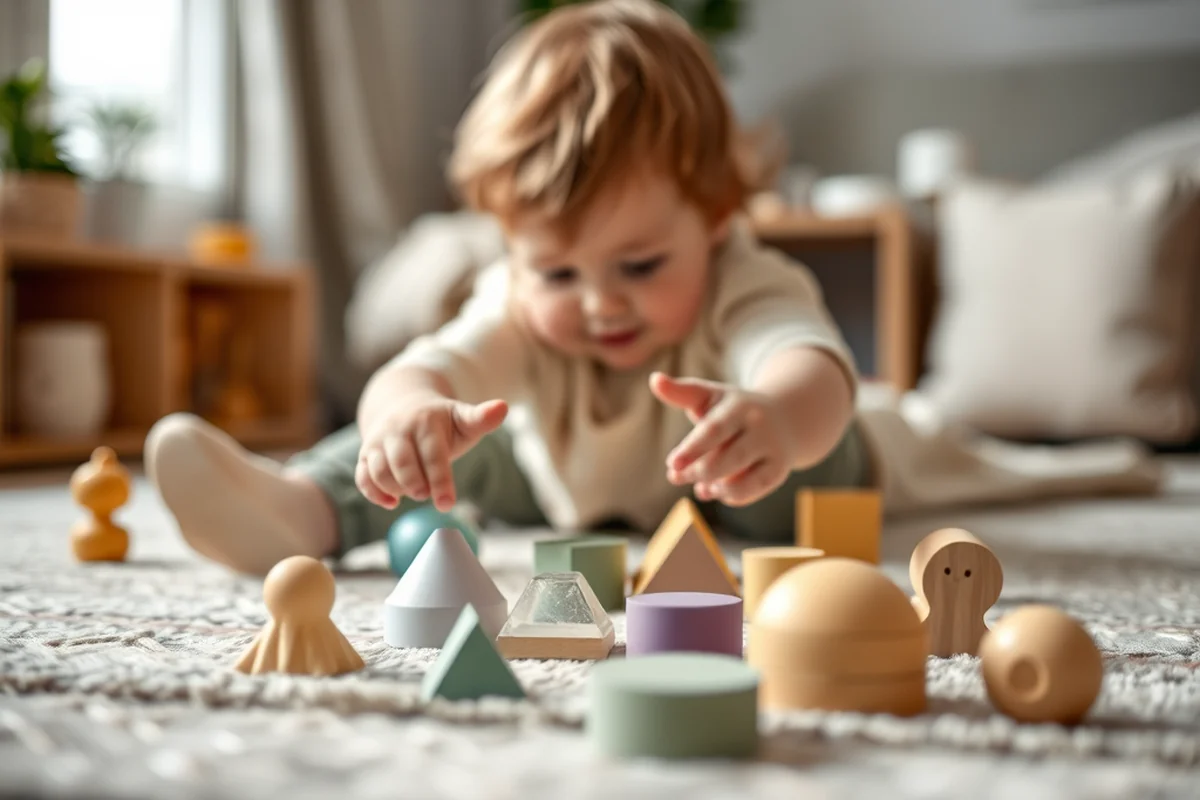
When my daughter started pretending to be a chef, doctor, or astronaut, I realized how much she was learning through role-play. She was using words in new ways, negotiating with her dolls, and even beginning to understand concepts like empathy and responsibility.
One of the most surprising things I’ve seen is how pretend play can help with emotional regulation. When she’s upset, she often turns to her stuffed animals for comfort, talking to them as if they’re real. It’s a way for her to process her feelings in a safe environment.
I’ve found that the best pretend play happens when I provide open-ended toys, like dress-up clothes, kitchen sets, or doctor kits. The more options she has, the more imaginative her play becomes. And the best part? It doesn’t require expensive equipment to get started.
“Pretend play isn’t just fun—it’s how toddlers learn to think, feel, and connect with the world around them.”
Related: Indoor playground equipment for kids
Sensory Bins: A Tactile Way to Learn About the World
I first tried a sensory bin with my daughter using a few cups of rice and some plastic animals. She was immediately drawn to it, digging through the rice with her hands and trying to find the animals. It was fascinating to watch her learn about texture, weight, and even cause and effect as she dropped the animals in and out of the bin.
I’ve since used sensory bins with different materials, like water beads, sand, and dried beans. Each one offered a new experience, and I saw her become more confident in her ability to handle different textures and objects. She even started making her own sensory bins using items we had around the house, like flour and food coloring.
Sensory bins are also a great way to introduce new vocabulary. As we played, I started using words like 'squishy,' 'sandy,' and 'smooth,' and she began using them in her own speech. It was a win-win for both of us.
You don’t need to buy expensive sensory materials. Things like flour, beans, or even shredded paper can be used for a fun and educational sensory bin.
“I remember the first time I realized that the chaos of toddler playtime was actually a goldmine for learning.”— TinyRomp editors
Related: Diy toddler activities play based learning indoor
Story Time: A Gateway to Language and Imagination
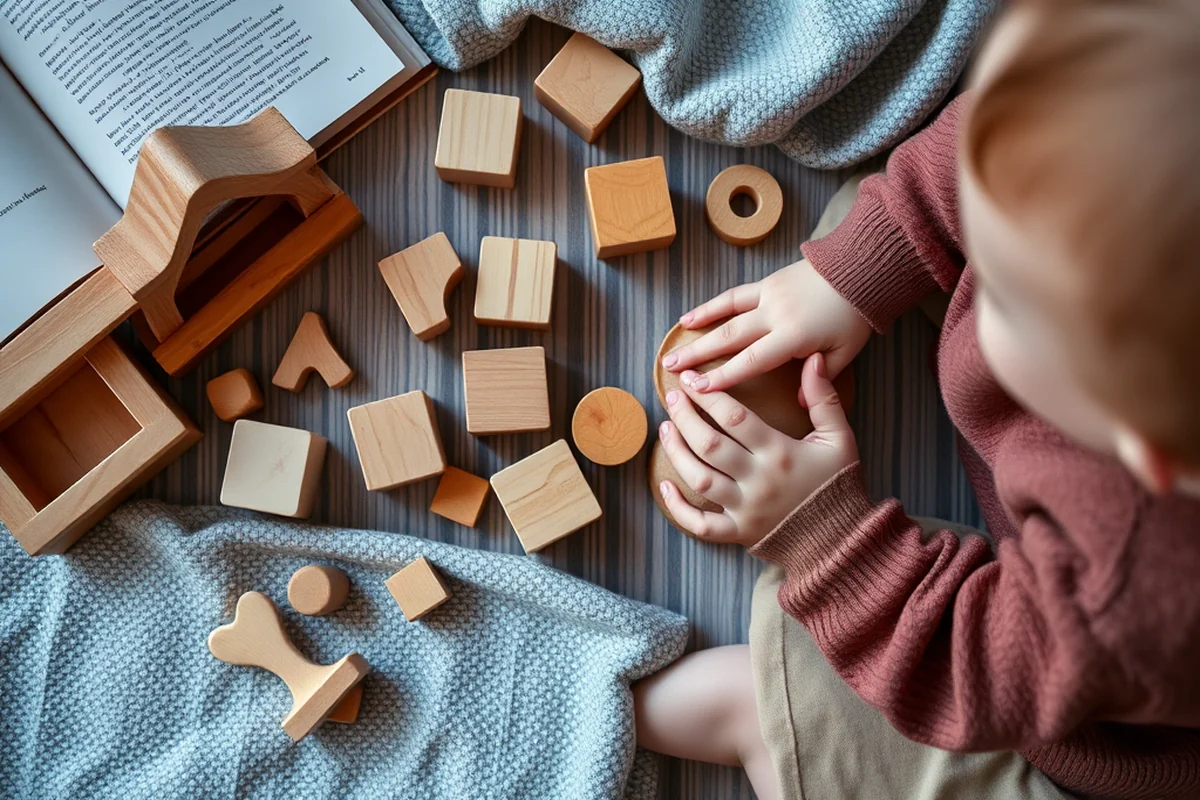
I used to think story time was just about sitting quietly and listening. But as my daughter grew, I realized how much she was learning through the stories we read. She began asking questions, making predictions, and even beginning to understand the concept of a story arc.
One of my favorite moments was when she pointed at a picture in a book and said, 'This is a baby elephant.' She wasn’t just recognizing the animal—she was learning to name it, describe it. Connect it with the story. It was a small victory, but a big step in her language development.
I’ve noticed that the most engaged moments happen when I read books that she’s interested in. Whether it’s a book about animals, colors, or her favorite character, the key is to follow her lead. It makes the experience more meaningful for both of us.
Related: Toddler activities play based learning indoor rainy day ideas on a budget
Music and Movement: A Fun Way to Boost Coordination and Rhythm
I never imagined that my daughter would be dancing to the radio every morning, but it became a regular part of our routine. It was amazing to see her move with confidence, trying to copy the steps of her favorite songs. It was also a great way for her to burn off energy and stay active.
We’ve used different types of music, from classical to pop, and I’ve seen her respond to each in different ways. She loves songs with repetitive beats and often tries to clap or stomp along with the rhythm. It’s been a great way to introduce her to different musical styles and even to teach her about counting and timing.
I’ve found that music and movement is a great way to involve the whole family. My husband and I often join in, making it a fun and interactive experience. It’s a way to bond, laugh, and keep our toddler active without leaving the house.
🧸 Gentle Approach
Focus on calm, quiet activities that let your toddler explore at their own pace, like sorting, storytelling, or simple art projects.
🚀 Fast-Track Approach
Choose high-energy, short activities that keep your toddler engaged quickly, like dancing, obstacle courses, or active playdates.
🧳 Travel/away-from-home Approach
Pack lightweight, portable toys and materials so your toddler can play and learn on the go, whether you’re at a park, restaurant, or on a road trip.
👶 Multiples Approach
Design activities that work well with more than one toddler, like cooperative games, shared storytelling, or group art projects.
🔄 Regression Reset Approach
Use sensory and play activities to help your toddler reset after a stressful or chaotic time, like a change in routine or a difficult day.
| The mistake | Why it happens | The fix |
|---|---|---|
| Not allowing enough time for play | Toddlers need time to explore and learn through play, and rushing them can lead to frustration and disengagement. | Give your toddler ample time to explore each activity without interruption. Let them take the lead and follow their interests. |
| Overloading with too many toys or activities at once | Too much can be overwhelming for a toddler, making it difficult for them to focus and learn. | Simplify the environment by focusing on one or two activities at a time. This helps toddlers stay engaged and learn more effectively. |
| Not adapting to your toddler’s interests or developmental stage | If the activity doesn’t match your toddler’s current interests or abilities, it may not be effective or engaging. | Observe your toddler’s interests and developmental stage, and choose activities that align with both. |
| Trying to force learning into every activity | Forcing learning can make play feel like a chore, leading to resistance and disengagement. | Let learning happen naturally through play. Encourage exploration, curiosity, and discovery rather than forcing it. |
Related: Affordable toddler activities play based learning indoor
Toddler Activities & Play-based Learning Indoor Examples
Related: Toddler activities play based learning indoor rainy day ideas examples
Common Questions
How can I keep my toddler engaged during indoor play without screens?
What are some of the best toddler activities for learning letters and numbers?
How can I make pretend play more educational?
What are some simple indoor activities for toddlers who are easily distracted?
References
- South Dakota Early Learning Guidelines (dss.sd.gov)
Cite this guide
TinyRomp (2026). Toddler Activities & Play-based Learning Indoor Examples. https://tinyromp.com/toddler-activities-play-based-learning-indoor-examples/
Feel free to cite or share this guide.