
Toddler Activities & Play-based Learning Rainy Tips
📖 Table of Contents
Rainy days with toddlers can feel like a never-ending cycle of frustration and chaos. I remember the first time my daughter got stuck in a puddle on the sidewalk after a sudden downpour—her tiny feet soaked, her face a mix of fear and confusion. It was a harsh reminder that the unpredictable weather could easily derail even the best-laid plans. But as the days turned to weeks, I began to realize that the rain didn't have to be a barrier to fun—it could be a catalyst for creative, play-based learning.
Through trial and error, I discovered that the rain could be the perfect backdrop for sensory exploration, imaginative play, and cognitive development. My daughter’s interest in the rain grew as I introduced activities that used the weather as a springboard for learning. Whether we were making temporary puddles to jump in, collecting leaves, or playing with water and containers, each moment was an opportunity to engage her curiosity and teach her new skills.[1]
What started as a desperate attempt to keep my toddler entertained turned into a treasure trove of play-based learning ideas that she still talks about today. These rainy-day activities not only kept her busy but also helped her develop problem-solving, fine motor skills, and a love for discovery. For other parents facing the same challenge, I hope these tips bring some clarity and joy to the messy, unpredictable world of toddler play on rainy days.
Why You'll Love This Play-based Learning Approach
- It turns rainy days into opportunities for creativity and discovery.
- It helps toddlers develop key skills without the need for expensive equipment.
- It fosters a sense of wonder and curiosity about the natural world.
- It keeps toddlers engaged and entertained for hours with minimal effort.
Turning Rain into a Sensory Exploration
As of October 2026, I filled a large plastic bin with water and added a few sponges, pebbles, and a small garden hose. My daughter loved pouring water from one container to another, and it was a great way for her to understand volume and cause-and-effect relationships.
The sound of water, the feel of wet surfaces, and the sight of droplets all contribute to her sensory development. I noticed that she started asking more questions about what she was doing—like why the water poured faster when she tilted the container.
This kind of play doesn't require a lot of setup, and it's a great way to keep toddlers engaged for hours. I found that my daughter would spend up to an hour or more in this water play, which was a huge relief on a rainy afternoon.
Use a large bin or plastic container, fill it with water, and add sponges, small toys, and a sponge. Let your toddler explore, pour, and splash. It’s mess-free if you cover the area with a tarp or use an outdoor table.
Part of our Toddler activities play based learning indoor rainy day ideas guide.
Indoor Rainy Day Play with a Twist
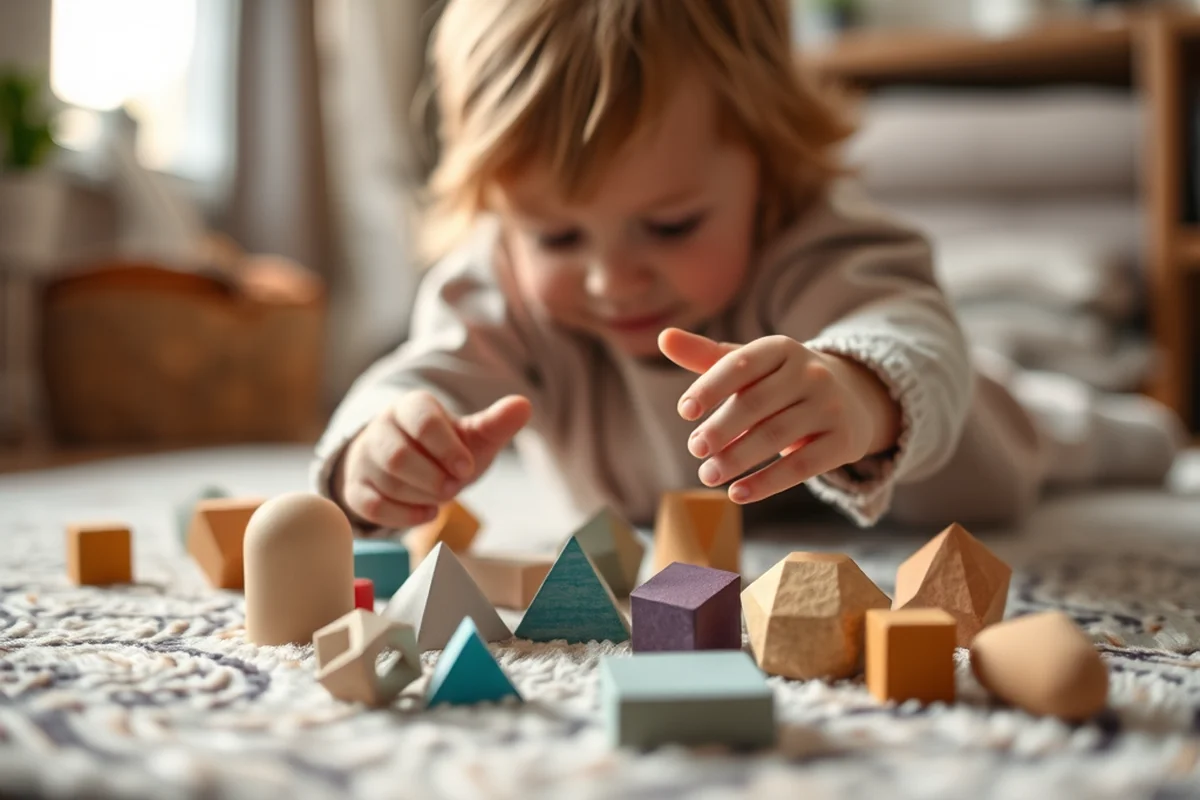
I transformed our living room into a mini museum by hanging paper towels from the ceiling and letting my daughter ‘collect’ raindrops by tossing cotton balls onto them. She loved the idea of being a scientist collecting ‘rain’ and then watching the cotton balls fall.
I also used a plastic tablecloth and filled it with water, then let her use paper towels and sponges to ‘clean up’ the ‘rain’—it was a way for her to practice fine motor skills while pretending to be a helper.
This kind of play keeps toddlers occupied and teaches them about responsibility, teamwork, and creativity—all without the need for expensive toys or materials.
Rain is the perfect excuse to get creative and turn ordinary objects into tools for learning.
Related: Budget toddler activities play based learning indoor
Using Rain to Teach Cause and Effect
One of my favorite activities was placing a small toy car on a slope and letting the rainwater help it roll down. My daughter was fascinated by the idea that the rain caused the car to move, and she would repeat the experiment over and over.
I also used a funnel and a bucket to show her how the water would flow from the funnel into the bucket. She loved the ‘whoosh’ sound and the way the water poured down, and it helped her understand gravity in a fun way.
This kind of play helps toddlers develop logical thinking and problem-solving skills. I noticed that my daughter began to use words like ‘because’ and ‘so’ more often, which was a great sign of her cognitive growth.
Use a funnel, bucket, and small toy car. Let your toddler experiment with how the rain affects the car’s movement and how water flows from the funnel into the bucket. It’s a simple, hands-on way to teach cause and effect.
“Rainy days with toddlers can feel like a never-ending cycle of frustration and chaos.”— TinyRomp editors
Related: Toddler activities play based learning indoor ideas
Rainy Day Dramatic Play with a Twist
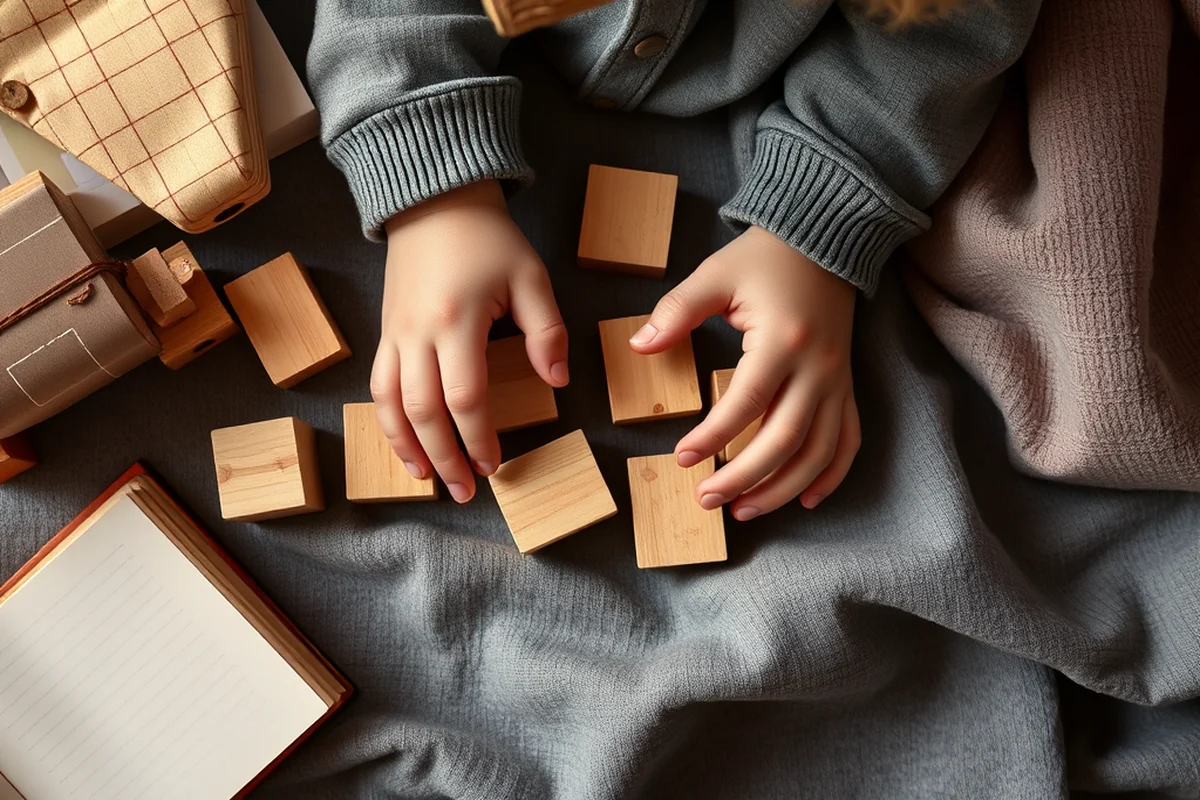
I created a ‘storm rescue’ game where my daughter pretended to be a superhero saving animals from a ‘stormy’ situation. We used plastic animals, a toy umbrella, and a cardboard box as a ‘rescue boat.’ She loved pretending to be saving the animals and was so proud of herself.
Another day, we turned the living room into a ‘rainforest’ and used leaves, plastic plants, and fake raindrops to create the environment. My daughter was fascinated by the idea of being in a jungle and even asked me to read her a story about animals in the rainforest.
These kinds of play sessions help toddlers develop language skills, empathy, and social skills. I noticed that my daughter began to use more complex sentences and show more interest in storytelling.
Related: Toddler activities play based learning indoor mistakes to avoid
Rainy Day Art with a Natural Twist
I used the rainwater to create a ‘rain painting’ with my daughter. We collected leaves from the yard and used them to make prints on paper with water and food coloring. She loved the way the colors spread and mixed together.
We also used paper towels to make ‘raindrop prints’ by pressing them onto paper and letting the water absorb the ink. It was a fun and messy way to explore texture and color.
These art activities helped my daughter develop creativity and fine motor skills. She started asking for more art days, and I could see her confidence growing as she learned to express herself through her artwork.
🌧️ Gentle Rainy Day Play
Use soft materials and quiet activities to keep toddlers calm and focused. Ideal for sensitive or overstimulated children.
⚡ Fast-track Rainy Day Fun
Grab a few items and get moving. Great for parents who need a quick distraction or a short activity.
🧳 Travel/away-from-home Rainy Day Play
Use a portable bin and a few items to create a mini play station on the go. Perfect for trips or visiting family.
👯♀️ Multiple Toddler Play
Design collaborative activities that keep multiple toddlers engaged at the same time. Great for siblings or playdates.
🔄 Regression Reset Play
Use play to help toddlers who are going through a developmental regression or emotional setback. Focused on comfort and creativity.
| The mistake | Why it happens | The fix |
|---|---|---|
| Forcing the toddler to participate in an activity they’re not interested in. | Forcing participation can lead to resistance and even tantrums. Toddlers need to feel in control of their play. | Let the toddler choose the activity. Offer options and let them take the lead. |
| Not supervising the toddler closely during water play. | Accidents can happen quickly, especially with small children and water. Lack of supervision can be dangerous. | Always stay close and monitor the toddler’s movements. Keep the play area safe and free from hazards. |
| Using too many materials at once and overwhelming the toddler. | Too many items can be overwhelming and distracting, making it hard for the toddler to focus on the activity. | Start with a few simple items and gradually introduce more as the toddler becomes more engaged. |
| Not cleaning up after the activity. | Mess can be a source of stress for parents and can lead to frustration, especially if the toddler is left with a sense of disorder. | Clean up immediately after the activity. It helps the toddler learn responsibility and keeps the space tidy. |
Related: Toddler activities play based learning rainy checklist
Toddler Activities & Play-based Learning Rainy Tips
Related: Toddler activities play based learning indoor checklist
Rainy Day STEM Fun with Simple Materials
I’ve found that rainy days are perfect for simple STEM activities that don’t require a lab or expensive materials. One of my favorites is creating a mini water wheel using cardboard tubes, bottle caps, and a small plastic container. My toddler loves watching the water flow and spinning the wheel, which subtly introduces concepts like motion and energy. This activity takes about 15 minutes to set up and keeps her engaged for over an hour. I often use leftover materials from craft projects, which makes it both cost-effective and eco-friendly.
Another idea is making a homemade rain gauge with a clear plastic bottle and measuring tape. My toddler enjoys pouring water into the bottle and reading the markings, which helps her practice counting and understanding measurement. We’ve even used it to compare rainfall amounts on different days, turning a simple activity into a learning experience about weather patterns. It's surprising how much she's picked up about volume and comparison through this hands-on approach.
I also use the rain as a chance to explore basic physics by creating a simple inclined plane with a ramp made from a wooden board and books. My toddler pushes small toy cars down the ramp and observes how they move, which helps her grasp concepts like gravity and motion. I’ve noticed that she’s started using words like ‘fast’ and ‘slow’ more often during these play sessions. These activities not only keep her entertained during the rain but also support her cognitive development in a meaningful way.
Common Questions
What if I don’t have any special materials for rainy day play?
How long should these activities last?
Are these activities safe for young toddlers?
What if my toddler refuses to participate?
References
- South Carolina Early Learning Standards (ed.sc.gov)
Cite this guide
TinyRomp (2026). Toddler Activities & Play-based Learning Rainy Tips. https://tinyromp.com/toddler-activities-play-based-learning-rainy-tips/
Feel free to cite or share this guide.