
Toddler Activities Play Based Learning Indoor Rainy Day Ideas Step By Step
📖 Table of Contents
Rainy days can be the most frustrating part of parenting, especially when your toddler is full of energy and you’re stuck indoors with nowhere to go. I still remember the day my daughter, who was just turning two, looked at me with wide eyes and asked, 'What are we going to do today?' That was the day I realized that rainy weather didn't have to be a barrier to learning or fun — it just required a different kind of creativity. By the end of that day, we had spent hours building with blocks, counting toys, and even pretending to be scientists, all while keeping her engaged and learning.[1]
I learned that play-based learning is not only effective but also essential for young children, especially on days when they’re stuck inside. It’s about finding ways to keep their minds active, their bodies moving, and their curiosity alive. This isn't just about keeping them busy — it's about transforming a potentially frustrating day into an opportunity for growth and discovery. Whether it's a stormy day or a sudden downpour, you can make it a day that your toddler will remember for the right reasons.[2]
The key to making rainy days meaningful is preparation — and I’ve tested a lot of ideas over the years. From setting up a sensory bin to creating an indoor obstacle course, I’ve found that the most successful activities are those that are flexible, hands-on, and allow for a lot of exploration. You don’t need fancy equipment or a lot of space to make these ideas work. All you need is a bit of imagination, a few simple materials, and the step-by-step approach that I’ve outlined here.[3]
Why You'll Love This Indoor Rainy Day Learning Approach
- You'll transform boredom into learning with creative, hands-on activities.
- Your toddler will stay physically and mentally active, even on the most overcast days.
- You'll find simple, low-cost materials that make a big impact on development.
- You'll build a foundation for lifelong learning through play-based exploration.
Creating a Sensory Bin for Exploration
As of October 2026, Filling a large container with materials like rice, beans, or shredded paper and adding hidden items like plastic animals or small toys makes for a hands-on learning experience. Toddlers will naturally sort, count, and search for objects, which supports early math and problem-solving skills.
I filled a bin with dried pasta and hidden buttons — my daughter loved digging through it, counting how many pasta pieces she found, and sorting them by color. It was a quiet, self-directed activity that kept her busy for over an hour.
Sensory bins are not only fun but also provide a great opportunity for sensory development. They can be reused multiple times, making them a cost-effective and sustainable choice for rainy days.
Use items you already have at home, like fabric scraps, dried beans, or even pasta, to make a sensory bin. No need to buy anything new — just be creative with what you have.
Part of our Toddler activities play based learning indoor rainy day ideas guide.
Indoor Obstacle Courses for Physical Development
Using pillows, chairs, and blankets, you can create a mini obstacle course in your living room or hallway. Toddlers will crawl under chairs, jump over pillows, and step over blankets, which helps develop gross motor skills.
My toddler absolutely loved crawling through a 'tunnel' made of blankets and jumping over a 'river' of pillows. It was a great way to burn off energy and promote coordination, all while having fun.
These activities are not only beneficial for physical development but also help with spatial awareness and problem-solving, making them a win-win for parents and toddlers alike.
Movement is learning — and an obstacle course is the perfect way to make it fun.
Related: Diy toddler activities play based learning indoor rainy day ideas
Simple Art Projects That Encourage Creativity
Using paper plates, crayons, and glue, you can create simple art projects that allow toddlers to express themselves creatively. Drawing, stamping, and gluing are all great ways to develop fine motor skills and hand-eye coordination.
I once made a 'face painting' activity using cotton balls and paper plates — my daughter loved adding cotton balls for eyes and drawing on the plate with markers. It was messy but incredibly rewarding for her.
These types of activities also support language development as toddlers describe their artwork and share their ideas with others.
Encourage your toddler to tell you about their artwork — this helps build language skills and makes the activity more meaningful. You can also use stickers, markers, and paper to keep things engaging.
“Rainy days can be the most frustrating part of parenting, especially when your toddler is full of energy and you’re stuck indoors with nowhere to…”— TinyRomp editors
Related: Toddler activities play based learning indoor that actually work
Counting and Sorting Games for Math Skills
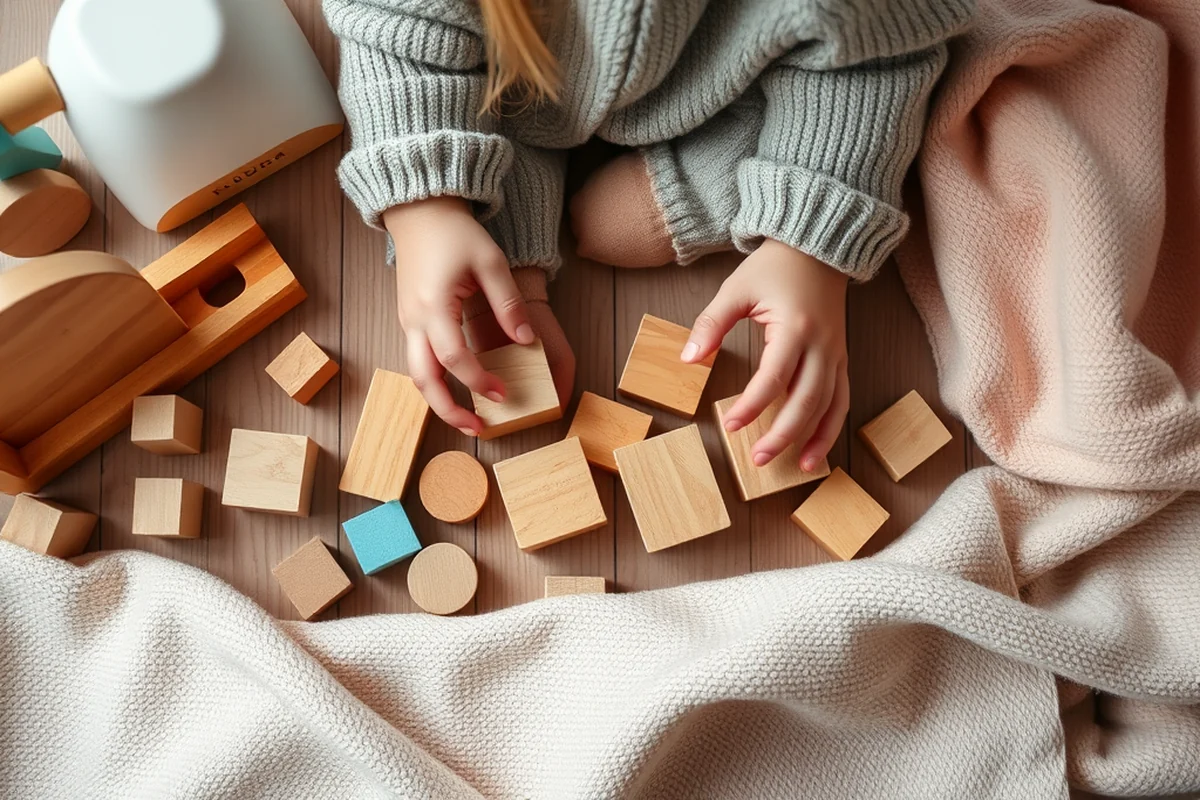
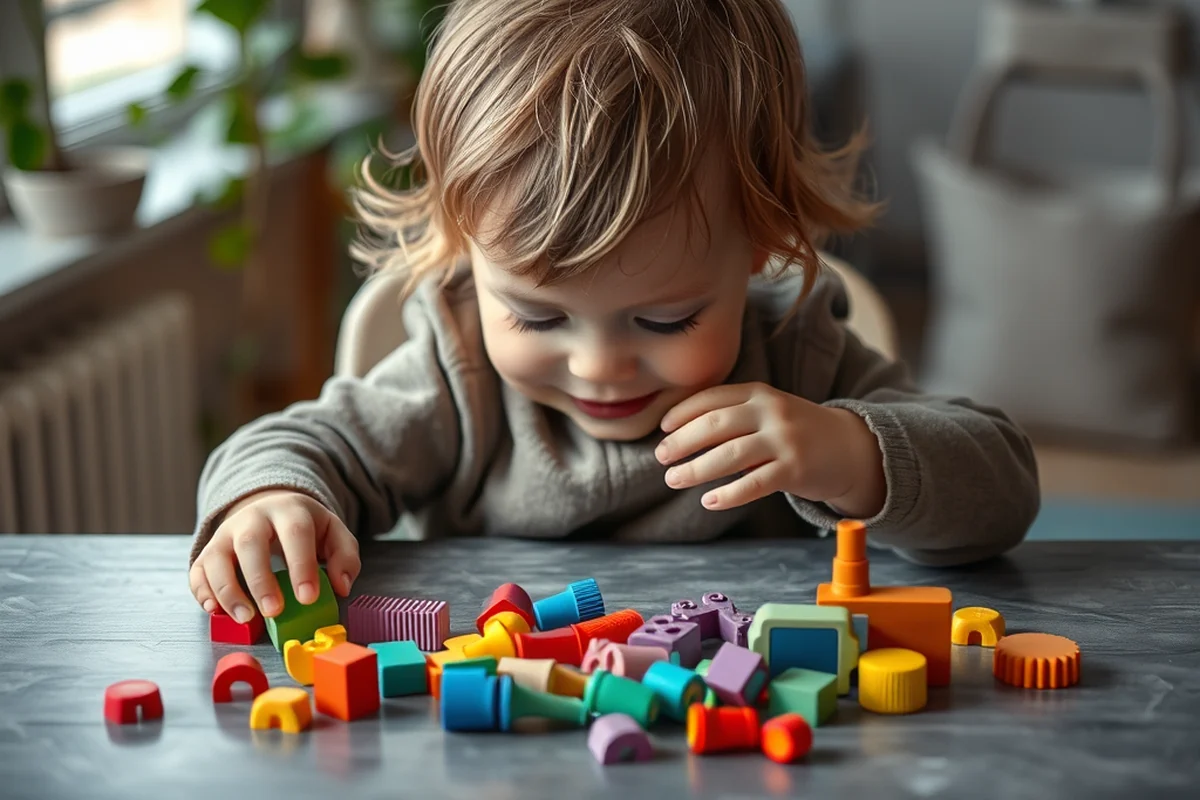
Using a set of colorful blocks or toys, you can create a sorting game where toddlers group objects by color, size, or shape. This helps develop early math skills and logical thinking.
I used a set of wooden blocks and asked my daughter to sort them by color. She loved the challenge and was excited to count each group as she finished. It was a great way to keep her engaged and learning.
These types of activities are not only educational but also help build confidence as toddlers see the results of their hard work and problem-solving.
Related: Toddler activities play based learning rainy for beginners
Storytelling and Pretend Play for Language Development
Setting up a pretend play area with dress-up clothes, toy kitchens, or doctor kits allows toddlers to explore different roles and scenarios, which helps develop language and social skills.
I set up a small 'restaurant' with plastic food and aprons. My daughter loved pretending to be a chef and ordering 'food' from me. It was a great way for her to practice communication and build her vocabulary.
These activities also support emotional development as toddlers learn to express feelings and navigate social interactions in a safe and playful environment.
🧶 Gentle Approach
Ideal for toddlers who need low-energy, non-stimulating activities. Focus on sensory bins and quiet storytelling.
⚡ Fast-Track Play
For parents who need quick, no-prep activities. Use existing items like blocks, books, and playdough for impromptu fun.
🧳 Travel/On-the-Go
Perfect for days out or when you're stuck without access to your usual toys. Focus on portable activities like drawing, sorting, or simple puzzles.
👯♀️ Multiple Toddlers
Activities that encourage cooperation and shared learning. Obstacle courses, group storytelling, and collaborative art projects are great options.
🔄 Regression Reset
Use play to help toddlers who are going through a developmental plateau. Focus on fine motor activities, sorting, and storytelling to re-engage their learning.
| The mistake | Why it happens | The fix |
|---|---|---|
| Using too many materials at once. | This can overwhelm a toddler and make it difficult for them to focus on any one activity. | Start with a few simple materials and gradually add more as your child becomes more comfortable. |
| Not allowing enough time for the toddler to explore. | Toddlers need time to process and engage with activities on their own, and rushing them can reduce the learning benefits. | Allow your toddler to take their time with each activity and encourage them to explore at their own pace. |
| Making the activities too structured or rigid. | Toddlers thrive in environments that are flexible and open-ended, allowing for creativity and exploration. | Leave room for improvisation and let your toddler lead the way with their interests and ideas. |
| Forgetting to clean up after each activity. | This can lead to messes and safety hazards, especially if the toddler is still learning to manage their environment. | Always clean up after each activity to keep things organized and safe for the next one. |
Related: How to toddler activities play based learning indoor
Toddler Activities Play Based Learning Indoor Rainy Day Ideas Step By Step
Related: Toddler activities play based learning indoor for beginners
Indoor Science Experiments for Curious Toddlers
One of my favorite rainy day activities was creating a mini volcano using baking soda and vinegar. I used a plastic bottle as the base, surrounded it with modeling clay, and added food coloring for visual appeal. My toddler watched in awe as the mixture bubbled up, and they were eager to help with every step of the process. It was a great way to introduce basic chemistry concepts in a fun and engaging way.
I also tried a simple plant growing experiment using clear cups, pebbles, soil, and small seeds. We filled the cups with pebbles, added soil, and planted seeds. My toddler loved watering them every day and observing the changes over time. This activity helped develop their patience and understanding of cause and effect, as they saw how their care affected plant growth.
I made sure to keep the experiments short and simple, as toddlers have short attention spans. Each experiment took about 15-20 minutes, and I always followed up with a quick discussion about what happened. These activities not only provided entertainment but also nurtured my toddler’s natural curiosity and love for learning, even on a rainy day.
DIY Musical Instruments for Rhythm and Coordination
Create simple instruments from household items to help toddlers develop rhythm and coordination while having fun.
I once turned an empty cardboard box into a drum by wrapping it in plastic wrap and attaching rubber bands — the sound was surprisingly satisfying for my toddler. Using items like spoons, pots, and pans, I set up a mini percussion station where my child could experiment with different beats and rhythms. This not only entertained her but also helped her understand cause and effect, as she learned that hitting the drum harder made louder sounds. It was a great way to incorporate music into our rainy day routine without any expensive equipment.
I also used egg cartons and yarn to make shakers. By threading the yarn through the egg cups and tying the ends together, we created small handheld instruments that my toddler could shake to make noise. This activity was especially useful in keeping her focused and engaged for longer periods, even when the weather was gloomy. It also allowed me to introduce basic musical concepts like rhythm and tempo in a playful, hands-on way.
These DIY instruments became a staple in our indoor playtime, especially on rainy days when we couldn’t go outside. The best part was watching my toddler explore different sounds and combinations, developing her motor skills and coordination without even realizing she was learning. It was a simple, affordable, and effective way to keep her entertained and stimulated while staying indoors.
Common Questions
Can these activities be adapted for a baby instead of a toddler?
How long should each activity last?
Are these activities suitable for older toddlers, like 4 or 5 years old?
Can I do these activities without any special equipment?
References
- PlayWELL: INDOOR RECESS GUIDE - Chicago Public Schools (cps.edu)
- Child and Toddler Physical Activity and Active Environments (doh.wa.gov)
- Child Care Today Activity Cards for Infants & Toddlers (extension.arizona.edu)
Cite this guide
TinyRomp (2026). Toddler Activities Play Based Learning Indoor Rainy Day Ideas Step By Step. https://tinyromp.com/toddler-activities-play-based-learning-indoor-rainy-day-ideas-step-by-step/
Feel free to cite or share this guide.