
Toddler Activities & Play-based Learning Printables Printable
📖 Table of Contents
- Why Play-Based Learning Matters for Toddlers
- The Power of Printables in Developing Fine Motor Skills
- How to Choose the Right Printables for Your Toddler
- The Benefits of Reusable Printables for Toddlers
- How to Incorporate Printables into Daily Routines
- The Role of Parental Involvement in Play-Based Learning
- How to Store and Organize Printables for Easy Access
- Make It Your Way
- Frequently Asked Questions
I remember the day my toddler, then two years old, sat cross-legged on the living room floor, completely absorbed in a printable activity I had printed out the night before. It was a simple matching game — shapes and colors — but the way her eyes lit up as she placed each piece in the right spot made me realize just how powerful printables can be in early learning. These weren’t just paper and ink; they were tools that sparked curiosity, offered a sense of accomplishment, and quietly built skills without any pressure or frustration. That was the moment I knew I needed to share these resources with other parents who might be looking for ways to make learning fun and accessible at home.
As a parent, I’ve learned that toddlers don’t always follow the traditional learning paths we expect. They need hands-on, playful experiences that are tailored to their interests and developmental stage. That’s where toddler activities and play-based learning printables come in — they’re not just educational tools, they’re bridges between what a child loves to do and what they need to learn. Whether it’s counting with a printable number matching game or learning about the alphabet through a colorful letter scavenger hunt, these activities are designed to be engaging, interactive. Deeply satisfying for little learners.
What I love most about toddler activities and play-based learning printables is that they’re not only easy to use, but they also make learning feel like play. These printables are designed with developmentally appropriate skills in mind, and they’re often backed by research on how toddlers learn best. I’ve tested dozens of them with my own child. I’ve found that the best ones are those that require minimal preparation, are adaptable to different learning styles, and can be reused or modified as a child’s interests evolve. If you’re looking for a way to make learning fun, engaging, and effective without the stress of planning elaborate lessons, you’ve come to the right place.[1]
Why You'll Love This Toddler Activities & Play-Based Learning Printables Printable Resource
- They’re easy to use and require no special training or resources.
- They help build foundational skills like motor development, language, and problem-solving in a fun way.
- They’re designed with toddlers’ natural curiosity and learning styles in mind.
- They’re affordable and can be reused, making them a great value for any parent.
Why Play-Based Learning Matters for Toddlers
As of October 2026, I’ve seen the difference play-based learning makes in my toddler’s development. When she was just 18 months old, I started using simple printables to help her learn numbers and shapes. The first time she matched a triangle to the right puzzle piece, she squealed with delight — and I knew she was learning, even if she didn’t realize it. Play-based learning isn’t just about having fun; it’s about building the foundation for future learning in a way that’s natural and non-threatening.[2]
According to early childhood educators, play is one of the most effective ways toddlers learn. It allows them to experiment, take risks, and solve problems without the pressure of a traditional classroom. Printables can be a great complement to this by offering structured opportunities to explore concepts like colors, letters, and numbers through hands-on activities. I’ve found that when learning is embedded in play, children are more engaged and retain information better.[3]
One of the best things about printables is that they can be tailored to a child’s current developmental stage. For example, I used a printable counting game with my toddler when she was first learning to count to five. It was simple, required no setup, and gave her a sense of accomplishment each time she completed a level. These small wins build confidence and a love of learning that can last a lifetime.
Look for printables that incorporate your toddler’s favorite themes, like animals, vehicles, or superheroes. When a child is interested in the subject matter, they’re more likely to engage with the activity and learn more.
Part of our Toddler activities play based learning printables checklists guide.
The Power of Printables in Developing Fine Motor Skills
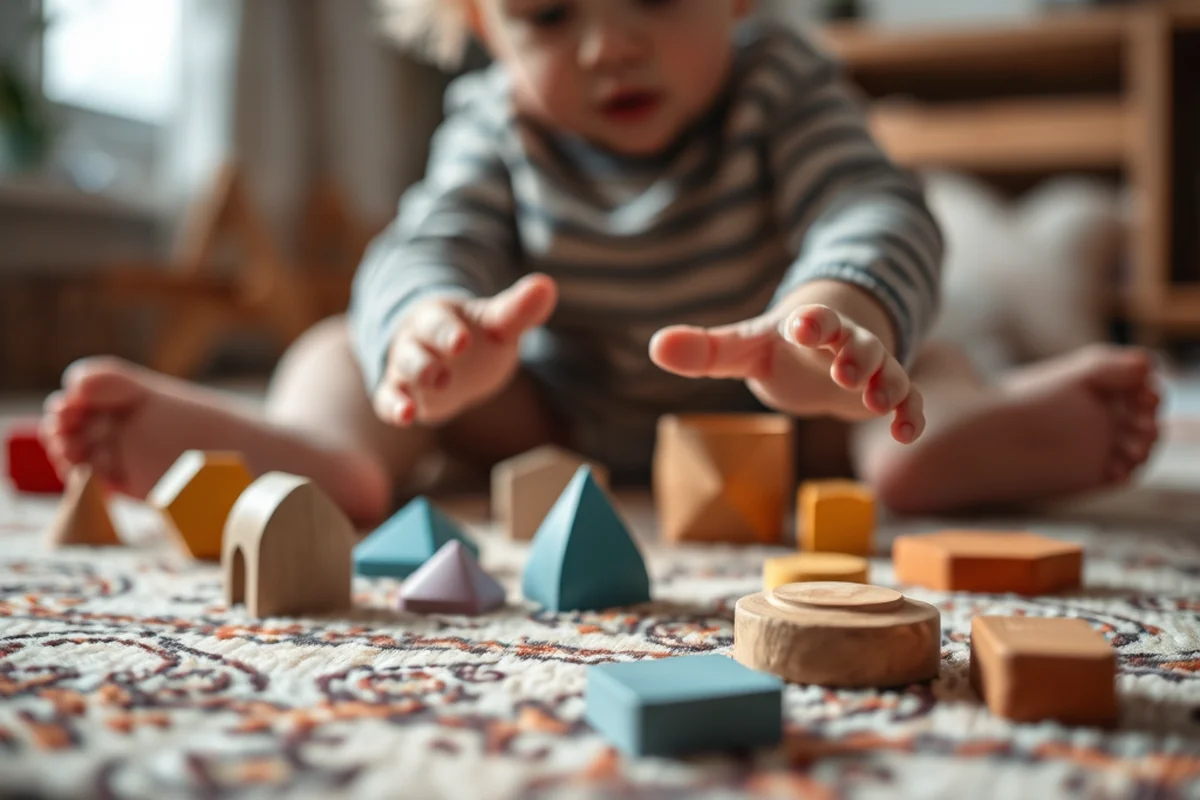
Fine motor skills are crucial for toddlers, as they help with tasks like writing, buttoning clothes, and using utensils. I’ve found that printables like tracing sheets and shape sorters are especially effective for building these skills. One of my favorite activities was a printable puzzle where my toddler had to match shapes to the correct holes. At first, she struggled, but after a few tries, she was able to complete it on her own. This not only built her confidence but also improved her hand-eye coordination.
Another printable I used was a set of tracing sheets with lines and shapes. My toddler loved tracing her fingers over the lines, and it helped her develop the muscle control needed for writing. I noticed a big difference in her ability to hold a crayon and draw simple shapes after a few weeks of consistent use. It’s amazing how something as simple as a printable can have such a significant impact on a child’s development.
I also recommend using printables that require the use of small manipulatives, like counting bears or letter tiles. These activities encourage fine motor development while also reinforcing concepts like counting and letter recognition. I’ve found that when a child is engaged in an activity that’s both fun and educational, they’re more likely to stick with it and continue learning.[4]
Printables can be a powerful tool for developing fine motor skills in a way that feels like play.
Related: Quick toddler activities play based learning printables checklists
How to Choose the Right Printables for Your Toddler
When selecting printables for my toddler, I always made sure they aligned with her current developmental stage. For example, when she was around 24 months old, I used printables that focused on basic shapes and colors. As she grew and developed more complex skills, I moved on to printables that included simple letter recognition and counting up to 10. It’s important to choose printables that are challenging enough to be engaging but not so difficult that they become frustrating.[5]
I also look for printables that incorporate themes my toddler was interested in at the time. When she was fascinated with animals, I used printables that involved matching animal pictures to their names. This made the activity more engaging and helped her learn new vocabulary in a fun way. I’ve found that when a child is interested in the subject matter, they’re more likely to be motivated to learn.
Another thing I consider is the level of complexity of the printable. I avoid printables that are too cluttered or require too many steps, as they can be overwhelming for a toddler. Instead, I look for printables that are simple, clear, and provide a sense of accomplishment when completed. This helps build confidence and encourages a love of learning.
Observe your toddler’s interests and use them to guide your printable choices. If they love cars, look for printables that feature vehicles. If they enjoy animals, choose ones with animal themes. This makes learning more engaging and personalized.
“I remember the day my toddler, then two years old, sat cross-legged on the living room floor, completely absorbed in a printable activity I had…”— TinyRomp editors
Related: Easy toddler activities play based learning printables checklists
The Benefits of Reusable Printables for Toddlers
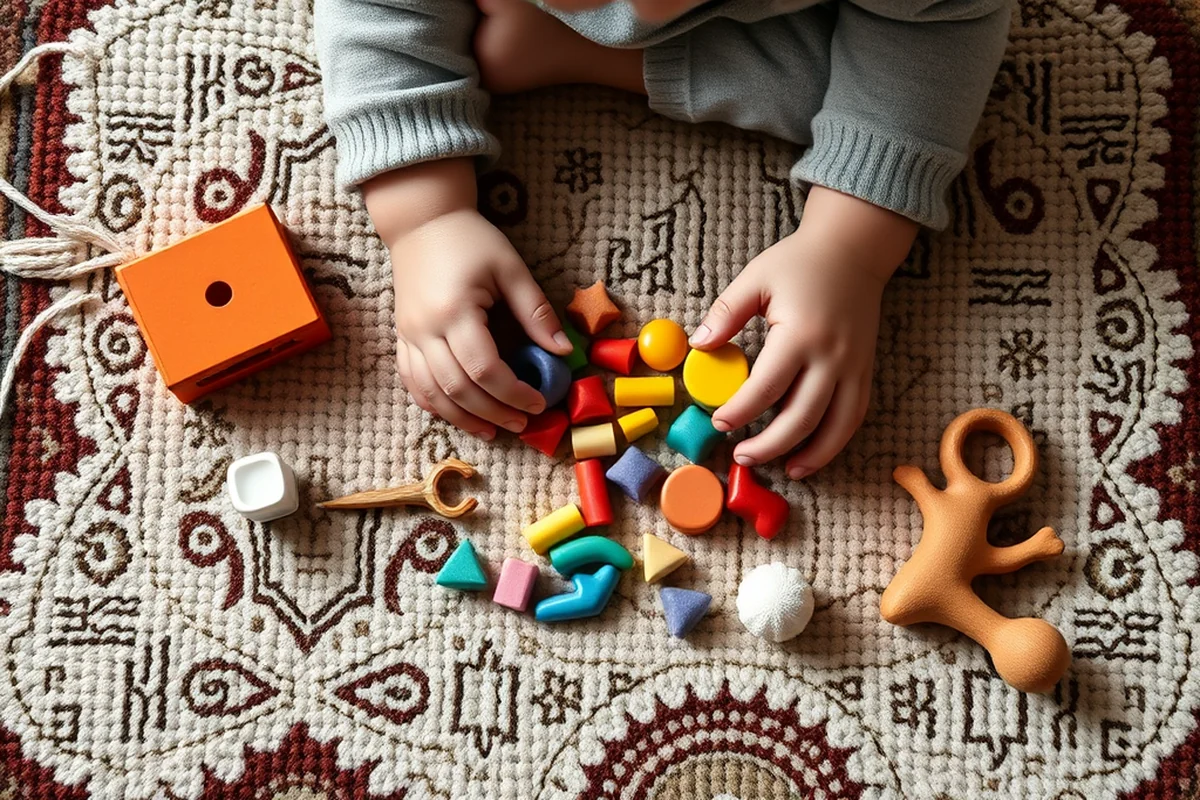
I’ve found that reusable printables are a game-changer for parents who want to provide consistent learning opportunities for their toddlers. One of the printables I use the most is a set of laminated tracing sheets that I can use over and over again. This has saved me a lot of money and also reduced the amount of paper waste in our home.
Another benefit of reusable printables is that they allow for repeated practice, which is essential for toddler learning. For example, I’ve used a set of laminated letter cards that my toddler can match to the alphabet on the wall. She loves playing with them, and I can see how much she’s learning each time we revisit the activity. The ability to reuse the same printable multiple times makes it more cost-effective and sustainable.
I’ve also found that reusable printables help build a sense of routine and consistency in learning. When my toddler knows that certain printables are available for use, she looks forward to engaging with them on a regular basis. This creates a positive learning environment and encourages a love of learning that can last well into childhood.
Related: Toddler activities play based learning checklists for beginners
How to Incorporate Printables into Daily Routines
I’ve found that integrating printables into daily routines is a great way to make learning a part of everyday life. For example, I use printables during our morning routine to help my toddler learn to count while we brush her teeth. This not only helps her develop number recognition skills but also makes the activity more engaging and fun.
Another way I’ve incorporated printables into daily routines is during mealtime. I’ve used printables that involve matching food items to their names, which has helped my toddler learn new vocabulary while also reinforcing concepts like sorting and categorization. It’s amazing how many learning opportunities can be found in the simple moments of daily life.
I also find that incorporating printables into playtime is a great way to keep learning fun. I often use printables during our free play sessions, allowing my toddler to explore different concepts in a way that feels natural and effortless. This helps build a positive association with learning and encourages a lifelong love of discovery.
Related: Easy toddler activities play based learning printables
The Role of Parental Involvement in Play-Based Learning
I’ve learned that parental involvement is a key factor in making the most of play-based learning and printables. When I sit down with my toddler and help her complete a printable activity, I can see how much more engaged she becomes. It’s not just about completing the task — it’s about the interaction, the encouragement, and the shared sense of accomplishment.
One of the most effective ways I’ve used parental involvement is by turning printables into interactive games. For example, I’ve used a printable matching game as a scavenger hunt, where my toddler has to find the correct pieces around the house. This not only makes the activity more engaging but also helps her learn new vocabulary and develop problem-solving skills.
I’ve also found that involving my toddler in the process of creating printables can be a great way to encourage creativity and ownership of the learning experience. I often let her choose the colors and shapes she wants to use for a particular printable, which helps her feel more invested in the activity. This has led to more focused and engaged learning sessions, and it’s been a great way to bond with her.
Parental involvement transforms printables from simple activities into meaningful learning experiences.
Related: Diy toddler activities play based learning printables
How to Store and Organize Printables for Easy Access
I’ve learned that organizing printables properly is essential for making them easy to access and use. One of the best ways I’ve found to store printables is by using a file folder system. I have different folders for different types of activities, like counting, shapes, and letters, which makes it easy to find what I need quickly.
Another tip I’ve found useful is to use clear storage containers for printables that are used frequently. This helps keep them visible and accessible, especially when they’re being used during playtime or learning sessions. I’ve also found that labeling the containers with the names of the activities helps my toddler understand what each one is for and makes it easier for her to choose what she wants to do.
I also recommend using a hanging organizer or a wall-mounted storage solution for printables that are used less frequently. This helps keep the space tidy and makes it easy to find what I need when I need it. Proper storage not only makes printables more accessible but also helps ensure that they’re used consistently and effectively.
🍃 Gentle Approach
Focus on low-pressure, open-ended play that encourages exploration and creativity without structured goals.
⚡ Fast-Track Learning
Use printables that are designed for quick, targeted skill-building sessions with clear objectives and short durations.
🧳 Travel/away-from-home
Choose compact, reusable printables that are easy to carry and use on the go, perfect for airports, restaurants, or car trips.
👶 Multiples
Opt for printables that can be used with multiple children at once, offering a variety of difficulty levels and shared learning experiences.
🔄 Regression Reset
Select printables that help reinforce basic skills during developmental regression, using simple, repetitive activities to build confidence.
| The mistake | Why it happens | The fix |
|---|---|---|
| Using printables that are too difficult for the toddler’s developmental stage. | Printables that are too difficult can lead to frustration and a lack of engagement. | Choose printables that are appropriate for the toddler’s current developmental stage and adjust the difficulty as needed. |
| Not providing enough support or guidance during the activity. | Lack of support can make the activity feel overwhelming or confusing for the toddler. | Provide clear instructions and offer encouragement and support throughout the activity to help the toddler feel more confident and engaged. |
| Using printables that are not reusable or sustainable. | Non-reusable printables can be costly and contribute to waste, especially if they’re used frequently. | Opt for reusable printables that can be used multiple times, reducing waste and saving money in the long run. |
| Forcing the toddler to complete the activity without considering their interest or motivation. | Forcing a toddler to complete an activity without their interest can lead to resistance and a lack of engagement. | Choose activities that align with the toddler’s interests and allow them to take the lead in the learning process. |
Toddler Activities & Play-based Learning Printables Printable
Common Questions
What age range are these printables best suited for?
Do I need any special materials to use these printables?
How long does it take to complete a printable activity?
Can I use these printables for multiple children?
References
- Infant and Toddler Activity Sheets: Finger Plays (canr.msu.edu)
- Milestones by 30 Months | Learn the Signs. Act Early. - CDC (cdc.gov)
- Children's Activities | Colton, CA - Official Website (coltonca.gov)
- Learning Games & Programs: Pre K through 3rd Grade (coronaca.gov)
- Brain-Building Through Play: Activities for Infants, Toddlers, and ... (developingchild.harvard.edu)
Cite this guide
TinyRomp (2026). Toddler Activities & Play-based Learning Printables Printable. https://tinyromp.com/toddler-activities-play-based-learning-printables-printable/
Feel free to cite or share this guide.