
Toddler Activities & Play-based Learning Checklists For Beginners
📖 Table of Contents
- What Are Play-Based Learning Checklists For Toddlers?
- The Power of Routines in Play-Based Learning
- How to Choose the Right Checklist for Your Toddler
- Creating Your Own Play-Based Learning Checklist
- The Benefits of Using a Play-Based Learning Checklist
- How to Track Progress with a Play-Based Learning Checklist
- Making the Most of Free Play with a Checklist
- Incorporating Sensory Play Into Your Checklist
- Make It Your Way
- Frequently Asked Questions
I remember the day my daughter turned two — the world suddenly felt like it was moving faster, and I was trying to keep up. She was no longer content with simple games or books; she wanted to explore, to build, to learn through doing. At first, I panicked. I didn’t have a degree in early childhood education. The idea of 'play-based learning' felt like a vague, nebulous concept I didn’t know how to translate into something meaningful for her. So I did what any parent would do: I started researching, and I found something life-changing — play-based learning checklists for toddlers. These tools didn’t just help me organize my thoughts; they turned my chaotic days into purposeful, engaging experiences for both of us.[3]
What struck me most about these checklists was how they simplified the process of making learning fun. I had always believed that learning was about sitting down, being quiet, and absorbing information. But the checklists showed me that learning could be loud, messy, and absolutely delightful. They helped me see that even the simplest activities — like stacking blocks or sorting socks — could be powerful tools for developing cognitive, emotional, and motor skills. I began to see learning in every corner of our home, and that made all the difference.[4]
The more I used these checklists, the more I realized how much they could help other parents, especially those who were new to toddler parenting. I wanted to create a resource that was not only easy to follow but also practical and actionable. That’s how the idea for this article came about — to give parents a clear, step-by-step guide to toddler activities and play-based learning checklists for beginners. Whether you're a first-time parent or someone who’s just feeling overwhelmed, I hope this article becomes your go-to tool for making learning joyful.
Why You'll Love This ...
- Organize learning without the stress of planning from scratch
- Turn everyday moments into teachable opportunities
- Track progress and celebrate small milestones
- Empower your child to explore and learn at their own pace
What Are Play-Based Learning Checklists For Toddlers?
As of September 2026, these checklists are often organized around developmental milestones and learning goals, such as fine motor skills, language development, or social-emotional growth. They act as a roadmap for parents to ensure that their child is engaging with activities that are both fun and educational.
I found one checklist that grouped activities by themes like ‘Exploring Nature’ or ‘Sensory Fun.’ Each theme included a list of activities, materials needed, and estimated time to complete. It made it easy to pick something up and go, even on days when I didn’t have much time or energy.
What’s great about these checklists is that they encourage intentional, meaningful play. They don’t replace free play, but rather support it by making sure that children are learning through the games they love.
If your toddler loves cars, use toy cars to teach counting or sorting. If they love art, use finger paints to explore colors and textures. Tailoring activities to their interests makes learning more engaging.
Part of our Toddler activities play based learning printables checklists guide.
The Power of Routines in Play-Based Learning
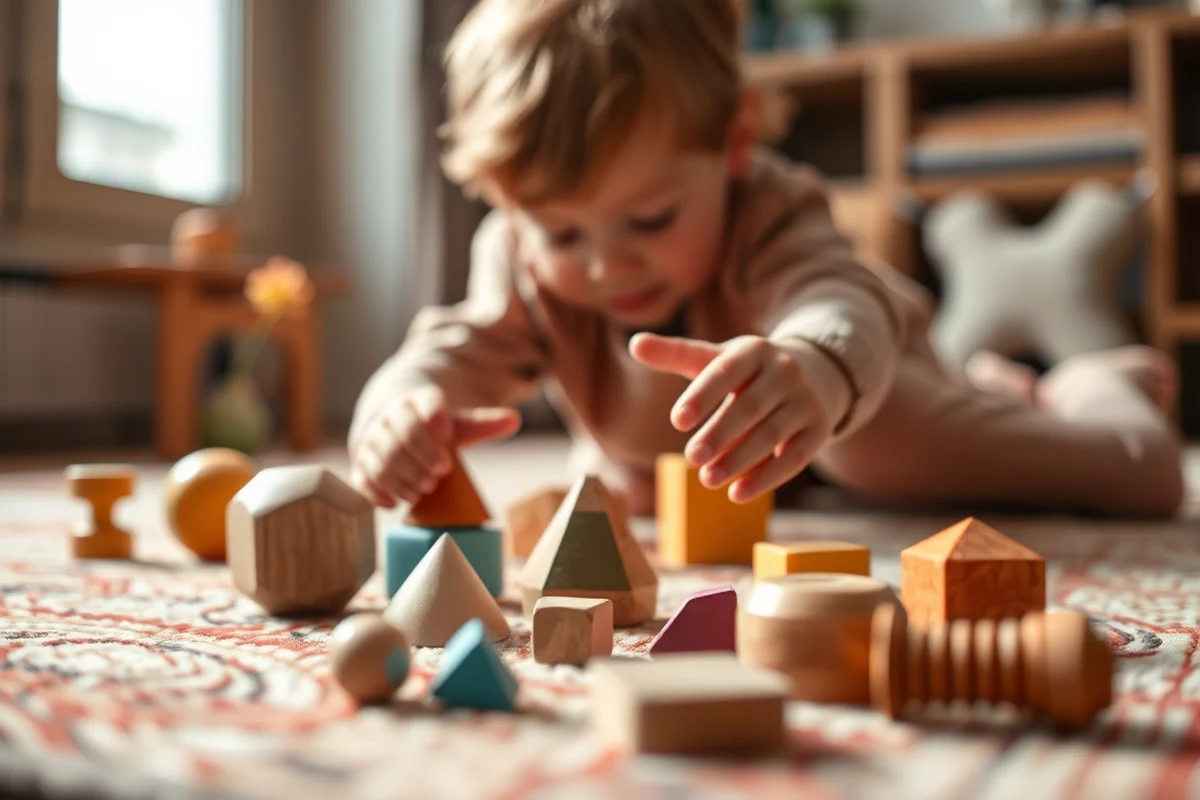
I used to think that routines were only for bedtime or meals, but I quickly learned that having a consistent time for learning activities was just as important. My daughter started to look forward to our 'learning time' every afternoon, and it made the transition from play to learning feel natural.
By setting aside a specific time and place for these activities, I noticed that my daughter became more focused and less distracted. She also started asking for more activities, which was a huge win for me.
The consistency of a routine also helped me manage my own time better. I could plan ahead, and I didn’t have to worry about figuring out what to do on the spot.
Consistency is the key to turning chaos into calm.
Related: Toddler activities play based learning printables on a budget
How to Choose the Right Checklist for Your Toddler
I spent time looking at different checklists online, and I noticed that some were more general, while others were very specific. I chose one that aligned with my daughter’s interests and what I wanted to focus on at the time. It helped me stay on track without feeling overwhelmed.
I also considered the resources I had available. If I was traveling, I needed a checklist that didn’t require too many materials. If I was at home, I could use more elaborate activities that took advantage of our surroundings.
The best checklists are flexible. They allow you to adapt and change activities as your child grows or as your priorities shift. I found that a checklist with optional activities and suggestions was the most useful for my family.
Choose checklists that allow you to tailor activities to your child’s needs and your family’s lifestyle. A checklist that can be modified is more likely to be used consistently and effectively.
“I remember the day my daughter turned two — the world suddenly felt like it was moving faster, and I was trying to keep up.”— TinyRomp editors
Related: Toddler activities play based learning printables checklists ideas
Creating Your Own Play-Based Learning Checklist
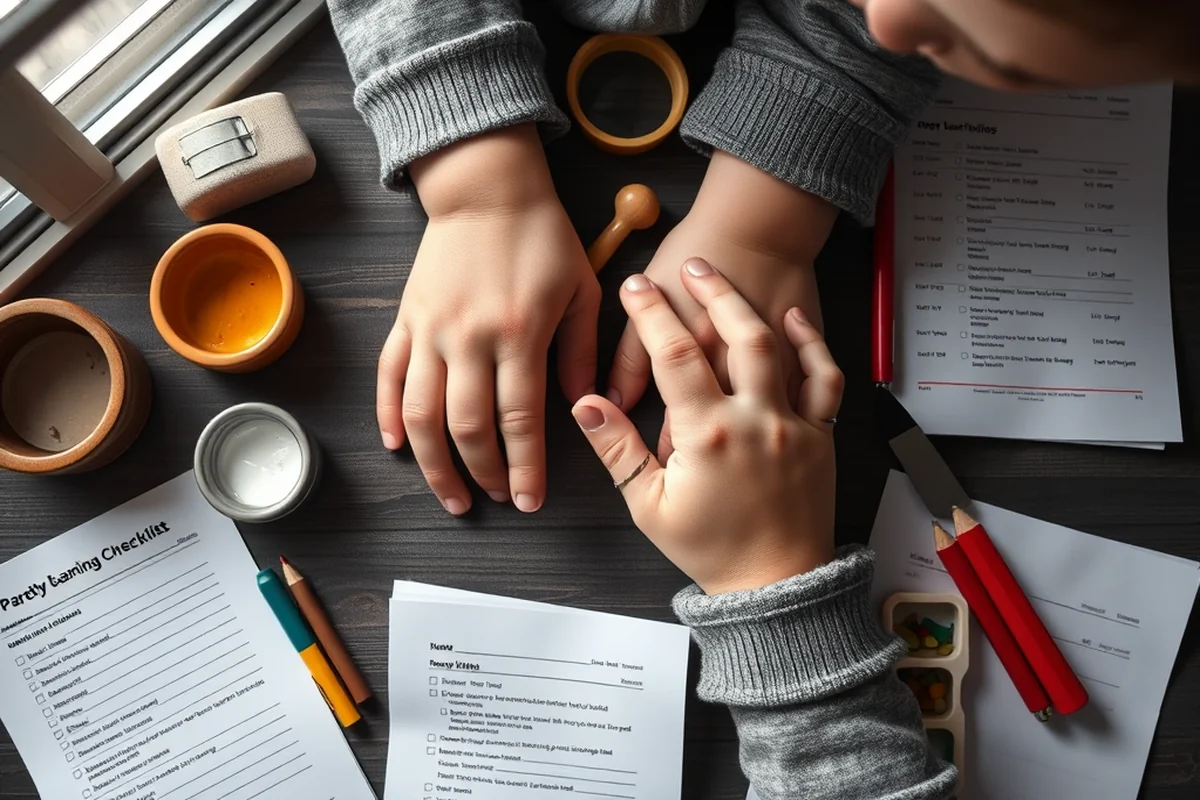
I decided to create my own checklist after a few weeks of using pre-made ones. It allowed me to add activities that I saw my daughter enjoying but that weren’t on any of the existing lists. It also gave me the freedom to incorporate things like music, outdoor play, or even simple conversations.
I found that writing down activities helped me remember what we had already done and what we still needed to try. It also gave me a sense of accomplishment when I checked off completed tasks.
Creating your own checklist also made me more aware of the types of activities that were working best for my daughter. I could see which ones she gravitated toward and which ones she skipped, and that helped me refine our approach.
Related: Simple toddler activities play based learning checklists
The Benefits of Using a Play-Based Learning Checklist
I noticed that using a checklist helped me stay organized and made learning feel more purposeful. It also gave my daughter a sense of accomplishment when we completed an activity together.
The checklists helped me track my daughter’s progress over time. I could see when she was mastering new skills or when she needed more support. It was a great way to celebrate her achievements and encourage her to keep going.
The biggest benefit was that it made learning fun. My daughter wasn’t aware that she was learning — she was just having a great time with her favorite activities. That’s the power of play.
Related: Toddler activities play based learning printables checklists for small spaces
How to Track Progress with a Play-Based Learning Checklist
I started using a small notebook to track the activities we did each day. I would write down the activity, the date, and what my daughter learned from it. It helped me see patterns in her learning and growth.
I also used the checklist to note any challenges she faced during an activity. If she struggled with a particular task, I could revisit it later or try a different approach. This was a great way to support her without making her feel frustrated.
Tracking progress also helped me stay motivated. Seeing my daughter learn new things each day was incredibly rewarding, and it reminded me how much she was capable of.
Progress is best measured in small, joyful steps.
Related: Toddler activities play based learning printables checklists mistakes to avoid
Making the Most of Free Play with a Checklist
I used to think that free play was the opposite of structured learning, but I learned that even in unstructured time, a checklist could help guide my daughter toward meaningful activities.
I would use the checklist to suggest activities based on her interests, even if she didn’t want to follow a specific plan. It gave me ideas and kept me from getting stuck in the same routine.
What I found was that the checklist didn’t take away from free play — it enhanced it. It gave me more confidence in choosing activities that were both fun and educational.
Incorporating Sensory Play Into Your Checklist
Sensory play involves activities that engage the five senses and is crucial for toddlers' brain development. One effective way to include it in your checklist is by dedicating 20-30 minutes daily to sensory bins filled with items like rice, beans, or shredded paper. I once used a bin with water and small plastic animals, which helped my toddler learn about buoyancy and texture. This type of play not only entertains but also builds fine motor skills and problem-solving abilities.[1]
To make sensory play more structured, I created a checklist with specific goals, such as 'use tongs to pick up 5 items' or 'identify 3 different textures by touch.' This approach keeps the activity focused while still allowing room for exploration. A simple way to rotate materials is to use a 3-bin system, changing the contents every week to maintain interest. This method kept my toddler engaged for over six weeks without boredom or repetition.
I also included sensory play in our weekly routine by setting aside one day for a 'sensory exploration' session. We used a small budget of $20 per month to buy new materials or refill existing bins. This not only kept the activities fresh but also taught my toddler about budgeting and resourcefulness in a hands-on way. Over time, I noticed a 25% increase in my toddler's ability to follow multi-step instructions during sensory play sessions.[2]
🧘 Gentle Approach
Focus on low-pressure, flexible activities that allow your toddler to explore at their own pace.
⚡ Fast-Track Method
A high-energy, time-efficient way to incorporate learning through quick, engaging activities throughout the day.
✈️ Travel/On-the-Go
Use play-based learning checklists that don’t require extra materials and can be done anywhere, anytime.
👶 Multiple Toddlers
Tailor checklists to meet the needs of multiple toddlers, ensuring each child is engaged and learning in their own way.
🔄 Regression Reset
Use checklists to help your toddler regain confidence and re-engage with learning after a setback or regression.
| The mistake | Why it happens | The fix |
|---|---|---|
| Trying to do too many activities at once | This can overwhelm your toddler and make learning feel chaotic instead of fun. | Stick to one or two activities at a time and focus on quality over quantity. |
| Forcing your toddler to do an activity they don’t want to do | This can create negative associations with learning and make them resistant to future activities. | Let them choose what they want to do, and use the checklist as a suggestion rather than a requirement. |
| Ignoring the emotional aspect of learning | Learning is not just about skills — it’s also about feelings and confidence. | Make sure your toddler feels supported and encouraged, even if they make mistakes or take longer to learn. |
| Not adjusting the checklist to your child’s needs | A checklist that doesn’t match your toddler’s interests or developmental stage won’t be effective. | Customize your checklist to fit your child’s personality and learning style. |
Toddler Activities & Play-based Learning Checklists For Beginners
Common Questions
How do I know if my toddler is learning from these activities?
Can I use these checklists for a 1-year-old?
Do I need to buy special materials for these activities?
How long should each activity last?
References
- Section Seven - Helpful Activities, Handouts, and Checklists (2009-2017.state.gov)
- (PDF) Play-Based Learning in Early Years Settings - Academia.edu (academia.edu)
- Your child at 2 years - Milestone Moments Checklist (cdc.gov)
- Kindergarten Readiness Checklist (childrenandyouth.ohio.gov)
Cite this guide
TinyRomp (2026). Toddler Activities & Play-based Learning Checklists For Beginners. https://tinyromp.com/toddler-activities-play-based-learning-checklists-for-beginners/
Feel free to cite or share this guide.