
Affordable Fine Motor Skills Activities For Kids

📖 Table of Contents
- The Power of Play: How Everyday Items Can Boost Motor Skills
- The Magic of Tactile Exploration: How Sensory Play Helps Develop Skills
- The Importance of Repetition and Consistency in Skill Development
- The Role of Parental Involvement and Encouragement in Skill Development
- The Benefits of Fine Motor Skill Development Beyond the Home
- Make It Your Way
- Frequently Asked Questions
- The Printable Activity Plan
When my son turned three, I noticed he struggled with holding a crayon, buttoning his shirt, and even using a fork. It wasn't that he lacked ability—it was that we hadn't focused on developing his fine motor skills. Fine motor skills are crucial for everything from writing to tying shoes, and without them, kids can fall behind in school and daily life. That's when I started searching for affordable fine motor skills activities for kids that didn't require fancy equipment or a trip to the store. What I found was a world of simple, effective, and inexpensive ways to help children build these essential skills, right at home.[1]
Fine motor skills are the small movements that control the hands and fingers, and they start developing from an early age. But with so many distractions, it's easy for parents to overlook the importance of practice. I tried various activities over the course of a few months—some worked, others didn't. What I learned was that the most effective affordable fine motor skills activities for kids are the ones that are fun, engaging, and can be done with common household items. Whether it's using tweezers to pick up rice or threading pasta onto yarn, these activities helped my son improve his dexterity and confidence in a short amount of time.[2]
What surprised me the most was how quickly these activities made a difference. Within a couple of weeks, my son was able to hold a pencil properly and button his jacket on his own. The key was consistency and variety. I found that mixing up the activities kept him interested and challenged in different ways. I also discovered that involving him in the process—letting him pick the colors or decide what task to do first—helped build his autonomy and motivation. It's been a journey, but the results have been worth every minute of effort.[3]
Why You'll Love This Collection of Fine Motor Skills Activities
- Cost-effective and easy to implement using household items
- Encourages independent learning and self-confidence in children
- Supports developmental milestones through fun and engaging tasks
- Provides a variety of activities to keep kids motivated and interested
The Power of Play: How Everyday Items Can Boost Motor Skills
As of October 2026, I remember how amazed I was when I realized that simple items like playdough and beads could help my son improve his fine motor skills. Playdough, in particular, is a favorite because it's squishy and easy to manipulate. I used to roll it into snakes and have him press them into cookie cutters. It was fun, and it worked—I saw a noticeable improvement in his hand strength and control within just a few weeks.[4]
Another favorite was threading beads onto a string. At first, he struggled with the tiny beads, but with patience and encouragement, he mastered the task. It wasn't just about the beads—it was about the focus and concentration it required. These activities are especially effective because they allow children to practice the same motion repeatedly, which is key for building muscle memory and coordination.[5]
I also tried using straws to practice puffing and blowing—this not only helped with breath control but also improved the small muscle movements in his lips and tongue. It was surprising how versatile these items were and how much my son learned from just playing with them. The best part was that he didn't even realize he was learning!
Don't feel like you need to buy anything special. Look around the house and see what can be used to create fun fine motor activities. Buttons, pasta, and even cotton balls can be great tools for practice.
Part of our Toddler activities play based learning guide.
The Magic of Tactile Exploration: How Sensory Play Helps Develop Skills
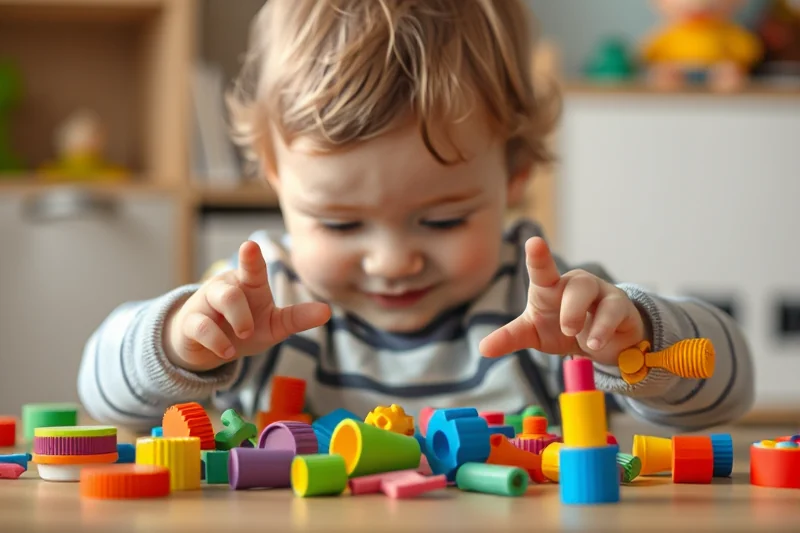
I discovered the benefits of sensory play when I started using rice and beans in small bins. My son loved scooping and pouring them, and I noticed how much he was using his fingers and hands. The texture of the rice and beans was different from playdough, and this helped him learn to manipulate various textures, which is an important part of motor development.
I also tried using water beads, which are soft and squishy. He loved pressing them and squeezing them, and it was amazing to see how much he was using his fingers to explore the different textures. It wasn't just a sensory experience—it was a way for him to practice picking up, holding, and releasing small objects, which are all crucial for fine motor development.
The key to sensory play is to make it fun and engaging. I made a point to sit down with him and talk about what he was feeling and doing. This not only helped him build his motor skills but also supported his language development and social skills as well. It was a win-win for us.
Sensory play isn't just about fun—it's about learning through touch and exploration.
Related: Toddler learning videos
The Importance of Repetition and Consistency in Skill Development
One of the biggest lessons I learned was that practice makes perfect with fine motor skills. I noticed that my son improved the most when we did these activities regularly, even if it was just a few minutes a day. The key was to make it a habit rather than a one-time event.
I found that setting a routine helped a lot. For example, we started doing our fine motor activities right after lunch, and it became a natural part of our day. This made it easier for my son to focus and stay engaged, and he didn't feel like it was an extra task.
I also made sure to vary the activities so that he didn't get bored. Sometimes we used beads, sometimes we used straws, and sometimes we used playdough. This kept things interesting and helped him stay motivated to keep practicing. Over time, I saw a clear improvement in his abilities, and it made me realize how important repetition and consistency were to his development.
Setting a regular time for fine motor activities helps children build the habit of practice. Try to incorporate these activities into your daily schedule to ensure consistency.
“When my son turned three, I noticed he struggled with holding a crayon, buttoning his shirt, and even using a fork.”— TinyRomp editors
Related: What is stem activities for preschoolers
The Role of Parental Involvement and Encouragement in Skill Development
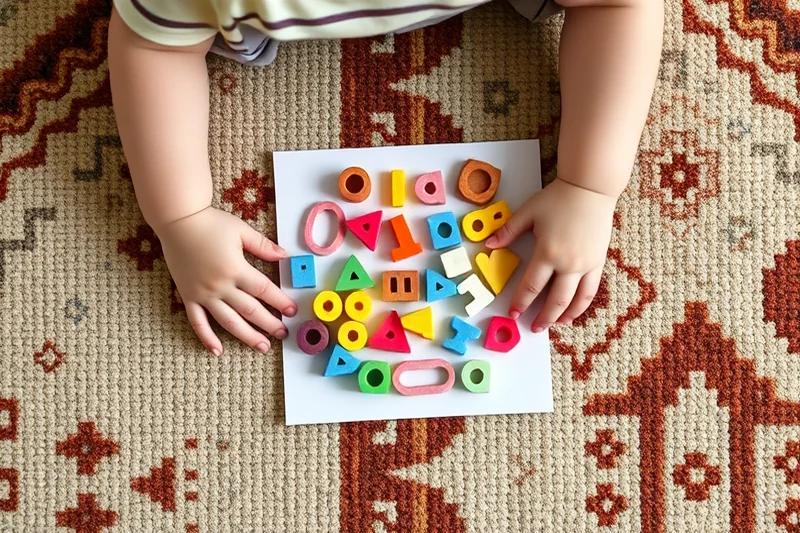
I quickly realized that my presence during these activities made a huge difference. When I sat down with my son and worked on the tasks together, he was more focused and more willing to try new things. He also felt more confident because I was there to support him and encourage him.
I made a point to praise him every time he tried something new, even if he didn't get it right the first time. This helped him build resilience and a growth mindset, which are important for all areas of development. I noticed that he was more willing to try again if I showed him that I believed in him.
I also tried to make the activities a shared experience. We would talk about what we were doing, and I would ask him questions about how the materials felt or what he thought we should do next. This not only helped him build his fine motor skills but also supported his language development and social skills. It was a win-win for us.
Related: Playworld playground equipment
The Benefits of Fine Motor Skill Development Beyond the Home
As my son grew more confident in his abilities, I noticed that he was doing better in school. His teacher mentioned that he was able to hold his pencil properly now, which made a big difference in his writing. This wasn't just a small improvement—it was a major step forward in his academic journey.
I also noticed that he was more independent in other areas, like buttoning his jacket and tying his shoes. These are all skills that rely on fine motor development, and the work we did at home made a real difference. It was amazing to see how these small steps added up over time.
The benefits of fine motor skill development go far beyond just the home. They support a child's ability to learn, to be independent, and to feel confident in their abilities. I've seen firsthand how these skills make a difference in a child's life, and I'm grateful that we started early.
⭐ Classic
The traditional approach with playdough, rice, and beads for a well-rounded fine motor experience.
💰 Budget
Use items you already have at home to create a fine motor kit without any additional cost.
⚡ Extra-Fast
Quick and easy activities that can be done in under 10 minutes to keep your child engaged.
✨ Depth
Activities that focus on more advanced fine motor skills, such as threading and using tweezers.
🥗 Light
A variation that uses lighter, more flexible materials to support developing motor skills in a gentle way.
| The mistake | Why it happens | The fix |
|---|---|---|
| Not being consistent with the activities | Fine motor skills develop over time, and without regular practice, it's difficult to see improvement. | Set a daily routine for fine motor activities and stick to it, even if it's just for a few minutes. |
| Using unsafe materials | Some materials can be a choking hazard for young children or cause injury if they are too small or sharp. | Always use safe, age-appropriate materials and supervise your child during the activities. |
| Forcing the child to participate | Forcing a child to do an activity can lead to resistance and frustration, which can make the experience negative. |
What You'll Need tap to check off
- 1 lb playdough
- ½ cup rice
- beads of various sizes
Method tap a step when done
- Gather all the materials needed for the fine motor activities, including playdough, rice, and beads.
- Set up a small table or space where your child can work on their fine motor activities.
- Encourage your child to use their fingers to roll the playdough into small shapes or press it into cookie cutters.
- Provide a bowl of rice and have your child use small scoops or their hands to transfer the rice from one container to another.
- Introduce the beads and have your child thread them onto a string or use tweezers to pick them up and place them into small cups.
- Rotate between the activities to keep your child engaged and practicing different motor skills.
Key Facts
Related: What is the kid n play dance
Affordable Fine Motor Skills Activities For Kids
Related: What is children s playground equipment
Common Questions
How often should I do fine motor activities with my child?
What are the best materials for fine motor activities?
How can I make fine motor activities more fun for my child?
What if my child is resistant to doing these activities?
References
- Supporting Children's Learning Through Play - Childcare.gov (childcare.gov)
- PDF Early Childhood Education Grants - dam.assets.ohio.gov (dam.assets.ohio.gov)
- ECIPs - Physical and Movement - Minnesota (education.mn.gov)
- PDF K-Lion Motor Skills Activity Book - Idaho Commission for Libraries (libraries.idaho.gov)
- Activities for The Development of Fine Motor Skills in Young Children (schools.shrewsburyma.gov)
Cite this guide
TinyRomp (2026). Affordable Fine Motor Skills Activities For Kids. https://tinyromp.com/affordable-fine-motor-skills-activities-for-kids/
Feel free to cite or share this guide.