
Small Sensory Play Recipes
📖 Table of Contents
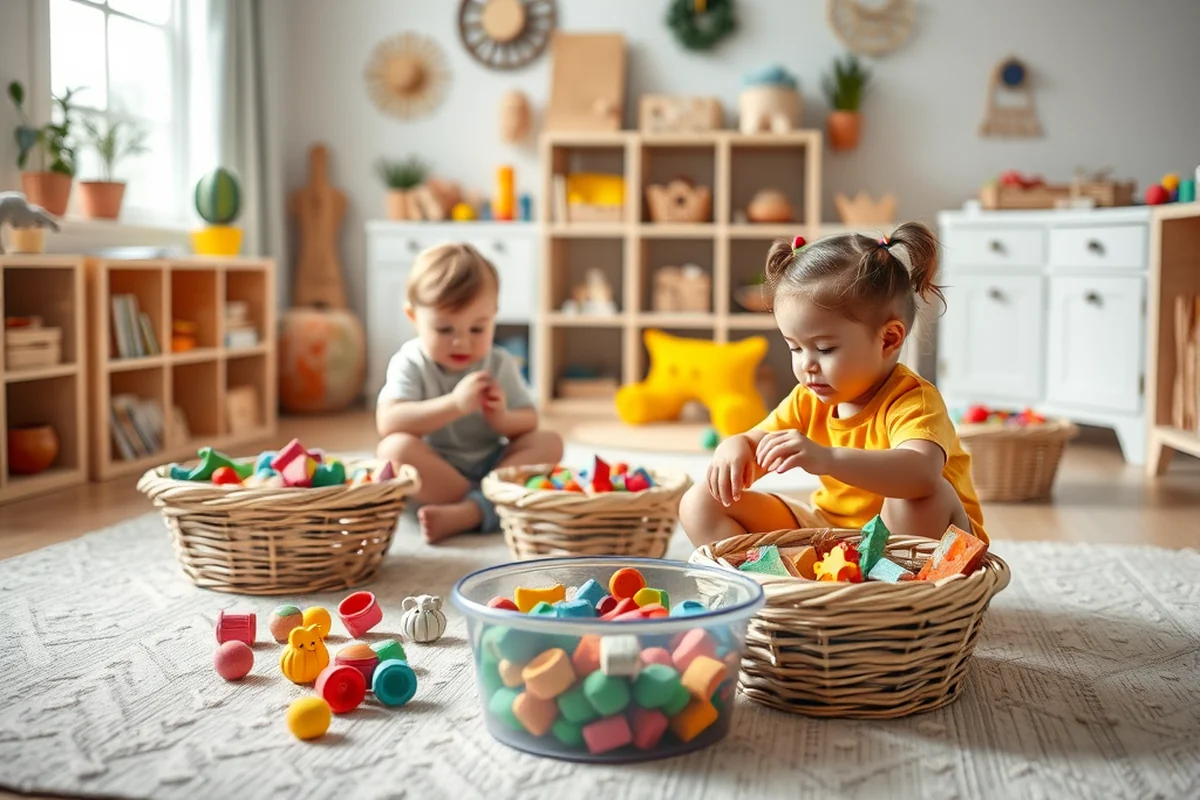
I still remember the first time my son held a handful of rice in his tiny, eager hands. He looked up at me with a mix of curiosity and triumph, like he had just unlocked some secret of the universe. This wasn’t just play—it was learning, exploring, and developing in a way that felt completely natural. I was reminded that sensory play doesn’t have to be complicated or expensive. It can be as simple as a bag of rice and a few plastic containers. Small sensory play recipes are a gateway to building your child’s world, one texture, color, and sound at a time.[5]
I began experimenting with sensory play as a way to engage my son during those long afternoons when the house felt too quiet. I quickly realized that the most effective sensory activities were the ones that required minimal materials and could be adapted to a variety of learning goals. Whether we were mixing together colored water and dish soap, or filling jars with different grains, the results were always the same: pure, unfiltered joy. These small sensory play recipes became a staple in our home, and they brought something truly magical into our daily lives.
As I explored more and more small sensory play recipes, I discovered that the best ones weren’t just about the materials—they were about the moments. The way my son would crinkle a plastic bag filled with dried beans, the way he would press his fingers into a tray of play dough, or how he would look at me with wide eyes when we mixed together a batch of homemade slime. These were the small, everyday moments that made our home feel like a place of wonder and discovery. And I wanted to help other parents find that same joy.
Why You'll Love This Article
- You'll gain a collection of affordable, no-fuss sensory play recipes that are perfect for busy parents.
- Each idea is designed to be adaptable, so you can tailor the activities to your child’s interests and developmental stage.
- You'll learn how to create engaging, educational moments with just a few common household items.
- These recipes help build important skills like fine motor development, color recognition, and sensory processing in a fun way.
The Science Behind Sensory Play
As of August 2026, Research shows that sensory play helps develop neural pathways in the brain, which are crucial for learning and problem-solving later on. When children explore different textures, colors, and sounds, they're not just having fun—they're building important cognitive skills. For example, a study published in the 'Journal of Early Childhood Research' found that children who engaged in regular sensory play showed improved attention spans and better memory retention.[1]
Sensory play also supports the development of fine motor skills, which are essential for tasks like writing and buttoning clothes. Activities such as sorting, scooping, and pouring help strengthen hand muscles and improve coordination. I’ve seen my son’s fine motor skills improve dramatically since we started incorporating sensory play into our daily routine. He can now hold a pencil properly and even button his own shirt.
Another benefit of sensory play is its ability to support emotional development. When children engage in sensory activities, they learn to express their emotions in healthy ways. For instance, using a sensory bin filled with soft materials can be a calming activity for children who are feeling overwhelmed or anxious. This kind of play creates a safe space for them to explore and process their feelings.
Don’t feel limited by the idea of what sensory play should be. Think about what you already have in your home—fabric scraps, buttons, pasta, even coffee grounds. These can all be turned into fun sensory experiences. One of my favorite discoveries was using coffee grounds in a sensory bin. The smell was amazing, and it provided a unique texture that my son loved.
Part of our Play year guide.
What to Do When You’re Running Low on Time
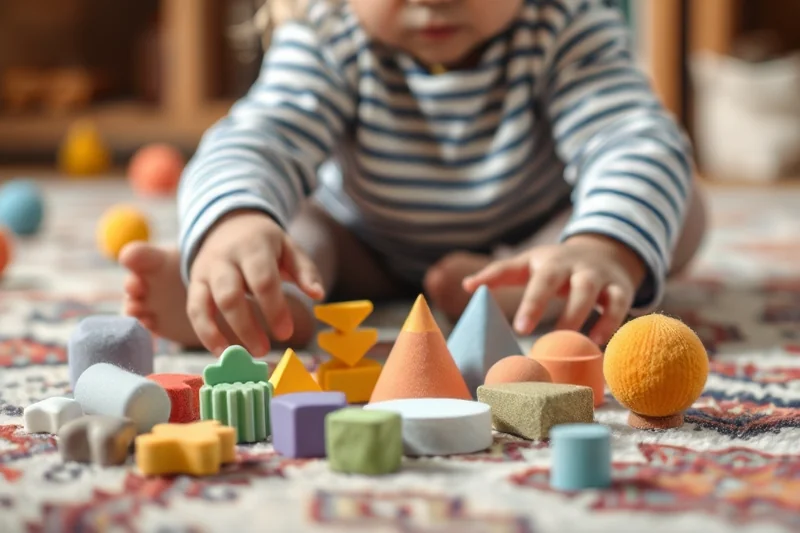
I’ve learned that sometimes, the best sensory play ideas come from the simplest of moments. If you’re short on time, you can still make a quick sensory play session by using things you already have around the house. For example, a small bowl of water with a few drops of food coloring and some dish soap can create a fun, colorful activity that your child will love.
I once had to leave for work in the middle of the day and only had 10 minutes before my son needed to be picked up from day care. I grabbed a small container of rice and a couple of plastic containers and created a sensory bin for him. He played with it for the next hour and even asked me to bring it home with me. It was a small moment, but it showed me how powerful even the simplest of sensory play ideas can be.[2]
Another time, I had only 15 minutes before dinner and wanted to give my son a little sensory play before he went to bed. I took a few minutes to mix up a batch of play dough and let him play with it. He loved the feel of it in his hands and even asked if we could make more the next day. These small, spontaneous sensory play moments have become some of my favorite memories with my son.[3]
Even a few minutes can turn into a meaningful sensory play session.
Related: Sensory play for babies 2026
Related: Sensory play step by step
Related: Sensory play at home step by step
Related: Sensory Play Recipes For Beginners
Related: Sensory play recipes without tools
Related: Soft Play Equipment For Kids
Related: Gymnastics Equipment For Kids
Related: Sensory Play At Home Near Me
How to Keep Your Child Engaged for Longer
I’ve found that the key to keeping my child engaged in sensory play for longer is to make it a regular part of our day. I try to set aside a specific time each day for sensory play, even if it’s just for a few minutes. This helps my child know that it’s something to look forward to and that it’s a special part of our day.
Another tip I’ve learned is to vary the types of sensory activities we do. I rotate between different textures, colors, and materials to keep things interesting. One day we might be playing with rice, the next day we might be mixing together colored water and dish soap. The day after that, we could be playing with a sensory bin filled with pasta or beans.
I’ve also noticed that involving my child in the setup and cleanup process helps them feel more invested in the activity. When I let my son help me prepare the sensory bin or clean up after the play session, he seems more excited about the activity and is more likely to stay engaged for longer.
Try to rotate your sensory play activities every few days to keep things fresh and exciting. This helps maintain your child’s interest and makes the experience more enjoyable for them. I’ve found that when I introduce a new texture or material, my son is always eager to explore it and try new things.
“I still remember the first time my son held a handful of rice in his tiny, eager hands.”— TinyRomp editors
Related: Sensory Play Activities For Small Spaces
Making the Most of Your Resources
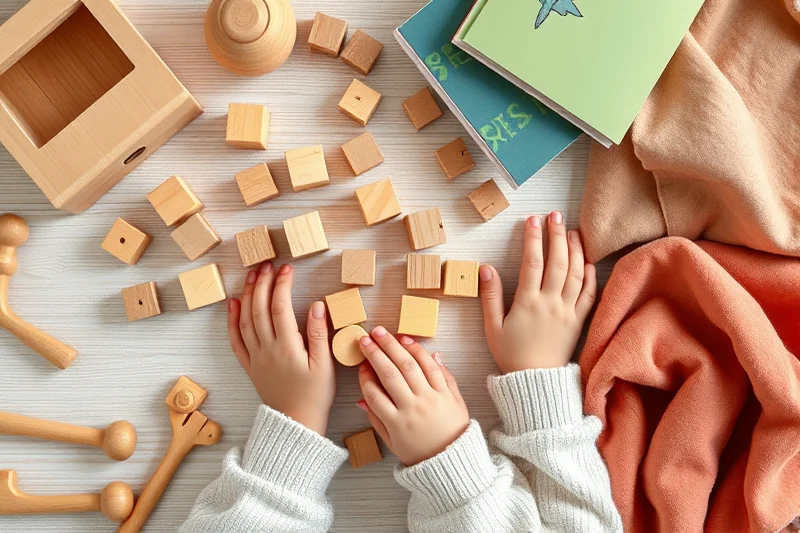
One of the best things about sensory play is that it doesn’t have to be expensive. I’ve found that many of the materials you can use for sensory play are already in your home. Things like rice, pasta, beans, and even coffee grounds can all be turned into fun sensory experiences for your child.
I’ve also learned that you can find many of the materials you need for sensory play at a low cost. For example, I’ve used leftover fabric scraps from sewing projects, buttons from old clothes, and even small pieces of wood from craft projects to create sensory bins. These materials are not only affordable, but they also help reduce waste by giving new life to old materials.
One of the most cost-effective ways to create a sensory play experience is to use natural materials like sand, water, and dirt. These materials are often free and can be found in your backyard or local park. I’ve taken my son to the park and let him collect rocks, leaves, and sand to create his own sensory bins. It’s a fun way to spend time together and it also helps teach him about nature and the environment.
The Benefits of Involving Your Child in the Process
I’ve noticed that when I let my son help me prepare the sensory bins or clean up after the play session, he becomes more invested in the activity. This not only helps build his confidence, but it also teaches him important life skills like responsibility and independence.
Involving your child in the process of creating the sensory play experience also helps them learn new skills. For example, when I let my son help me mix together colored water and dish soap, he was learning about mixing colors and how different ingredients can create new textures. It was a fun way for him to learn and explore, and it also helped build his problem-solving skills.
Another benefit of involving your child in the process is that it helps create a stronger bond between you and your child. When you work together on a sensory play activity, you’re not just having fun—you’re creating a shared experience that can be remembered for years to come. I’ve found that these moments of collaboration are some of the most valuable ones I’ve had with my son.
⭐ Classic
Use rice and dried beans for a simple, classic sensory play experience.
💰 Budget
Use leftover materials from around the house to create a low-cost sensory play bin.
⚡ Extra-Fast
Use pre-made sensory play kits to save time and effort.
✨ Depth
Add different textures and materials to create a multi-sensory play experience.
🥗 Light
Use natural materials like sand and water for a light, refreshing sensory play experience.
| The mistake | Why it happens | The fix |
|---|---|---|
| Using materials that are not safe for your child to touch. | Using unsafe materials can put your child at risk of injury or illness. It’s important to choose materials that are safe and non-toxic for your child to explore. | Always use materials that are safe and non-toxic for your child to touch. Avoid using small objects that could be a choking hazard or materials that could be harmful if ingested. |
| Not cleaning up after the sensory play session. | Not cleaning up after the sensory play session can create a mess and make it difficult for your child to engage in the activity the next time. | Always make sure to clean up after the sensory play session. This helps maintain a clean and organized space and makes it easier for your child to engage in the activity the next time. |
| Using too much of one material. | Using too much of one material can make the sensory play experience less engaging and less interesting for your child. | Try to use a variety of materials to create a more engaging and interesting sensory play experience. This helps keep your child interested and makes the activity more enjoyable for them. |
| Not involving your child in the process. | Not involving your child in the process can make the activity feel more like a chore than a fun experience for them. | Try to involve your child in the process of creating and cleaning up the sensory play experience. This helps them feel more invested in the activity and makes it more enjoyable for them. |
What You'll Need tap to check off
- 1 lb Rice
- ½ cup Dried beans
- Plastic containers or bins (optional)
Method tap a step when done
- Gather all the materials you’ll need for the sensory play bin, such as rice, dried beans, and plastic containers or bins.
- Pour the rice into one of the plastic containers or bins.
- Add the dried beans to the same container or into a separate one if you want to create different sensory experiences.
- Mix the rice and beans together in the container to create a fun, textured sensory bin.
- Allow your child to explore the sensory bin by touching, scooping, and pouring the materials.
- Clean up the sensory bin by pouring the materials back into their original containers or by using a vacuum to remove the materials.
Key Facts
Small Sensory Play Recipes
Common Questions
What are the best materials to use for sensory play?
How can I make sensory play more engaging for my child?
What are the benefits of sensory play for my child’s development?
How often should I do sensory play with my child?
References
- PDF Sensory Exploration handouts - Pennsylvania State University (bkc-od-media.vmhost.psu.edu)
- Fecal Smearing: Ideas and Strategies - Vermont Continence Project (cdci.w3.uvm.edu)
- PDF Lemon Scented Rice Sensory - Cal Poly Pomona (cpp.edu)
- PDF BREAD COMES TO LIFE - University of Georgia College of Family and ... (fcs.uga.edu)
- PDF RECIPE 40: Family Fun and Learning at Home - fdp.unm.edu (fdp.unm.edu)
Cite this guide
TinyRomp (2026). Small Sensory Play Recipes. https://tinyromp.com/small-sensory-play-recipes/
Feel free to cite or share this guide.