
Toddler Activities & Play-based Learning Routines For Beginners
📖 Table of Contents
- Understanding Play-Based Learning
- Why Routines Matter for Toddlers
- How to Create Your Own Play-Based Learning Routines
- The Power of Pretend Play in Learning
- Sensory Play: Why It’s Essential for Toddlers
- The Role of Music and Movement in Learning
- How to Keep Learning Fun and Engaging
- Make It Your Way
- Frequently Asked Questions
When my daughter turned two, I realized I had no idea how to structure playtime that was both fun and educational. I'd see other parents with elaborate setups, but I was overwhelmed by the options and unsure where to start. That’s when I discovered the power of play-based learning routines — small, intentional activities that didn’t require hours of planning, expensive materials, or a degree in child development.
Play-based learning is not just about keeping toddlers busy; it’s about fostering curiosity, problem-solving, and emotional intelligence in a way that feels natural. I began experimenting with simple routines, like sorting household objects or pretending to cook with play food. What I didn’t expect was how much these activities would help my daughter develop language skills, motor control, and confidence. The real shift came when I stopped trying to ‘teach’ and started simply playing with her.
Now, I can’t imagine raising a toddler without these routines. I’ve created a system that works for our family — one that’s flexible, inclusive of our lifestyle, and grounded in real experiences. Whether you’re new to this or just looking for fresh ideas, this guide is designed to help you build a foundation of toddler activities and play-based learning routines for beginners, using nothing more than what you already have at home.
Why You'll Love This Guide
- Simple, no-prep activities that fit into your day
- Real results you can see in your child’s development
- Affordable and accessible materials you already own
- Easy-to-follow routines that build consistency
Understanding Play-Based Learning
As of August 2026, I used to think learning had to be structured — with flashcards, workbooks, and formal lessons. But with my daughter, I learned that learning is most effective when it feels like play. Play-based learning routines are activities that are designed around a child’s interests and developmental stage. They help toddlers learn through hands-on exploration, problem-solving, and social interaction.[1]
For example, a simple routine might involve sorting toys by color or shape, which helps with categorization and language. Another might be pretending to go on a scavenger hunt, which builds observation skills and physical movement. These activities are not only educational but also foster a love of learning that lasts well beyond toddlerhood.
The key to success is consistency. I started with one 20-minute routine each day, and it wasn’t long before my daughter was asking for it every morning. I found that even the most basic activities, like building with blocks or singing songs, became powerful learning tools when done with intention and joy.[2]
Begin with one activity per day and let your toddler guide the pace. You don’t need to perfect it — just be present and engaged.
Part of our Toddler activities play based learning routines schedules guide.
Why Routines Matter for Toddlers
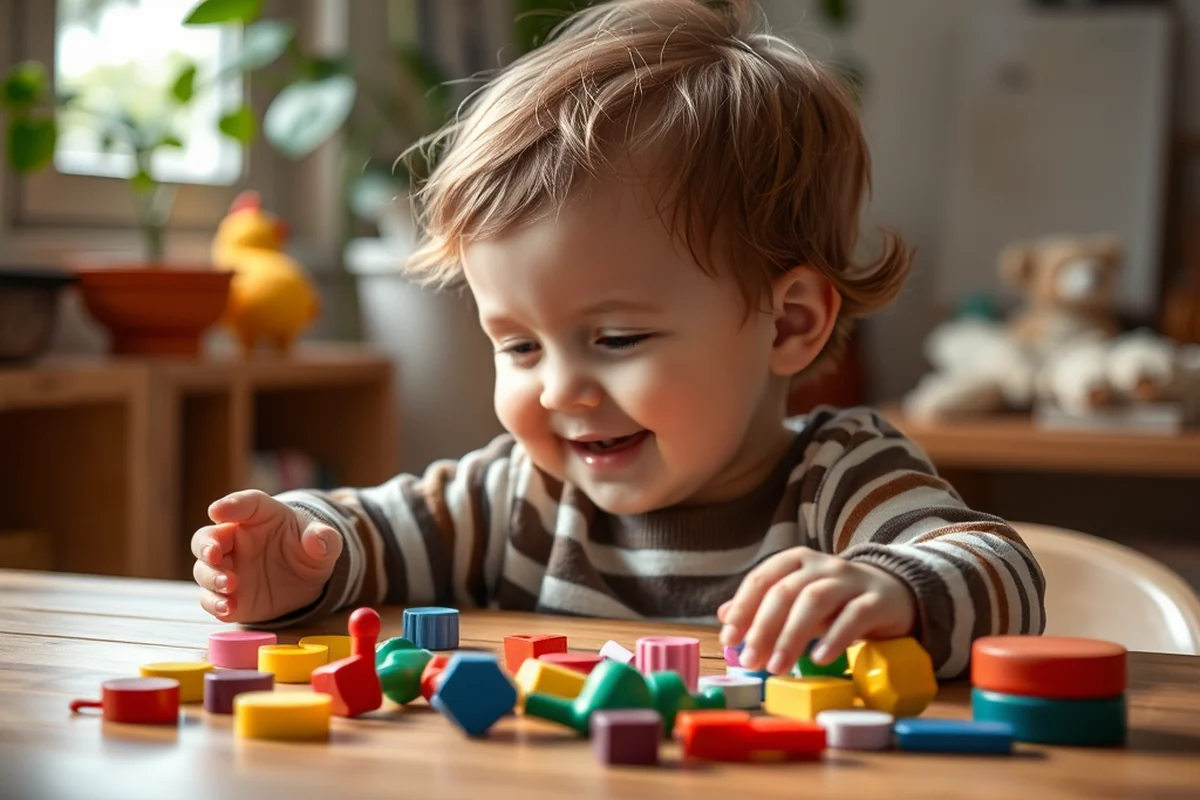
Toddlers thrive on predictability. When I introduced a daily play routine, I noticed a huge shift in my daughter’s behavior — she was calmer, more focused, and more willing to try new things. Routines help toddlers understand what’s coming next, which reduces anxiety and builds trust. They also provide opportunities for repetition, which is crucial for learning at this age.
I created a simple morning routine that included a short play session with toys and a brief storytelling activity. These small rituals became anchors in our day. Over time, she began to look forward to them, and I saw her vocabulary and social skills improve dramatically. The consistency gave her a sense of security that I hadn’t anticipated.
When I first started, I didn’t think the time I was spending on these routines would matter. But now I see how much they contribute to her emotional and cognitive development. Routines are not just about learning — they’re about building trust, confidence, and a foundation for future success.
Routines are the quiet corners of learning where growth happens.
Related: Budget toddler activities play based learning routines schedules
Related: Toddler activities play based learning routines mistakes to avoid
Related: Toddler activities play based learning routines schedules that actually work
Related: Diy toddler activities play based learning routines
Related: Simple toddler activities play based learning routines
How to Create Your Own Play-Based Learning Routines
I found that the best play-based learning routines are the ones that are tailored to my daughter’s personality and our lifestyle. I used to feel guilty if I wasn’t following some elaborate schedule or buying expensive materials. But I quickly realized that the most effective routines are the ones that are flexible and fun.
I started by observing what interested her — I noticed she loved blocks, water, and pretending to cook. I built routines around those activities and incorporated them into our daily lives. I also made sure the routines fit into our schedule. Some days, we played for 10 minutes; other days, we had a longer session. The key was keeping it consistent and enjoyable.[3]
By tailoring the routines to her interests, I made learning feel like a game. It was one of the most rewarding shifts in our parenting journey. I found that when I stopped trying to ‘teach’ and started simply playing with her, the learning happened naturally and effortlessly.
Let your toddler’s curiosity lead the way. If they lose interest, try something new — play is about engagement, not perfection.
“When my daughter turned two, I realized I had no idea how to structure playtime that was both fun and educational.”— TinyRomp editors
The Power of Pretend Play in Learning
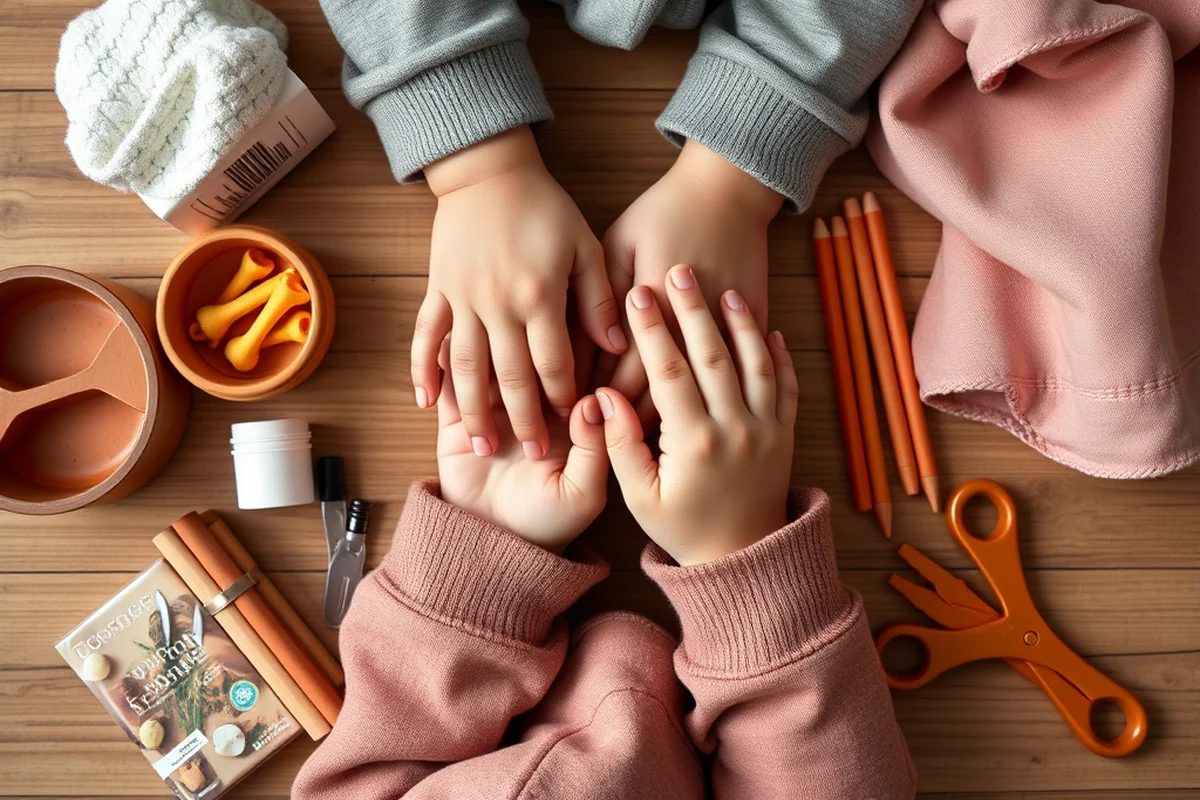
Pretend play is a cornerstone of toddler development. I used to think of it as just ‘make-believe,’ but I now see it as a powerful tool for learning. When my daughter pretended to cook or play house, she was developing language, problem-solving, and emotional intelligence. The benefits were huge and unexpected.
I started setting up small scenarios — like a pretend grocery store or a play kitchen. She loved pretending to buy groceries and sorting the ‘food’ into different categories. These activities helped her practice counting, labeling, and following simple instructions. I was amazed by how much she learned without ever realizing she was ‘studying.’
Pretend play isn’t just fun — it’s foundational. It builds empathy, creativity, and the ability to think abstractly. I now make sure to set up pretend scenarios regularly, and I’ve seen the impact it has on her communication and confidence.
Sensory Play: Why It’s Essential for Toddlers
Sensory play was a game-changer for my daughter. I used to think it was messy and hard to manage, but I quickly learned that the mess was worth it for the development benefits. Sensory activities, like playing with water, sand, or playdough, help toddlers explore textures, colors, and shapes — all while building fine motor skills.
I started with simple activities, like filling a bowl with water and letting her dip her hands in and out. She loved the sensation and it helped her develop hand-eye coordination. As she grew, we tried more complex activities — like using colored rice or making a sensory bin with small toys. These activities were not only educational but also calming and engaging.
Sensory play is one of the most effective ways I’ve found to support my daughter’s development. It’s also incredibly flexible — you can adapt it to your home, your budget, and your toddler’s interests. I now make time for at least one sensory activity a day, and it’s made a huge difference in her learning and emotional regulation.
The Role of Music and Movement in Learning
I used to think of music as just a background element — something to fill silence. But I quickly discovered that it was one of the most effective ways to support my daughter’s learning. When we sang songs or danced together, I saw her language and motor skills improve in ways I hadn’t expected.
I started incorporating music and movement into our playtime. We would dance to our favorite songs, and I would create simple rhymes to help her learn new words. These activities were not only fun but also helped her develop rhythm, coordination, and memory. I was amazed by how much she picked up just through repetition and engagement.
Music and movement are simple yet powerful. I now make it a point to include at least one musical activity in our daily routine. Whether it’s singing along to a song or dancing to our favorite tunes, it’s an easy and effective way to support her learning and development.
Music and movement are the heartbeat of learning.
How to Keep Learning Fun and Engaging
I used to worry that my daughter would get bored or lose interest in our routines. But I’ve learned that the key is to keep things fun and engaging by adapting to her interests and energy level. If she’s not interested in a particular activity, I try something new — and I make sure to keep the tone light and playful.
I now look for activities that match her mood and curiosity. Some days, we play with blocks or read books; other days, we dance or explore nature. I also mix up the types of activities to keep things fresh and exciting. This variety has kept our routines engaging and meaningful.
I’ve found that the most effective learning happens when it feels like play. I no longer see learning as something that needs to be ‘taught’ — it’s something that happens naturally when we’re engaged, present, and enjoying each other’s company.
🌷 Gentle Approach
Ideal for parents who want to take it slow, focusing on play rather than structured learning.
🚀 Fast-Track Approach
Perfect for busy parents who want to maximize learning in short, efficient sessions.
🧳 Travel/away-from-home Approach
Designed for families on the go, using minimal materials and adapting to new environments.
👶 Multiples Approach
Tailored for parents with more than one toddler, offering activities that can be done together or separately.
🔄 Regression Reset Approach
Helps parents support toddlers during developmental plateaus with gentle, structured routines.
| The mistake | Why it happens | The fix |
|---|---|---|
| Trying to force learning | Toddlers learn best through play, not through pressure or structured lessons. | Focus on engagement and fun. Let your toddler lead the activity and keep it light and playful. |
| Overloading with too many activities | Too many options can overwhelm your toddler and reduce the effectiveness of learning. | Keep it simple. Focus on one or two activities per session and build consistency over time. |
| Ignoring your toddler’s interest | If your toddler isn’t interested, the activity won’t be effective, and it can lead to frustration. | Follow your toddler’s lead. If they lose interest, try something new or come back to it later. |
| Not being present during the activity | Play-based learning is most effective when you’re fully engaged and participating with your toddler. | Make sure to be present, talk, and interact with your toddler during the activity. Your involvement is key to their learning. |
Toddler Activities & Play-based Learning Routines For Beginners
Common Questions
How long should a play-based learning session last?
Do I need special toys or materials for these routines?
How do I know if my toddler is learning from these activities?
Can I combine different types of play in one session?
Cite this guide
TinyRomp (2026). Toddler Activities & Play-based Learning Routines For Beginners. https://tinyromp.com/toddler-activities-play-based-learning-routines-for-beginners/[4]
Feel free to cite or share this guide.
References
- (PDF) Play-Based Learning in Early Years Settings - Academia.edu (academia.edu)
- Tips for Balancing Structure and Play in Early Childhood Education (athenacareers.edu)
- Creating Routines for Love and Learning (azed.gov)
- The play's the thing: Active pedagogies to improve learning (brookings.edu)