
Budget Toddler Activities & Play-based Learning Budget
📖 Table of Contents
When my son turned two, I was determined to keep him engaged and learning without spending a fortune. I found myself scouring the internet for ideas, only to be overwhelmed by expensive educational programs and toy-filled playrooms that felt more like a financial burden than a joyful space for discovery. But then, I remembered the power of simple, everyday objects and the magic of play-based learning. It wasn’t about buying the latest gadgets — it was about using what we had and being present.
Over the next few weeks, I started transforming our home into a learning laboratory. We turned cardboard boxes into forts, used paper plates for sorting games, and filled our kitchen with sensory bins made from items we already had. The shift was incredible — my son was more curious, more engaged, and more happy. What I didn’t expect was how much this approach would stretch our budget while still offering a rich, meaningful early learning experience.
Through this journey, I discovered that budget toddler activities and a play-based learning budget aren’t just about saving money — they’re about making learning accessible, creative, and deeply personal. It’s about finding joy in the ordinary, and in doing so, fostering a lifelong love of learning in our children.
Why You'll Love This Budget Toddler Approach
- You’ll save hundreds of dollars on expensive toys and educational programs.
- Your toddler will develop critical skills through hands-on, play-based learning.
- You’ll find joy and creativity in everyday objects and simple activities.
- You’ll create a personalized learning environment that adapts to your family's needs.
Why Play-Based Learning Works for Toddlers
As of September 2026, at two years old, toddlers are constantly exploring the world around them. Play-based learning takes advantage of this by turning everyday activities into learning opportunities. Whether it’s stacking blocks or sorting items by color, these games help develop fine motor skills, language, and problem-solving abilities.
I noticed a huge difference in my son’s attention span and engagement when I replaced screen time with hands-on activities. We started with sorting buttons by size, which helped him develop early classification skills, and he didn’t even realize he was learning.
According to a 2022 study by the American Academy of Pediatrics, play-based learning supports cognitive, social, and emotional development in young children. It’s not just fun — it’s foundational.[1]
Look around your home. Paper clips, buttons, and even old toys can be transformed into learning tools. You don’t need to buy anything new.
The Power of Sensory Play on a Budget
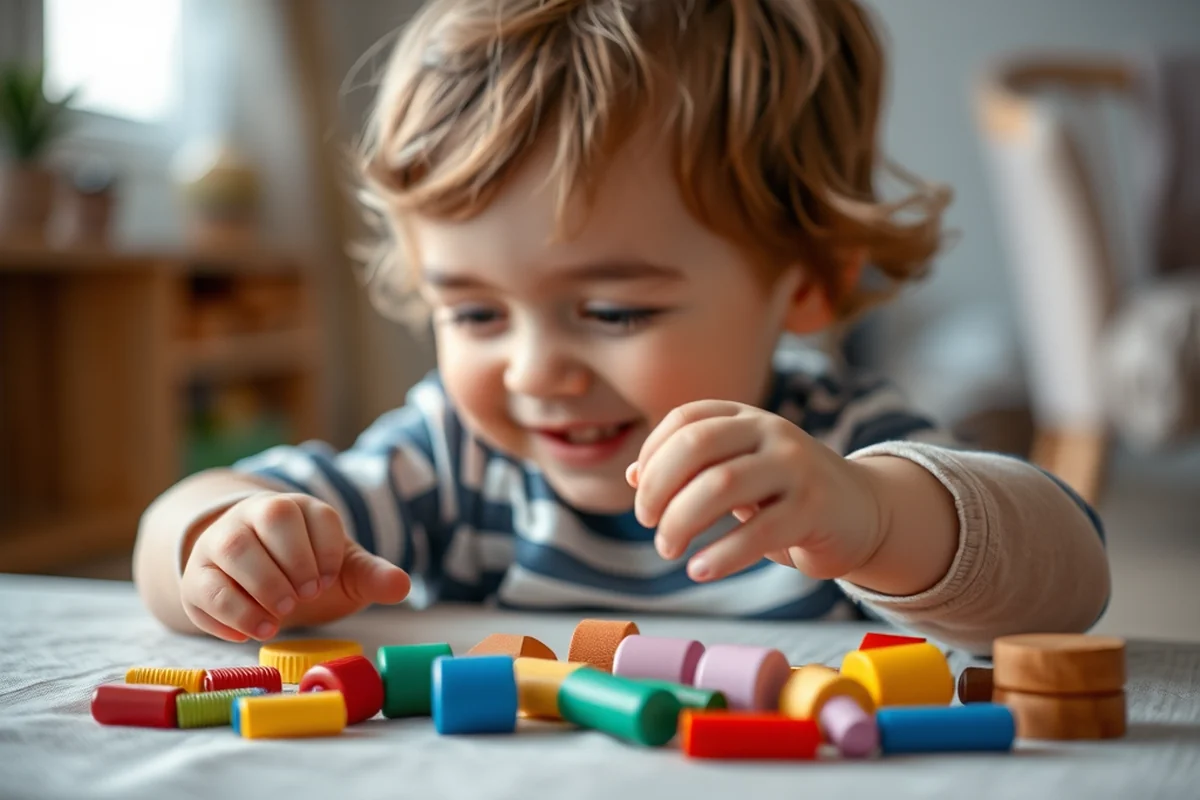
Sensory bins are a great way to engage your toddler’s senses and promote exploration. Instead of buying commercial sensory kits, I used a large plastic container and filled it with rice, which we later used for pouring and counting activities.
We also made a tactile bin with fabric scraps, buttons, and small toys. My son loved running his hands through the different textures, and it helped him develop hand-eye coordination and sensory processing skills.
The best part? After a few weeks, we turned the rice bin into a counting station and later used it for a simple math game. It was a win for both learning and creativity.
Sensory play isn’t just about fun — it’s about building the brain.
Related: Toddler activities play based learning budget tips
How to Create a Learning Space with Minimal Cost
I dedicated a small area of our living room as a learning corner. We used a cardboard box for a sorting station, a blanket as a cozy reading nook, and old picture frames for a letter recognition activity.
The most expensive thing we bought was a small rug for comfort, and even that was second-hand. The rest came from our pantry, garage, and recycling bin. It was a revelation — learning didn’t have to be expensive.
The key was to use what we had and be intentional with our space. We rotated the activities every few weeks to keep things fresh and engaging for my son.
Keep your toddler’s learning environment dynamic by rotating activities every 2-3 weeks. This keeps the experience fresh and prevents boredom.
“When my son turned two, I was determined to keep him engaged and learning without spending a fortune.”— TinyRomp editors
Related: Toddler activities play based learning budget ideas for small spaces
Low-Cost Math and Literacy Activities
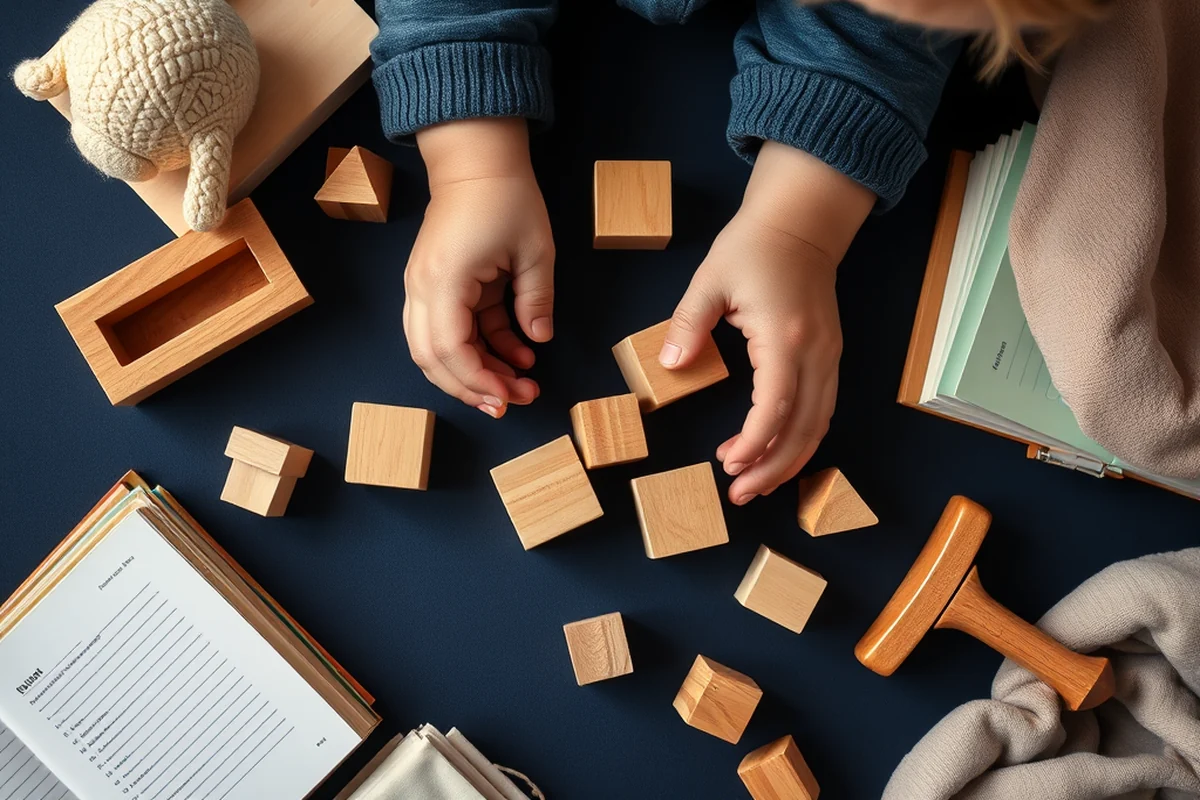
I found that using items like blocks, buttons, and even food items (like cereal) helped teach counting and sorting. We used small cereal pieces to count out loud and practice number recognition.
For literacy, we made a letter matching game using cardboard and magnets from old fridge magnets. My son loved matching the letters to the corresponding pictures I cut out from magazines.
These activities were not only affordable but also helped us bond as a family. We turned learning into a fun, shared experience instead of a chore.
Related: Toddler activities play based learning budget ideas mistakes to avoid
How to Stay Motivated and Consistent
I started by setting aside 20 minutes a day for focused play time. It wasn’t about doing something elaborate — it was about being present and engaging with my son in a structured way. ($320,920, files.eric.ed.gov)[2]
I also used a small planner to keep track of activities and rotate them every couple of weeks. This helped me stay organized and ensured that our learning didn’t become repetitive.
The most important thing was to be flexible. Some days, we only managed 10 minutes of focused play, and that was okay. Consistency mattered more than perfection.
🧶 Gentle Approach
A slow, intentional style that prioritizes emotional safety and exploration over structured learning goals.
⚡ Fast-Track Method
A quick, efficient system that integrates learning into daily routines without extra time or effort.
🧳 Travel/Portable Style
Lightweight, easy-to-transport activities that keep learning going on the go — perfect for trips and outings.
👯 Multiple Kids Approach
Activities that can be adapted for twins or siblings, encouraging shared learning and play.
🔄 Regression Reset
A method to re-engage toddlers who have become disinterested or unresponsive to learning activities.
| The mistake | Why it happens | The fix |
|---|---|---|
| Using too many new items at once | This can overwhelm your toddler and make the learning environment feel chaotic and unstructured. | Start with a few simple, familiar items and gradually introduce new ones as your toddler becomes comfortable with the routine. |
| Skipping the rotation of activities | Repetition can lead to disinterest and a lack of engagement from your toddler. | Rotate activities every 2-3 weeks to maintain novelty and keep your toddler engaged. |
| Trying to do everything at once | This can lead to burnout for both you and your toddler, and the learning experience may feel rushed or unenjoyable. | Focus on a few key areas, like sensory play or literacy, and build from there with patience and consistency. |
| Forgetting to be present during activities | Learning through play is most effective when it’s done with your full attention and participation. | Make time to be fully engaged with your toddler during each activity. Even a few minutes of focused attention can make a huge difference. |
Related: Quick toddler activities play based learning budget
Budget Toddler Activities & Play-based Learning Budget
Related: Affordable playground equipment
DIY Nature Exploration Kits for Under $10
I’ve spent countless hours with my toddler exploring the natural world, and the best part is that you don’t need a budget to do it. All you need is a small container, a magnifying glass (I got mine for $2 at a dollar store), and a bag for collecting leaves, pebbles, or sticks. I take my toddler to our local park twice a week and spend 30 minutes gathering items. We use these to create a 'nature table' at home, which we set up on our kitchen counter for the whole family to enjoy. This has become a favorite routine that costs less than $5 per week.
When my toddler was 2 years old, I made a simple kit with a bucket, a small trowel, and a plastic sieve (all from a thrift store for $3 total). We filled it with sand from our backyard and spent hours digging and sifting. This activity not only kept my toddler entertained but also helped develop fine motor skills and hand-eye coordination. I’ve noticed a marked improvement in her ability to use utensils and manipulate small objects, all without spending a dime on educational toys.
To keep the exploration fresh, I rotate the items in our nature kit every few days. Last week, we used a magnifying glass to look at ladybugs and spiders, and the week before that, we played with pinecones and acorns. This approach has kept my toddler engaged for over six months, and I’ve invested less than $20 total. It’s a small expense that has provided hours of learning and joy.
Upcycling Old Clothes into Play Resources
I have a drawer full of old t-shirts and socks that my toddler uses for play every day. One of my favorite projects was turning an old t-shirt into a ‘sensory bag’ by filling it with rice, beans, or dried pasta. I sewed it shut with a needle and thread (I used a sewing kit I bought for $8 at a secondhand store), and now my toddler loves squeezing and squishing it. This simple activity has kept her entertained for hours, and the cost was minimal compared to buying commercial sensory toys.
Another project involved turning old socks into ‘pillow animals’ by stuffing them with old rags and sewing them shut. I made a few different animals, like a cat, a dog, and a bear, and my toddler loves playing with them. I’ve noticed that she’s been more interested in interacting with these handmade toys than with the plastic ones we have. It’s amazing how much joy can come from repurposing items that would otherwise be thrown away.
I’ve also used old t-shirts to make ‘paint smocks’ for our messy art days. I cut the shirts into rectangles and tied them around my toddler’s waist with a ribbon. This simple idea has saved me from buying expensive smocks and allowed us to experiment with washable paints without worrying about ruining our clothes. We’ve used this method for over a year now, and the only cost was the initial purchase of the t-shirts. It’s a small investment with a huge return in terms of creativity and learning.
Common Questions
How can I keep my toddler engaged with budget activities for long periods?
What if I don’t have a lot of space for learning activities?
Can I still teach my toddler math and reading on a budget?
How do I know if my toddler is learning enough through play-based activities?
References
- Guidance from - Council on Children and Families (ccf.ny.gov)
- Portrayals of Play-Based Learning Misalignments among Public ... (files.eric.ed.gov)
Cite this guide
TinyRomp (2026). Budget Toddler Activities & Play-based Learning Budget. https://tinyromp.com/budget-toddler-activities-play-based-learning-budget/
Feel free to cite or share this guide.