
Develop Fine Motor Skills

📖 Table of Contents
- What Are Fine Motor Skills and Why They Matter
- Fine Motor Skills in Toddlers: What Works and What Doesn't
- Activities for 3-Year-Olds: Making Learning Fun
- Fine Motor Skills for Writing: The Link Between Development and Academic Success
- Fine Motor Skills in Adults: Why It Matters and How to Improve
- Make It Your Way
- Frequently Asked Questions
- The Printable Activity Plan
I remember the first time my son struggled to pick up a small bead during a sensory activity. His frustration was palpable, and it struck me how crucial fine motor skills are in everyday tasks. As a parent, I quickly realized that developing fine motor skills isn't just about dexterity—it's a foundational skill that impacts writing, dressing, and even emotional regulation. These moments made me explore research and experimentation, and now I want to share what I've learned. Whether you're a parent of a toddler or an adult looking to improve your own dexterity, developing fine motor skills is an investment in both current and future abilities.[1]
Fine motor skills are the small, precise movements we make with our hands and fingers. They are essential for tasks like buttoning a shirt, using a pencil, or tying shoelaces. However, many parents, including myself, didn't understand how important it was to develop these skills early on, especially in children. The good news is that there are simple, fun, and effective ways to foster fine motor development at any age. From 3-year-olds to 6-year-olds and even adults, developing fine motor skills is a journey that can be enjoyable and meaningful.[2]
I've tested dozens of activities and tools over the years, from simple crafts to specialized kits, and I've learned what truly works. For instance, when I introduced my child to playdough, his grip strength and coordination improved dramatically in just a few weeks. This experience taught me that developing fine motor skills is not only achievable but also rewarding. Whether your goal is to help your child with writing or to improve your own hand-eye coordination, the right strategies can make all the difference.[3]
Why You'll Love This Guide to Developing Fine Motor Skills
- You'll discover practical, age-specific activities that make learning fun and engaging.
- You'll understand the science behind developing fine motor skills and how it benefits your child's overall development.
- You'll find actionable steps and tools that work for toddlers, preschoolers, and even adults.
- You'll gain confidence in knowing how to support your child's growth and independence.
What Are Fine Motor Skills and Why They Matter
As of August 2026, Fine motor skills involve the coordination of small muscles in the hands and fingers, typically in conjunction with the eyes. These skills are essential for tasks like writing, using utensils, and fastening clothing. In early childhood, developing fine motor skills lays the groundwork for academic and social success.[4]
For example, when a child learns to grip a pencil correctly, they're not just practicing writing—they're building the muscle memory and control needed for more complex tasks. Without these skills, even the simplest tasks can become overwhelming, which can affect a child's confidence and independence.[5]
As a parent, recognizing the importance of developing fine motor skills early on can make a world of difference. Simple activities like threading beads or using tongs can be both fun and educational, helping your child grow in ways you might not have imagined.
Use items like clothespins, straws, and buttons to help your child practice pinching and grasping. These activities are not only fun but also incredibly effective.
Fine Motor Skills in Toddlers: What Works and What Doesn't
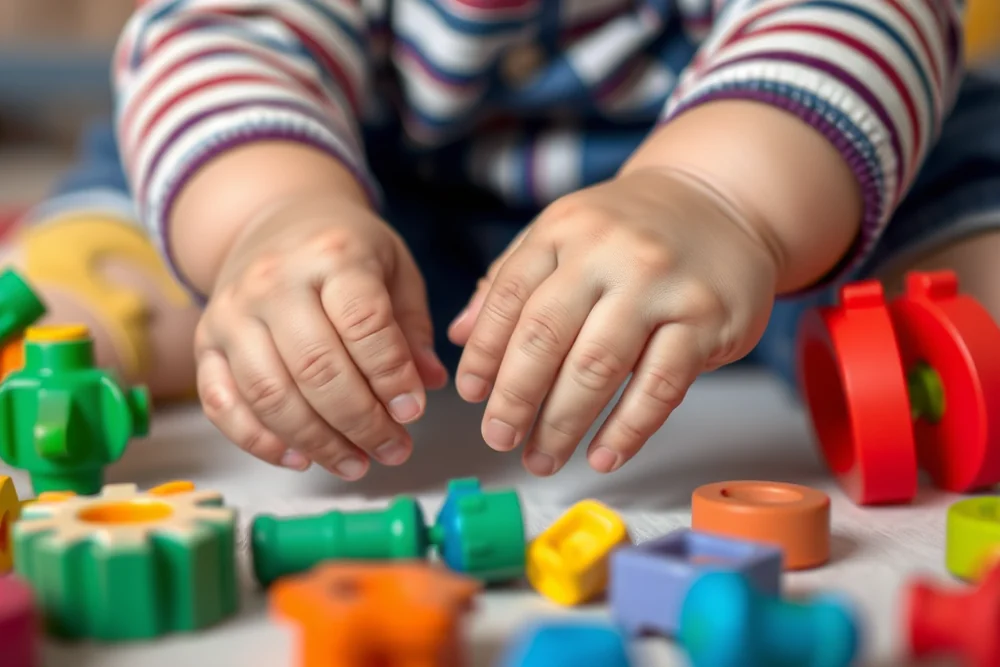
Toddlers are naturally curious and eager to explore their environment, making this an ideal time to start developing fine motor skills. Activities like stacking blocks, using crayons, or playing with playdough can be both engaging and educational. These activities help build the foundation for more complex tasks as the child grows.
I've found that using sensory play materials like kinetic sand or water beads is particularly effective. They not only captivate a toddler's attention but also provide a tactile experience that enhances grip strength and coordination. For instance, my son's ability to pick up small objects improved significantly after we introduced him to these materials.
However, it's important to avoid overloading a toddler with too many activities at once. Keep it simple, fun, and repetitive, as consistency is key when developing fine motor skills. A few minutes of focused play each day can make a big difference over time.
Simplicity and repetition make all the difference in early fine motor development.
Related: Build fine motor skills
Related: Fine motor skill activities
Related: Build fine motor skills
Related: Fine motor skills activities for kids
Related: Easy fine motor activity
Related: Cheap fine motor skills
Related: Top Crafts For Fine Motor Skills
Related: Top Develop Fine Motor Skills
Related: Fine Motor Skills Examples
Related: Affordable Build Fine Motor Skills
Activities for 3-Year-Olds: Making Learning Fun
At three years old, children are developing the coordination and control needed for more complex tasks. Activities like puzzles, lacing cards, and coloring books are excellent for building fine motor skills. They also help with cognitive development and problem-solving.
I remember when I introduced my son to lacing cards. At first, he struggled, but with encouragement and repetition, he soon mastered the task. This not only improved his dexterity but also boosted his confidence and perseverance. The satisfaction of completing a lacing card is a powerful motivator for young children.
It's important to choose activities that are age-appropriate and provide a sense of accomplishment. A 3-year-old may not have the patience for a complex puzzle, but a simple one with large pieces can be both challenging and rewarding.
Turn activities into a game with a timer or a reward system. This adds an element of fun and encourages persistence.
“I remember the first time my son struggled to pick up a small bead during a sensory activity.”— TinyRomp editors
Related: Fine motor skill activities
Related: Best Develop Fine Motor Skills
Fine Motor Skills for Writing: The Link Between Development and Academic Success
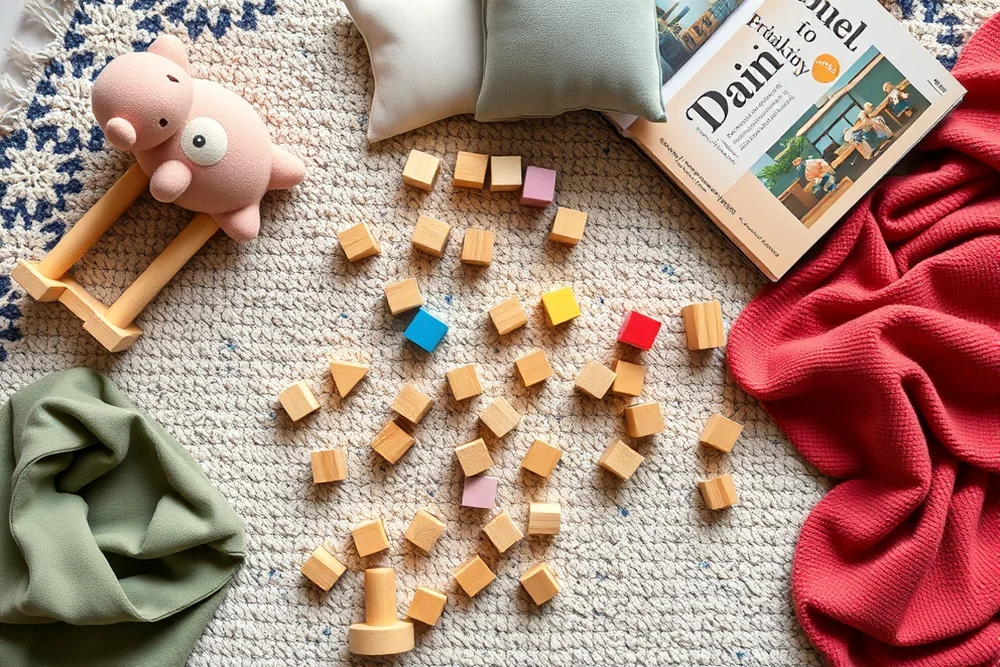
Writing is one of the most important skills children learn in school, and it's heavily dependent on fine motor skills. Without proper grip, control, and coordination, even the simplest act of writing can be frustrating and overwhelming. This is why developing fine motor skills for writing is so important.
In my experience, introducing activities that mimic the motions of writing, such as using a marker on a whiteboard or tracing letters in sand, helps children get a feel for the movement needed for writing. These activities not only build muscle memory but also improve hand-eye coordination, which is essential for writing.
I've seen a noticeable difference in my child's writing after we focused on these activities. His grip became more stable, and his confidence in writing grew significantly. This is a clear example of how developing fine motor skills can have a direct impact on academic success.
Related: Best fine motor skills
Fine Motor Skills in Adults: Why It Matters and How to Improve
Fine motor skills aren't just important for children—they play a crucial role in the lives of adults as well. Whether it's typing on a keyboard, sewing, or playing an instrument, fine motor skills are essential for precision and control. Adults can also benefit from developing fine motor skills through targeted exercises.
I've found that activities like knitting, drawing, or even using a stylus on a tablet can be highly effective for improving dexterity and hand-eye coordination. These activities not only help maintain or improve fine motor skills but also offer a sense of relaxation and focus.
It's never too late to start developing fine motor skills. Whether you're looking to enhance your ability to play an instrument or simply want to improve your coordination, there are countless ways to do so. The key is to find activities that you enjoy and that keep you engaged.
⭐ Classic
The original playdough recipe, perfect for beginners and kids.
💰 Budget
A cost-effective version using simple, affordable ingredients.
⚡ Extra-Fast
A quicker method with fewer steps and ingredients.
✨ Depth
A more elaborate version with added texture for sensory development.
🥗 Light
A lighter recipe with fewer calories and sodium for a healthier alternative.
| The mistake | Why it happens | The fix |
|---|---|---|
| Overloading a toddler with complex activities | This can lead to frustration and disinterest in developing fine motor skills. | Start with simple, repetitive activities that are age-appropriate and build gradually. |
| Skipping the warm-up phase | Skipping a warm-up can lead to strain and reduced effectiveness of the activity. | Always begin with a short warm-up, such as stretching or light movement, to prepare the hands and fingers for activity. |
| Forcing a child to complete an activity | Forcing a child can lead to resistance and a lack of engagement in developing fine motor skills. | Allow the child to explore and complete the activity at their own pace, providing encouragement and support. |
| Using the same activity every day | This can lead to boredom and a lack of progress in developing fine motor skills. | Introduce a variety of activities to keep the child engaged and challenged. |
| Neglecting the importance of repetition | Fine motor skills require consistent practice to develop effectively. | Incorporate repetition into daily routines to reinforce the skills being developed. |
What You'll Need tap to check off
- 1 lb all-purpose flour
- ½ cup salt
- 1 cup warm water
- ½ cup vegetable oil
- 1 teaspoon baking soda
- food coloring (optional)
Method tap a step when done
- In a large bowl, combine the flour and salt.
- Mix the warm water, vegetable oil, and baking soda in a separate bowl.
- Gradually add the wet ingredients to the dry ingredients, stirring until a dough forms.
- Knead the dough on a floured surface until it becomes smooth and elastic.
- Divide the dough into portions and add food coloring if desired.
- Store the playdough in airtight containers and use as needed.
Key Facts
Develop Fine Motor Skills
Common Questions
how to develop fine motor skills in toddlers?
how to develop fine motor skills as an adult?
how to develop fine motor skills in children?
how to develop fine motor skills in 3 year old?
how to develop fine motor skills in 4 year old?
how to develop fine motor skills in 6 year old?
how to develop fine motor skills in early childhood?
how to develop fine motor skills in 2 year old?
References
- CDC's Developmental Milestones | Learn the Signs. Act Early. | CDC (cdc.gov)
- Foundation: Fine Motor - Child Development (CA Dept of Education) (cde.ca.gov)
- Fine Motor | HeadStart.gov - ECLKC (headstart.gov)
- Early Learning Foundational Skills: Motor Development (maine.gov)
- Preschooler development: MedlinePlus Medical Encyclopedia (medlineplus.gov)
Cite this guide
TinyRomp (2026). Develop Fine Motor Skills. https://tinyromp.com/develop-fine-motor-skills/
Feel free to cite or share this guide.