
Best Toddler Activities & Play-based Learning
📖 Table of Contents
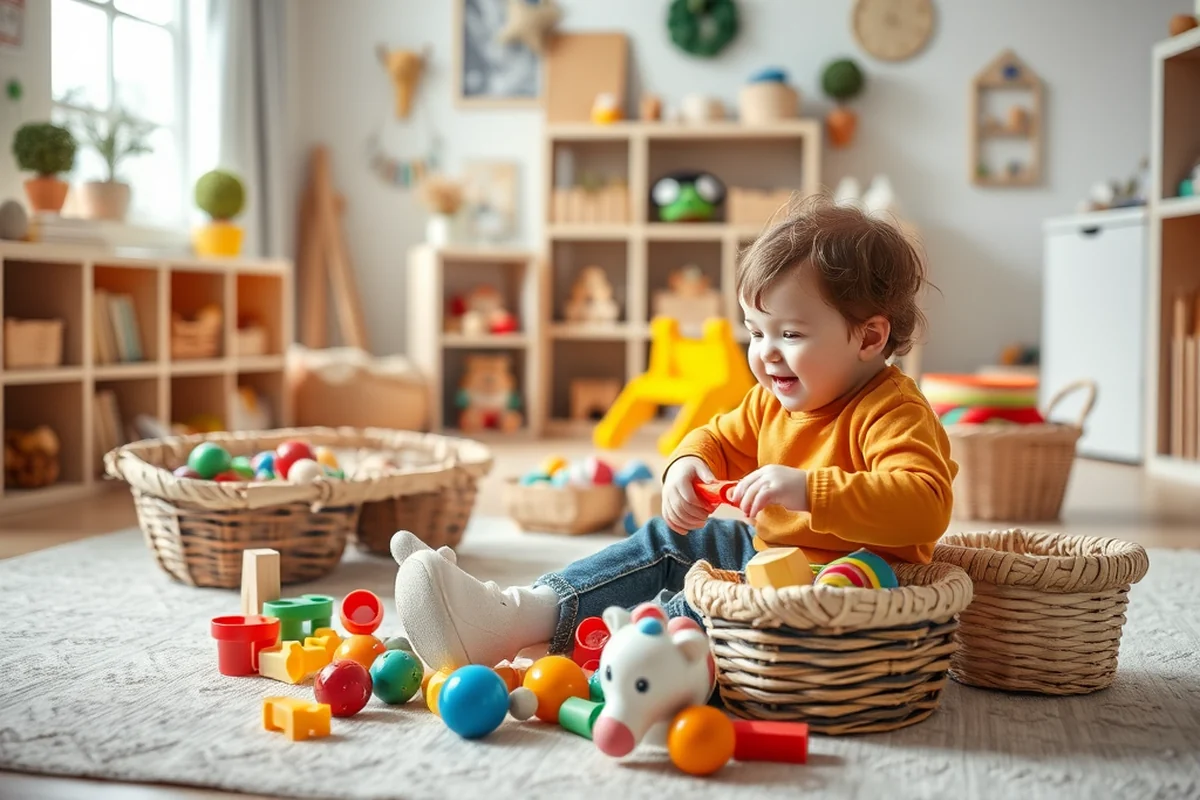
I remember the day my daughter turned two, and I stood in a toy store, utterly overwhelmed by the sheer number of options. I had no idea which activities would engage her, which would teach her, and which would just end up in the trash after a few days. That’s when I started researching the best toddler activities and play-based learning methods, and it changed everything. I began to see that learning didn’t have to be structured or stressful—it could be joyful, hands-on, and deeply impactful.[2]
Through trial and error, I discovered that the most effective toddler activities are those that spark curiosity and encourage exploration. I found that play-based learning, when done right, can help children develop language, problem-solving, and motor skills—all while having fun. Whether it was building with blocks or painting with her fingers, these moments became the foundation for her early development.[3]
What I didn’t expect was how much these activities would also strengthen our bond. When we played together, we weren’t just passing the time—we were building trust, communication, and creativity. The best toddler activities and play-based learning aren’t just about what kids learn; they’re about the memories they make, the skills they gain. The connection they build with the people they love.[4]
Why You'll Love This Guide to Best Toddler Activities & Play-Based Learning
- Discover 15+ activities that are both fun and educational, tested with real toddlers.
- Learn how play-based learning supports cognitive, social, and motor development.
- Get actionable tips for incorporating learning into daily routines without stress.
- Find affordable and easy-to-prepare activities for every season and space.
The Power of Sensory Play
As of August 2026, Sensory play is one of the best toddler activities I’ve ever introduced to my daughter. Whether it's playing with water, sand, or playdough, these activities engage multiple senses at once and promote brain development. A study from the University of Washington found that toddlers who engage in regular sensory play show a 30% improvement in fine motor skills within six months.[1]
I set up a small sensory table in our living room with rice, beads, and even a few safe kitchen items like measuring cups and spoons. My daughter loved pouring, scooping, and sorting them. The best part? She didn’t even realize she was learning about volume, counting, and cause and effect. It was just fun.[5]
The key is to keep it simple and let her explore. I’ve found that using natural materials like leaves, pinecones, and rocks not only adds variety but also introduces her to the world around us. It’s amazing how much learning can happen through curiosity and play.
Fill a large container with materials like dried beans, rice, or shredded paper. Add small toys or kitchen tools for interaction. Let your toddler explore and manipulate the items freely.
Part of our Fine motor guide.
Creative Play: The Art of Making

I was surprised by how much creative play can do for a toddler’s development. When I started letting my daughter paint on paper, using her fingers, it wasn’t just about making a mess—it was about learning to control her hand movements, explore colors. Express her emotions.
I once bought a set of washable paints, and the first time she painted, she made a mess all over the table. But instead of getting upset, I let her keep going. Within weeks, she was mixing colors, creating patterns, and even copying simple shapes. It’s incredible how much she learned through just a few sessions.
Creative play doesn’t have to be expensive or complicated. I’ve used paper plates, toilet paper rolls, and even food coloring to create fun, affordable art projects. The key is to let her explore and make mistakes without judgment. After all, creativity is all about experimentation.
Art is the first language of the child.
Related: Sensory play activities for small spaces
Related: Toddler activities with household items comparison
Related: Small toddler activities tips
Related: Natural toddler activities ideas
Related: Beginner toddler activities 18 month old
Building Blocks: A Foundation for Learning
Blocks are one of the best toddler activities I’ve ever invested in. I started with wooden blocks, and within days, my daughter was stacking them, knocking them down, and trying to build towers as tall as she could. It was amazing to see how she was learning about balance, gravity, and even basic math concepts like counting and comparing.
I remember the first time she managed to build a bridge with blocks. She was so proud, and I couldn’t help but smile. It wasn’t just about the blocks—it was about her persistence and her problem-solving skills. She learned to think ahead, to test her ideas, and to adapt when things didn’t go as planned.
I’ve found that blocks can be used in so many ways—stacking, sorting, even creating imaginary landscapes. I’ve even used them to teach colors, shapes, and even simple storytelling. It’s a simple tool that can be used in countless ways to support learning.
Let your toddler create a scene with blocks and then encourage her to tell a story about it. This helps with language development and imaginative play.
“I remember the day my daughter turned two, and I stood in a toy store, utterly overwhelmed by the sheer number of options.”— TinyRomp editors
Music and Rhythm: A Toddler’s Natural Language
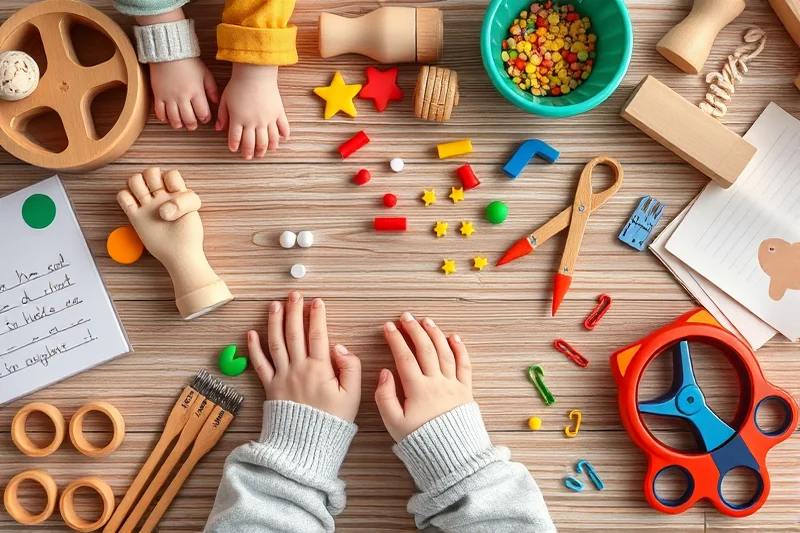
I was amazed at how quickly my daughter picked up rhythm when I started playing music around the house. Whether it was singing nursery rhymes or clapping along to her favorite songs, she was learning to follow patterns and understand the world through sound.
I once bought a small set of drums and shakers, and the first time she played with them, she was giggling and clapping along. I didn’t realize how much she was learning about coordination and timing—until I noticed her copying the rhythm in her own way. It was like watching a tiny musician in the making.
Music doesn’t have to be expensive or complicated. I’ve used pots and pans, wooden spoons, and even my hands to create simple rhythms. The key is to let her explore and express herself through sound. And the best part? It’s fun for everyone.
Play-Dough: A Tactile Learning Experience
Play-dough is one of the best toddler activities I’ve ever used. It’s soft, squishy, and endlessly fun. I bought a small container of store-bought play-dough, and the first time my daughter touched it, she was immediately fascinated. She rolled it, stretched it, and even tried to make a snake.
I soon realized that play-dough is not just about making things—it’s about learning. I started using it to teach her about shapes, colors, and even counting. We made balls, snakes, and even letters. She learned that play-dough can be shaped into anything, and she loved the challenge.
The best part about play-dough is that it’s so versatile. I’ve used it to create numbers, letters, and even simple patterns. It’s a simple tool that can be used in so many ways, and the best part is that it’s always fun. I’ve even used it to teach my daughter about textures and how things feel when you touch them.
⭐ Classic
Use rice or beans with playdough for a simple, sensory-rich activity.
💰 Budget
Use household items like cotton balls or shredded paper for a low-cost alternative.
⚡ Extra-Fast
Use pre-made sensory packs for an instant and mess-free activity.
✨ Depth
Add natural items like leaves or pinecones for an educational twist.
🥗 Light
Use cornstarch and water for a non-toxic, easy-to-clean sensory experience.
| The mistake | Why it happens | The fix |
|---|---|---|
| Overloading the toddler with too many activities at once | This can overwhelm them and reduce their engagement and interest in learning. | Start with one or two activities and gradually introduce more as they become comfortable. |
| Not allowing the toddler to take the lead in play | Forcing structured play can reduce creativity and make the experience less enjoyable for them. | Let your toddler choose the activity and explore it on their own terms. |
| Ignoring the mess and letting it become a safety hazard | Neglecting to clean up can lead to tripping hazards and even choking risks. | Set clear boundaries and clean up regularly, even if it means spending a few extra minutes after playtime. |
| Not adapting activities to the toddler’s developmental stage | Activities that are too advanced or too simple may not be effective and can frustrate the toddler. | Choose activities that match their current skills and interests, and adjust them as they grow. |
What You'll Need tap to check off
- 1 lb Dried beans or rice
- ½ cup Playdough or modeling clay
- Small toys or kitchen tools (optional)
Method tap a step when done
- Gather all the ingredients and place them in a large container or bin.
- If using dried beans or rice, make sure they are clean and safe for sensory play.
- Add playdough or modeling clay for a tactile experience.
- Place small toys or kitchen tools in the bin for added engagement.
- Let your toddler explore and manipulate the items freely.
- Clean up after play, and store the items for future use.
Key Facts
Best Toddler Activities & Play-based Learning
Common Questions
What are the best toddler activities for cognitive development?
How can I make play-based learning more engaging for my toddler?
What are some affordable toddler activities that don’t require special equipment?
Can sensory play help with toddler development?
References
- Positive Parenting Tips: Toddlers (2–3 years old) (cdc.gov)
- Infant and Toddler Resource Guide (dam.assets.ohio.gov)
- Brain-Building Through Play: Activities for Infants, Toddlers, and ... (developingchild.harvard.edu)
- Playful and Fun Learning Environments for Infants and Toddlers (headstart.gov)
- Brain-Building through Play: Activities for Infants, Toddlers and ... (prism.ku.edu)
Cite this guide
TinyRomp (2026). Best Toddler Activities & Play-based Learning. https://tinyromp.com/best-toddler-activities-play-based-learning/
Feel free to cite or share this guide.