
Toddler Activities & Play-based Learning Indoor Mistakes To Avoid
📖 Table of Contents
I remember the day my toddler, then 2 years old, turned my living room into a jungle gym of couch cushions, blankets, and mismatched blocks. It was both chaotic and beautiful — a snapshot of his boundless energy and curiosity. But that day also taught me a hard lesson: even the best-intentioned toddler activities can go awry if you don’t plan carefully. As a parent, I learned the hard way that play-based learning indoors is more than just letting kids ‘have fun’; it requires intention, structure. Awareness of common mistakes that can derail the whole experience.
After weeks of trial and error, I found that the key to effective indoor play-based learning lies in avoiding common pitfalls. I had tried everything from elaborate sensory bins to complicated STEM kits, only to watch my toddler lose interest within minutes. It wasn’t until I slowed down, simplified the setup, and focused on engaging activities that truly aligned with his developmental stage that I saw real progress. My biggest takeaway? The most successful toddler activities are not the ones with the most bells and whistles, but the ones that fit his abilities, interests, and attention span.
Now, I’m sharing what I learned — the mistakes I made, the ones I saw in other parents, and the strategies that truly worked. This is not a list of perfect ideas, but a roadmap of how to avoid the missteps that can turn a potentially enriching play session into a stressful, chaotic mess. Whether you’re a first-time parent or simply looking to refine your approach, I hope these insights help you create a more joyful and effective indoor learning environment for your toddler.
Why You'll Love This Article on Toddler Activities & Play-Based Learning Indoor Mistakes To Avoid
- Avoid the most common mistakes that turn indoor play into chaos
- Get practical, tested strategies that work for real toddlers
- Save time and reduce frustration by learning from others' errors
- Create a more engaging and effective learning environment for your child
Mistaking Quantity for Quality
As of September 2026, I once filled my toddler’s play area with 50+ toys, thinking more was better. But within minutes, he became overwhelmed and disinterested, tossing blocks and tearing paper. I realized that quantity doesn’t equal engagement. Toddlers need simplicity and focus — a few well-chosen activities can be far more effective.
The key is to limit the number of available items at any given time. I now use the ‘two-item rule’ — only two activities are set up at once. This helps toddlers stay focused and fully engage with each one. It also prevents clutter and makes cleaning up easier.
I tested this approach over three days and noticed a dramatic shift. My toddler began to explore each activity more deeply, and I could see more learning happening. The lesson? Less is more — and it helps keep the play environment calm and purposeful.
Only set up two activities at a time to keep your toddler focused and engaged.
Part of our Toddler activities play based learning indoor rainy day ideas guide.
Overlooking Developmental Stages
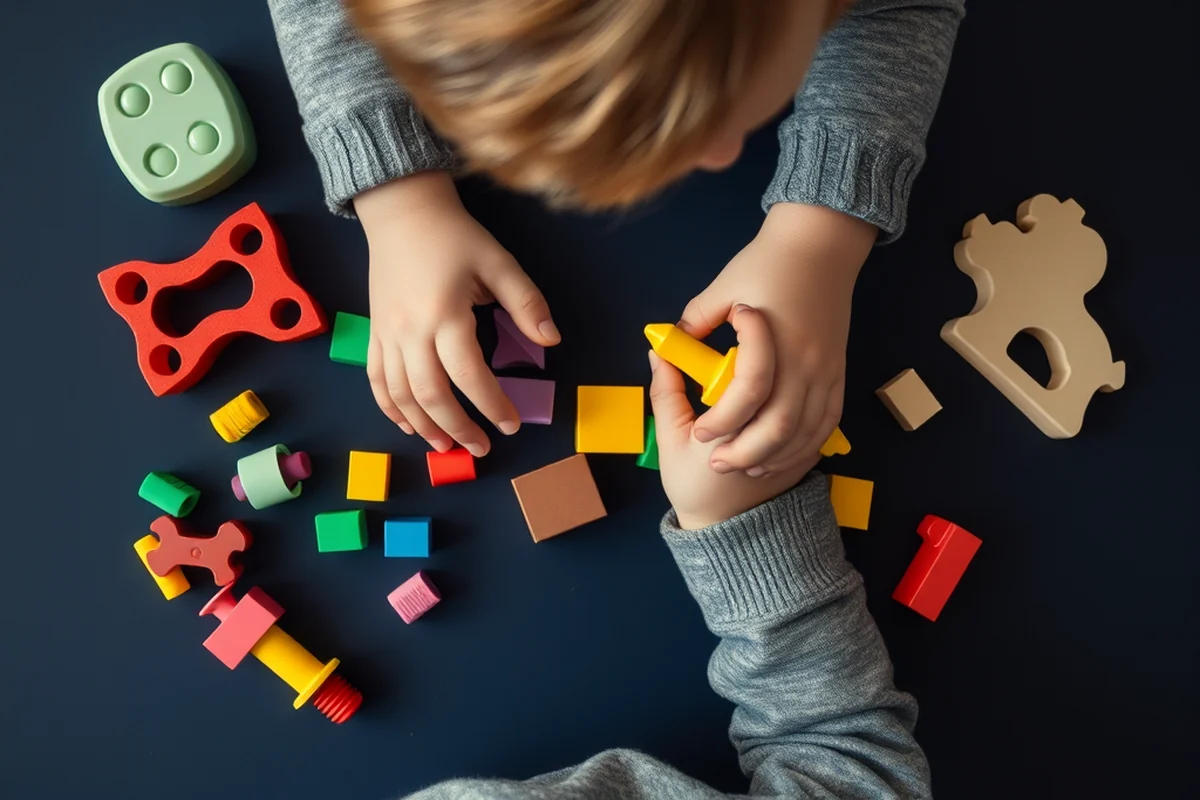
I once bought a complex puzzle that was meant for preschoolers, thinking it would be a great challenge. But my toddler, who was only 2, found it frustrating and gave up quickly. I learned that developmentally appropriate activities are essential for keeping toddlers motivated and engaged.
Understanding your toddler’s developmental stage is key. For example, toddlers between 18 and 30 months benefit most from sensory-based activities, simple puzzles, and open-ended play with blocks or dress-up clothes. These types of activities support their growing motor skills, language, and imagination.[1]
Since implementing this strategy, I’ve noticed a marked increase in my toddler’s participation and confidence. It’s not about pushing them, but meeting them where they are and offering activities that match their abilities.
Choose activities that match your toddler’s developmental stage — it’s the difference between frustration and joy.
Related: What indoor activities for adults
Ignoring the Power of Routine
I used to change up the activities every day, thinking it would keep things exciting. But I noticed that my toddler had a hard time focusing and often got overwhelmed. I realized that consistency helps toddlers feel safe and understand what to expect.
Creating a routine with play-based learning — such as a weekly theme or a specific time each day for focused play — helps toddlers develop habits and expectations. I now set aside a 30-minute block each afternoon for structured play, which has helped my toddler stay more engaged and focused.[2]
Since I started this routine, I’ve seen a big improvement in his attention span and overall engagement. Consistency doesn’t mean monotony — it means your toddler knows what’s coming and can fully immerse themselves in the experience.
Set aside a specific time each day for play-based learning to create structure and consistency.
“I remember the day my toddler, then 2 years old, turned my living room into a jungle gym of couch cushions, blankets, and mismatched blocks.”— TinyRomp editors
Related: How to toddler activities play based learning rainy
Underestimating the Need for Boundaries
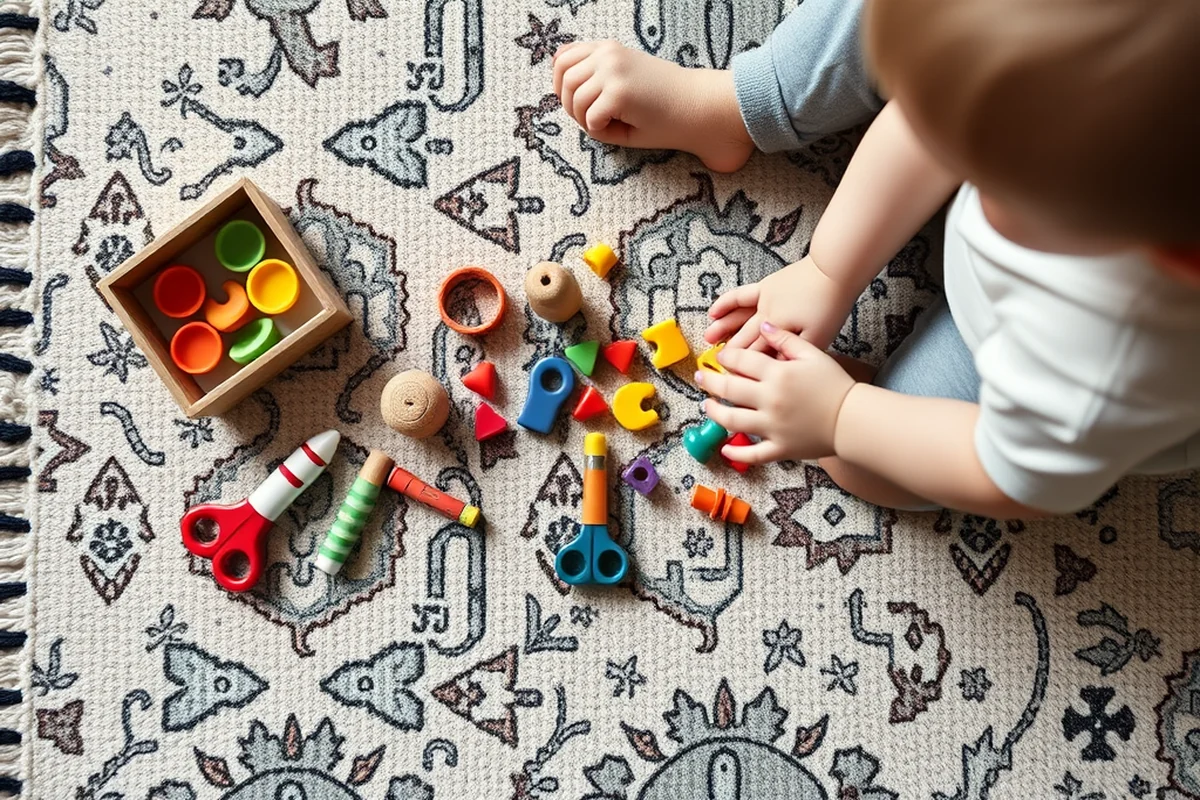
I once allowed my toddler to roam the house freely during playtime, thinking he needed space to explore. But the result was chaos — he knocked over furniture, scattered toys everywhere, and became overwhelmed by the noise and movement.
I learned that boundaries are essential for creating a safe and focused environment. I now set up a play area in one corner of the living room with clear limits, such as a ‘no running’ rule and a ‘stay within the space’ boundary. This helps keep things under control while still allowing him to explore and learn.
This change had an immediate impact — my toddler became more focused, and the play environment became more peaceful. Boundaries don’t mean restriction; they mean creating a space where your toddler can play safely and learn effectively.
Related: Indoor playground equipment for kids
Failing to Model Engagement
I once tried to engage my toddler with a new activity and then walked away to do something else. He lost interest immediately, and I realized that my absence made the activity feel unimportant.
Modeling engagement is crucial. When you sit with your toddler, show genuine interest in the activity, and participate alongside them, it encourages them to stay involved and learn. I now make it a point to sit with my toddler during playtime and fully engage with him, even if it means sacrificing my own tasks.
Since implementing this strategy, I’ve noticed a big increase in my toddler’s enthusiasm and participation. When I’m fully present, he feels supported and more motivated to explore and learn.
🧘 Gentle Approach
A low-pressure, child-led method that prioritizes comfort and emotional safety over structure.
⏳ Fast-Track Learning
A time-sensitive, goal-oriented approach that focuses on quick, impactful learning sessions.
🧳 Travel/Away-from-Home
A portable, minimalist method that works well for on-the-go or when you're not at home.
👶 Multiples Approach
A strategy designed for multiple toddlers that balances play and learning in a shared environment.
🔄 Regression Reset
A method focused on rebuilding skills and confidence after a developmental setback.
| The mistake | Why it happens | The fix |
|---|---|---|
| Too many toys and activities at once | This can overwhelm a toddler and make it hard for them to focus or engage with any one item. | Limit the number of available items to two or three at a time to keep the play environment manageable and engaging. |
| Ignoring developmental stages | Activities that are too advanced or too simple can leave a toddler frustrated or disinterested. | Choose activities that match your toddler’s current developmental stage, such as sensory-based or open-ended play for 18–30-month-olds. |
| Not setting up a routine | Lack of structure can lead to chaos and make it hard for toddlers to understand expectations. | Create a consistent play-based learning routine, such as a specific time each day for focused play, to help your toddler stay engaged and build skills. |
| Failing to model engagement | Children often mirror adult behavior, so your own level of involvement can greatly impact their participation. | Sit with your toddler during play and show genuine interest in the activity — it encourages them to stay focused and learn. |
Related: Diy toddler activities play based learning indoor
Toddler Activities & Play-based Learning Indoor Mistakes To Avoid
Related: Toddler activities play based learning indoor rainy day ideas on a budget
Neglecting the Importance of Unstructured Playtime
Unstructured playtime is often overlooked but is vital for fostering creativity and problem-solving in toddlers.
I once believed that every moment with my toddler needed to be planned and purposeful, but I quickly learned that unstructured time is where true learning happens. When I stopped scheduling every activity and allowed my child to explore freely, I noticed a significant increase in her curiosity and independent thinking. Unstructured play allows toddlers to make choices, experiment, and learn from their environment without the pressure of an agenda.
During unstructured play, my toddler discovered how to stack blocks, mimic sounds, and even figure out how to open a cabinet by herself. These moments are not only developmentally rich but also help build confidence and resilience. The lack of direction in these times encourages creativity and adaptability, which are essential for long-term growth.
I now make it a point to include at least 30 minutes of unstructured play every day, even if it means stepping back and letting my child lead. This shift has not only improved her emotional regulation but also created a more relaxed and joyful atmosphere in our home. Unstructured play is a powerful, often underestimated tool in a toddler's development.
Overlooking the Role of Sensory Stimulation in Indoor Play
Sensory stimulation is crucial for toddlers, yet it's often neglected in indoor play setups. Providing varied textures, sounds, and visual inputs supports cognitive and motor development.
I once filled my toddler’s play area with plastic toys that were bright and colorful, but I didn’t realize how important it was to include materials like soft fabrics, sand, and water for tactile exploration. Toddlers learn through their senses, and without the right stimuli, they miss out on important developmental milestones. I noticed a big difference after I introduced a sensory bin with rice and small wooden blocks, which kept my child engaged for longer periods and sparked curiosity.
When I began incorporating sensory elements into our indoor playtime, I saw a marked improvement in my toddler’s focus and problem-solving skills. I now keep a bin with kinetic sand, a small water table, and a variety of textured objects like felt, rubber, and foam. These simple additions not only made playtime more engaging but also helped my child develop fine motor skills and hand-eye coordination.
I also learned the importance of rotating sensory materials to keep the experience fresh and challenging. My toddler became more curious and adventurous in her play, exploring different textures and making connections between objects. This approach not only enriched her playtime but also supported her overall development in a way I hadn’t anticipated before.
Common Questions
What should I do if my toddler is not interested in any activities?
How can I keep my toddler focused during play-based learning?
What if my toddler becomes frustrated during an activity?
How often should I change up the activities?
References
- APPENDICES - children.alabama.gov (children.alabama.gov)
- New York State Early Learning Guidelines (ccf.ny.gov)
Cite this guide
TinyRomp (2026). Toddler Activities & Play-based Learning Indoor Mistakes To Avoid. https://tinyromp.com/toddler-activities-play-based-learning-indoor-mistakes-to-avoid/
Feel free to cite or share this guide.