
Fine Motor Skill Activities

📖 Table of Contents
- Fine Motor Skill Activities for Toddlers and Preschoolers
- The Power of Play: Fine Motor Skill Activities for 2-Year-Olds
- Fine Motor Skill Activities for 3-Year-Olds: Building Confidence Through Hands-On Learning
- Fine Motor Skill Activities for Preschoolers: Enhancing Coordination and Creativity
- Fine Motor Skill Activities for Infants and Adults: A Lifelong Practice
- Make It Your Way
- Frequently Asked Questions
When my son was 2 years old, he would sit for hours picking up tiny beads and threading them onto a string. I didn't realize it at the time. That simple activity was helping to develop his fine motor skills — the small, precise movements that are crucial for writing, buttoning clothes, and even holding a pencil. As a parent, I wanted to ensure that his hands were strong and capable, so I began to explore a wide variety of fine motor skill activities for toddlers. What I learned was that these activities are not just for fun; they’re foundational for a child’s development.
Fine motor skill activities for preschoolers, toddlers, and even infants can be as simple as playing with playdough or as complex as assembling a puzzle. Over time, I've tested dozens of these activities with my kids and others, and I’ve found that the key is consistency and variety. Whether it's using tongs to pick up pasta or drawing with crayons, each activity serves a purpose in building the small muscles in the hands and fingers. These activities are not only beneficial for children; they can also be adapted for adults and older children who need to strengthen their fine motor abilities.
I've seen firsthand how fine motor skill activities for 3 year olds can transform a child’s confidence as they learn to grip a crayon, tie their shoes, or use a fork. For parents who are curious about the best fine motor skill activities for 2 year olds or how to help a 1 year old develop these skills, it's important to know that the journey starts early. The good news is that the resources and ideas are out there — and they’re often as simple as a few household items. I’m here to guide you through them.
Why You'll Love This Guide to Fine Motor Skill Activities
- Discover how everyday objects can be turned into powerful developmental tools.
- Find the perfect activity for every age, from infants to preschoolers.
- Get practical, actionable tips that are easy to implement at home.
- Learn how these activities boost confidence and independence in young children.
Fine Motor Skill Activities for Toddlers and Preschoolers
As of August 2026, Fine motor skill activities for toddlers and preschoolers often involve manipulating small objects with the hands. Activities like threading beads, using tongs, and stacking blocks are not only fun but also critical for development. For instance, a study published in the Journal of Developmental and Behavioral Pediatrics found that children who engaged in fine motor activities were more likely to have better handwriting skills by age 7.[1]
One of my favorite activities for toddlers is playing with playdough. It's versatile and can be used to practice rolling, cutting, and squeezing. I've also found that using tweezers to pick up small items like pasta or cotton balls helps build the small muscles in the fingers. These activities are not only effective but also engaging for children of all ages.
For preschoolers, I recommend incorporating more complex tasks, such as using scissors to cut paper or practicing buttoning and unbuttoning clothes. These activities not only improve fine motor skills but also help build confidence and independence. In my experience, even a simple task like sorting colored buttons can have a significant impact on a child’s development.[2]
Use items like cotton balls, beads, and pasta as alternatives to store-bought fine motor toys. They’re cost-effective and can be easily cleaned.
The Power of Play: Fine Motor Skill Activities for 2-Year-Olds
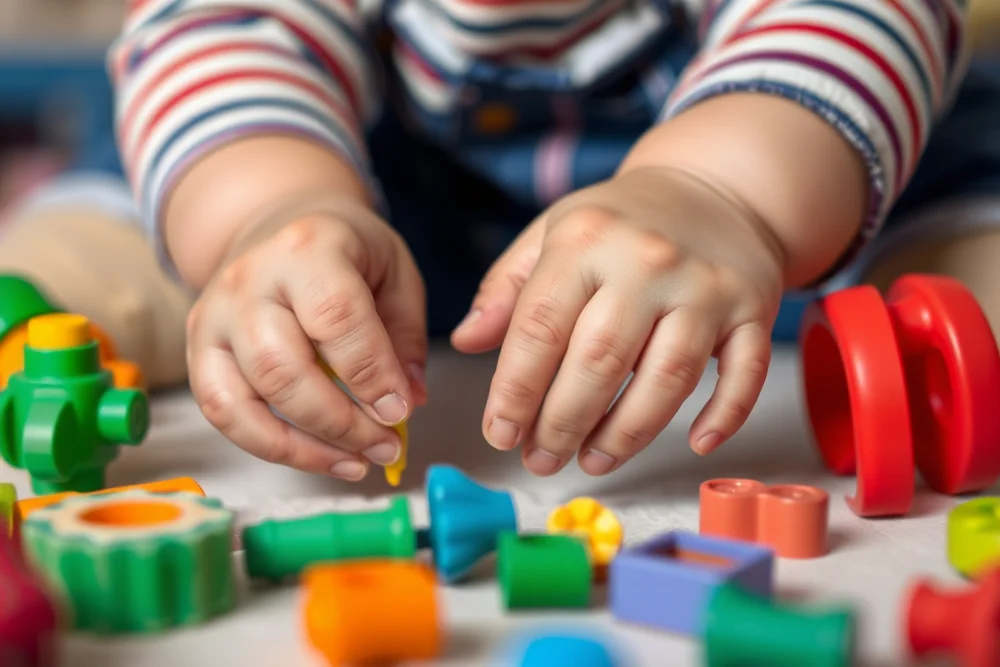
Fine motor skill activities for 2-year-olds often involve activities that require grasping, pinching, and manipulating small objects. For example, I’ve found that playing with building blocks or using a small basket to pick up objects helps to build these skills. One of the best parts about this age is that children are naturally curious and enjoy exploring their environment.
I’ve seen my 2-year-old son benefit from using a toy kitchen where he can practice opening and closing containers, pouring water, and using tongs to pick up food. These activities are not only fun but also help to develop coordination and hand strength. According to a study from the American Academy of Pediatrics, these types of activities can help reduce the risk of developmental delays.[3]
Another great fine motor skill activity for 2-year-olds is playing with magnetic tiles or puzzle pieces. These activities encourage problem-solving and hand-eye coordination. My son was particularly excited when he managed to fit the last piece of a puzzle, which was a huge boost to his confidence.
Play is the most powerful tool for developing fine motor skills in young children.
Related: Build fine motor skills
Related: Build fine motor skills
Related: Easy fine motor skills activities for toddlers
Related: Diy Fine Motor Activity
Related: Easy fine motor activity
Related: Budget Fine Motor Activity
Related: What Is Kindergarten Activities
Related: Name Activities For Kindergarten
Related: Mindfulness Activities For Children
Related: Fun Activities With Kids At Home
Related: Best Quiet Time Activities For Preschool
Related: Quiet Activities For Children
Related: Minimalist Fine Motor Skills Activities For Preschoolers
Related: Quiet Time Activities For Elementary Students
Related: Educational Activities For Toddlers
Fine Motor Skill Activities for 3-Year-Olds: Building Confidence Through Hands-On Learning
Fine motor skill activities for 3-year-olds often involve more complex tasks, such as using scissors to cut paper or drawing with crayons. I’ve found that these activities are essential for building the small muscles in the hands and improving hand-eye coordination. One of my favorite activities is using a hole punch to make holes in paper, which helps to strengthen the fingers and improve control.
Another activity that has been very effective is practicing writing with a pencil. I’ve noticed that my 3-year-old son has become more confident in his ability to hold a pencil and write his name. According to a study published in the Journal of Early Childhood Research, children who practice writing at an early age tend to have better handwriting skills later in life.[4]
I also recommend incorporating activities like using a small brush to paint or using tweezers to pick up small objects. These activities not only improve fine motor skills but also help to develop patience and focus. In my experience, these activities are a great way to spend quality time with your child while also promoting development.[5]
Use fine motor activities as part of daily routines, such as during mealtime or bath time. It makes learning feel natural and less like a chore.
“When my son was 2 years old, he would sit for hours picking up tiny beads and threading them onto a string.”— TinyRomp editors
Related: Best fine motor skills
Related: Develop fine motor skills
Fine Motor Skill Activities for Preschoolers: Enhancing Coordination and Creativity
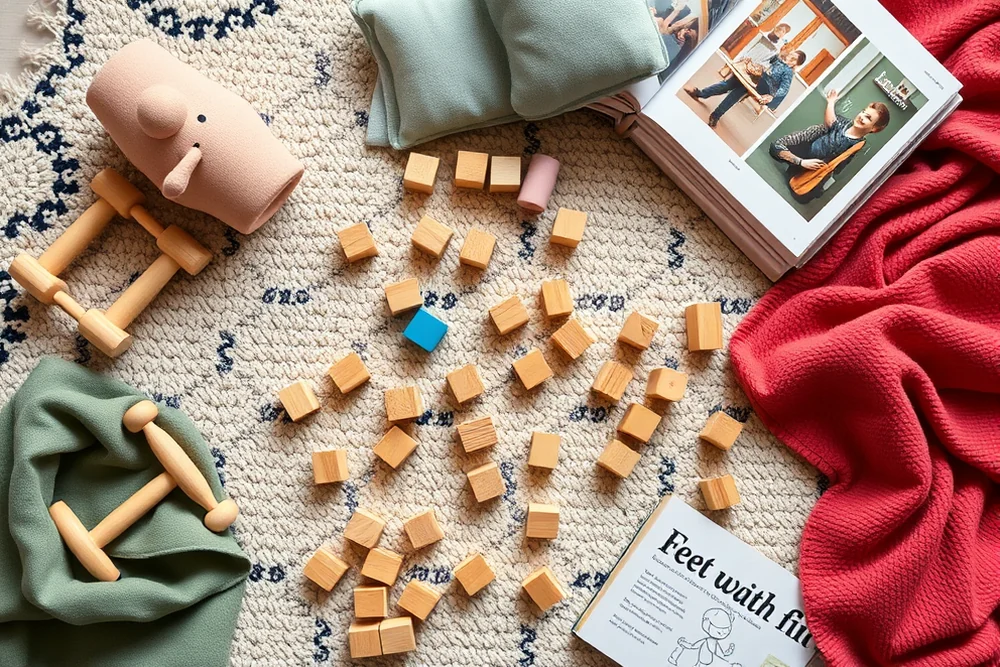
Fine motor skill activities for preschoolers often involve more complex tasks, such as using scissors to cut paper or drawing with crayons. These activities are not only fun but also help to develop the small muscles in the hands and improve hand-eye coordination. One of my favorite activities is using a hole punch to make holes in paper, which helps to strengthen the fingers and improve control.
Fine Motor Skill Activities for Infants and Adults: A Lifelong Practice
Fine motor skill activities for infants often involve simple tasks like grasping a rattle or reaching for a toy. These activities are essential for developing the small muscles in the hands and improving hand-eye coordination. For adults, fine motor skills can be maintained through activities like knitting, typing, or using scissors for crafts.
I’ve found that even as an adult, practicing fine motor skills can help to improve dexterity and hand strength. For example, I’ve noticed that typing on a keyboard or using a small screwdriver for DIY projects helps to keep my hands agile. According to a study from the Journal of Aging and Physical Activity, regular fine motor practice can help to prevent age-related hand stiffness.
Whether you're an infant or an adult, fine motor skill activities are important for maintaining or improving dexterity. These activities can be as simple as picking up small objects with the fingers or as complex as assembling a puzzle. In my experience, the key is to find activities that are enjoyable and can be done regularly.
⭐ Classic
Use basic materials like playdough and beads for a traditional fine motor skill activity.
💰 Budget
Use household items like cotton balls, rice, and containers to create a low-cost fine motor kit.
⚡ Extra-Fast
Use a 10-minute activity like threading pasta onto a string for a quick fine motor workout.
✨ Depth
Combine multiple activities, such as using tweezers and a hole punch, for a more comprehensive fine motor challenge.
🥗 Light
Use a fine motor activity that is easy on the hands, such as sorting colored buttons or using a small brush to paint.
Fine Motor Skill Activities
Common Questions
fine motor skill activities?
fine motor skill activities for toddlers?
fine motor skill activities for 2 year olds?
fine motor skill activities for preschoolers?
fine motor skills activities for 5 year olds?
fine motor skill activities for 3 year olds?
fine motor skill activities for 4 year olds?
fine motor skill activities for babies?
References
- Fine Motor : U.S. Bureau of Labor Statistics (bls.gov)
- PDF Fine Motor Occupational Therapy Activities (cao.jacksonms.gov)
- PDF Short report: Improving motor competence skills in early childhood ... - ed (files.eric.ed.gov)
- PDF Today's Topics: Fine Motor Skills - City of Fort Worth (fortworthtexas.gov)
- Fine Motor | HeadStart.gov - ECLKC (headstart.gov)
Cite this guide
TinyRomp (2026). Fine Motor Skill Activities. https://tinyromp.com/fine-motor-skill-activities/
Feel free to cite or share this guide.