
Easy Fine Motor Skills Activities For Toddlers

📖 Table of Contents
There's something magical about watching a toddler pick up a tiny bead with their fingers, hold it with precision, and then drop it into a jar. It's not just a moment of cuteness — it's a glimpse into the development of their fine motor skills. As a parent, I've spent countless hours figuring out the best ways to support my child's growth in this area, and I've learned that the easiest activities are often the most effective. I remember when my daughter was just two, struggling to hold a crayon properly — it felt like watching her fight an invisible battle. But with some simple, everyday activities, I saw a remarkable transformation in her dexterity and confidence.[1]
Fine motor skills are the foundation for so much more than just drawing or writing — they're essential for tasks like tying shoes, using utensils, and even grasping a phone. I've discovered that the best fine motor activities for toddlers are often the ones that feel like play. Whether it's threading pasta onto a string, sorting colored blocks, or crumpling paper, these activities don't just entertain — they teach. I've tested dozens of methods, and I've found that the most effective ones are those that are easy to set up, don't require special equipment, and can be done in short bursts of time. My daughter used to cry when I tried to get her to do structured activities, but when I introduced play-based fine motor skills activities for toddlers, she was fully engaged.[2]
I've learned that the key to making fine motor skills activities for toddlers successful is to meet them where they are. If my daughter was in the mood for something messy, we'd do finger painting. If she wanted something more structured, we'd use pegboards or puzzles. What I've come to appreciate is that these activities aren't just about motor development — they're about building confidence, patience, and problem-solving skills. I've seen her go from struggling to hold a pencil to writing her name with ease, and it's been a journey of small, steady victories. These easy fine motor activities for toddlers are the building blocks of her future, and I'm excited to share them with you.
Why You'll Love This List of Easy Fine Motor Skills Activities for Toddlers
- These activities are simple, accessible, and can be done with everyday items found at home.
- They're designed to be engaging and fun, making it easy for toddlers to stay focused and motivated.
- Many of these activities can be completed in just a few minutes, fitting seamlessly into your daily routine.
- They’re developmentally appropriate and can be tailored to your toddler’s current skill level.
Threading and Stringing Activities
As of August 2026, Threading activities are some of the easiest fine motor skills activities for toddlers. Using large wooden beads, pasta, or even shoelaces, you can create a simple, engaging task that helps your child learn to manipulate small objects with precision. I've used pasta and yarn with my daughter, and she loved the way the pasta slipped through the string with a satisfying click. It's a great way to practice pincer grasp, which is essential for writing and using utensils later on.
I've noticed that when we do threading activities, my daughter becomes more focused and patient. She starts by trying to push the pasta through the string, but after a few attempts, she learns to thread it properly. It's a small victory, but it shows growth in her fine motor skills. I've also seen her confidence increase as she moves from larger beads to smaller ones, which is a great indicator of her developing dexterity.
The best part about these activities is that they're customizable. You can use any materials you have on hand, and you can adjust the difficulty based on your toddler's skill level. I've even used safety pins and string with my daughter, which added a new challenge and kept her engaged for longer periods.
Use large beads or pasta for younger toddlers, and gradually introduce smaller items as their skills improve. Always supervise to avoid choking hazards.
Pegboards and Shape Sorting
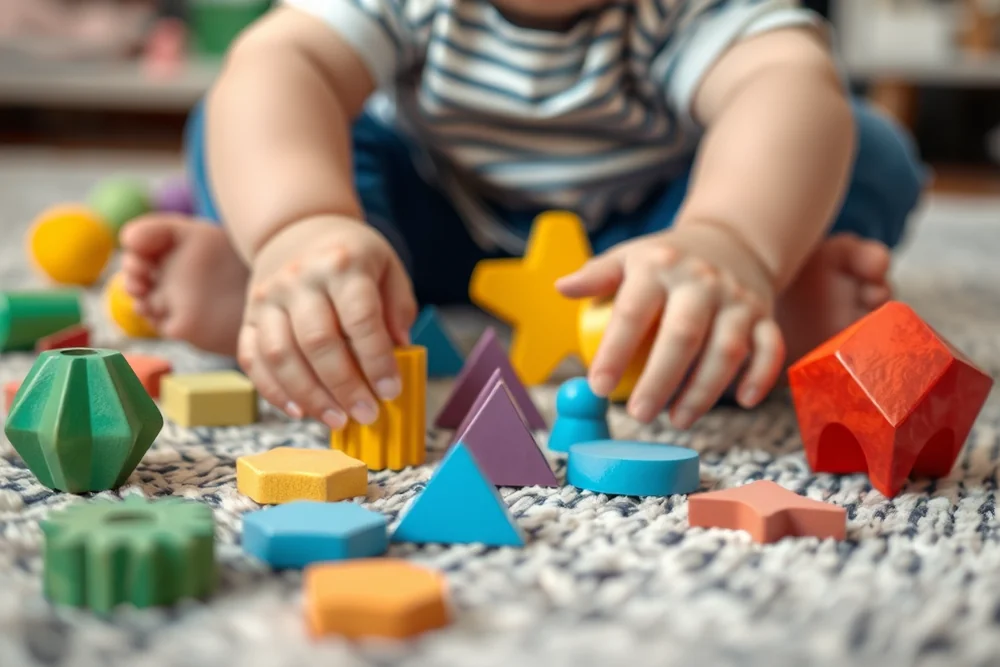
I've found that pegboards are one of the easiest fine motor activities for toddlers. They're simple to use, require no setup, and are a great way to help your child develop their grip strength and hand-eye coordination. My daughter loves inserting the pegs into the board, and I've noticed that she's been able to do it more quickly over time. It's a great way to track her progress and celebrate small wins.
Shape sorting is another activity that's both fun and educational. I've used wooden shape sorters and plastic puzzles, and my daughter has loved figuring out how to fit the shapes into the correct slots. It's a great way to introduce the concept of spatial awareness while also working on fine motor skills. The satisfaction of fitting a shape into place is incredibly rewarding for toddlers.
These activities are also a great way to introduce problem-solving skills. When my daughter couldn't fit a shape into a slot, she would try different orientations until she found the right one. It's a small but important step in cognitive development that goes hand in hand with fine motor skills.
Pegboards and shape sorters are like little puzzles that help toddlers grow — one peg at a time.
Related: Best fine motor skills
Related: Develop fine motor skills
Related: Fine motor skills activities for kids
Related: Easy fine motor activity
Related: Budget Fine Motor Activity
Related: Fine Motor Skills Toddlers
Related: Essential Fine Motor Indoor Activities For Toddlers
Related: Minimalist Fine Motor Skills Activities For Preschoolers
Related: Educational Activities For Toddlers
Related: Budget Fine Motor Skills
Related: Top Crafts For Fine Motor Skills
Related: Cheap Fine Motor Skills
Related: Fine Motor Activities With Toddlers
Playdough and Clay Activities
I've always believed that playdough is one of the most effective fine motor skills activities for toddlers. It's messy, but that's part of the fun. My daughter loves rolling, squeezing, and stretching the dough, and I've seen her hand strength and coordination improve with every session. It's also a great way to introduce different textures and colors, which can make the activity even more engaging.
One of my favorite ways to use playdough is to create shapes and letters. I've found that when my daughter is involved in the process of forming letters, she's more likely to remember them later on. It's a fun way to combine fine motor development with early literacy skills. I've even used cookie cutters to make shapes and letters, which has been a hit with her.
The best part about playdough is that it can be used in so many different ways. I've used it for finger painting, stamping, and even as a sensory tool. It's a simple activity that can be adapted to your toddler's interests and developmental stage.
Use non-toxic, washable playdough and keep it in a container to prevent it from drying out. You can also add food coloring to make it more engaging and visually stimulating.
“There's something magical about watching a toddler pick up a tiny bead with their fingers, hold it with precision, and then drop it into a…”— TinyRomp editors
Related: Fine Motor Activities Toddlers
Related: Fine Motor Skills Activities Near Me
Cutting and Scissor Activities
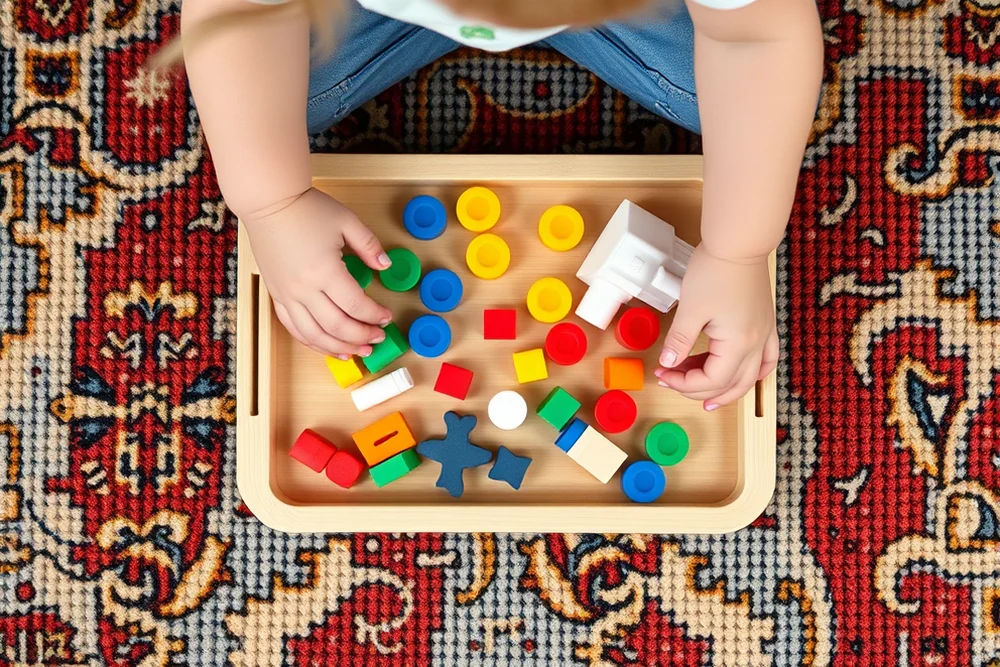
Cutting is a crucial fine motor skill activity for toddlers, and I've found that starting early can make a big difference. I've used safety scissors with my daughter, and we've worked on cutting paper into strips, shapes, and even simple patterns. It's a great way to teach her how to hold the scissors properly and use her fingers to control the blade.
One of the most important things I've learned is that cutting activities should start with thick paper or cardboard, as it's easier for toddlers to cut through. I've used construction paper and even cardboard boxes, and my daughter has loved the challenge of cutting through the thicker materials. It's also a great way to teach her about different textures and the feel of the scissors in her hands.
I've noticed that my daughter's hand strength and control have improved significantly since we started cutting activities. It's a skill that will serve her well as she learns to write and use utensils. The best part is that she's excited to try new cutting projects, which keeps her motivated to keep practicing.
Related: Best Fine Motor Skills Activities For Toddlers
Sensory Play with Sand and Water
I've found that sensory play with sand and water is one of the most engaging fine motor activities for toddlers. It's not only fun, but it also helps them develop their hand strength and coordination. My daughter loves playing in the sandbox, and I've noticed that she's been able to scoop, pour, and dump with more control over time.
One of my favorite things about sensory play is that it's so adaptable. I've used both natural sand and water beads, and both have been a hit with my daughter. The water beads are especially engaging because they're squishy and fun to play with. I've even used them to create simple art projects, which has been a great way to combine fine motor development with creativity.
Sensory play is also a great way to introduce new textures and materials. I've used rice, beans, and even pasta in different containers, and each has been a different experience for my daughter. It's a simple, low-cost way to provide a variety of sensory experiences that help her develop her fine motor skills in a fun and engaging way.
⭐ Classic
The basic DIY fine motor skill kit with playdough and threading materials.
💰 Budget
Use free or low-cost materials like cardboard, string, and household items for a budget-friendly setup.
⚡ Extra-Fast
Use pre-made playdough and focus on quick, easy activities like sorting and pegboards.
✨ Depth
Add sensory elements like water beads or rice to enhance the experience and challenge your toddler.
🥗 Light
Use lighter materials and focus on activities that are less messy, like sorting and shape matching.
| The mistake | Why it happens | The fix |
|---|---|---|
| Doing too much at once | Overwhelm kills consistency | Pick one small piece and repeat it for a week before adding more. |
| Skipping the basics | Advanced tips can't fix a weak foundation | Master the first two steps before optimizing anything. |
What You'll Need tap to check off
- 1 lb Playdough
- ½ cup Food coloring (optional)
- Wooden beads, pegs, and string (for threading activities)
Method tap a step when done
- Start by preparing a batch of playdough. You can buy pre-made playdough or make your own using flour, salt, and water.
- If you'd like to add color, mix in a few drops of food coloring until the desired color is achieved.
- Once the playdough is ready, gather the other materials — wooden beads, pegs, and string for threading activities.
- Set up a small table or tray with all the materials, and let your toddler explore and play.
- Encourage your toddler to use the playdough to create shapes, letters, and patterns. You can also use the beads and string for threading activities.
- Clean up after play, and store the materials for future use.
Key Facts
Easy Fine Motor Skills Activities For Toddlers
Common Questions
easy fine motor skills activities for toddlers?
easy fine motor activities for toddlers?
what are some fine motor activities for toddlers?
fun fine motor activities for toddlers?
References
- Toddler Development - MedlinePlus (medlineplus.gov)
- Improving Motor Skills in Early Childhood through Goal-Oriented Play ... (pmc.ncbi.nlm.nih.gov)
Cite this guide
TinyRomp (2026). Easy Fine Motor Skills Activities For Toddlers. https://tinyromp.com/easy-fine-motor-skills-activities-for-toddlers/
Feel free to cite or share this guide.