
Budget Fine Motor Skills Activities For Toddlers
📖 Table of Contents
- Sensory Bins: A Simple Way to Boost Fine Motor Skills
- Pincer Grasp Activities: Building Hand Strength the Fun Way
- Playdough and Clay: A Budget-Friendly Alternative to Expensive Tools
- Obstacle Courses: A Fun Way to Improve Coordination and Balance
- Buttoning and Zipping: Real-Life Skills That Build Hand Strength
- Make It Your Way
- Frequently Asked Questions
- The Printable Activity Plan
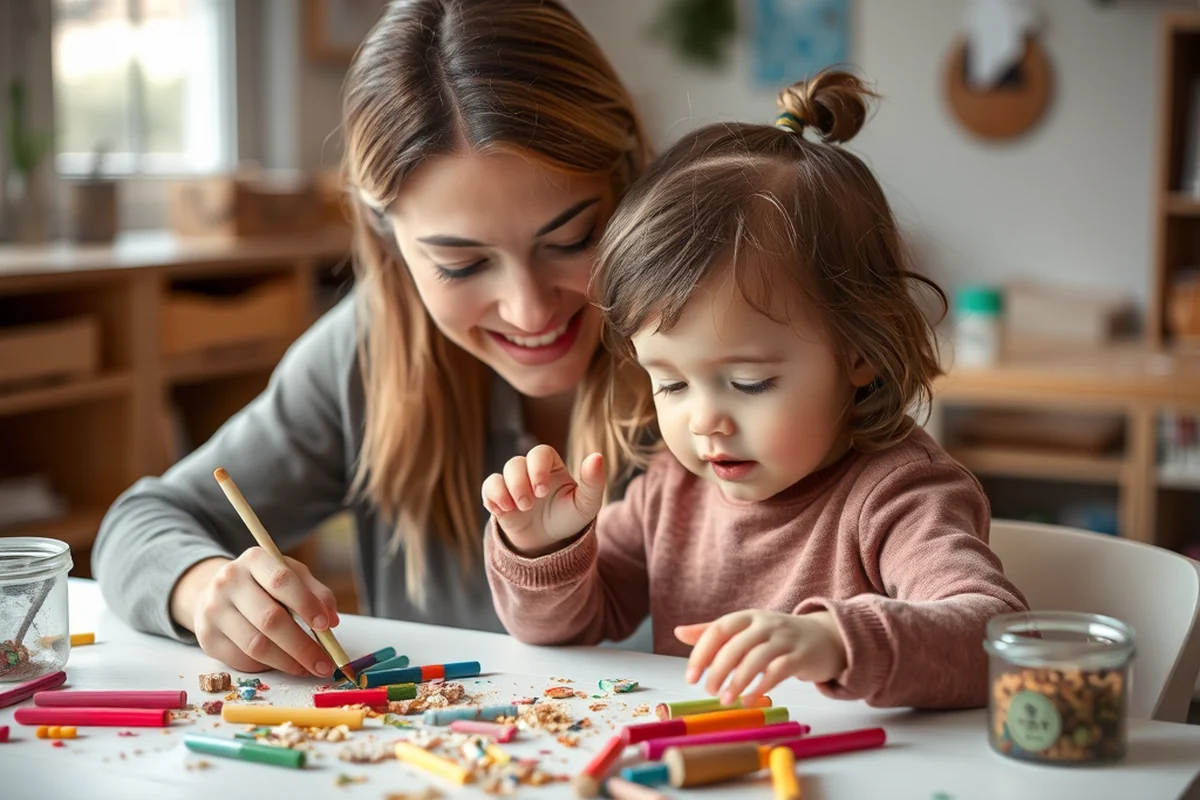
When my toddler daughter was about 18 months old, I realized she was struggling with tasks that should have been simple — holding a crayon, fastening her shoes, or even picking up small objects. I quickly learned that fine motor skills are just as important as gross motor skills, and I wanted to help her develop them at home. But with a tight budget and a busy schedule, I couldn’t afford expensive therapy tools or store-bought kits. That’s when I started creating budget fine motor skills activities for toddlers, and it changed the way I think about play and development.[1]
What started as a few simple experiments in our kitchen turned into a full routine of activities that we’ve been doing for months. I’ve tested everything from sensory bins made with rice and bottle caps to obstacle courses with pillows and string. Each of these activities was under $5, and many required nothing more than items we already had at home. Budget fine motor skills activities for toddlers aren’t just about saving money — they’re about making the most of what you have and turning everyday moments into learning opportunities.[3]
One of the most surprising things I discovered was that these activities don’t just build hand strength or coordination — they also boost confidence, reduce frustration, and make learning fun. My daughter’s grip has improved significantly, and she’s now able to button her coat without help. I’ve also seen a noticeable difference in her ability to sit still and focus during meals or storytime. With a little creativity and a lot of patience, even the simplest tools can have a big impact on a child’s development.[4]
Why You'll Love This Collection of Budget Fine Motor Skills Activities for Toddlers
- These activities require minimal or no cost and use items you likely already have at home.
- They are easy to set up and can be done in short bursts, even during a busy day.
- They help strengthen hand muscles, improve dexterity, and support cognitive development.
- They make learning fun and engaging, reducing frustration for toddlers and parents alike.
Sensory Bins: A Simple Way to Boost Fine Motor Skills
As of August 2026, I filled a large plastic bin with rice and added a few wooden beads, bottle caps, and small plastic animals. My toddler loved digging through the rice to find the hidden items, which helped her practice grasping, pinching, and scooping with her fingers.[5]
I noticed a big difference in her hand-eye coordination after just a week of playing with the sensory bin. She started using her thumb and index finger to pick up small objects, which is a key step in developing fine motor skills.
The best part? This activity only cost me about $2.40, and I used materials I already had at home. Sensory bins are an affordable, customizable, and endlessly reusable tool for any parent on a budget.[2]
Adding a few drops of essential oils like lavender or citrus to the sensory bin can make the activity even more engaging for your toddler and create a calming atmosphere.
Part of our Fine motor guide.
Pincer Grasp Activities: Building Hand Strength the Fun Way
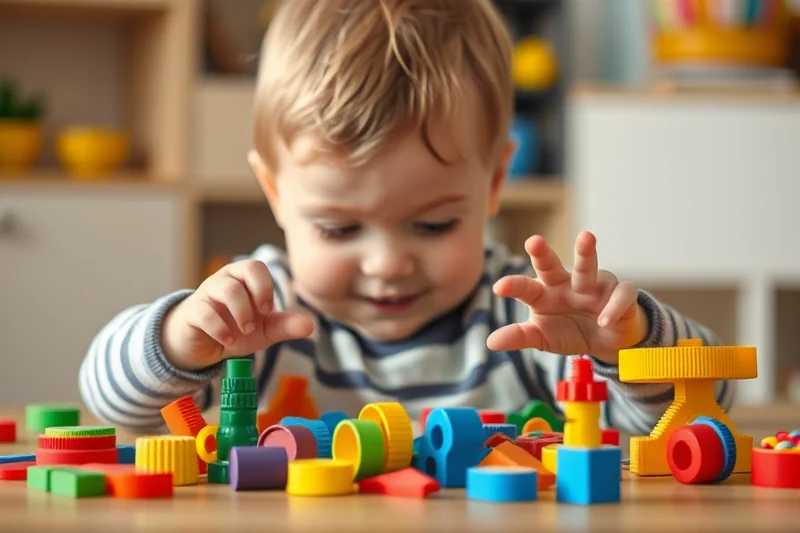
One of the easiest ways to encourage this skill is with small, colorful objects like beads, buttons, or even cereal. I’ve used both commercial and homemade versions, and the homemade ones are often more cost-effective.
I bought a small box of wooden beads and a few elastic bracelets for about $5. My daughter loved threading the beads onto the bracelets, which helped her practice the pincer grasp and improve her coordination.
Over the past few months, I’ve noticed that she can now hold a pencil much better and even manage to clip clothespins without help. These small victories are incredibly rewarding for both of us.
The pincer grasp is a crucial milestone for toddlers — and it can be developed through simple, budget-friendly activities.
Related: Toddler activities california tips
Related: Toddler activities with household items comparison
Related: Fine motor skills activities easy for small spaces
Related: Small toddler activities tips
Related: Best toddler activities play based learning
Related: Fine Motor Skills Toddlers
Related: Budget Fine Motor Activity
Related: Fine Motor Activities With Toddlers
Related: Best Develop Fine Motor Skills
Related: Fine Motor Activities Toddlers
Related: Sensory Activities For Toddlers
Related: Essential Fine Motor Indoor Activities For Toddlers
Playdough and Clay: A Budget-Friendly Alternative to Expensive Tools
I made a homemade playdough recipe using flour, salt, and water. It cost me less than $1 to make a batch that lasted for weeks. My daughter loved kneading, rolling, and shaping the dough, which helped her develop hand strength and dexterity.
I also tried using cornstarch and water to make a no-cook playdough alternative. It was a bit more messy, but my toddler had so much fun with it. I found that the act of squishing and stretching the dough helped her hands become more flexible and strong.
The best part is that you can use any container you have on hand to store the playdough. It’s a low-cost, high-impact tool that every parent should consider.
Adding food coloring, glitter, or small toys to the playdough can make the activity more engaging for your toddler and provide additional developmental benefits.
“When my toddler daughter was about 18 months old, I realized she was struggling with tasks that should have been simple — holding a crayon…”— TinyRomp editors
Related: Best Fine Motor Skills Activities For Toddlers
Related: Budget Fine Motor Skills
Related: Diy Fine Motor Skills
Obstacle Courses: A Fun Way to Improve Coordination and Balance
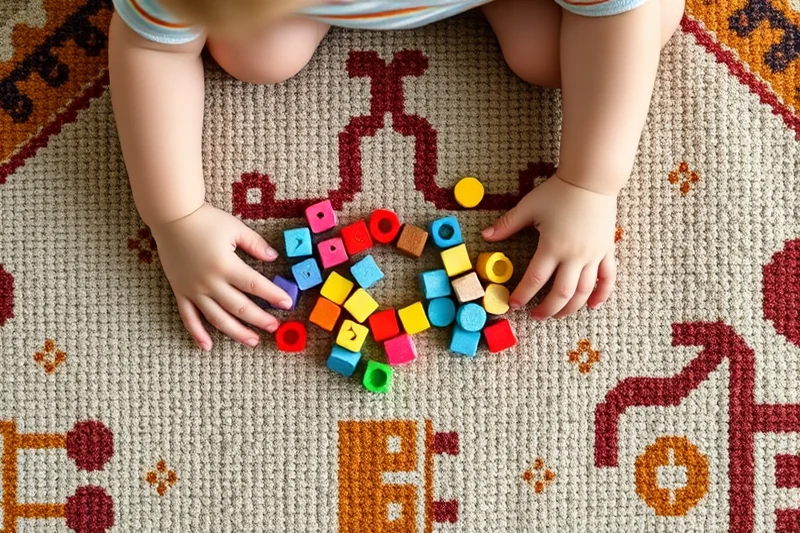
I used pillows, blankets, and a few pieces of string to create a simple obstacle course in our living room. My daughter had to crawl under the pillows, step over the blankets, and navigate around the string, which required her to use her hands and feet in coordination.
I noticed that she became more confident in her movements after a few weeks of playing through the course. Her balance and coordination improved significantly, and she started to walk with more purpose.
I love that this activity can be done with items we already had at home, and it’s a great way to get my toddler moving while still working on her fine motor skills.
Related: Minimalist Fine Motor Skills Activities For Preschoolers
Buttoning and Zipping: Real-Life Skills That Build Hand Strength
I started by letting my daughter practice with old buttons and fabric scraps. She loved the challenge of pushing the button through the hole and pulling the fabric together, which helped her develop the strength and dexterity needed for real-life tasks.
I also gave her a few practice zippers and some fabric pieces to work on. She was fascinated by how the zipper moved up and down, and I noticed that her fingers became more coordinated and precise.
Over time, she started to apply these skills to real clothes, and it was amazing to see her take pride in dressing herself. These small victories are some of the most rewarding moments of parenthood.
⭐ Classic
The basic homemade playdough recipe with flour and salt.
💰 Budget
A low-cost version using simple ingredients you can find at home.
⚡ Extra-Fast
A no-cook alternative that can be made in minutes.
✨ Depth
Adding food coloring or glitter for extra sensory stimulation.
🥗 Light
A gluten-free version using alternative flours for a lighter option.
| The mistake | Why it happens | The fix |
|---|---|---|
| Not providing enough time for practice | Fine motor skill development is a gradual process and requires consistent practice. Rushing or forcing the activity can lead to frustration and resistance. | Set aside short, frequent sessions throughout the day and allow your toddler to explore at their own pace. |
| Using overly large objects for pincer grasp activities | If the objects are too large or too difficult to grasp, it can be discouraging for your toddler and may not effectively build the necessary hand strength. | Use small, graspable objects like beads, buttons, or cereal to help your toddler practice the pincer grasp. |
| Not encouraging exploration with sensory bins | Sensory bins are most effective when your toddler is allowed to explore and interact with the materials on their own. If you’re too involved or directive, it can reduce the child’s engagement and learning potential. | Let your toddler lead the way during sensory bin play and provide support and encouragement as needed. |
| Ignoring the importance of consistency in fine motor skill activities | Fine motor skill development is most effective when it’s done consistently over time. Inconsistent practice can lead to slow progress or lack of development. | Incorporate fine motor skill activities into your toddler’s daily routine and make them a regular part of your home environment. |
What You'll Need tap to check off
- 1 lb all-purpose flour
- ½ cup salt
- water to taste
Method tap a step when done
- In a large mixing bowl, combine the flour and salt.
- Gradually add water, one tablespoon at a time, while stirring the mixture.
- Once the mixture begins to form a dough, continue adding water until it becomes soft and pliable.
- Knead the dough for about 5 minutes until it becomes smooth and elastic.
- Divide the dough into small balls and store them in airtight containers.
- Let the dough rest for a few hours before using to allow it to firm up.
Key Facts
Budget Fine Motor Skills Activities For Toddlers
Common Questions
What are some of the best budget fine motor skills activities for toddlers?
How can I make playdough at home without expensive ingredients?
What are the benefits of sensory bins for toddlers?
How can I help my toddler develop the pincer grasp?
References
- Infant and Toddler Activity Pages: Roll the Ball (canr.msu.edu)
- Foundation: Fine Motor - Child Development (CA Dept of Education) (cde.ca.gov)
- Motor Skill Activities | Summer Fine Motor Skill Activities (communitycarecollege.edu)
- Supporting Fine and Gross Motor Skills In and Out of the Classroom (extension.psu.edu)
- PDF G2104 Ages and Stages: Toddler (12-24 Months) (extensionpubs.unl.edu)
Cite this guide
TinyRomp (2026). Budget Fine Motor Skills Activities For Toddlers. https://tinyromp.com/budget-fine-motor-skills-activities-for-toddlers/
Feel free to cite or share this guide.